You’re creating a mosquito problem with one backyard feature
Photo credit: JulieAlexK/istock.com
You work hard to make your backyard inviting, then spend every warm evening slapping at your ankles. The surprise is that one decorative feature, a small water element that looks harmless, can quietly turn your property into a mosquito factory. By understanding how that happens and what simple changes cut off the breeding cycle, you can keep the charm of your yard without feeding a cloud of biting insects.
The backyard feature that quietly breeds mosquitoes
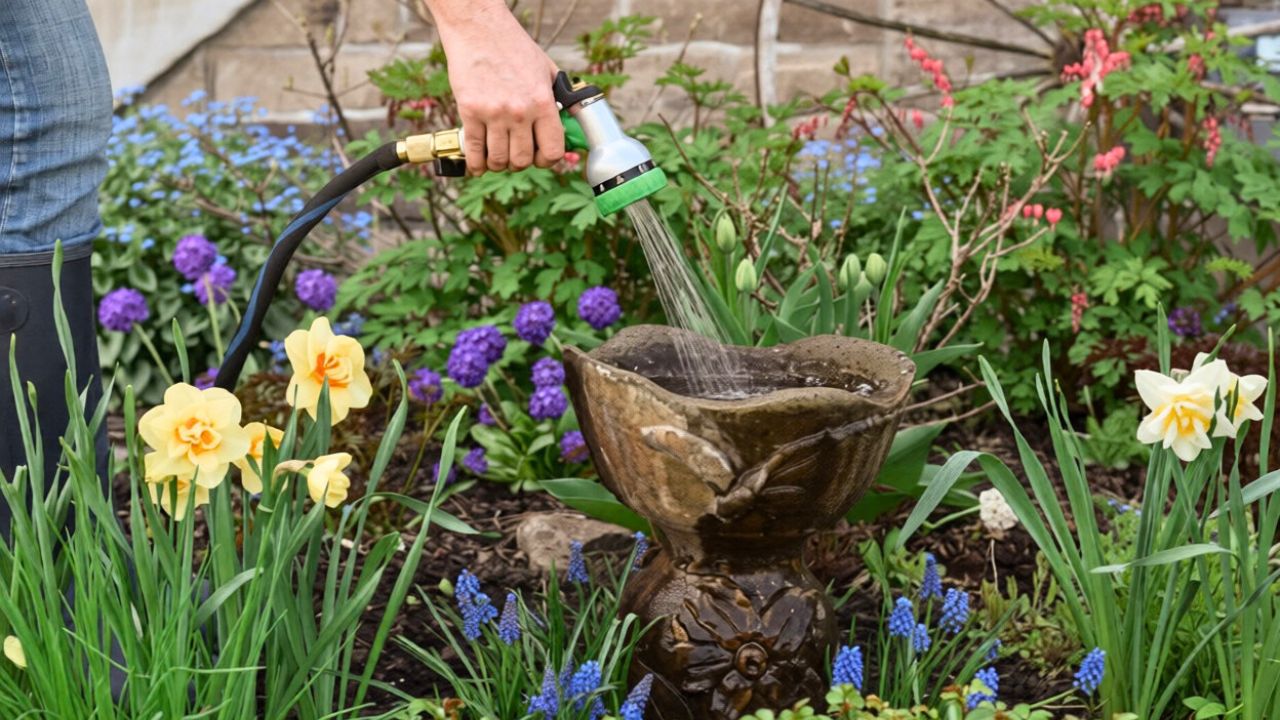
The single feature most likely to be sabotaging your outdoor space is any container or structure that holds standing water. That might be a formal pond, a birdbath, a decorative barrel, or a low spot where water collects after rain. Mosquitoes are drawn to still water because it gives them a protected place to lay eggs and for larvae to grow without being swept away by current or eaten by predators that prefer larger bodies of water.
You often think of swamps or marshes when you picture mosquito habitat, yet the real problem is usually closer to your patio. Guidance on backyard mosquito control explains that mosquitoes breed in stagnant water and that identifying these areas in your yard is the first step to getting control. Even small volumes, such as water held in a flowerpot saucer, a clogged gutter, or a forgotten toy, can support eggs and larvae. Let a decorative feature stay still and murky, and you create exactly the kind of breeding ground that turns a pleasant evening into a bite-filled ordeal.
Why a few inches of standing water are enough
You might assume a mosquito problem requires a large pond, but the biology works against you. Female mosquitoes only need a thin film of water to deposit eggs, and those eggs can hatch into larvae in a matter of days under warm conditions. Advice on backyard pests notes that female mosquitoes lay eggs in stagnant water and that once you understand what attracts them, you can see how many seemingly minor features in your yard are actually ideal nurseries.
Public health guidance on mosquito control stresses that you should remove standing water where mosquitoes lay eggs and that once a week you should empty and scrub or turn over anything that can hold water. That recommendation covers buckets, planters, toys, and even bottle caps. Translated to your decorative feature, it means that a birdbath that is not refreshed, a fountain that is turned off, or a rain barrel without a tight lid is effectively a small pond. If you leave that water undisturbed, you invite larvae to feed on organic debris and then emerge as biting adults around your deck.
How your water feature becomes a mosquito nursery
Any water element that looks calm and reflective to you looks like prime habitat to a mosquito. When your fountain pump is weak, clogged, or switched off to save energy, the basin quickly shifts from moving water to a shallow, still pool. Information on water features explains that larvae need organic debris, including algae, for food, so as leaves and pollen collect in the basin, you provide both shelter and a buffet for developing insects.
Even features that seem too small or shallow can cause trouble. A simple birdbath or a decorative bowl on a table can become cloudy with algae and leaf fragments within a week, which is more than enough time for larvae to grow. Some landscape guidance recommends adding circulators to water features to keep water moving and to reduce local mosquito populations. Skip that step, or let the pump clog with debris, and you accidentally trade the soothing sound of water for a steady supply of new mosquitoes hatching right where you like to sit.
The health and comfort risks you invite
When you give mosquitoes a place to breed, you do more than create a nuisance. Mosquitoes can carry pathogens that cause illnesses, so every extra insect in your yard increases the chance that someone in your household is bitten by a potentially infected mosquito. Public health advice on mosquito control at home frames the goal as controlling mosquitoes outside your home and inside it, because reducing their numbers lowers the risk of disease as well as irritation.
On a more immediate level, a busy breeding site near your deck or play area makes your outdoor space feel unusable. Lawn and landscape experts describe how mosquitoes can disrupt backyard activities and turn what should be a relaxing evening into a series of short, uncomfortable trips outside. Allow a decorative feature to stagnate, and you concentrate those problems in the very place you want to relax, which means you end up retreating indoors or layering on repellents instead of enjoying the yard you maintain.
Drain and Cover: the simple fix most people skip
The most effective way to break this cycle is surprisingly simple: you drain what you can and cover what you cannot. The Drain and Cover approach encourages you to walk your property and identify every object that can hold water, then empty it or protect it. Guidance on this method explains that with the Drain and Cover strategy you can reduce mosquito breeding around your home by tipping out water from containers and using tight lids or screens on items such as rain barrels.
For your decorative water feature, that means you either keep water moving and clean or you treat it like any other container. If you have a small, portable basin you rarely use, you can store it upside down between uses. If you rely on a rain barrel for gardening, you can add a secure cover so mosquitoes cannot reach the water surface. When you combine these steps with regular yard maintenance, such as removing debris and trimming vegetation, you remove the sheltered, damp spots that make your property especially attractive to mosquitoes.
How to keep beloved water features without the bites
You do not have to give up every pond or fountain to keep mosquitoes in check. Instead, you focus on design and maintenance choices that make your feature less friendly to larvae. One set of recommendations for water features suggests that you clear the environment around the water because larvae need organic debris, including algae, for food. By skimming off leaves, limiting fertilizer runoff, and keeping the basin clean, you reduce the resources larvae need to thrive.
You can also use circulation and biology to your advantage. Some landscape advice recommends adding circulators to water features so that water does not sit still, which makes it harder for mosquitoes to lay eggs successfully. In larger ponds, people sometimes add fish that eat larvae, and in birdbaths you can change the water every couple of days. When you pair those steps with regular inspection of nearby yard debris, as suggested in guidance on mosquito control, you keep the visual appeal of water without turning it into a breeding site.
The landscaping choices that make things worse
Beyond the obvious basin or pond, your broader landscaping can quietly support mosquito populations. Low spots in your lawn, compacted soil, and areas shaded by dense shrubs can all hold moisture longer than you expect. Advice on mosquito-friendly yards points out that your yard may have more mosquito-friendly features than you think and lists standing water as a key attractant. Muddy spots that stay wet after rain function like shallow pools, and mosquitoes can lay eggs there as easily as in a birdbath.
Yard maintenance guidance explains that you should remove debris, remove any yard clutter that traps water, and use mosquito repellent products as part of a wider strategy. When you let grass grow tall around a water feature, or stack unused pots and wheelbarrows nearby, you create shaded, humid pockets where adult mosquitoes can rest during the day. If you instead grade low spots, aerate compacted soil, and keep vegetation trimmed, you make your yard less welcoming to mosquitoes even if you keep a carefully managed water element as a focal point.
DIY fixes that actually work in a large backyard
If you have a big property, you might feel as if you need expensive treatments to make a difference, yet many effective steps cost little more than time and attention. One discussion of backyard mosquito problems emphasizes a simple principle: dry it out. That advice encourages you to treat every low spot, container, and forgotten feature as a potential breeding site and to work together on mosquito abatement with neighbors so you are not fighting a losing battle at the property line. In practice, that means walking your yard after rain and tipping out or draining anything that collected water.
You can pair that habit with targeted improvements. Some lawn care guides suggest that once you understand what attracts mosquitoes, you can change your yard layout, add fans to seating areas, and use natural repellents around high-traffic zones. If you already have a decorative water feature, you can upgrade the pump, add a small aerator, or install a timer so the water circulates during peak mosquito activity in the evening. When you combine these do-it-yourself changes with regular removal of clutter and debris, you dramatically reduce the number of mosquitoes emerging from your own property.
How to build a long term, mosquito resistant yard
Short term fixes help, but you get the best results when you treat mosquito control as part of your overall landscape plan. Advice on landscape modifications explains why landscaping matters for mosquito control and encourages you to emphasize proper yard maintenance because small changes can make a world of difference. That perspective treats grading, drainage, plant selection, and hardscaping as tools to manage moisture and airflow, not just aesthetics.
Over time, you can redesign your yard so that water moves away from the house, collects only in managed features with circulation, and does not linger in hidden pockets. You can also integrate plantings that tolerate drier conditions near the house, so you do not need constant irrigation around patios and walkways. When you pair that design work with ongoing habits from public health guidance, such as once a week emptying and scrubbing containers that can hold water, you shift your property from a mosquito breeding hub to a yard that resists infestations even through long, warm seasons.
Like Fix It Homestead’s content? Be sure to follow us.
Here’s more from us:
- I made Joanna Gaines’s Friendsgiving casserole and here is what I would keep
- Pump Shotguns That Jam the Moment You Actually Need Them
- The First 5 Things Guests Notice About Your Living Room at Christmas
- What Caliber Works Best for Groundhogs, Armadillos, and Other Digging Pests?
- Rifles worth keeping by the back door on any rural property
*This article was developed with AI-powered tools and has been carefully reviewed by our editors.