You’re landscaping too close to the foundation if this happens after rain
Photo credit: Lisa5201/istock.com
After a hard rain, your yard tells you exactly how your foundation is doing. When water lingers against the house, mulch floats away from the wall, or new cracks show up inside, your landscaping is likely sitting too close or sloped the wrong way. Ignore those early warnings and you give moisture a direct path to your basement, crawl space, and footing.
By reading the signs in the hours after a storm, you can see whether your beds, edging, and soil are protecting the structure or quietly undermining it. Once you know what to watch for, you can adjust grading, move plants, and tweak hardscapes before you are paying for structural repairs instead of a few loads of topsoil.
1. The first red flag: water pooling against the wall
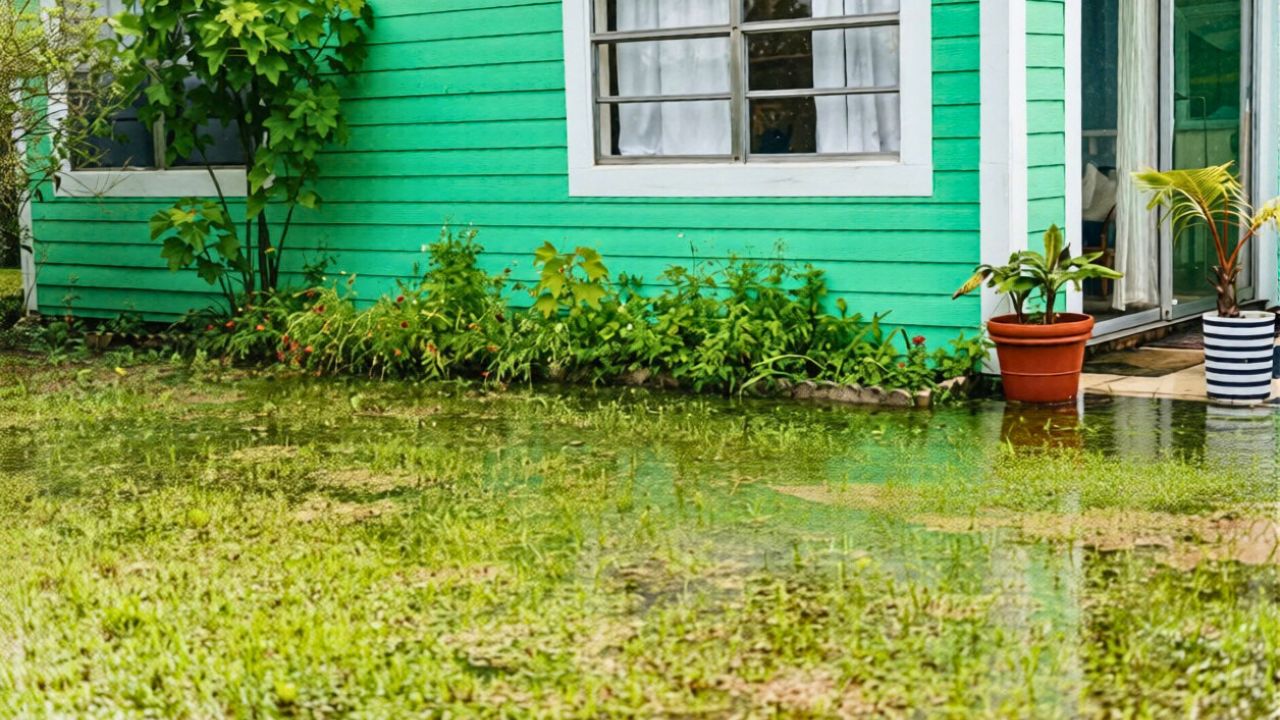
Step outside after rain and if you see water sitting along the foundation, you are getting a clear warning that your landscaping is working against you. Surface water should move away from the house within a short time, not collect in a trench beside the wall or under shrubs that hug the siding. Repeated puddles against the structure usually mean the soil is sloped toward the house, the beds are too high, or decorative borders are trapping runoff where it can seep down next to the footing.
Contractors who specialize in drainage problems describe pooling near the foundation as more than a cosmetic issue, since that standing water can increase hydrostatic pressure on the wall and eventually lead to leaks or bowing. Guidance on pooling around a explains that when water regularly collects at the base of the structure, you usually need some combination of grading correction and drainage improvements. If you see that line of water hugging your house after every storm, you are effectively landscaping too close, because the way your beds and borders are arranged is channeling runoff right where it can do the most harm.
2. How much standing water is “too much” after a storm
You might be tempted to shrug off a little ponding as normal, especially on heavy clay soils, but the threshold for what is acceptable near your foundation is lower than many homeowners assume. In one discussion among homeowners, a commenter named Apr responded to a question about soggy yards by saying that, in any place they had lived, the correct answer for standing water was “about zero, or very little.” That conversation on acceptable pooling captured a basic rule of thumb: if water is still sitting near your house long after the rain stops, you should be concerned.
Persistent puddles close to the wall usually point to deeper drainage issues, such as compacted soil or a negative slope, that can drive water down along the foundation instead of across the yard. Professional waterproofing guidance explains that heavy rainfall that saturates the ground and leaves water pooling around the structure can lead to soil washout and cracks in foundation walls. When you see water lingering against the house after a typical storm rather than a rare downpour, your landscaping layout and grading are not doing their job.
3. Grading mistakes that push water toward your foundation
When your yard tilts the wrong way, every rainstorm becomes a stress test for the foundation. The soil around your home should slope gently away from the walls so gravity carries water out into the yard, not back toward the basement. If you have added thick planting beds, decorative rock, or raised borders right against the house, you may have unintentionally reversed that slope and created a shallow basin that funnels runoff down the wall.
Waterproofing specialists warn that landscaping mistakes such as piling soil or mulch too high or installing edging that traps water can leave your yard improperly graded. A related breakdown of grading errors notes that Your yard is improperly graded if the ground slopes toward the foundation instead of away from it, and that If the soil or mulch is higher than the rest of the yard it can hold moisture against the wall. Advice on lawn care also recommends you Change the grade of your slope so the soil near the house is higher than the rest of the lawn, which helps prevent basement leaks before they start.
4. When mulch and beds sit too tight to the house
Mulch and lush planting beds can hide serious moisture problems when they crowd the foundation. Stack mulch thickly against the wall or keep refreshing old layers without removing what is underneath, and you build a sponge that soaks up stormwater and holds it right next to the structure. When you see mulch floating, washing away from the wall, or forming a dark, soggy band after rain, that is a sign the material is trapping more water than the soil can handle.
Guidance on basement moisture explains that Mulch Problems Can to Basement Water issues because the organic material can form a barrier that stops water from evaporating and encourages it to move downward instead. Waterproofing contractors also warn that you should avoid piling mulch on top of mulch, since thick layers can change the grade and direct water back toward the house. If your beds are built up so high that they cover part of the foundation or siding, you are effectively landscaping too close and giving rainwater a direct route to the wall.
5. Plant roots, shrubs, and trees that crowd the wall
Plants that sit right against the foundation can create both moisture and structural problems after heavy rain. Dense shrubs and groundcovers block sunlight and airflow, which keeps the soil damp longer and slows drying between storms. Tree and shrub roots can also disturb the backfilled soil along the wall, creating channels where water can run down quickly instead of dispersing across the yard.
Specialists who focus on structural stability describe how landscaping choices affect your foundation’s stability when roots dry out or displace soil that supports the footing. Over time, that movement can combine with saturated conditions after storms to cause settling or cracks. When you pack large shrubs, trees, or thirsty plants tight against the house, you increase the risk that their roots and the wet soil around them will undermine the wall instead of protecting it.
6. How your yard’s slope and soil move stormwater
The way your soil is shaped and compacted controls where every drop of rain goes once it hits the ground. If the top few feet around your home are flat or slightly cupped, water from roof runoff and open yard areas will naturally collect there. Over time, repeated saturation can soften the soil that supports the footing and increase lateral pressure on basement walls, especially during long, soaking storms.
Guides to basement protection explain that Soil Slope Influence is a key factor in how water flows around your property and that poor grading can lead to water damage. Another overview of how landscaping affects basement waterproofing notes that inadequate grading and compacted soil can direct water toward the foundation instead of away from it. When you see channels carved into beds after rain or notice that certain low spots stay muddy for days, your yard is telling you that the current slope is pushing water in the wrong direction.
7. Interior warning signs that start outside
Sometimes the clearest proof that you have landscaped too close to the foundation shows up indoors. If you notice damp spots on basement walls after storms, musty smells that intensify when it rains, or efflorescence (white mineral deposits) along the lower part of the wall, outside water is likely finding a path through the structure. Cracks that widen over time or doors that start to stick can also signal that saturated soil is shifting and putting new pressure on the foundation.
Experts who track storm damage describe how How Heavy Spring when extended rainfall combines with poor drainage. That analysis highlights Extended Rainfall and Poor Drainage as a Recipe for Foundation Damage because water that cannot escape builds up around the structure and seeps through weak points. Another guide on Understanding Soil Washout explains that During intense storms, saturated soil can wash away from footings and leave voids that contribute to cracks in foundation walls. If your interior symptoms line up with exterior pooling or soggy beds, your landscaping layout is a likely part of the problem.
8. Fixes you can make in the yard before calling a contractor
You can often correct early warning signs by reshaping the soil and adjusting how close your beds sit to the house. A common starting point is to regrade the first few feet around the foundation so the soil drops at least several inches over the first several feet away from the wall. That change, combined with moving raised beds or heavy edging a bit farther out, can redirect stormwater into the yard instead of letting it hug the structure.
Drainage specialists emphasize that basic yard work, such as reshaping soil and managing mulch, can reduce the risk of basement leaks before you invest in more expensive systems. One guide on Improper Grading explains that the soil around your foundation should slope away from the house and that pooling near the wall often means you need to adjust that slope. Advice on lawn care for wet basements also lists several steps you can take, including reshaping beds, maintaining a positive grade, and keeping organic material from building up too high against the wall, so you can Below are seven lawn care tips to stop basement leaks before they start. If simple grading changes do not stop the pooling, that is the point where you should consider more involved drainage solutions or professional help.
9. When to bring in waterproofing and landscaping professionals
There is a limit to what you can safely correct with a shovel and a weekend of work. If you still see water pooling next to the foundation after you regrade, notice cracks getting larger, or find that your basement leaks during routine storms, you should involve specialists who can diagnose both the structural and drainage sides of the problem. They can evaluate whether your existing landscaping is too close, whether you need French drains or downspout extensions, and whether the foundation itself has been compromised.
Companies that focus on basement protection explain that Key Takeaways from their work include the fact that landscaping can direct water away from a home’s foundation, but that Inadequate grading and poorly planned beds can just as easily channel water toward it. Some contractors who handle both waterproofing and exterior work, such as those reviewed on Discovered service listings, coordinate drainage corrections with planting plans so the two support each other. If your post‑storm inspections keep turning up the same problems, involving professionals early can prevent a cosmetic landscaping issue from turning into a structural repair.
Like Fix It Homestead’s content? Be sure to follow us.
Here’s more from us:
- I made Joanna Gaines’s Friendsgiving casserole and here is what I would keep
- Pump Shotguns That Jam the Moment You Actually Need Them
- The First 5 Things Guests Notice About Your Living Room at Christmas
- What Caliber Works Best for Groundhogs, Armadillos, and Other Digging Pests?
- Rifles worth keeping by the back door on any rural property
*This article was developed with AI-powered tools and has been carefully reviewed by our editors.