The hidden plumbing leak clue most homeowners miss
Photo credit: Cerro photography/istock.com
Water damage rarely begins with a dramatic burst pipe. It usually starts as a quiet signal in the background, easy to overlook when you are busy with everything else. One of the most telling clues is so ordinary that you probably see it every day and never connect it to a leak that can undermine floors, walls, and even your foundation.
By learning how to read that subtle warning sign and pairing it with a few simple checks, you give yourself a real chance to catch plumbing problems before they turn into insurance claims and structural repairs. Once you know what to look for, you can turn a hidden risk into a quick fix.
The subtle clue almost everyone ignores
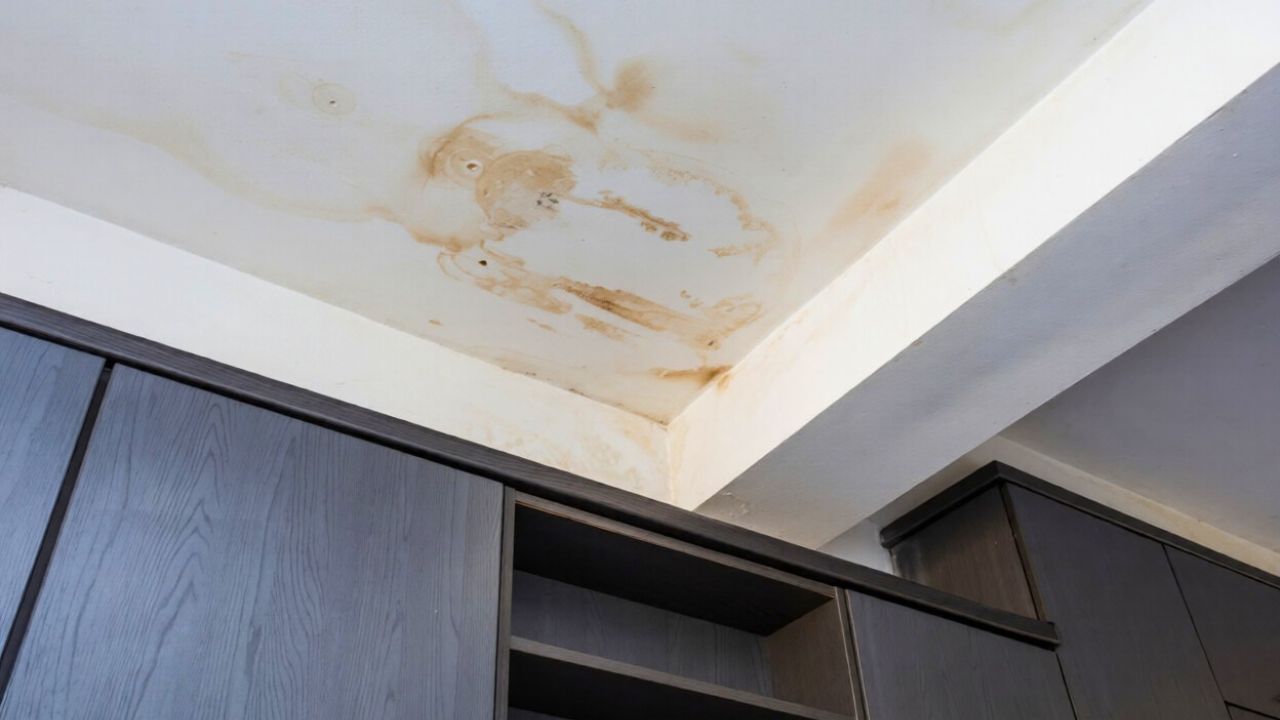
The hidden leak hint most homeowners miss is a small, persistent change in surfaces that should stay dry and stable. You might notice a faint stain on a ceiling, a slightly warped baseboard, or a patch of flooring that feels just a bit different underfoot, then explain it away as age or a past spill. In reality, that tiny visual change is often your first and best alert that water is moving where it should not. Plumbers regularly trace major damage back to a mark that had been visible for months but never taken seriously.
Professionals who specialize in finding hidden plumbing problems describe how leaks inside walls, under floors, or in ceilings quietly distort finishes long before you see standing water. Guidance on spotting hidden plumbing explains that these early surface changes usually appear well before you notice obvious puddles or dripping, which means you have a window to act if you pay attention. When you train yourself to see that subtle clue as a red flag instead of a cosmetic annoyance, you dramatically change the timeline of the entire problem.
Why hidden leaks are so easy to miss
People are wired to react to dramatic problems, not slow ones. A soaked carpet or a spraying pipe demands instant action, while a slightly musty smell or a hairline crack in paint feels like something you can ignore until you have more time. Hidden leaks take advantage of that bias. They often sit behind drywall, underneath tile, or below a concrete slab where you cannot see the pipe itself, so the only evidence is indirect and easy to blame on humidity, pets, or normal wear.
Specialists in leak detection describe how water can travel along framing or insulation for weeks before it finally shows up as a visible mark, which is why hidden leaks often cause harm for weeks or even months before you realize anything is wrong. By the time you notice a clear symptom, the moisture may have already weakened materials or fed mold growth in cavities you cannot easily inspect. That delay is exactly why you need to treat small, recurring anomalies as potential leak signals instead of background noise.
The clue under your feet: warm or spongy flooring
One of the most revealing places to look is the floor you walk on every day. If you feel a warm patch on a tile or concrete floor that never used to be warm, especially when no radiant heating is installed, you may be feeling hot water from a pipe that is leaking under the slab. Guidance on warm spots on explains that this kind of temperature change can be a classic sign of a slab leak tied to pipe corrosion that needs addressing before it erodes your foundation.
Changes in how your flooring feels can be just as revealing. When water saturates subflooring, wood and composite products swell or soften, which can make laminate planks buckle or hardwood boards cup. Advice on hidden plumbing leaks points out that spongy, uneven, or slightly raised areas often appear near kitchens, bathrooms, and laundry rooms where supply and drain lines run below your feet. If your floor feels different in a specific spot for more than a day or two, you should treat it as a leak investigation target, not just a quirk of an older house.
The wall and ceiling signs you walk past
Walls and ceilings offer another version of the same quiet clue. A faint yellow or brown ring on a ceiling, a patch of paint that looks slightly darker, or a line of bubbling along drywall tape are all signs that water has been present more than once. Guidance on water stains or explains that these marks can indicate leaks behind walls or under sinks where joints have started to seep.
You may also see peeling wallpaper, blistering paint, or localized mold growth in corners or along baseboards. Advice on telltale signs of notes that musty odors and these surface defects often show up together, especially in bathrooms, kitchens, or basements. If you find yourself repainting the same area repeatedly or cleaning the same mold spot that keeps returning, you should assume moisture is still getting into that section of wall and start looking for a plumbing source above or behind it.
The bill that tells on your plumbing
Your monthly water bill is one of the most reliable leak detectors you own, even though you probably treat it as a simple expense. When usage jumps without any change in your habits, you are effectively seeing a meter-based alarm that something in your system is running when it should be off. Guides on the unexplained spike in describe this pattern as a primary sign of a hidden leak, especially when you have not filled a pool, watered a new lawn, or hosted extra guests.
Some plumbing checklists group this under common signs of along with stains and damp spots, because the bill gives you an objective number instead of a visual guess. If your statement shows a steady climb over several months, you should compare the usage history and then perform a simple test by turning off all fixtures and checking whether the meter still moves. If it does, the extra water is going somewhere inside or under your property, and you need to track down the source before it turns into structural damage.
The nose knows: musty and moldy smells
Your sense of smell often notices water problems before your eyes do. A persistent musty odor in a bathroom, kitchen, closet, or basement suggests that moisture is lingering long enough to support mold and mildew. Guidance that groups musty or moldy with other leak indicators explains that these odors tend to concentrate near hidden dampness, even when surfaces look dry at first glance.
When you pair that smell with even a small visual clue, such as a darkened patch of grout or a line of mildew at the base of a wall, you should assume water is getting into building materials. Advice on musty signs highlights that bathrooms, kitchens, and basements are especially vulnerable because they combine plumbing lines with limited ventilation. If a room smells like a damp basement even after you clean and air it out, it is time to start checking supply lines, drain traps, and nearby walls for hidden moisture.
The toilet and fixture checks you should run monthly
Toilets and other fixtures are another place where you can pick up on quiet leak clues long before you see water on the floor. Since toilets are responsible for about 30 percent of total household water usage, even a slow, silent leak at the flapper or fill valve can waste a large volume of water without any obvious sound. A simple dye test in the tank lets you see whether colored water seeps into the bowl when the toilet is not flushed, which confirms a hidden loss.
The same mindset applies to faucets, shower valves, and under-sink connections. Guidance that walks you through ways to find recommends looking out for discoloration, mold, or warping around cabinets and fixtures, since these surface changes reveal that small drips have been landing in the same spot repeatedly. A quick monthly inspection with a flashlight can catch those early signs before they turn into rotten cabinetry or damaged subfloors.
Using your meter and insurance rules to your advantage
Your water meter is more than a billing tool; it is a precise instrument that can help you confirm a suspected leak. Utility guides on reading your water explain how to shut off all fixtures, then watch the leak indicator or dial to see whether water is still flowing. If the meter moves when every tap and appliance is off, you know you have a hidden demand somewhere in the system, which narrows your search and justifies calling a professional if you cannot find the source yourself.
It also pays to understand how your insurance carrier distinguishes between different types of water damage. Guidance on water damage versus explains that water damage typically involves a sudden, accidental event within your plumbing system, while flood damage involves rising water from outside that you could not prevent. That distinction matters because catching and fixing a leak quickly can keep the situation within the category your policy is more likely to cover. When you respond to subtle clues early, you reduce both the physical damage and the risk of a denied claim.
Turning subtle clues into a simple leak routine
Once you recognize that your floors, walls, ceilings, nose, bills, and meter are all quiet leak detectors, you can turn them into a simple routine. A practical checklist that focuses on spotting the warning suggests walking your home periodically to look for stains, warping, and musty smells, then following up with meter checks and fixture tests. By scheduling that walk-through the same day each month, you turn leak hunting into a habit instead of a reaction.
You can also time your inspections with public awareness efforts such as Fix a Leak, which encourages property owners to track down and repair water waste. When you combine that mindset with professional guidance on how to detect, you give yourself a practical framework for spotting problems early. The small clue you used to ignore becomes a prompt to investigate, document, and, when needed, bring in a licensed plumber before a minor seep turns into structural damage.
Like Fix It Homestead’s content? Be sure to follow us.
Here’s more from us:
- I made Joanna Gaines’s Friendsgiving casserole and here is what I would keep
- Pump Shotguns That Jam the Moment You Actually Need Them
- The First 5 Things Guests Notice About Your Living Room at Christmas
- What Caliber Works Best for Groundhogs, Armadillos, and Other Digging Pests?
- Rifles worth keeping by the back door on any rural property
*This article was developed with AI-powered tools and has been carefully reviewed by our editors.