The HVAC return vent mistake that makes rooms feel stuffy
Photo credit: Lost_in_the_Midwest/Shutterstock.com
Rooms that feel stuffy, stale, or hard to cool often lead you to blame the thermostat, the age of the equipment, or even the weather. In a surprising number of homes, though, the real culprit is a quiet design flaw in how your HVAC system pulls air back to the unit. When your return vents cannot breathe, every room starts to feel off, no matter how low you set the temperature.
The core mistake is simple: your system cannot supply air effectively if it cannot reclaim it just as easily. Once you understand how return vents work, you can see whether your layout, furniture, or habits are suffocating your system and making your home feel heavy and uncomfortable.
How your return vents actually keep rooms from feeling suffocating
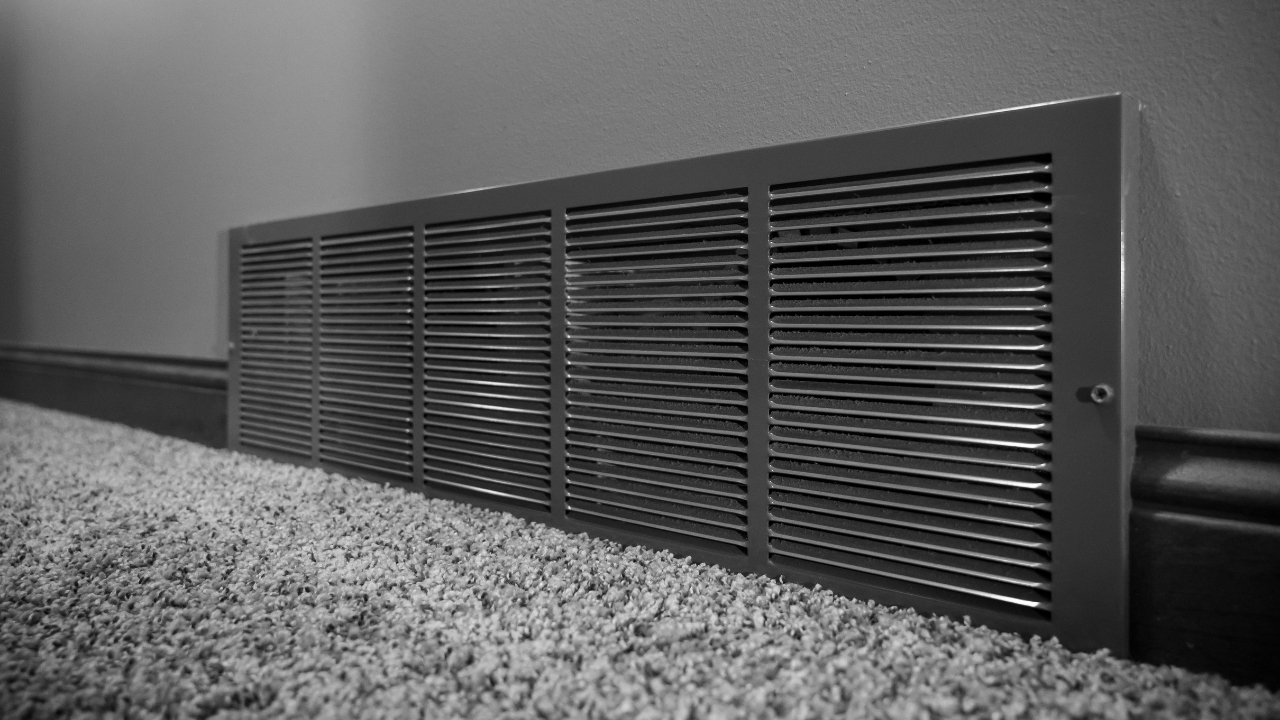
You experience comfort when your HVAC system can move air in a smooth loop, from supply vents into the room and back through the return. A return vent is not just a hole in the wall; it is the opening that connects to ductwork and pulls air back into the system so the blower can recirculate it. When that loop is balanced, your rooms hold a steady temperature, humidity stays in check, and you do not feel that dense, “used” air building up around you.
With that loop in mind, a lot of everyday complaints start to make sense. If the return cannot pull enough air, the blower struggles, the system runs longer, and you feel weak airflow at the supply grilles. Guides on return air vent explain that this single component affects everything from noise levels to how evenly each room heats or cools. When you think of the return as the lungs of the system rather than a cosmetic grille, the stakes of keeping it clear become obvious.
The hidden mistake: starving your system of return air
The big mistake that makes rooms feel stuffy is not just one blocked grille; it is starving the entire system of return air. You do this every time you push a sofa against the only return in a room, stack storage boxes in front of a hallway grille, or shut solid bedroom doors when there is only a single central return in the hallway. The system keeps forcing supply air into those spaces, but without an easy path back, pressure builds and the air stagnates.
Professionals who troubleshoot HVAC return air point out that temperature variations between rooms, lingering odors, and even mold growth often trace back to this kind of suffocation. When you hear advice that your system is “short on return,” it usually means your ducts and grilles cannot carry away as much air as your supply vents are pushing in. Until you fix that imbalance, you will keep chasing comfort issues with filters, gadgets, and thermostat tweaks that never quite work.
How to recognize when your return vents are the problem
You can often tell your returns are struggling long before you call a technician, simply by paying attention to how your home behaves. If one bedroom always feels warmer or colder than the others, even when the door has been open for hours, you are likely dealing with a circulation problem rather than a bad thermostat. Doors that slam or “ghost close” on their own while the system runs are another sign that the blower is creating pressure differences because air cannot get back to the return side easily.
Inspectors who focus on HVAC return air warn that rooms with poor return paths often have musty odors, condensation on windows, or dust streaks around supply grilles where air is being pulled in through gaps instead of moving cleanly through the ducts. You may also hear more noise from the system as it strains against restricted airflow. When your system is “trying to tell you something” with these symptoms, it is usually asking for more or better return air, not just another filter change.
Why one big central return is not always your friend
If your home was built with a single large return grille in a hallway or living room, you might assume that bigger means better. In practice, one oversized central return often leaves bedrooms and closed-off spaces feeling stuffy because the air in those rooms has no easy way back to the main grille. Once you close bedroom doors for privacy or to keep noise down, you trap supply air in those rooms and starve the central return, which is sitting out in the hallway waiting for air that never arrives.
Technicians who diagnose problem with a often find that homeowners either have to leave doors cracked open or add transfer grilles, jump ducts, or additional returns to restore balance. If you never close your bedroom doors, you may get away with a central return, but most households do not live that way. When you rely on a single giant grille, you put your comfort at the mercy of how people use doors, which is why so many homes with this layout feel fine in common areas and oppressive in the rooms where you actually sleep.
Placement mistakes that trap heat, cold, and odors
Even when you have enough total return area, poor placement can make rooms feel heavy and uneven. If returns are clustered in one part of the house or installed only on one floor, you end up with pockets of air that barely move. You might notice that upstairs bedrooms stay hot long after the system shuts off, or that a basement family room never quite loses its damp smell, because the return vents are simply not positioned to pull that air back through the system.
Specialists who study how return air placement emphasize that you need a clear path from each room back to the air handler. That can mean returns high on the wall in cooling-dominated climates to capture warm air, or lower returns in heating-focused homes to pick up cooler air near the floor. When returns are positioned thoughtfully relative to supply vents, you get a gentle sweeping motion that refreshes the entire room instead of a short loop that only conditions the air near the ceiling or a single wall.
Why blocking or closing vents backfires on comfort and equipment
If a room feels drafty or unused, you might be tempted to close the supply register or slide a bookshelf over a return grille. That quick fix almost always backfires. When you block vents, you increase static pressure in the duct system, which forces the blower motor to work harder and can push air through leaks in the ductwork instead of through the intended grilles. You feel less consistent airflow, and your equipment faces more wear every time it starts.
Guides that explain dangers of blocking describe how this habit raises energy bills, increases noise, and can even lead to coil icing or furnace overheating. Another common mistake list singles out blocking the return as a direct path to poor comfort and dust buildup. When you keep both supply and return vents free and open, you give your system the low-resistance pathway it was designed to use, which is the simplest way to keep rooms feeling fresher.
Does every room really need its own return vent?
You might wonder whether you need a dedicated return grille in every single room to avoid stuffiness. The answer depends on how your home is laid out and how you use doors. A return vent is an opening connected to ductwork that pulls air back into the HVAC system, and if you do not have one in a room, you still need some other path for that air to escape, such as an undercut door, a transfer grille, or a jump duct into a hallway.
Contractors who explain what a return stress that if return vents are blocked or missing, your furnace or air conditioner has to fight against higher resistance to move air. That extra strain shows up as longer run times, uneven temperatures, and sometimes short cycling. You do not necessarily need a grille in every room, but you do need a design that lets air flow freely back toward the unit even when doors are closed, or you will keep living with that stuffy, shut-in feeling.
How poor return airflow shows up as weak cooling and hot spots
When your return side is restricted, the symptom you feel most is weak, uneven airflow from the supply vents. The blower cannot push as much conditioned air into the ducts because it is not getting enough air back, so rooms at the far end of the system feel starved. You may also notice that the system runs longer, yet the thermostat seems slow to respond, which tempts you to keep lowering the setpoint in search of relief.
Technicians who coach homeowners through weak AC airflow problems often trace them back to clogged filters, blocked returns, or undersized return ducts that cannot keep up with the supply side. Another analysis of airflow issues and links poor circulation to higher energy bills and extra wear on equipment. When you fix return restrictions, you often see hot and cold spots shrink, airflow strengthen, and run times drop without changing the equipment at all.
Simple tests and fixes you can use before calling a pro
You do not need specialized tools to get a first read on whether return airflow is your problem. With the system running, hold a tissue or a thin strip of toilet paper up to each return grille and see if it is pulled firmly against the opening. If the tissue hangs limp or barely moves, that vent is not drawing much air. Another quick check is to stand in a closed bedroom with the system on and crack the door slightly; if it feels like the door is being pushed or pulled by air pressure, that room probably lacks a good return path.
Some technicians demonstrate this concept in short videos where they check the pressure of a room by holding a meter near the door while the AC is blowing into the space. In one example shared in a Jul walkthrough, the supply is adding air faster than it can escape, which spikes the room pressure and cuts off effective airflow. Once you confirm that returns are weak or rooms are pressurized, you can start with simple fixes: move furniture away from grilles, clean dusty returns, leave doors slightly open, or add inexpensive transfer grilles. For more structural changes, such as adding new return ducts or resizing existing ones, you will want a qualified contractor who understands how to balance supply and return air.
Designing better return paths for long term comfort
If you are renovating or planning improvements, you have an opportunity to fix return issues in a more permanent way. A well-designed system treats supply and return as a matched pair, with enough grille area and duct capacity on the return side to handle the airflow the blower can deliver. That usually means multiple returns spread across the home, especially near high load areas like upstairs bedrooms, large south facing rooms, or open concept living spaces.
Guides on supply and return recommend thinking about how air will move from each supply vent across the room toward a return, instead of letting air short cycle between two nearby grilles. When you combine that planning with regular maintenance, such as filter changes and the basic checks suggested in federal efficiency advice, you give your system the best chance to keep every room feeling light and breathable. By treating return vents as essential infrastructure rather than background décor, you turn a common comfort complaint into a solvable design problem.
Like Fix It Homestead’s content? Be sure to follow us.
Here’s more from us:
- I made Joanna Gaines’s Friendsgiving casserole and here is what I would keep
- Pump Shotguns That Jam the Moment You Actually Need Them
- The First 5 Things Guests Notice About Your Living Room at Christmas
- What Caliber Works Best for Groundhogs, Armadillos, and Other Digging Pests?
- Rifles worth keeping by the back door on any rural property
*This article was developed with AI-powered tools and has been carefully reviewed by our editors.