7 houses that buyers think will be “a money pit”
Photo credit: Jasmine Sahin/Shutterstock.com
You feel the pressure to get a good deal, but in a market where affordability is tight and long term ownership costs matter more than ever, the wrong house can quietly drain your savings for years. Buyers increasingly talk about “money pits” as properties that look fine in photos yet hide structural, health, or maintenance problems that never stop generating bills. By learning to recognize the patterns, you can walk away before you inherit someone else’s very expensive mistakes.
The homes that scare savvy buyers tend to share the same traits: costly hidden defects, outdated systems, or locations that make future resale difficult. Rather than focusing only on granite counters or staging, you protect yourself by spotting seven specific types of houses that are most likely to turn into a financial sinkhole.
1. Houses with obvious Foundation red flags
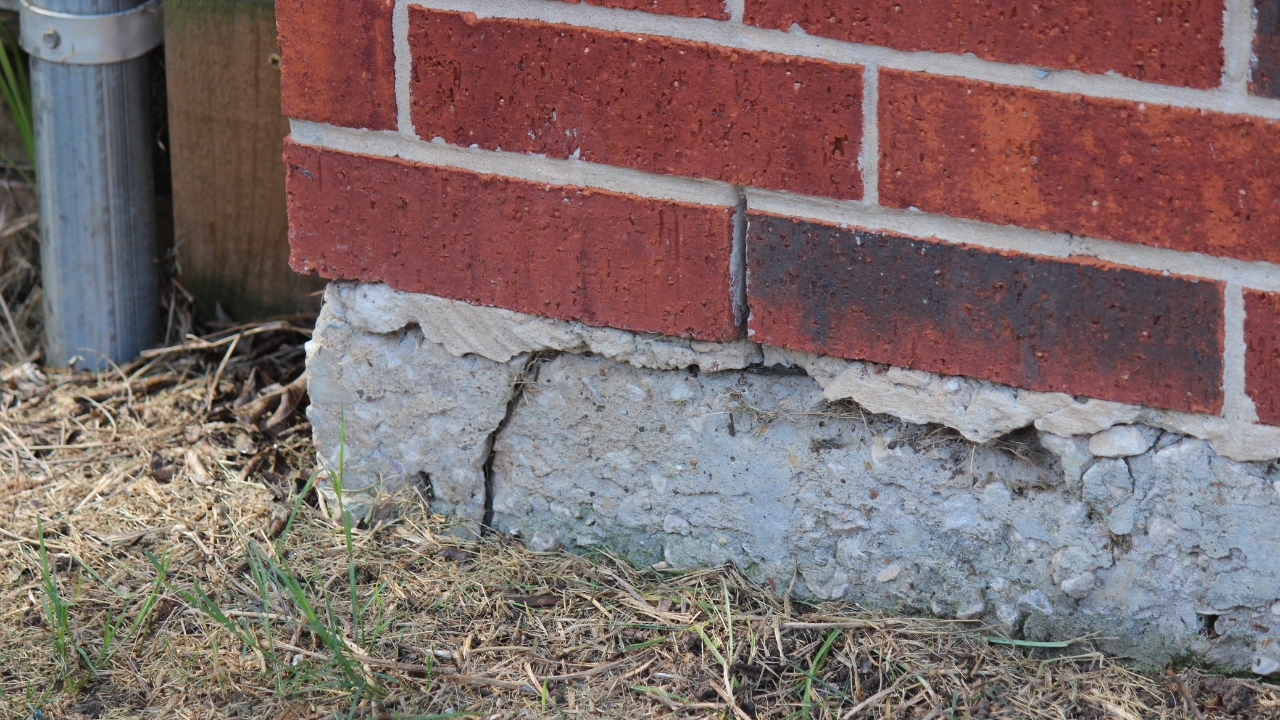
When buyers talk about a true money pit, they usually start with the same problem: a bad Foundation. If the structure is moving, everything built on top of it is at risk, from cracked walls to jammed doors and sloping floors. Inspectors consistently rank Foundation cracks, poor drainage, and structural shifts among the top reasons homes fail inspection, and repair bills can easily run into tens of thousands of dollars.
Some of the most experienced agents and inspectors will tell you that serious Foundation issues are the one problem that should make you think hard about walking away. Guidance aimed at buyers warns that Foundation issues are to fix and can throw the entire home out of alignment, which means you are not just paying for concrete work but also for repairs to framing, finishes, and mechanical systems that get damaged as the building shifts. When you see wide stair step cracks in masonry, windows that will not stay closed, or floors that feel like a funhouse, you are not being picky if you move on; you are protecting your future budget.
2. Homes with Water, Mold and hidden health hazards
The second type of house that buyers quietly avoid is the one with a history of Water intrusion. Stained ceilings, peeling paint near windows, and musty basements are not just cosmetic problems; they are clues that moisture is getting where it should not. Seasoned investors flag chronic leaks, broken plumbing, and past flooding as classic signs of a Location undesirable or a property that has been neglected long enough for Water to cause real damage. Once moisture gets into insulation, framing, or subfloors, you can end up replacing entire rooms rather than just patching drywall.
Persistent dampness also sets the stage for Mold, which is one of the most expensive and stressful problems you can inherit. Guidance for homeowners warns that Mold is not only unsightly, it can create significant health risks and may signal deeper structural issues inside walls and ceilings. When you see extensive Mold growth, you are not just paying for cleaning, you are paying for testing, remediation, and repair of the conditions that allowed it to grow. One consumer guide on money pit properties singles out Mold as a red flag that can quickly turn a seemingly affordable house into a financial crisis, especially if it is combined with older materials that may also contain Radon or other contaminants.
3. Outdated infrastructure and heavy Deferred Maintenance
A third category that makes buyers nervous is the house where everything feels tired at once. You might see an aging roof, patched siding, and a furnace that looks older than your first car. Guides for buyers describe how Outdated wiring, Old plumbing and worn out HVAC systems are classic signs of a property that will be High maintenance, because once one piece fails, the rest often follow. Walking into a home with knob and tube wiring, galvanized pipes, and single pane windows means you are effectively volunteering to modernize the entire building, often on a tight timeline.
Professionals describe this pattern as Deferred Maintenance, the backlog of repairs an owner has put off for years. One buyer focused explainer defines Deferred Maintenance as necessary upkeep that has been postponed due to cost or neglect, and warns that it tends to cluster: if the exterior paint is failing, the gutters are clogged and the deck is rotting, you should assume the same approach has been taken with less visible systems. In a market where buyers want a turnkey home that is truly move in ready, that kind of backlog can make a property almost unsellable unless the price drops enough to cover a full round of upgrades.
4. Layouts and features buyers no longer want to pay for
Not every money pit is falling apart. Some homes are structurally sound but saddled with layouts and features that modern buyers simply do not want, which can quietly erode your resale value. Recent trend reports describe how Affordability pressures are changing expectations, with buyers prioritizing flexible spaces, smart furniture layouts, and practical storage over status features that looked impressive twenty years ago. Large Formal Dining rooms, oversized two story foyers, and specialized hobby spaces that cannot easily be repurposed are now seen as wasted square footage that still costs money to heat, cool, and maintain.
Agents are already seeing buyers walk away from features that used to be selling points. One survey of buyer behavior describes how Formal Dining rooms are gathering dust instead of dinner guests, while other reports list Oversized Two and Story Foyers as elements Americans now avoid when buying houses in 2026. Combined with guidance that buyers want a turnkey, move ready home with flexible rooms that can double as a guest room or craft room, it is clear why paying extra for a layout that fights daily life starts to look like a long term liability.
5. “Project” houses in markets where buyers expect move in ready
The fifth type of home that increasingly looks like a money pit is the big project house in a market that now rewards finished properties. Analysts looking ahead to 2026 expect Move and Ready Homes Will Outperform Renovation Projects, because buyers have less appetite for risk and fewer spare funds after scraping together down payments. Buying a property that needs a new kitchen, baths, and major systems in a neighborhood where most listings are already updated means you are effectively swimming against the current of local demand.
Market specific reporting also highlights how location choices can magnify that risk. One real estate agent who advises clients on where to buy notes that some cities, including Nashville, have better capabilities to build more housing than other big cities, but still face tariffs and labor shortages that make renovation projects more expensive and unpredictable. When construction costs are high and trades are booked out for months, you may not be able to complete upgrades on the schedule you planned, which increases carrying costs and stretches your budget. In that environment, a cosmetic fixer that once looked like an opportunity can quickly become a slow motion drain on your finances.
Like Fix It Homestead’s content? Be sure to follow us.
Here’s more from us:
- I made Joanna Gaines’s Friendsgiving casserole and here is what I would keep
- Pump Shotguns That Jam the Moment You Actually Need Them
- The First 5 Things Guests Notice About Your Living Room at Christmas
- What Caliber Works Best for Groundhogs, Armadillos, and Other Digging Pests?
- Rifles worth keeping by the back door on any rural property
*This article was developed with AI-powered tools and has been carefully reviewed by our editors.