HGTV’s “quick curb appeal” trick can backfire on real houses
Photo credit: Artazum/Shutterstock.com
You see it all the time on HGTV: a tired exterior gets a weekend “glow-up” with trendy paint, a few planters, and a new light fixture, and buyers supposedly line up by Monday. On camera, that fast curb appeal fix looks effortless and profitable. On your own street, though, the same shortcuts can leave you with repair bills, appraisal headaches, or a home that quietly turns buyers off instead of drawing them in.
Treat television makeovers as a how-to manual and you risk copying visual tricks that work for ratings but not for long-term ownership. Look more closely at what real estate agents, appraisers, and exterior designers say and a clear pattern emerges: the quickest, flashiest changes are often the ones that age the worst, cost you value, or even create maintenance problems you cannot see from a glossy “after” shot.
Why TV curb appeal is built for cameras, not contracts
On HGTV, you watch entire exteriors transform in a single episode, so you are primed to believe that a fast paint job or a bold front door color is a smart shortcut. In reality, those projects are engineered around filming schedules and dramatic reveals, not around how a house will look and function five or ten years from now. Crews are incentivized to chase what pops on screen, which often means high-contrast palettes, sharp geometric landscaping, and eye-catching accents that read clearly in a wide shot but can feel jarring when you pull into the driveway every day.
When you sell, your buyer is not comparing your house to a before photo, the way viewers do. That buyer is comparing your exterior to other listings and to what local appraisers consider typical for the neighborhood. Property tax professionals who work with appeals in specific markets, such as the analysts behind Lake County assessments, focus on how your home fits into its surrounding housing stock, not how well it would photograph on a renovation show. Copy television styling that ignores local norms and you may stand out in all the wrong ways, which can drag on both perceived value and formal valuations.
The painted brick trend that looks chic on screen but risky in person
Few TV trends have spread faster than painted brick. As the HGTV show As the HGTV show “Fixer Upper” regularly illustrates, classic-brick shades of browns, reds and oranges are being painted over with opaque white or gray to give homes a more contemporary look. On television, that shift reads as instant modernization. On your own house, it can lock you into a costly maintenance cycle and remove a material that many buyers still see as an asset.
Exterior pros now caution you to think twice before following that script. In a rundown of curb appeal choices that hurt value, designers list Painted Brick as a trend to skip, in part because once you coat masonry you cannot easily go back to the original texture or color. Paint can trap moisture, highlight hairline cracks, and peel in high-traffic areas, which means you are signing up for regular touch-ups and, eventually, a full repaint. What looked like a quick HGTV-style refresh can become a recurring line item in your home budget, and some buyers will quietly favor the unpainted brick down the block that promises less upkeep.
Front door drama: when bold color crosses the line
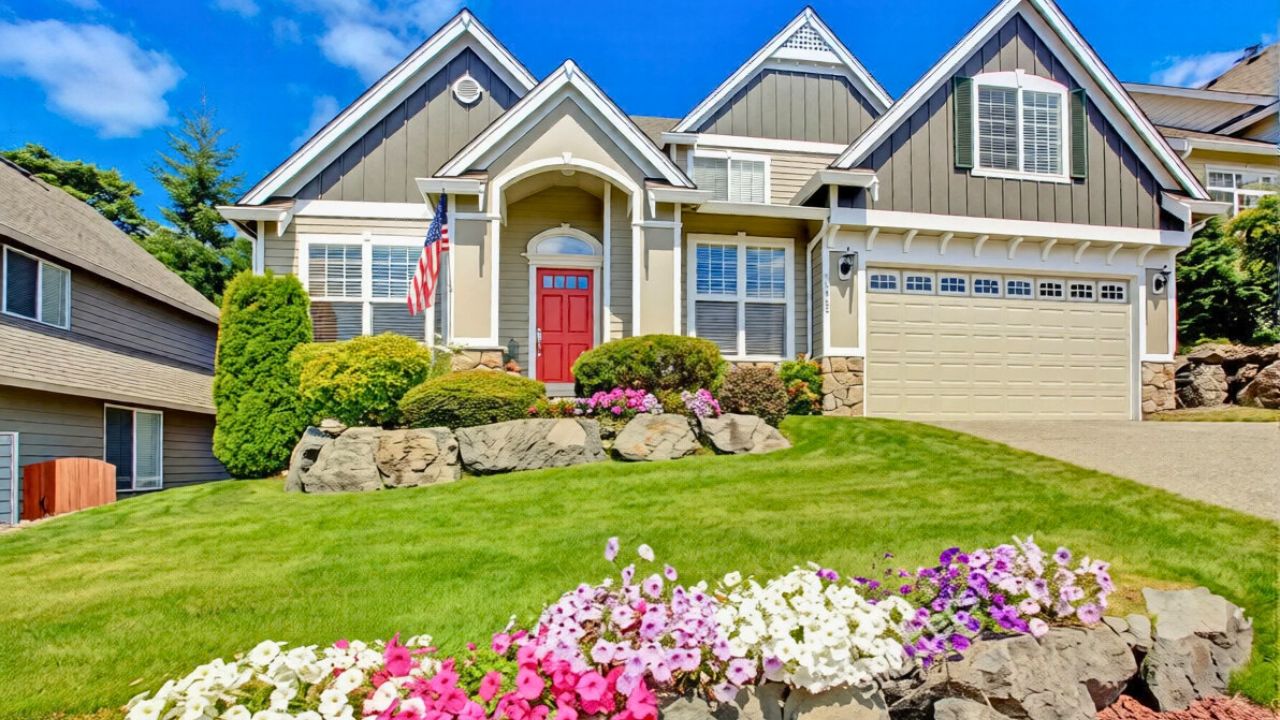
Television designers love a front door that acts like an exclamation point, and a strong color can genuinely help your entry read as intentional. The problem comes when you treat the door as a billboard for your personality instead of a subtle focal point for buyers. Real estate agents who specialize in staging warn that extremely saturated hues, especially when they clash with the rest of the exterior, can send the wrong message about what waits inside.
Color research tied to selling backs that up. Analysts who track real estate trends note that you generally do better with classic, moderately deep colors that frame the entrance rather than shout over it. Exterior paint specialists also flag specific shades that buyers dislike, such as Avoid Bright Sunshine for large exterior areas, because it can feel harsh and is prone to fading under UV exposure. On a front door, that kind of overly vivid color can look dated quickly and may signal to buyers that you favor bold, idiosyncratic choices throughout the house, which can translate into “more repainting work” in their minds.
Exterior color palettes that quietly scare buyers away
Watch enough HGTV and you start to believe that any striking color choice is better than a “boring” neutral. In practice, the opposite is often true when you want top dollar. Stagers and listing agents consistently report that strong, unusual colors limit your buyer pool. They are not just talking about walls inside the house. Exterior palettes that feel too dark, too bright, or too unusual for the neighborhood can make online listing photos stand out in search results for the wrong reasons.
Professionals who coach sellers on color strategy explain that bold hues can signal more than just taste. In a breakdown of the worst colors to use when you plan to sell, they describe how intense or highly personalized shades suggest future work and cost to buyers. A related analysis of What Bold Paint to Buyers notes that according to home staging experts, very dark or electric colors can feel heavy, gloomy, or simply too intense for potential buyers. Stack that against the HGTV habit of pushing high-contrast exteriors for visual drama, and it is easy to see how copying the look without considering your market can quietly depress your offers.
Curb appeal “shortcuts” that actually lower value
Television renovations often rely on a handful of repeatable moves: slap on fresh paint, add shutters, line the walkway with plants, and call it a transformation. In the real world, some of those go-to tricks are now red flags. Exterior experts have started to catalog curb appeal updates that hurt more than they help, especially when they are done quickly or without a plan. One widely shared list of trends to skip calls out poorly placed trees and shrubs that crowd windows or walkways, because they can create maintenance headaches, block natural light, and even raise security concerns.
Video guides that walk you through curb appeal mistakes echo the same themes. They warn that quick fixes like sticking oversized planters on a tiny porch, installing overly bright exterior lighting, or adding decorative elements that do not match the home’s architecture can send a confusing message to buyers. Instead of seeing a cohesive property, visitors see separate, competing ideas that hint at rushed decisions. Layer that on top of the wrong paint color or an overdone front door, and the net effect can be a lower perceived value, even if you have technically “improved” the exterior.
How TV timelines clash with real maintenance
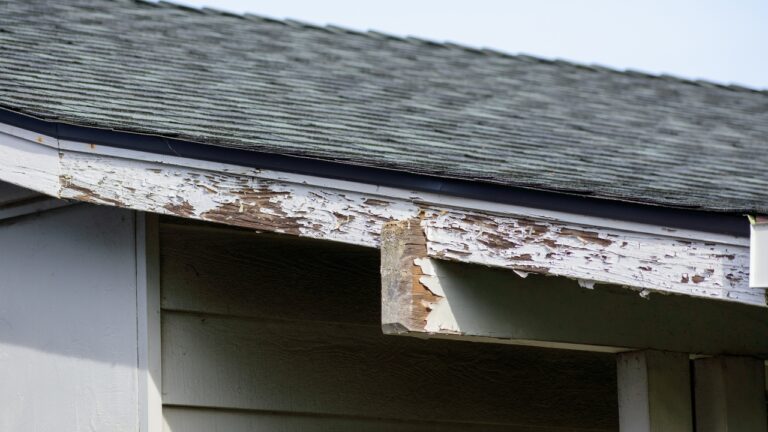
On HGTV, you rarely hear about primer types, curing times, or the difference between budget and premium exterior products. You see a crew spray a house and then cut straight to the reveal. In your climate, those skipped steps matter. If you rush your own project to mimic that speed, you risk peeling paint, warped trim, or moisture problems that show up long after the Instagram photos are posted. Exterior specialists who teach you how to paint an exterior door, for example, stress surface prep, appropriate drying windows, and the right kind of paint for sun exposure, all details that rarely make it into a quick TV montage.
Maintenance also continues after the reveal, which television almost never shows. Fresh mulch fades, shrubs grow, and trendy hardscape can heave or crack with freeze-thaw cycles. Guides that focus on selling your home tend to favor simple, durable improvements such as cleaning, minor repairs, and restrained landscaping over big structural changes. Prioritizing projects that hold up over several seasons instead of those that only need to look good for a single shoot day helps protect both your budget and your eventual sale price.
When digital inspiration pushes you toward bad choices
HGTV does not exist in a vacuum. Its reveals are clipped, pinned, and shared across social platforms, which means you are often seeing the same aesthetic on Pinterest boards, Instagram Reels, and mood boards created by friends. Tools that let you pin and share images reward designs that are instantly recognizable in a small thumbnail, so high-contrast exteriors and extreme before-and-after changes rise to the top. That can skew your sense of what buyers actually want, because you are consuming a highlight reel of the most dramatic choices, not a survey of what sells.
At the same time, design brands and magazines feed those platforms with curated content. You might follow accounts such as BHG boards and forget that many of the images are meant to inspire, not to be copied detail for detail in every market. Subscription offers that promote print issues and books, such as Better Homes & or related books, are built around the same aspirational visuals. If you are not careful, you can end up chasing saves and likes instead of tailoring your exterior to the actual buyers who drive past your house.
Smarter curb appeal upgrades that still feel HGTV-level
You do not have to reject television inspiration entirely. Instead, you can borrow the parts that translate well to real life and leave the rest on the cutting room floor. Data-driven guides to top curb appeal emphasize projects that consistently deliver a return: cleaning and repairing the driveway, updating house numbers and hardware, refreshing basic landscaping, and choosing exterior colors that complement the neighborhood. These changes may not generate as dramatic a before-and-after montage, but they read as “well cared for” to buyers and appraisers.
When you want HGTV-style polish without the risk, focus on proportion, balance, and condition rather than novelty. That might mean trimming back shrubs that block your windows instead of planting new ones, power washing the siding instead of painting it a trendy color, or replacing a dated light fixture with a simple, well-scaled model. Practical guides that walk you through low-cost improvements also remind you that small interior touches, such as decluttering and neutralizing key rooms, can amplify the effect of exterior work. You still get the psychological boost of a makeover, just without gambling your resale value on a fad.
How to reality-check any HGTV idea before you pick up a brush
Before you act on a curb appeal idea you saw on television, you can run it through a quick filter. Start by asking how the choice will read to a stranger who does not share your taste. Color trend reports that track colors for selling in a given year give you a sense of which palettes feel current yet broadly appealing. If your plan involves a shade that professionals flag as polarizing, such as very dark exteriors or neon accents, you might scale it back to a more muted version or confine it to easily changed accessories.
You can also cross-check your idea against expert lists of mistakes and missed opportunities. Overviews of curb appeal trends and video breakdowns of mistakes that lower give you a practical sense of what professionals see on the ground. If your favorite HGTV moment involves painting over original materials, adding high-maintenance landscaping, or using a color that stagers associate with buyer pushback, you can adapt the idea instead of copying it wholesale. Treat television as a starting point and let real-world data, local norms, and professional guidance shape the final decision, and you get an exterior that looks good on camera and holds up when it is time to sign a contract.
Like Fix It Homestead’s content? Be sure to follow us.
Here’s more from us:
- I made Joanna Gaines’s Friendsgiving casserole and here is what I would keep
- Pump Shotguns That Jam the Moment You Actually Need Them
- The First 5 Things Guests Notice About Your Living Room at Christmas
- What Caliber Works Best for Groundhogs, Armadillos, and Other Digging Pests?
- Rifles worth keeping by the back door on any rural property
*This article was developed with AI-powered tools and has been carefully reviewed by our editors.