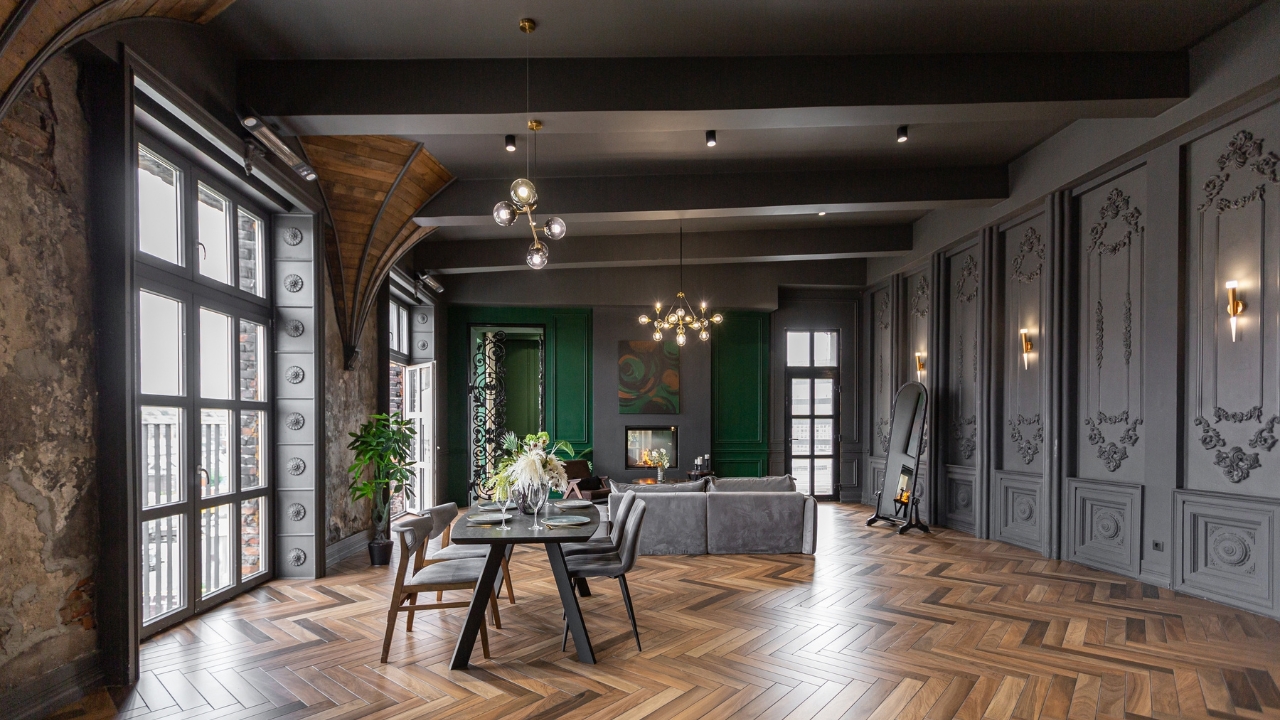
10 houses that feel smaller than the square footage says
Photo credit: Pinkystock/Shutterstock.com
Square footage can look reassuring on a listing sheet, but it often says less about livability than you might expect. You can walk into a 2,200‑square‑foot house that feels tighter than a 1,400‑square‑foot bungalow simply because of how the space is carved up and furnished. Once you understand why some homes feel smaller than the tape measure suggests, you can spot problems early and avoid buying, building, or decorating your way into a cramped daily life.
The most misleading homes tend to share the same patterns: awkward floor plans, overstuffed rooms, poor light, and circulation that chews up usable area. By looking at ten common “big‑but‑small” house types, you give yourself a checklist for showings and renovations and a clearer sense of how to make your own place feel as generous as its numbers.
1. The chopped‑up traditional with a maze of rooms
You probably know this house the moment you step inside: a central hallway, a formal living room you rarely use, a dining room that sits empty, and a family room squeezed at the back. On paper, the square footage looks generous, yet your everyday life ends up confined to a fraction of it. Poorly arranged circulation can eat into that footprint so much that, as one analysis of floor plans puts it, Poorly designed floor make even large homes feel tight.
Walk a layout like this and you feel the waste in every narrow hall and redundant doorway. Instead of one flexible living space, you get three or four undersized ones that cannot comfortably hold your furniture or your guests. If you are buying in a planned community, you can often compare similar models side by side, since developers encourage you to see homes of a before choosing. Use that chance to notice which versions trade square footage for better flow instead of more doors.
2. The narrow “shotgun” and skinny spite houses
Long, skinny houses can surprise you with how constrained they feel, even when the total area is respectable. In historic districts you see extreme versions, such as Boston curiosities and other slender townhouses that stretch over several floors yet are barely wider than a hallway. One famous example is The Skinny House in Boston, Massachusetts, which has been described as the narrowest home in America and forces every room into a single‑file arrangement.
You see a similar dynamic in Old Town Alexandria, where a tiny townhouse known as the Hollensbury Spite House in Old To Alexandria is just 7 feet wide. Another Alexandria landmark, often called the Spite House, was built with what one account describes as spiteful intentions and has become part of Nearly two centuries of local history. These homes prove that when width shrinks, circulation and furniture placement become a puzzle, and a decent total square footage can still feel like a corridor.
3. The over‑furnished “big but cramped” family home
Even a well‑proportioned house can feel undersized once you fill it with the wrong things. You might move from a smaller place, keep every sofa and dresser, and suddenly discover that your new living room feels smaller than your old one. Owners who are Downsizing from a often describe this shock, even when the new home is only a bit smaller on paper, because their existing furniture was bought for much bigger rooms.
Design experts warn that Oversized furniture and too many decorative objects can make even large rooms feel cramped and uncomfortable. When every wall is lined with bookcases, every surface is stacked with trinkets, and every corner holds a chair, you shrink your usable floor area without moving a single wall. To make your square footage feel honest, you need negative space as deliberately as you need seating.
4. The dark, low‑contrast interior that swallows space
Light and color can change your perception of size as much as an extra hundred square feet. Deep wall colors, heavy fabrics, and low ceilings visually push inward, so your eye reads the room as smaller than it is. One guide to small‑space interiors notes that Well‑planned interior design can make a compact house feel airy and organized, while the wrong choices make it feel cramped and cluttered.
Window treatments and low‑slung furniture also matter. Advice on cramped homes points out that Dark curtains and low‑profile pieces reduce visual height and block natural light, which exaggerates any layout flaws. If you walk into a listing and feel like the ceilings are closing in, look first at the paint, the drapes, and the bulk of the furniture before blaming the floor plan alone.
5. The “square footage is just a number” remodel
Renovated homes often advertise impressive totals while hiding awkward leftover spaces. You might see a large primary suite with a huge bathroom and closet, then realize the secondary bedrooms are barely functional. Designers who work in small homes stress that you feel size less in raw numbers and more in how you move, which is why According to The, simple changes in layout, storage, and sightlines can transform how spacious your home feels without touching the footprint.
The opposite effect shows up in some tiny houses that feel surprisingly generous. One collection of compact projects highlights 60 Incredible Tiny Houses You Hardly Believe Are Real, many of which use tall ceilings, built‑in storage, and big windows to stretch every inch. When you compare those to a clumsy remodel that carved a once‑open room into smaller boxes, you see why clever design can outweigh an extra wing or bump‑out.
Like Fix It Homestead’s content? Be sure to follow us.
Here’s more from us:
- I made Joanna Gaines’s Friendsgiving casserole and here is what I would keep
- Pump Shotguns That Jam the Moment You Actually Need Them
- The First 5 Things Guests Notice About Your Living Room at Christmas
- What Caliber Works Best for Groundhogs, Armadillos, and Other Digging Pests?
- Rifles worth keeping by the back door on any rural property
*This article was developed with AI-powered tools and has been carefully reviewed by our editors.