8 houses that buyers assume have hidden damage
Photo credit: Andy Dean Photography/Shutterstock.com
Buyers rarely fear homes that look obviously rough. The real anxiety kicks in when a property seems just a little too perfect, or when its history is murky enough that you suspect problems are hiding behind fresh paint and staged furniture. If you understand which types of houses routinely raise those suspicions, you can walk in with sharper questions, better inspections, and more leverage when you negotiate.
The idea of a “lemon” house, one that looks fine but hides serious defects, is not theoretical. Investigations into undisclosed damage, hurricane repairs, and new construction defects show how easily costly problems can be buried out of sight. By recognizing the eight home types that buyers most often assume are hiding damage, you give yourself a better chance of spotting trouble before you sign.
1. Recently flipped homes with flawless finishes
Step into a flip with brand‑new flooring, fresh white cabinets, and trendy fixtures, and it is natural to assume there is something lurking beneath the cosmetics. That instinct is not paranoia. Common “hidden” problems include patched‑over foundation cracks, unpermitted electrical work, and plumbing that was never fully replaced behind those shiny bathrooms. Guidance for buyers stresses how easy it is to disguise moisture damage, aging roofs, and foundation movement with quick cosmetic fixes, which is why you are urged to look past the finishes and probe for hidden home problems that do not show up in listing photos.
Flips are often held for only a few months, leaving you with very little history on how the house performs through a full year of weather. That short timeline can encourage shortcuts, such as covering active leaks with new drywall or laying luxury vinyl over soft subfloors instead of replacing them. You can protect yourself by pulling permit records, insisting on a detailed inspection that includes infrared scans for moisture, and asking the seller for receipts on major systems like the roof and HVAC. If those records do not exist, you should assume the work may have been done as cheaply and quickly as possible and price your offer accordingly.
2. Hurricane and flood damaged properties
Any house that has been through a major storm instantly raises buyer suspicion, especially in coastal regions where wind and water can devastate a structure from the inside out. Local reporting from the Bay Area in Florida describes how real estate professionals have urged buyers to do serious due diligence when considering hurricane damaged homes, warning that hidden FEMA assessments and incomplete repairs can follow you long after closing. Even when walls are repainted and flooring is replaced, trapped moisture in wall cavities and insulation can lead to mold, rusted fasteners, and long‑term structural weakening.
Flood history is another red flag that buyers immediately associate with concealed damage. Sellers may focus on what was replaced after a flood, such as cabinets and drywall, while glossing over what was never evaluated, like the electrical panel, ductwork, or insulation. To protect yourself, you should order a separate flood inspection, review any available FEMA or insurance claim records, and pay close attention to musty odors, waviness in baseboards, and staining on framing in the attic or crawl space. If the seller cannot document who performed the remediation and what materials were removed, you should assume that some water damage may still be hiding in the structure.
3. New construction that looks perfect on day one
Brand‑new homes are supposed to feel like the safest option, yet they often make buyers nervous precisely because everything looks flawless. Investigations into dangerous defects in in Florida have documented serious problems in developments that were only a few years old. Homeowners discovered issues like water intrusion behind stucco and improperly installed structural components that were completely invisible at move‑in. In another case, a homeowner who spotted a small area of water intrusion led to the discovery of widespread hidden defects behind the exterior finish in a building where everything initially appeared pristine.
Part of the risk comes from how quickly new neighborhoods are built and how many subcontractors touch a single house. When schedules are compressed, critical steps such as flashing windows, sealing penetrations, or properly compacting soil can be skipped or rushed. You should always hire your own inspector for a new build, ideally at multiple stages, and not rely solely on municipal approvals or builder walk‑throughs. Reviewing reports on hidden defects behind and similar cases can help you frame pointed questions about waterproofing details, structural inspections, and warranty coverage before you accept the keys.
4. “Lemon” homes in high risk markets
Some houses worry buyers simply because of where they are. Research into where lemon homes points to states with harsh climates that accelerate deterioration, including regions with extreme heat, heavy humidity, or freeze‑thaw cycles. In these markets, even a seemingly solid property can hide long‑term roof fatigue, siding failures, and foundation movement that have been patched repeatedly instead of properly fixed. The same analysis highlights how Nov and Lemon are used to characterize these hot spots, underscoring how location alone can make buyers assume a house is one repair away from becoming a money pit.
Legal professionals have started using the term “lemon” in real estate the way car buyers use it for defective vehicles. One legal explainer notes that a lemon property does not have to be uninhabitable, only significantly defective in ways that affect value or safety, such as foundation cracks, serious plumbing problems, or compromised structural integrity. When you shop in a region already known for lemon homes, you should assume that some sellers are trying to exit properties with long histories of patchwork repairs. That means you need more thorough inspections, a deeper look at disclosure statements, and, when needed, legal advice on your options if major hidden issues surface after closing.
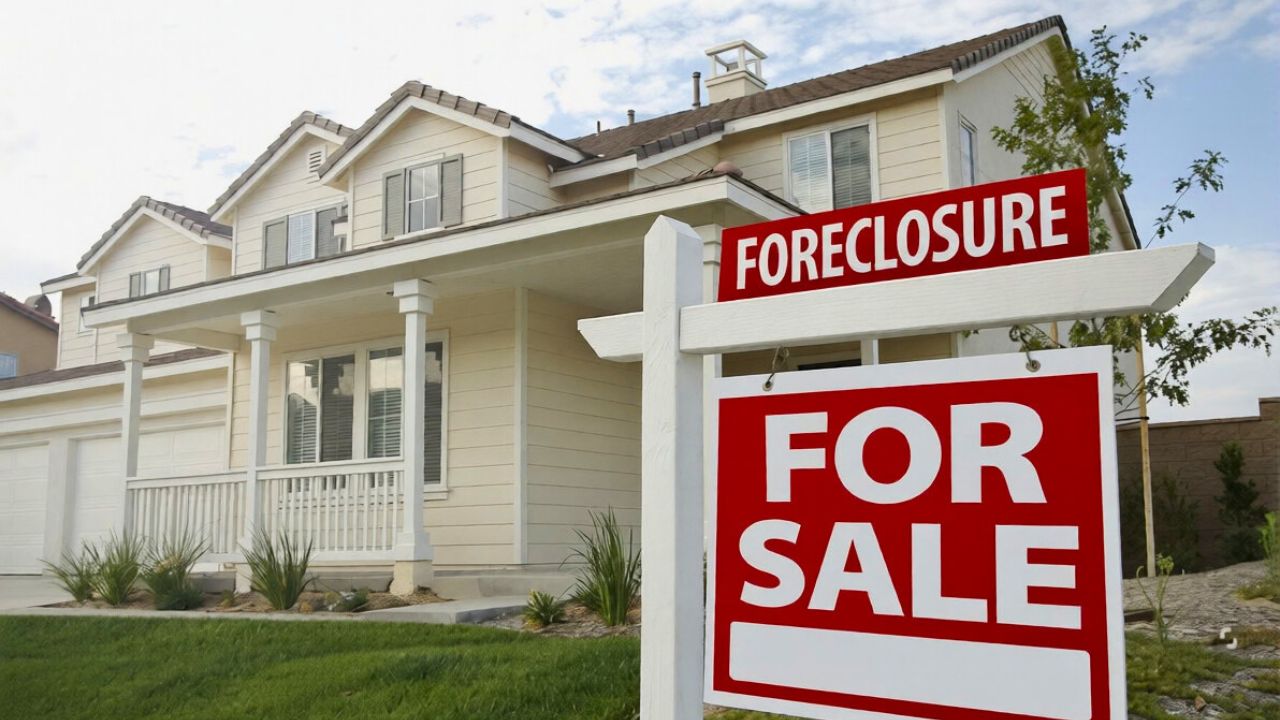
5. Abandoned, foreclosed, or long vacant houses
Buyers almost automatically assume that abandoned or long vacant homes are hiding more damage than they reveal, and they are usually right. When a property sits empty, routine maintenance stops, small leaks turn into rot, and pests can move in unchecked. Guidance on how to approach these properties suggests checking with local for foreclosed listings and visiting county offices for abandoned house information, in part so you can understand how long a home has been neglected. The longer the vacancy, the more you should assume hidden plumbing failures, vandalized wiring, and unseen mold growth behind walls.
Foreclosures and abandoned houses also raise questions about what previous owners tried to fix cheaply before walking away. You may encounter partial renovations, unpermitted additions, or disconnected mechanical systems that were never brought back online. Videos that walk through notorious problem properties, including one titled “There are some red flags when buying,” highlight visible clues such as boarded windows, damaged roofs, and outdated electrical panels that hint at deeper issues. If you pursue one of these homes, you should budget for a full systems replacement and assume that some surprises will only emerge once you start opening walls.
Like Fix It Homestead’s content? Be sure to follow us.
Here’s more from us:
- I made Joanna Gaines’s Friendsgiving casserole and here is what I would keep
- Pump Shotguns That Jam the Moment You Actually Need Them
- The First 5 Things Guests Notice About Your Living Room at Christmas
- What Caliber Works Best for Groundhogs, Armadillos, and Other Digging Pests?
- Rifles worth keeping by the back door on any rural property
*This article was developed with AI-powered tools and has been carefully reviewed by our editors.