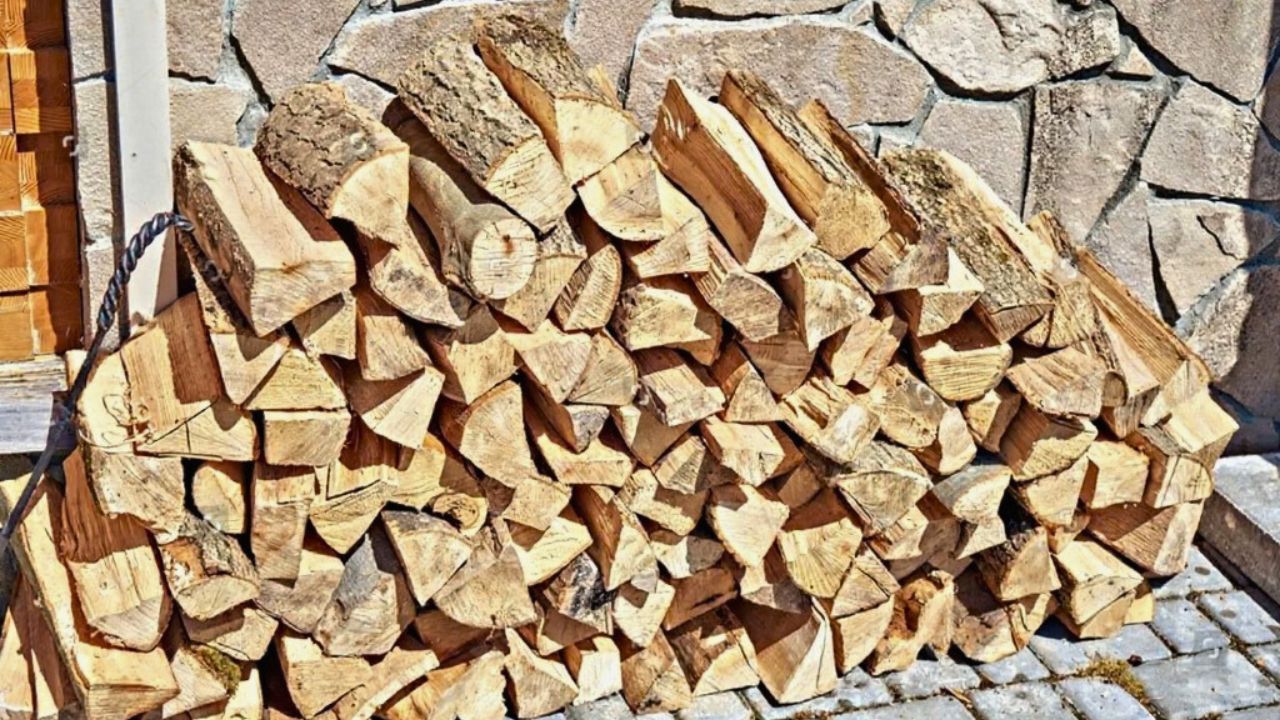
You’re storing firewood wrong if you want fewer bugs near the house
Photo credit: Volodymyr Ovcharov/Shutterstock.com
Firewood makes your home feel warmer long before you strike a match, but it also turns your yard into prime real estate for insects and rodents if you stack it the wrong way. When you keep your logs snugged up against the siding or piled directly on the soil, you are effectively inviting pests to move in and then wander indoors. With a few targeted changes to where and how you store wood, you can keep your supply dry and ready to burn while sharply cutting down on bugs near the house.
The goal is not to sterilize your woodpile, which is impossible, but to stop it from becoming a permanent neighborhood for termites, ants, spiders, mice, and other hitchhikers. You do that by choosing the right location, lifting wood off the ground, stacking it so it dries quickly, and handling indoor loads in a way that gives insects very little time to explore your living room.
Why your woodpile is a pest magnet
To you, a stack of split oak is just future heat. To insects and rodents, it is food, shelter, and a stable microclimate, especially in cold or wet weather. One expert explanation of why firewood attracts points to three simple ingredients that bugs look for in fall and winter: moisture, protection from wind, and a place to hide from predators. When you stack logs tightly and let rain or snow soak in, you create exactly that kind of refuge.
Different species use your pile in different ways, which is why you sometimes feel like every log carries a surprise. Ants and termites feed on or tunnel through damp wood, spiders tuck themselves between bark layers, and beetles and other insects ride along in cracks and crevices. A separate guide on hidden pests in lists ants and spiders among the most common residents, and once those insects are comfortable in the pile, they are only a short trip away from your foundation, siding, and basement windows.
The distance mistake that brings bugs to your door
Convenience pushes you to stack firewood right outside the back door, yet that habit is one of the fastest ways to move pests from the yard into the structure. Guidance on long term wildfire safety explicitly tells you to move your firewood from the house as possible, because many people keep it close for convenience and then discover that insects and rodents use the pile as a stepping stone. Pest professionals echo the same idea, with one set of recommendations saying firewood should be stacked at least 20 to 30 feet away from the exterior to keep pests from using it as a bridge.
Even smaller distances matter. Safety advice from Texas emphasizes that you should store firewood at away from the house, because stacking it right against the structure is an open invitation to pests. Another national home guide warns that keeping your pile within a couple of feet of the wall lets termites and other insects move directly from the wood into framing and insulation. When you see advice framed as “move it as far as you reasonably can,” the message is simple: you trade a few extra steps in bad weather for a serious reduction in bug traffic at your foundation.
Ground contact and moisture: how you build a bug condo
Even if you get the distance right, resting logs directly on soil or grass sets up a different problem. When the wood is in constant contact with dirt, you dramatically increase the odds of termites, ants, and other pests moving in, as one explanation of what happens when the wood with the ground makes clear. Soil contact also wicks moisture into the lowest course of logs, which speeds up decay and keeps the pile damp enough for fungi and insects to thrive.
That is why pest and tree care specialists keep repeating the same phrase: elevate the woodpile. One regional pest control company that works in Waynesville and St. Robert advises homeowners to elevate the woodpile so air can move underneath, which dries the lowest logs and makes it harder for termites to tunnel straight from soil into your firewood. Another set of outdoor storage tips recommends stacking wood on a rack, concrete blocks, or a metal frame so that the bottom layer sits several inches above the ground, breaking the direct path from dirt to bark.
How to stack wood so pests have fewer hiding places
Once you solve for distance and elevation, the way you stack the wood becomes the next line of defense. You might be tempted to build a tight, perfect wall of logs, but that solid mass traps moisture and gives insects endless cracks to hide in. A guide on how to protect stored firewood advises you to stack strategically, with gaps that allow ample airflow so moisture cannot get trapped. Another pest control resource recommends stacking logs loosely rather than cramming them together, which helps them dry faster and makes the pile less attractive to pests that prefer damp, stagnant conditions.
You also reduce bug cover when you keep the area around the pile clean. Advice on outdoor storage from Mar at The Grate Haus explains that you should think about firewood that can and avoid stacking it in thick vegetation, tall grass, or next to brush piles, which all give pests extra shelter. When you clear leaves and debris from under and around the rack, you leave fewer damp corners for insects and mice, and you can spot any activity before it becomes an infestation.
Racks, covers, and indoor habits that actually help
The right hardware makes good habits easier to keep. A metal rack lifts logs off the ground and keeps them contained in a straight, stable stack. One example is the Simple Spaces A910BK-C log rack, a 48 inch long, 14 inch deep frame sold through building supply stores, which is described as a great way to because it keeps firewood off the ground and helps eliminate bugs, mold growth, and wood rot. You can pair a rack like that with a breathable cover that sheds rain while leaving the sides open, which keeps the top course from soaking while still allowing airflow.
If you prefer something more decorative or portable, you can look at consumer products marketed through online marketplaces. One popular style of compact rack, promoted through a short video shop, shows how you can store a small amount of wood neatly off the patio surface instead of piling it in a corner. Indoors, pest and safety guidance is consistent: only bring in as much wood as you plan to burn within a day, and do not stack a week’s worth next to the hearth. Advice on pest free firewood and decor recommends that you only keep enough for short term use, because insects and spiders that ride in on the bark can then be caught, vacuumed, or squished before they spread.
Your handling habits matter as much as your hardware. One national pest brand’s advice on pest control tips stresses that you should always store your firewood outdoors, never in a garage or basement, and avoid using insecticide directly on the logs, since burning treated wood can release harmful vapors inside the house. Another indoor safety guide on fireplace setups explains that insects and rodents burrow into bark and hide in cracks, so when you bring logs inside, even for a short time, you should inspect them, knock them together to dislodge hitchhikers, and clean up any debris that falls on the floor.
Like Fix It Homestead’s content? Be sure to follow us.
Here’s more from us:
- I made Joanna Gaines’s Friendsgiving casserole and here is what I would keep
- Pump Shotguns That Jam the Moment You Actually Need Them
- The First 5 Things Guests Notice About Your Living Room at Christmas
- What Caliber Works Best for Groundhogs, Armadillos, and Other Digging Pests?
- Rifles worth keeping by the back door on any rural property
*This article was developed with AI-powered tools and has been carefully reviewed by our editors.