The porch step issue that turns into a fall hazard fast
Photo credit: Jorge Salcedo/Shutterstock.com
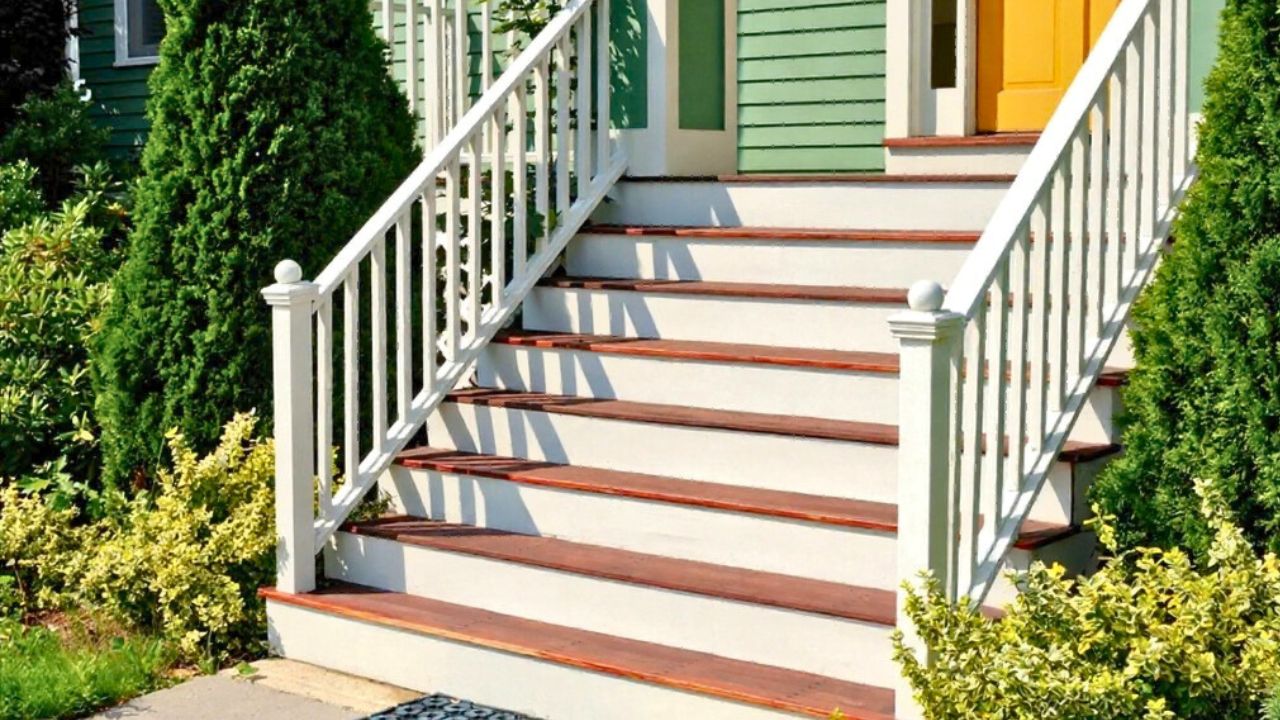
Your front steps rarely get the same attention as your kitchen or living room, yet they are one of the few places every guest, delivery driver, and family member has to use. When a porch step starts to shift, rot, or lose traction, that small defect quickly becomes a serious fall hazard, especially in wet or icy weather. You protect everyone who comes to your door when you treat those early warning signs as urgent repairs rather than cosmetic chores.
The risk is not abstract. Outdoor stairs combine hard surfaces, changing weather, and frequent use, which means a single misstep can end with broken bones or head injuries. By understanding why porch steps fail, how building codes frame safe design, and which simple upgrades reduce your odds of a slip, you gain a practical checklist to keep that short walk to your front door from turning into an ambulance ride.
How a small gap turns into a structural warning
The most common porch step problem starts quietly: a hairline crack between the step and the stoop, or a slight tilt that you only feel underfoot. Over time, that gap widens as soil moisture changes under your foundation and the concrete or masonry settles at a different rate than the house. When you see What Causes Porch to pull away from the stoop, you are really seeing a foundation problem that is telegraphing itself at the surface. The same shifting can leave your entire porch or patio visibly separating from the main structure, which is both a trip point and a sign that the support beneath you is no longer uniform.
Once that separation starts, every footfall on the edge of the step adds leverage, which accelerates cracking and loosening. A toe can catch in the gap, or a chunk of concrete can shear off under weight, sending you forward with no time to react. If water infiltrates the opening and freezes, it can expand into a dangerous wedge of ice that both widens the crack and creates a slick surface. You might think you are dealing with a minor cosmetic flaw, but by the time you notice a step pulling away or a porch slab sagging, you are already facing a fall risk that deserves a structural inspection rather than another season of delay.
Weather, wood, and the hidden slip risk on every tread
Even if your porch is structurally sound, the surface of each step can quietly turn treacherous as the seasons change. Wood decks, porches, and patios are easy to overlook when you think about slip risk, yet moisture from Wood, rain, dew, snow, or even the first frost can transform a smooth board into a skating rink. Algae and mildew thrive on damp timber, filling the grain and leaving a nearly invisible film that feels like soap under your shoes. When temperatures drop, that thin layer of moisture can freeze into a dangerous sheet of ice that is perfectly positioned where your heel needs firm traction.
Maintenance habits either amplify or reduce that risk. Letting leaves, dirt, or clutter accumulate on your porch traps moisture and creates a mat of organic material that behaves like wet cardboard underfoot. Guidance on porches and decks stresses that you should Keep the space from debris and choose footwear that grips rather than slides, especially when you know the surface has been damp. You control more of the risk than you might think simply by keeping the boards clean, clearing snow and frost early, and refusing to treat flip-flops as all-weather gear on an outdoor staircase.
What building codes expect from a safe set of steps
Even if you never read a regulation, you feel the difference between a comfortable staircase and one that makes you hesitate. Building codes try to capture that instinct in specific measurements. Exterior stair rules require consistent riser heights and tread depths so your body can fall into a rhythm without encountering a surprise tall step or shallow landing. Under provisions such as General stairway standards, every step serving a building must meet basic expectations for width, headroom, and uniformity, and the variation between risers is tightly limited because even a difference of more than 3/8 inch can trip you.
Handrails and guards fill in the rest of the safety picture. Exterior stair guidance highlights Key IBC requirements for landings and handrail placement so you always have something to grab if you lose balance. Porch railing references explain that While you might focus on aesthetics, codes focus on height, spacing, and strength because a guard that looks solid but fails under load is worse than none at all. Even on low decks, standards and injury case studies treat missing or flimsy handrails as a common factor in serious falls, especially for older adults and children who rely on that support every time they climb or descend.
How to repair treads and tighten loose steps before someone falls
Once you spot a loose or damaged tread, you have a short window to correct it before it fails under weight. Guidance on Fixing wooden stair treads starts with a simple sequence: Inspect the Damage, Tighten any fasteners you can reach, then replace boards that show signs of rot or structural cracking. You protect yourself when you treat every squeak or wobble as a sign that a screw has backed out or a stringer has started to split, not as a quirk you can ignore. For masonry or paver steps, you can often reset individual units with a construction adhesive, following long term repair advice that describes a Long term fix using high grip adhesive to bond the surface to the base.
Surface traction upgrades are just as important as structural fixes. Simple products such as View Handi treads or Plastic film with mineral coated surfaces give you a durable, color fast grip layer on otherwise slick steps. Videos on outdoor safety show that the first step in preventing a slip is to clean the surface thoroughly with a deck cleaner or brightener, as one Oct demonstration puts it, then apply a non slip coating or tape. When you combine that with a habit of inspecting your stairway at each required exit door, as Code guidance for mobilehome parks suggests, you turn occasional DIY into a regular safety audit.
Lighting, railings, and the human factor you control
Even perfect steps can betray you if you cannot see them. Injury lawyers who handle premises cases point out that Frequently inadequate lighting that hides a hazard is the root cause of a fall, especially on outdoor stairs where shadows can conceal an uneven riser or patch of ice. Safety guidance for congregations and community buildings urges you to Keep landings, stairs, and steps well lit, replace or repair fixtures before light levels drop too low, and avoid violent contrasts between bright and dark areas that can trick your depth perception. When you add motion sensor lights or low voltage step lights to your porch, you are not decorating, you are giving every visitor a clear view of each tread edge.
Handrails are the last line of defense when something goes wrong, so their strength and placement matter. A widely marketed porch handrail that is Designed for superior strength and reliability, for example, advertises support for up to 220 lbs, which gives you a sense of the load a rail should be able to handle without bending or tearing free. Exterior stair railing guidance explains Why Exterior Stair by tying height and spacing rules directly to your ability to grab the rail quickly, and to a child’s inability to slip through the balusters. When you pair that with common sense advice from safety advocates like Dave with Dave Chaidez, who bluntly reminds you that it only takes one misstep to fall, you start to see railings not as optional trim but as everyday fall prevention equipment.
Like Fix It Homestead’s content? Be sure to follow us.
Here’s more from us:
- I made Joanna Gaines’s Friendsgiving casserole and here is what I would keep
- Pump Shotguns That Jam the Moment You Actually Need Them
- The First 5 Things Guests Notice About Your Living Room at Christmas
- What Caliber Works Best for Groundhogs, Armadillos, and Other Digging Pests?
- Rifles worth keeping by the back door on any rural property
*This article was developed with AI-powered tools and has been carefully reviewed by our editors.