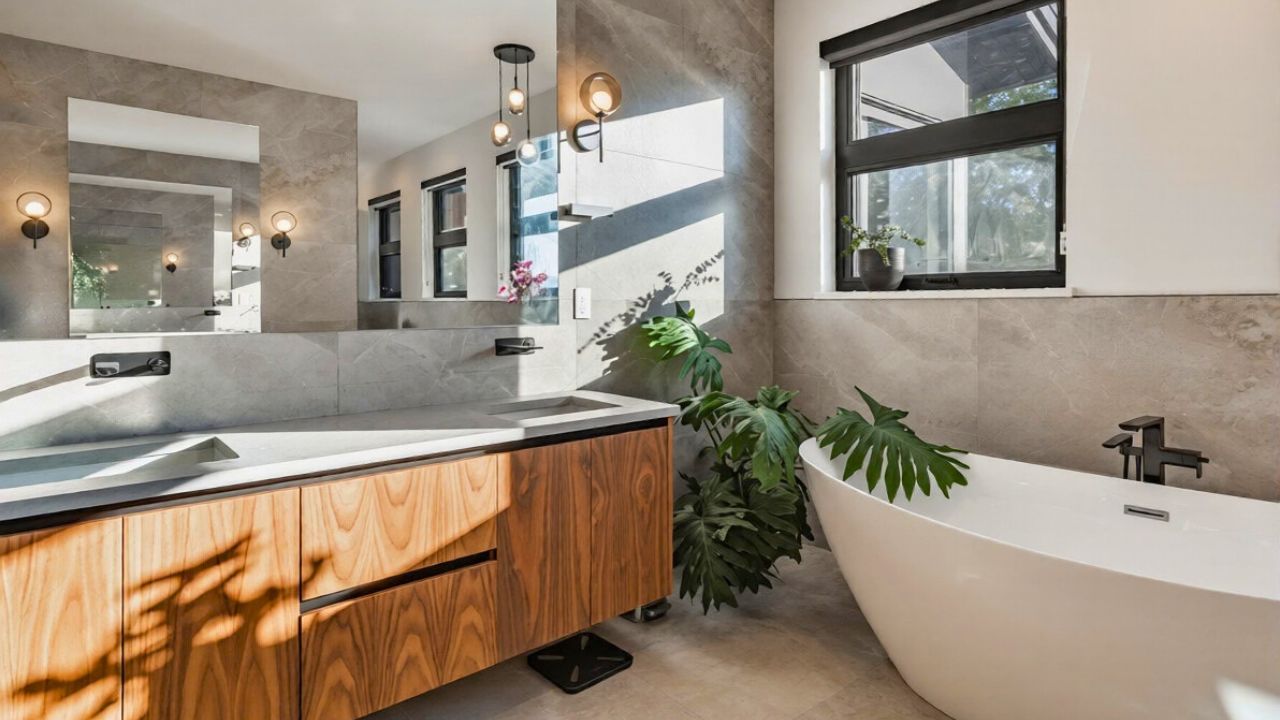
HGTV makes this bathroom look easy, but contractors say it’s where budgets go to die
Photo credit: Sheila Say/Shutterstock.com
You watch HGTV turn a cramped bath into a spa in under an hour and it looks almost effortless. In reality, contractors say that same room is where your budget is most likely to unravel, because every pretty finish sits on top of plumbing, waterproofing, and structural work you rarely see on camera. If you want the dream without the financial nightmare, you need to treat the bathroom as the most technically demanding, risk-heavy room in your home.
Why TV bathrooms look simple while yours gets complicated
On screen, you see a host swing a sledgehammer, cut to a gleaming vanity, then finish with a slow pan across a glass shower wall. What you do not see is the permit line, the inspection schedule, or the days spent waiting for a plumber to move a drain that was never in the right place. In one viral clip, a contractor bluntly reminds viewers that what looks like a 10 minute Demo on TV is carefully edited, tightly scheduled work that would stall instantly if a real inspector or supply delay entered the picture.
Viewers also do not see the contingency budget that production teams quietly build in, or the fact that brands often supply materials at steep discounts that you will never be offered at a retail counter. When you plan based on those glossy reveals, you are essentially budgeting for a fantasy project that does not include the cost of surprise plumbing repairs, code upgrades, or the extra labor that comes from working in a small, fully tiled room. That gap between televised simplicity and real-world complexity is exactly where your bathroom budget starts to slip.
The real numbers behind a “simple” bathroom remodel
Once you move from inspiration to estimates, the math shifts quickly. National pricing guides put the 2026 average for bathroom projects in a mid-range bracket where a typical remodel runs between $10,000 and $25,000 for a standard-sized space, with labor representing roughly 40 to 60% of that total. Those figures align with interior design estimates that describe an average mid-scale renovation as usually ranging from $10,000 to $25,000 once you add in new fixtures, semi-custom cabinetry, and tile.
For a more granular view, you can look at Bathroom Renovation Costs, which peg the 2026 national average at $180 to $280 per square foot for a full remodel. That $180 to $280 per square-foot range can shock you if you walked in expecting to refresh a 40 square foot hall bath for a few thousand dollars. At the upper end, a compact 40 square foot space can easily climb toward $11,200, and once you start adding custom tile patterns or moving plumbing, you are suddenly in the same cost territory as a small car.
Why your budget is probably too low before you start
Most homeowners walk into a bathroom project with a number they pulled from a neighbor’s anecdote or a TV reveal, not from a detailed scope of work. Renovation specialists point out that Unrealistic Budget Planning are the first reasons your spreadsheet falls apart, because you rarely account for permit fees, disposal, or the cost of correcting old work that does not meet current code. When you only price visible finishes and a few fixtures, you are effectively leaving out the most expensive line items in the room.
Homeowners also tend to underestimate how much professional help they will need. Guides that summarize Average Bathroom Remodel explain that once you add licensed trades, many people end up paying at least $2,000 more than they initially budgeted. That gap often comes from small but essential tasks you did not list, such as upgrading a vent fan, correcting an undersized drain, or adding a dedicated circuit for modern lighting and outlets. By the time you adjust for those realities, your “simple” update has already outgrown the number you had in mind.
The hidden structural and plumbing traps under your tile
Behind every pretty shower wall is a maze of pipes, framing, and waterproofing that can turn into a money pit as soon as you open it up. Financial planning guides warn that the first layer of hidden bathroom cost often comes from structural changes, because Many homeowners want to expand the room, move walls, or reframe to fit a larger shower. Each shift can trigger engineering review, additional framing labor, and new finishes across a bigger footprint, which multiplies your per-square-foot spend.
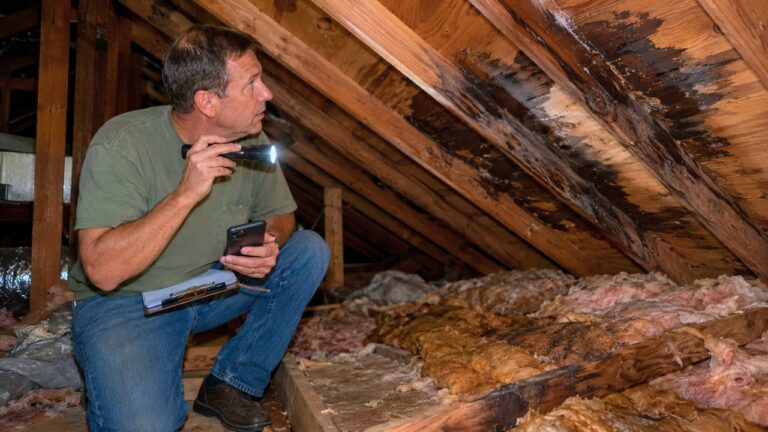
Plumbing surprises are just as expensive. When you relocate a toilet or convert a tub to a walk-in shower, you may discover undersized supply lines, corroded drains, or vents that were never installed correctly. Correcting those problems can involve opening adjacent rooms or ceilings, which adds demolition and repair costs that were not in your original plan. In older homes, you might also have to replace galvanized piping or upgrade to meet current code, and every one of those steps pushes your bathroom further away from the tidy budget you started with.
How fixtures and “small” upgrades quietly balloon the bill
Even if you keep the layout, your choices inside the existing footprint can quietly drive the total higher than you expect. A standard alcove tub might be relatively affordable, but if you decide you want a safer soaking experience, you may look at specialty fixtures such as a walk-in tub. Cost guides for that upgrade explain that, depending on the complexity of the job, the average walk-in installation runs between $3,000 and $8,000, and if your bathroom has limited space, you may need to remove surrounding walls, which adds even more cost.
Seemingly smaller line items can snowball too. Upgrading to a wall-hung toilet, adding a second vanity sink, or choosing floor-to-ceiling tile all require extra plumbing connections, more precise installation, and more material. If you are not tracking each of those decisions against your original budget, you can drift several thousand dollars over target before you even realize how many “little” upgrades you have approved. By the time the final invoice arrives, you are paying for a level of customization that looks like HGTV, but you funded it entirely on your own.
Labor, permits, and the schedule you never see on camera
On television, you rarely hear the words “permit delay” or “failed inspection,” yet in real life those are the friction points that stretch your bathroom schedule and your budget. When you move plumbing or electrical, your city or county likely requires permits, inspections, and sometimes plan review. While those fees might look minor compared with tile or fixtures, they add up, and any correction that an inspector requests means additional labor and potentially more material, which you pay for directly.
Professional labor is also a bigger share of the bill than the edited montages suggest. Cost breakdowns that list Key Takeaways for a typical bathroom explain that labor usually accounts for 40 to 60% of the total budget, especially on mid-range projects where you rely on licensed trades for plumbing, electrical, and tile. If you assume the contractor’s quote is mostly materials, you will misunderstand why the number feels high and you may be tempted to cut corners by hiring unlicensed help. That choice can backfire when you fail inspection or face water damage later, which is far more expensive than paying qualified pros from the start.
What contractors wish you knew before demo day
Contractors who work in real homes every day tend to be blunt about the gap between televised fantasy and your actual bathroom. In one widely shared video, a remodeler looks straight at the camera and says, “This is not HGTV. This is not reality TV,” then walks through the true cost of a bathroom remodel that includes proper prep, waterproofing, and permits. That kind of candid breakdown is exactly what you need before you approve a 10 minute Demo on your own house, because once the walls are open, you are committed.
Experienced tradespeople also stress that you should treat the bathroom as a systems project, not a decorating exercise. When you bring in a pro early, you can align your wish list with what your plumbing and structure can actually support, instead of designing a layout that requires expensive rerouting. Contractors consistently see budgets collapse when homeowners insist on moving everything, then react with shock at the cost of each change. If you ask for frank feedback on your plan before demolition, you give yourself a chance to scale back to what your budget can realistically handle.
What HGTV’s own experts say about “smart” upgrades
Even HGTV personalities caution viewers against assuming every upgrade is a good investment. In one recent segment, HGTV’s Mike Holmes talks about how some popular projects look exciting on camera but do not always make sense for your wallet or your house. Listen closely and the message is that you need to prioritize structural soundness, waterproofing, and basic function before you pour money into trend-driven finishes that may age quickly.
That advice applies directly to your bathroom. You might be tempted by a statement freestanding tub or a complex wet room layout because you have seen them featured repeatedly, yet those choices can require extra framing, specialty drains, and more intensive waterproofing. If you instead focus your budget on a solid shower pan, properly sloped tile, and reliable ventilation, you protect yourself from mold and leaks that would cost far more to fix later. Television can still be a useful design library, but you should treat HGTV as inspiration, not a pricing guide or a project plan.
How to keep your bathroom project from becoming a budget graveyard
If you want your bathroom to look like a reveal without feeling like a financial ambush, you need a more disciplined approach than most shows portray. Start by building a realistic budget using current cost ranges, such as the $180 to $280 per square foot benchmarks and the mid-range total of $10,000 to $25,000, then add a contingency of at least 10 to 20% for surprises. Planning tools that explain why bathroom remodels go over budget and how to Keep Yours on recommend listing every task and component in advance so you can see where to trim before you start, instead of after you are committed.
You should also prioritize scope decisions that protect your budget. Keeping the existing layout, choosing mid-range fixtures, and limiting custom tile work can save thousands without sacrificing a clean, modern look. If you are tempted to expand the room or relocate major plumbing, get multiple bids and ask each contractor to price that change as a separate line item. When you see the premium attached to those moves, you may decide that your money is better spent on quality waterproofing, durable materials, and a few well-chosen design moments. That is how you get a bathroom that feels like HGTV while your bank account still looks like real life.
Like Fix It Homestead’s content? Be sure to follow us.
Here’s more from us:
- I made Joanna Gaines’s Friendsgiving casserole and here is what I would keep
- Pump Shotguns That Jam the Moment You Actually Need Them
- The First 5 Things Guests Notice About Your Living Room at Christmas
- What Caliber Works Best for Groundhogs, Armadillos, and Other Digging Pests?
- Rifles worth keeping by the back door on any rural property
*This article was developed with AI-powered tools and has been carefully reviewed by our editors.