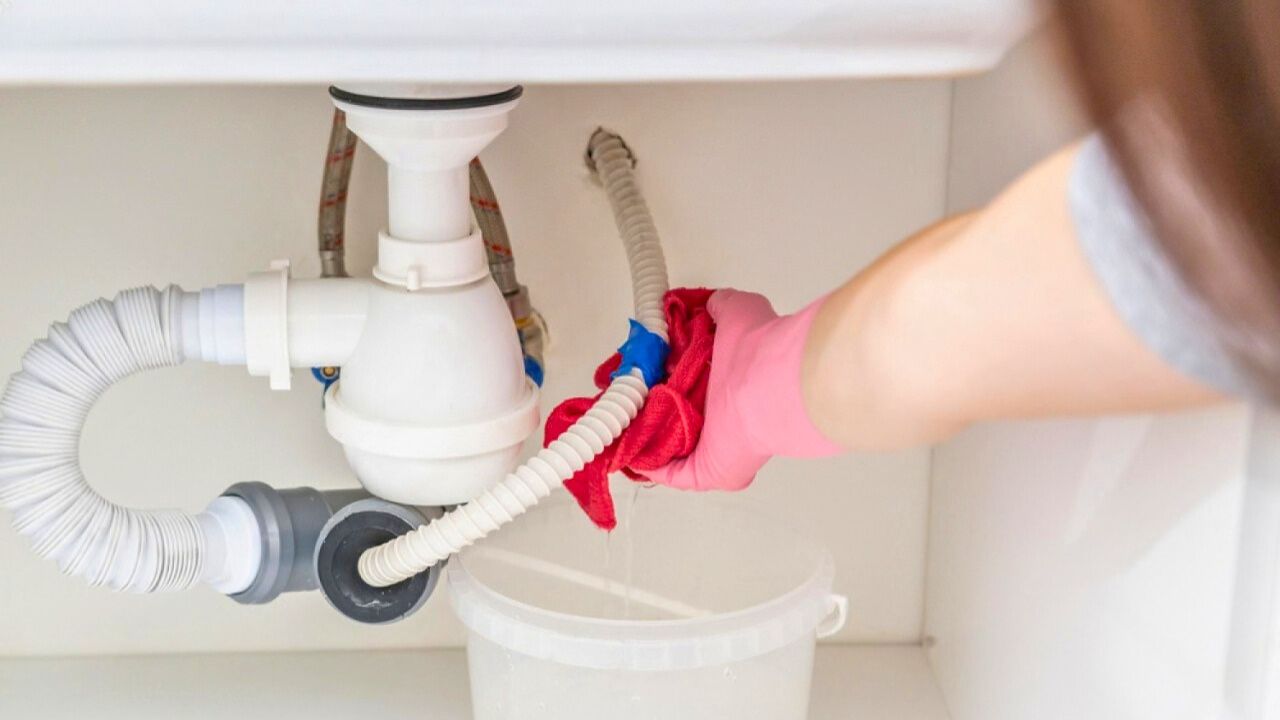
The hidden costs behind waiting to fix “small” problems
Photo credit: Mariakray/Shutterstock.com
You rarely budget for the moment a “small” issue turns into a crisis, yet that is exactly how many of your most expensive problems begin. A slow drip, a faint rattle in your car, or a tiny crack in your driveway feels harmless enough to postpone. The real hit comes later, when the compound costs of delay show up in repair bills, higher utility charges, and sometimes in health and safety risks you never saw coming.
Waiting to fix minor issues is not just a gamble with inconvenience; it is a quiet agreement to pay more in the future. The hidden costs behind those delays show up across your home, your car, and even your day-to-day stress level, and they often grow faster than you expect.
Why “small” problems rarely stay small
People tend to think in snapshots: a drip today, a hairline crack this week, a slightly noisy fan this season. What you do not see is how those small defects interact with time, moisture, temperature swings, and daily wear. A tiny plumbing leak, a bit of standing water, or a short cycling HVAC unit is already in motion, and every day you wait gives it more room to grow. When you treat a minor issue as background noise, you are effectively giving it permission to evolve into structural damage, mold, or a full mechanical failure.
Across home systems, the pattern repeats. Plumbing issues often start small, with a dripping faucet, a slow drain, or a minor leak, yet they can progress into hidden pipe damage, water intrusion, and even pests if you ignore them. Guidance that urges you to Watch out For makes the same point: what starts as a nuisance can invite mosquitoes, roaches, and mold into your home. The same logic applies to a faint grinding in your car’s brakes or a hairline crack in your foundation. You are either paying a little now to stabilize the situation, or you are paying a lot later to undo the damage time has added.
Water and moisture: how hours turn into thousands
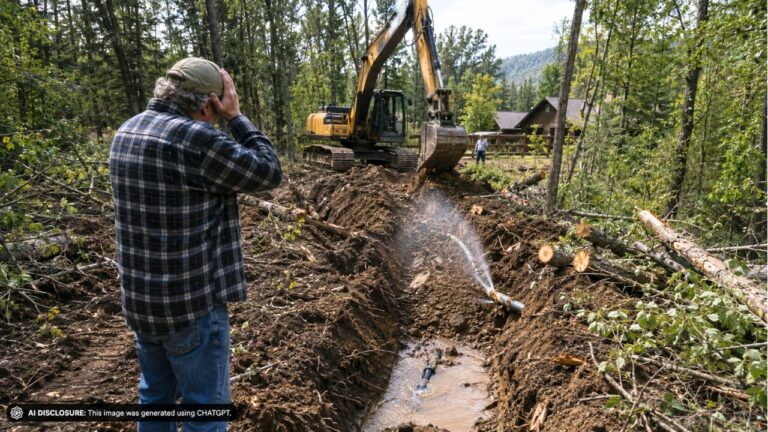
Water is unforgiving. Once it escapes the places it is supposed to stay, it starts working on drywall, flooring, insulation, and framing immediately. If you wait to remove water or fix a leak, you give it time to soak in, wick up walls, and reach hidden cavities. Restoration professionals warn that in as little as 24 to 48 hours, a manageable cleanup can escalate into a situation where your repair bills are as much as three times the original price.
That compressed timeline is not abstract. Once moisture sits for more than a day or two, mold spores can colonize porous materials, subfloors can swell, and structural elements can start to rot. Guidance tied to Why Waiting Hours make cleanup harder points to the same pattern: early intervention is the difference between drying and disinfecting surfaces versus tearing out walls and replacing framing. When you delay because calling a contractor feels inconvenient, you are effectively betting that those 24 to 48 hours will not matter. The evidence suggests they matter more than almost any other decision you make about that damage.
Plumbing: drips, leaks, and the surprise line item on your budget
Plumbing problems are some of the easiest to ignore, because they often happen out of sight. A slow drip under a sink or a barely noticeable stain on a ceiling does not interrupt your routine, so you push it down the to-do list. Yet hidden plumbing costs often come from unseen pipe damage, water and mold issues, emergency service fees, and outdated systems that turn a simple fix into a full replacement. When a minor leak persists, it can saturate insulation, ruin cabinetry, and even weaken framing before you ever see a major puddle.
Specialists describe how Hidden plumbing costs can add hundreds or thousands of dollars to a repair once water and mold are involved. Even a tiny leak can cause water damage, mold, or structural issues if you leave it alone, and emergency calls at night or on weekends often carry premium rates. When you postpone a $200 visit to tighten fittings or replace a short section of pipe, you risk inviting a multi-day remediation project that includes demolition, drying equipment, and reconstruction. The drip you barely noticed becomes the budget line item that forces you to delay other goals.
HVAC and energy use: paying more every single month
Mechanical systems rarely fail without warning. Your HVAC unit starts to send signals long before it quits: uneven temperatures, strange noises, short cycles, or rising energy bills. Ignoring those signs forces the system to work harder than it was designed to, which means it consumes more electricity or gas and wears out faster. Over a season, that extra strain can turn into a noticeable spike in your utility statements, even before you factor in repair costs.
Technicians who diagnose HVAC problems explain that when components struggle, the system consumes extra energy to overcome internal issues. If you keep running a unit with a failing capacitor, dirty coils, or low refrigerant, you are essentially choosing to pay higher bills each month while also shortening the life of the equipment. Some guidance on Emergency AC Repair versus Full System Replacement frames it as a financial risk: the longer you wait, the more likely you are to face a premature replacement instead of a targeted fix. The hidden cost is not just the emergency call, it is the years of service you lose from a system you forced to limp along.
Pavement, concrete, and the slow-motion failure under your feet
Your driveway, sidewalks, and patio are easy to forget until something dramatic happens, like a trip hazard or a pothole. Small cracks and slight settling feel cosmetic, but they are early warning signs that water is infiltrating and the base material is shifting. Minor asphalt issues can quickly escalate into expensive repairs if you leave them unaddressed. Small cracks allow water to seep in, then freeze, expand, and break apart the surface, which leads to potholes and structural failure that require extensive resurfacing instead of a simple patch.
Contractors who work with asphalt talk about Increased Damage and defects can cause when they are ignored. The same pattern appears with sinking slabs around your home. Guidance that warns you about Hidden Costs of on concrete repair explains that what starts as a slight tilt can eventually crack steps, misalign doors, and create drainage problems that send water toward your foundation. When you finally act, you may need mudjacking, slab replacement, or extensive grading work. If you had sealed the cracks or lifted the slab earlier, you could have contained the problem to a much smaller area and cost.
Construction shortcuts and skipped inspections
Not every hidden cost comes from wear and tear. Sometimes it starts with a choice to skip a process that feels bureaucratic, like a building or renovation inspection. Bypassing those checks may save a fee or a day of waiting, but it also removes a layer of protection against safety hazards and future liability. Poorly installed electrical work, structural framing that does not meet code, or inadequate fire blocking can all hide behind finished walls until something goes wrong.
Guidance on Beyond financial costs points out that skipping inspections poses a serious risk to occupant safety. Accidents caused by structural failures, electrical fires, or gas leaks can lead to injuries, lawsuits, and even lost business opportunities if a property is deemed unsafe. You also risk expensive retrofits when future buyers or regulators demand proof that work was done to standard. By trying to save a modest amount today, you set yourself up for far larger bills and potential legal exposure later.
Cars, breakdowns, and the price of being stranded
Your car is another place where you can easily rationalize delay. A check engine light that still lets you drive, a slight vibration at highway speeds, or brakes that squeal only occasionally all tempt you to wait until your next oil change. The problem is that automotive systems are interdependent. A worn belt can damage pulleys, a small coolant leak can warp a head gasket, and thin brake pads can ruin rotors. Each extra week you drive with a known issue increases the odds that a cheap part failure becomes a multi-component repair.
Guidance on the Breakdown Risks of delaying car repairs paints a vivid picture. Imagine your car breaking down on the highway because of an issue that could have been fixed during a routine visit. Instead of a scheduled appointment, you are now paying for emergency towing, potentially higher labor rates, and the cascading damage caused by driving until failure. The inconvenience is part of the cost too: lost work hours, missed commitments, and the scramble to arrange alternative transportation while your car sits in the shop for days instead of hours.
Health, safety, and the invisible consequences of waiting
Not every cost shows up on a receipt. When you delay repairs that affect air quality, structural integrity, or moisture control, you also take on health and safety risks that may linger long after the repair is complete. Mold from a long-running leak can trigger respiratory issues. Structural movement from sinking concrete or rotted framing can create trip hazards or even collapse risks. Living with these conditions can normalize them, making it harder to see how they are affecting you and your family.
Some hazards are chemical rather than structural. Reporting on spray foam insulation has highlighted cases where improper installation or curing led to off-gassing that left homeowners feeling sick and desperate. In one investigation, a homeowner said “I wanted to cry” after discovering that the product in her walls was releasing fumes. Regulators have pointed out that Although the Environmental Protection Agency says more research is needed, it has found that if the chemical mixture or temperature is off, spray foam can keep off-gassing amines, isocyanates, and other chemical fumes. When you ignore persistent odors or health symptoms after a project because you do not want to reopen the job, you may be accepting a hidden cost that affects your body instead of your bank account.
The psychological trap: why you keep postponing and how to stop
Even when you understand the financial logic, you still find yourself postponing repairs. Part of the problem is psychological. You experience what behavioral economists call present bias: you give more weight to the inconvenience and expense right now than to the abstract risk of a larger bill later. You also fall into normalcy bias, telling yourself that because the problem has been small for a while, it will stay that way. These mental shortcuts are powerful, and they are reinforced every time you get away with delaying something without immediate consequences.
To break that pattern, you need systems that make prompt action easier than procrastination. Property managers who share advice like Importance of Timely emphasize that taking care of issues as soon as they appear is not just about fixing a problem, it is about avoiding the higher costs that come with deferred maintenance. You can borrow that mindset at home by creating a simple triage list: anything involving water, electrical, structural movement, or safety gets top priority, and you schedule it within a set timeframe. You can also protect yourself by choosing contractors who offer warranties or guarantees, so you feel more confident investing in early repairs.
From reactive to proactive: building a habit of early fixes
Shifting from reactive to proactive maintenance is less about perfection and more about pattern. You will still miss things, but you can dramatically cut your hidden costs by catching more issues early. Start with regular walkthroughs of your home, paying attention to moisture, cracks, noises, and performance changes. Use a simple checklist that includes plumbing, HVAC, roofing, pavement, and interior finishes. When you spot something, write it down with a date so you can see whether it is changing over time instead of relying on memory.
Like Fix It Homestead’s content? Be sure to follow us.
Here’s more from us:
- I made Joanna Gaines’s Friendsgiving casserole and here is what I would keep
- Pump Shotguns That Jam the Moment You Actually Need Them
- The First 5 Things Guests Notice About Your Living Room at Christmas
- What Caliber Works Best for Groundhogs, Armadillos, and Other Digging Pests?
- Rifles worth keeping by the back door on any rural property
*This article was developed with AI-powered tools and has been carefully reviewed by our editors.