The seasonal home problems appearing sooner than expected
Photo credit: Bowonpat Sakaew/istock.com
You expect certain home headaches to show up on a predictable schedule: ice dams in midwinter, termites in late spring, foundation cracks after a dry summer. Yet shifting weather patterns and more intense swings between wet and dry periods are pulling those problems forward, so you start seeing “late season” issues weeks earlier than you planned for. If you keep assuming you have more time before pests, leaks, or structural quirks arrive, you are exactly who needs to rethink the calendar you use to protect your home.
Rather than treating each season as a neat box, you now have to watch how temperature, moisture, and soil conditions jump around and then plan your maintenance around that reality. Doing so gives you a better chance of catching subtle warning signs before they become expensive repairs, from hairline cracks that hint at foundation movement to tiny patches of mould that signal bigger moisture problems behind the walls.
1. The shrinking seasons that are catching you off guard
You grew up with a simple mental model of the year divided into spring, summer, autumn, and winter, but research into climate patterns shows that this four-part picture is starting to break down. In temperate regions, Research suggests new are surfacing, including so-called “haze” and “trash” seasons driven by pollution and waste cycles, while some traditional seasons are effectively disappearing. For your house, that means less of the slow, predictable ramp between mild and extreme conditions and more abrupt swings that stress materials, roofs, and soil in a compressed window.
Weather services are already documenting how long term outlooks can be overtaken by sudden shifts, such as when the National Weather Service expected a later warmup around the Bay Area, only to see a sharp change arrive sooner than forecast. Translated into home care, that leaves you with gutters that clog before you have cleared last season’s debris, foundations that move while you still assume the soil is stable, and pest populations that surge before you have scheduled any preventive treatment.
2. Foundations that move earlier with every moisture swing
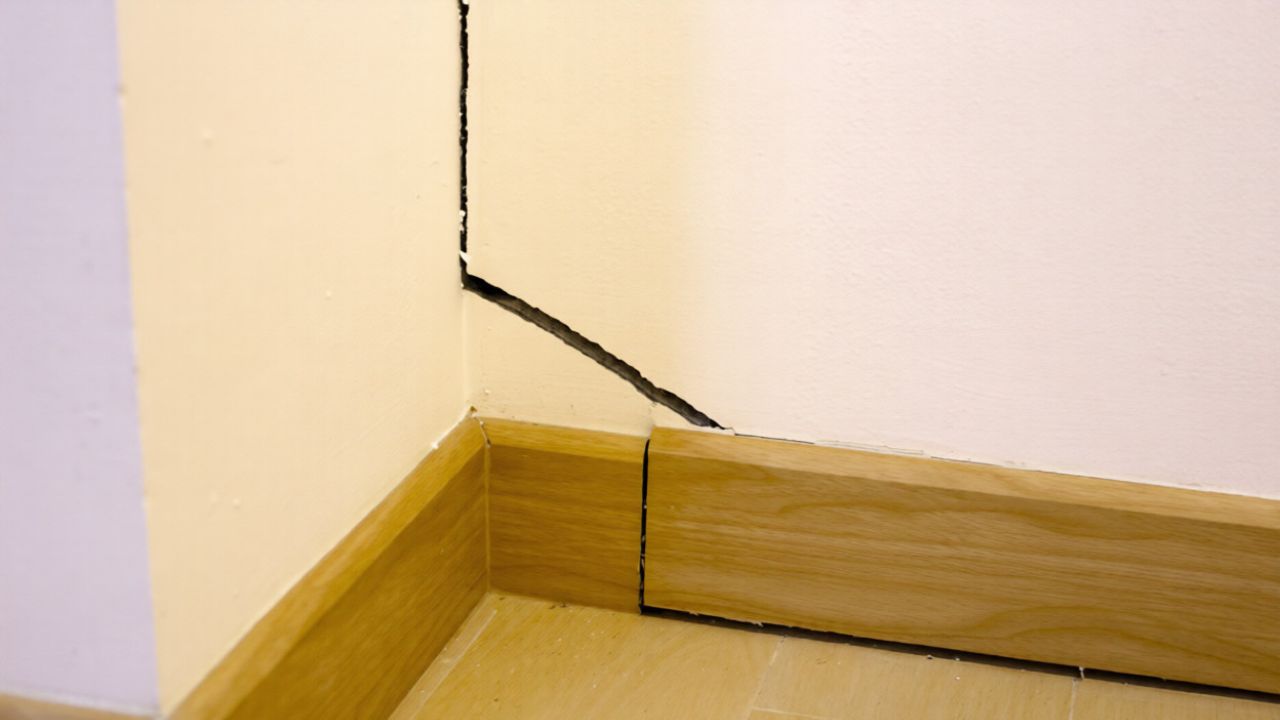
Your foundation never truly sits still, and you can feel the effects when doors stick, trim separates, or new cracks trace across drywall. Specialists describe Seasonal Foundation Movement as the soil under your home expanding and contracting as moisture levels change, then your foundation moving along with it. In regions with clay rich soil, that cycle is especially intense, and the more quickly the ground shifts from saturated to bone dry, the sooner you see cosmetic damage that can hint at deeper structural strain.
In places with “rainy springs, humid summers, and dry spells in between,” the clay under your house constantly expands and shrinks, which a Columbia area repair firm notes can cause walls to bow, floors to slope, and windows to jam as Rainy springs give way to heat. Homeowners often trade stories about “seasonal house shifting,” with some pointing out that Yes the framing itself expands and contracts as temperatures and indoor humidity change. As those cycles start earlier in the year, you see cracks and misalignments long before you would have expected them a decade ago.
3. How early soil changes trigger “rebounding” and structural stress
What makes the new pattern especially tricky is that your foundation does not just settle in one direction, it also “rebounds” as conditions reverse. As moisture returns after a dry spell, expansive soils can lift parts of your foundation, leading to a cycle of seasonal rebounds and settling that shows up as fresh cracks near windows and doors, gaps at trim, and sticky interior doors where Where Do the is a question you start to answer room by room. When those cycles arrive earlier, you can see new damage by late winter or early spring, even though you associate such movement with late summer droughts.
Home inspectors also link seasonal moisture swings to more visible issues like water intrusion and basement leaks. One guide to the Common Spring Issues highlights how Water Damage from Melting snow and heavy rain can overwhelm basements and crawl spaces, especially when grading and drainage are marginal. If you wait for a traditional “spring thaw” that never arrives in a neat window, you miss the fact that your ground is already saturated and your foundation walls are already under pressure, which is why cracks and small leaks can show up weeks ahead of your usual inspection routine.
4. Managing moisture so the foundation does not jump the season
You cannot control the weather, but you can control how your property handles water, and that is what keeps early season movement from turning into structural damage. One foundation specialist stresses that Managing the moisture levels in the soil around your home is essential, which includes watering the perimeter during dry periods to keep the soil from pulling away and using downspout extensions to avoid oversaturation near the walls. When you start that balancing act earlier in the year, you cushion your foundation against the first aggressive swings between wet and dry.
Preventive advice often focuses on long term care, such as ways to prevent by maintaining consistent drainage, checking for pooling water, and adjusting landscaping so roots do not undermine the soil. You also see the same theme in winter prep checklists that remind you to keep gutters clear and grade sloping away from the house. The message for you is simple: treat moisture management as a year round job instead of something you revisit only after summer droughts or autumn storms, because the soil is now cycling through stress phases faster than your old schedule can keep up.
5. Pests that treat “spring” as a suggestion, not a rule
As winters turn milder and springs grow drier in many regions, pest experts warn that the traditional start of bug season is moving up the calendar. A national forecast notes that a mild start to the winter and a drier spring will jumpstart pest season, with termites, brown marmorated stink bugs, and Asian lady beetles expected to surge across regions that include North Carolina, South Carolina, Georgia, Alabama, and Florida, where Asian beetle activity is part of a broader wave. That means you can no longer assume that a few lingering frosts will keep wood destroyers and nuisance insects at bay until late spring.
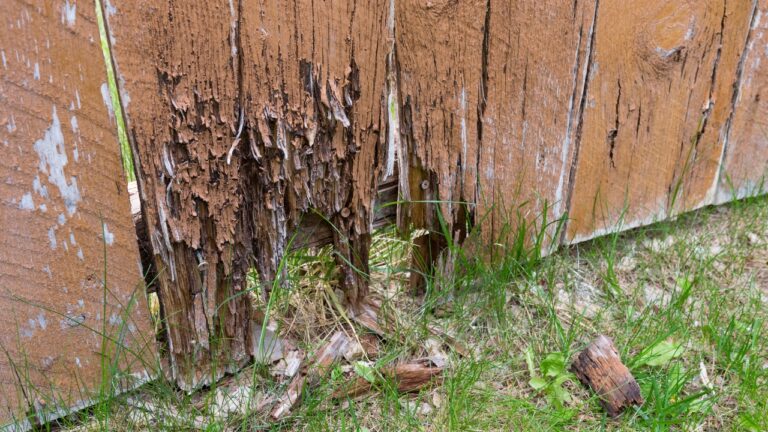
Termites are a prime example, since their swarming season often defines when you start to worry about structural damage. Background material on Termites explains how these insects live in large colonies and feed on wood and cellulose, and your first visible clue may be discarded wings or mud tubes along your foundation. Warmer soil temperatures arriving earlier in the year can wake colonies sooner, so by the time you schedule your usual inspection, the insects have already been active for weeks. If you treat termite checks as a fixed “May task” rather than a temperature driven one, you give them a head start inside your framing and subfloors.
6. Ticks, rodents, and other uninvited early guests
Not all early arrivals are hidden in the walls; some ride in on pets or squeeze through gaps in your siding. Public health information on Ticks describes them as small arachnids that feed on the blood of animals and humans and can transmit diseases such as Lyme disease. As warmer days show up sooner, ticks stay active for longer stretches and expand their range into yards and neighborhoods that once saw them only for a short summer window. If you do not adjust your pet treatments, yard maintenance, and clothing habits to that longer season, you increase the odds of bites well before you would have pulled out the bug spray in the past.
Rodents are following similar patterns, taking advantage of shorter cold snaps and more food availability to move in and out of homes earlier and more often. Overviews of Rodents highlight how adaptable species such as rats and mice are, thriving around human structures and exploiting even small openings to access shelter and food. When heat drives them indoors or mild winters fail to knock back populations, you end up hearing scratching in the attic or finding droppings in the pantry weeks before your usual “first cold night” inspection. In hotter regions, heat waves can also push scorpions, spiders, and ants inside as they flee extreme outdoor conditions, with pest professionals noting that Heat drives pests like scorpions to nest in attics, walls, and basements. The result for you is a longer, less predictable season of scratching, stinging, and gnawing guests.
7. Roofs, gutters, and “fall” problems that now start in late summer
Your roof and gutter system used to follow a fairly stable script: withstand winter, shed spring rain, then clog with leaves in autumn. Now, more frequent storms and wind events are exposing weak installation sooner, especially in areas that see hail and high winds. One roofing specialist notes that Poor roof installation signs in Raymore homes often appear earlier than expected because seasonal weather exposes loose flashing, misaligned shingles, and inadequate ventilation long before the roof reaches its supposed design age. If you assume a new roof is “set and forget” for a decade, you can miss small leaks that start after the first big storm of the year, not the fifth or sixth.
Gutters tell a similar story. Seasonal advice on fall maintenance warns you to watch for Clogged Gutters and as the weather cools, since leaves, twigs, and granules can block drainage and send water back toward your fascia and foundation. Yet in many regions, trees now drop debris in erratic bursts after early heat waves, and intense summer storms can strip foliage and fill your gutters long before the calendar says “fall.” If you only schedule cleaning once the temperature drops, you risk water backing up under shingles and spilling against your foundation months earlier, setting up both roof leaks and soil saturation that contribute to foundation movement.
8. Hidden indoor issues: mould, air leaks, and winter problems that start in autumn
While you focus on outdoor threats, indoor conditions can quietly shift ahead of schedule too, especially when humidity spikes or heating systems kick on earlier than you expect. Guidance on cold weather home care explains that Here you are urged to regularly maintain your heating system and to seal air leaks before the coldest months arrive, since drafts and uneven temperatures strain both your comfort and your energy bills. If the first real cold snap arrives in early autumn rather than late, your unserviced furnace and unsealed windows can start wasting energy and stressing materials weeks before your usual “winter prep” weekend.
Moisture indoors is just as time sensitive. Mould specialists advise you to Use digital hygrometers to keep indoor humidity between 40 and 60% and to follow Quarterly inspection routines that focus on guttering, roof, insulation, and condensation prone areas so you catch small problems early. When late summer storms or early cold snaps cause condensation on windows and in corners, you can see mould spots form long before you think of it as “heating season.” If you wait until deep winter to check for growth, you give those early patches months to spread behind furniture, inside closets, and along exterior walls.
9. Rethinking your maintenance calendar around new seasonal reality
To keep up with these shifts, you need to treat your maintenance plan as a living document that responds to weather patterns, not just dates on a calendar. Home service data shows that Seasonal extremes drive search behavior, with Demand for “frozen pipe repair” and “water heater repair” peaking from November to January while “emergency AC repair” spikes in summer. Another analysis of how seasonality shapes the home services market notes that How HVAC dominates the extremes, with search interest surging during the hottest and coldest periods. Those spikes tell you when neighbors are scrambling for help, which is precisely when you want to have your systems already inspected and tuned.
Like Fix It Homestead’s content? Be sure to follow us.
Here’s more from us:
- I made Joanna Gaines’s Friendsgiving casserole and here is what I would keep
- Pump Shotguns That Jam the Moment You Actually Need Them
- The First 5 Things Guests Notice About Your Living Room at Christmas
- What Caliber Works Best for Groundhogs, Armadillos, and Other Digging Pests?
- Rifles worth keeping by the back door on any rural property
*This article was developed with AI-powered tools and has been carefully reviewed by our editors.