Pest infestations caused by standing water can cost homeowners up to $600
Photo credit: alexgo.photography/Shutterstock.com
Standing water around your property quietly invites pests, and the cleanup rarely stays cheap. Once moisture attracts insects and rodents, you can easily face exterminator bills that climb toward $600 on top of any drainage or repair work. Ignoring that puddle under the deck or the damp corner in your basement effectively gives infestations a head start and your budget a future hit.
Understanding how pooled water, leaks, and humidity trigger pest problems lets you interrupt that chain reaction before it reaches your wallet. With national cost data showing how quickly professional visits and structural fixes add up, you have a clear financial incentive to manage moisture early instead of paying for repeated treatments later.
How standing water turns into a pest magnet
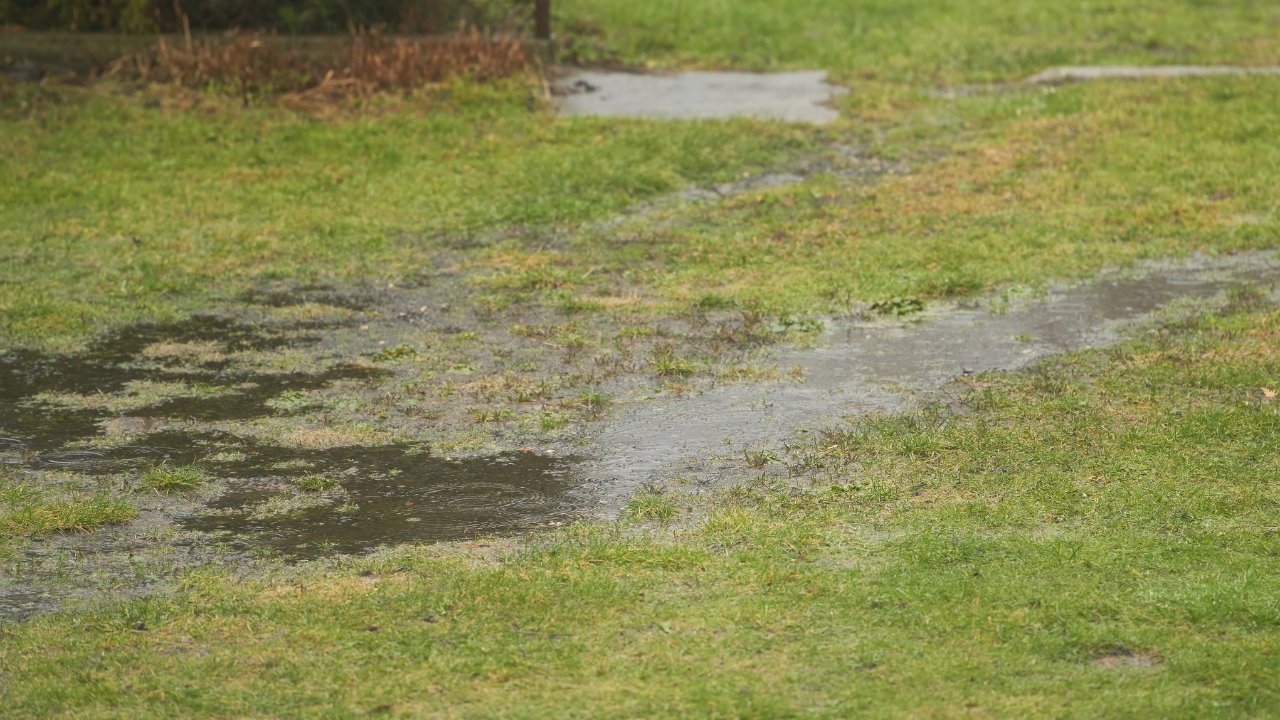
When water lingers along your foundation, in low spots of your yard, or inside a crawl space, it creates a stable habitat that many pests prefer over dry ground. Mosquitoes, for example, use shallow stagnant water as nurseries for their eggs, so even a neglected birdbath or clogged gutter can support a new generation of biting insects. As that water seeps into wood or drywall, it softens materials and opens up tiny gaps that ants, roaches, and rodents can exploit, meaning one small drainage problem can gradually expand into a wider invasion.
Moisture also changes the microclimate around your home, raising humidity and lowering surface temperatures in ways that favor insects over people. In damp basements or bathrooms, you often see moisture-loving species such as silverfish, which thrive in dark, humid corners and can damage books, paper, and fabrics. Outdoors, shaded puddles and soggy mulch beds give pests shelter and a reliable water source, keeping them close enough to slip indoors as soon as they find a crack or gap around doors, windows, or utility lines.
From water damage to full blown infestations
Once standing water begins to damage building materials, you face a second wave of risk that goes beyond simple nuisance insects. Wet wood swells, warps, and eventually rots, which not only weakens framing and subfloors but also attracts wood-destroying pests that prefer softened material over solid lumber. As water spreads through insulation and drywall, it can create hidden pockets of decay that stay damp long after the surface looks dry, allowing pests to nest out of sight while you assume the problem has passed.
Specialists who focus on restoration and pest control consistently link water damage to higher infestation rates, because the same conditions that foster mold and structural deterioration also support insects and rodents. Guidance on water damage and explains that damp areas give pests food, shelter, and easy access routes, so leaving leaks or puddles untreated effectively extends an open invitation. Combined with the difficulty of fully drying wall cavities and crawl spaces without professional equipment, you can see how a single episode of standing water can turn into a long-running pest problem.
The real price tag of pest control visits
A one-time pest control visit might sound manageable, but the numbers show how quickly those costs climb when moisture keeps drawing pests back. National data on pest services indicate that pest control costs range from $50 to $500, with the national average around $171, for typical treatments that address common insects. With more complex jobs or larger homes, you can easily move toward the upper end of that range, especially if the technician needs multiple follow-up visits to get an entrenched infestation under control.
For a more detailed look at what you might pay, breakdowns of How Much Does show how treatment type, pest species, and home size all factor into the bill. Those figures highlight that you rarely pay a single flat fee and walk away; instead, you might start with a general service at $171, then pay more for targeted work if rodents or wood-destroying insects appear later. When standing water keeps the environment attractive to pests, you raise the odds that what begins as a one-time appointment becomes a recurring line item in your household budget.
Why moisture problems push exterminator bills toward $600
When pests move beyond surface-level annoyance and start nesting in walls, attics, or saturated crawl spaces, exterminators usually need more time, materials, and follow-up to resolve the issue. Cost guides that focus on professional services show that an exterminator costs $100 to $600 for a one-time visit, with monthly treatment plans running $40 to $75 per visit for ongoing protection. If your moisture problem keeps attracting new waves of insects or rodents, you can quickly approach that $600 mark as technicians return to retreat, monitor, and seal new entry points.
Some pricing breakdowns describe Average exterminator cost in the context of infestation severity, and moisture is one of the key factors that pushes a case from simple to complex. If water damage has created hidden voids or softened structural elements, technicians may need to drill, inject treatments, or coordinate with contractors to access problem areas, all of which add labor and materials. In that scenario, the pests are not the only thing you are paying for; you are also funding the extra work required to overcome the conditions that standing water created in the first place.
How standing water removal costs stack with pest treatment
Even before you address the insects or rodents, you often need to deal with the water itself, and that work carries its own price range. Estimates for Standing Water Removal show that most homeowners spend between $1,608 and $6,817 to remove standing water from a yard or home exterior and to prevent future flooding. That figure reflects pumping, grading, drainage improvements, and sometimes repairs to landscaping or hard surfaces that have been undermined by saturation.
Once you combine those drainage expenses with pest control, the financial impact becomes clearer. If you pay $1,608 on the low end to correct a drainage issue, then another $300 to $600 for exterminator visits that address moisture-driven infestations, you are suddenly facing a project that rivals a major appliance replacement or a used car purchase. Because water problems and pest problems reinforce each other, you rarely get to choose between them; you need to handle both if you want a long-term solution instead of a temporary fix.
Cost differences by pest type and home size
The type of pest that standing water attracts has a direct influence on your final bill. Mosquitoes, which use stagnant water as breeding grounds, often require repeated yard treatments to break their life cycle, and those visits can quickly add up when priced at $40 to $75 per visit. Rodents that follow water sources into basements or crawl spaces can be even more expensive, with detailed cost tables showing that to exterminate rodents in a typical 1,500-square-foot home, you might pay in a range that stretches up to $600 when labor, materials, and follow-up are included.
Cost breakdowns that focus on Cost per Visit emphasize how square footage and infestation complexity interact. A 1,500-square-foot property with multiple moisture pockets, such as a damp crawl space and a soggy backyard, gives pests more room to spread and forces technicians to cover more ground. That is how a seemingly minor water issue around a patio or foundation can eventually produce a pest control invoice that sits near the top of the $180 to $600 rodent range, especially if you delay treatment until the population is well established.
How recurring service plans can snowball
When standing water is a chronic problem rather than a one-time event, many homeowners sign up for recurring pest control plans to keep infestations in check. Pricing data on Average cost of show that you might pay $40 to $75 for an average monthly visit, with an initial visit in the $150 to $300 range, and one-time extermination work between $100 and $600 depending on the infestation. If you keep a plan for a full year while moisture remains unresolved, your total quickly surpasses the cost of a single intensive treatment.
Other breakdowns echo those figures, with some guides noting that Most homeowners pay for an initial pest control treatment, then shift to lower recurring payments for maintenance. The problem comes when standing water keeps attracting new pests between visits, which can force your provider to schedule extra treatments or upgrade your plan. Over a couple of seasons, that pattern can easily push your total spending into the high hundreds, especially if you have to layer in specialized services for mosquitoes, rodents, or moisture-loving insects that standard sprays do not fully address.
Hidden structural and repair expenses tied to pests
Beyond direct exterminator fees, you also face the secondary costs of repairing what pests and water have already damaged. Wet wood that attracts insects can require replacement of sill plates, joists, or subfloors, and those carpentry jobs often dwarf the initial pest bill. Cost tables focused on Cost to Treat illustrate how combined projects that address both contamination and structural repair quickly move into higher tiers once labor, materials, and safety measures are included.
In some cases, you may also need specialized cleaning or restoration to remove droppings, nesting materials, or contaminated insulation that pests leave behind in damp areas. That kind of work often falls outside standard pest control pricing and can require separate contracts with restoration firms that handle water damage and biohazard cleanup. When you add those services to the original exterminator bill and any drainage corrections, the financial impact of letting standing water persist becomes far larger than the $600 headline figure that first caught your attention.
Preventive steps that cost less than a major infestation
If you want to avoid stacking water removal, pest control, and repair bills, you need to treat moisture management as a core part of your home maintenance plan. Simple actions such as cleaning gutters, extending downspouts away from the foundation, and regrading soil to move water away from the house can dramatically reduce standing water around your property. Guidance on How Standing Water to Pest Infestations and Home Damage explains that eliminating Mosquito Breeding Grounds and other stagnant pools is one of the most effective ways to keep Mosquitoes and other pests from taking hold.
When you do need professional help, using local referral tools can keep costs under control by letting you compare estimates and scopes of work. Platforms that connect homeowners with nearby providers, such as local Angi listings or contractor networks that handle drainage and pest issues together, help you find companies that understand how moisture and infestations interact. By acting early, you can often pay for targeted drainage fixes and a limited pest treatment instead of funding a long series of $100 to $600 visits that never quite solve the root problem.
Like Fix It Homestead’s content? Be sure to follow us.
Here’s more from us:
- I made Joanna Gaines’s Friendsgiving casserole and here is what I would keep
- Pump Shotguns That Jam the Moment You Actually Need Them
- The First 5 Things Guests Notice About Your Living Room at Christmas
- What Caliber Works Best for Groundhogs, Armadillos, and Other Digging Pests?
- Rifles worth keeping by the back door on any rural property
*This article was developed with AI-powered tools and has been carefully reviewed by our editors.