10 Outdoor “Improvements” That Actually Lower Curb Appeal
Photo credit: Romakoma/Shutterstock.com
You invest time and money in your yard expecting buyers and guests to be impressed, not puzzled. Yet some popular outdoor projects quietly drag down first impressions, making your place feel dated, high maintenance, or oddly personalized. When curb appeal is tied directly to perceived value, the wrong “upgrade” can cost you showings and offers instead of adding equity.
By focusing on what actually attracts buyers and what real estate pros recommend, you can separate smart exterior updates from the ones that backfire. The aim is a clean, inviting, low‑maintenance look that feels broadly appealing, not like a weekend hobby that got out of hand.
1. Overdesigned Landscaping That Looks High Maintenance
Packing your front yard with flower beds, rock gardens, and specialty plants may feel like a point of pride, but many buyers see chores. Real estate agents consistently note that people respond better to simple, tidy landscaping than to complex designs that look like they will eat up every Saturday. Advice on landscaping curb appeal stresses basic pruning, clear borders, and healthy grass over elaborate features that require constant tweaking.
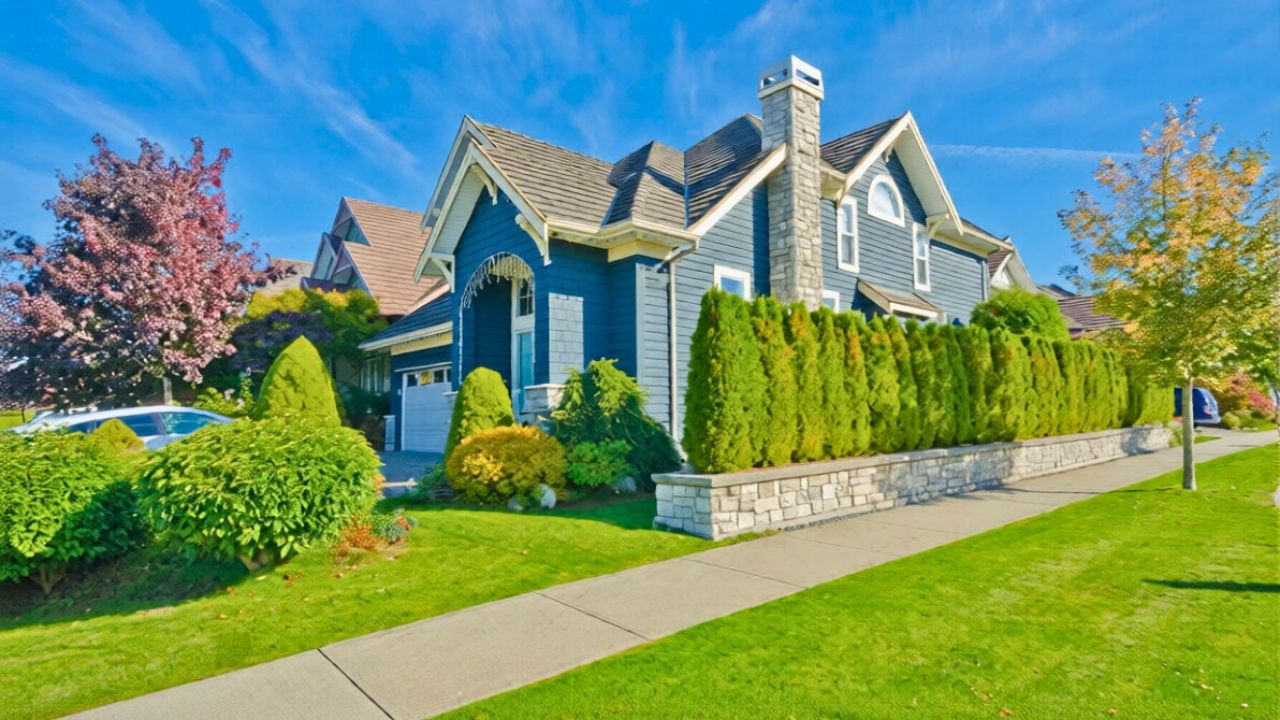
Visual clutter is another risk when you mix too many shapes, colors, and edging materials. Guidance on landscaping ideas that feel more expensive emphasizes repetition and symmetry, such as repeating the same shrub along a walkway, instead of a different plant in every gap. Streamlining beds and choosing hardy, low‑maintenance varieties sends a subtle message that the home is well cared for without demanding a green thumb from the next owner.
2. Artificial Turf and Plastic-Looking Features
Artificial turf promises a perfect lawn with no mowing, but it can be a visual and environmental misstep at the front of your house. Many buyers still associate synthetic grass with sports fields or dated putting greens, not with a welcoming residential yard. Some guidance on backyard improvements that add value suggests focusing on natural plantings and low‑maintenance irrigation rather than large expanses of plastic turf that can fade or trap heat.
Plastic edging, faux stone panels, and obviously artificial planters fall into the same trap. These elements can cheapen an otherwise solid exterior and clash with real brick, wood, or stone. Opting instead for simple metal or concrete edging and real materials in smaller doses keeps the look grounded. A few well‑placed perennials and a modest mulched bed often read as more upscale than a front yard dominated by shiny synthetics that will eventually discolor or crack.
3. Oversized Water Features and Ornate Fountains
A large fountain or koi pond can seem like a statement piece, but in many neighborhoods it feels out of scale and out of place. Buyers who prefer calm, low‑key exteriors often see big water features as visual noise, especially if they sit close to the front door or dominate the view from the street. Guides that focus on exterior improvements with broad appeal tend to highlight modest upgrades such as fresh paint, updated lighting, and clean walkways rather than showy installations that require pumps, filters, and seasonal care.
Maintenance is another hidden drawback. Ponds and fountains need cleaning, winterizing, and sometimes professional repair, which can scare off buyers who already feel stretched by a move. If you want the calming effect of water, a small, simple feature tucked into a side yard or back patio is less likely to hurt curb appeal. For the front, neat plantings and a clear path usually serve you better, allowing the architecture to stand out instead of competing with a gurgling centerpiece.
4. Busy Hardscaping and Confusing Paths
Hardscaping can frame your home beautifully, but it becomes a liability when you mix too many materials or create meandering paths that confuse visitors. A driveway in stamped concrete, a walkway in three colors of pavers, and a separate gravel path to the side yard can make the front of your house feel like a showroom rather than a residence. Advice on curb appeal ideas often highlights a single, clear walkway with consistent materials and well‑defined borders so guests know exactly where to go.
It also helps to consider how the hard surfaces relate to your home’s style. A cottage with simple siding can look overwhelmed by massive retaining walls or tiered terraces that belong with a hillside estate. By contrast, a clean concrete walk with a brick border can quietly echo existing details and make the whole exterior feel more cohesive. When in doubt, curb appeal is usually better served by repairing cracks and simplifying transitions instead of adding more patterns, steps, and decorative inlays that call attention to themselves.
5. Extreme Color Choices on Doors, Trim, and Siding
A bold front door can be a smart way to add personality, but there is a line between confident and polarizing. Very bright or unusual shades on doors, shutters, or trim can turn off buyers who prefer a neutral palette and do not want to repaint immediately. Color experts who share budget-friendly curb appeal advice tend to recommend classic door colors such as deep navy, charcoal, or rich red that work with a range of siding tones, instead of neon hues that only suit a narrow taste.
Full siding in unconventional colors can be an even bigger hurdle. Committing to a saturated purple or lime green exterior limits your buyer pool to those who share your exact style or are prepared for a major repaint. You also risk clashing with neighboring homes, which can make your property feel disconnected from the street. Sticking with timeless neutrals for large surfaces and reserving stronger colors for smaller accents, such as planters or a bench cushion, keeps the front of your house appealing to more people without feeling bland.
6. Over-the-Top Outdoor Lighting and Tech
Good lighting helps your home feel safe and welcoming, but an overbuilt system of spotlights, color‑changing bulbs, and constant uplighting can read as harsh. When every tree is lit and the facade glows like a stage set, buyers may worry about light pollution and energy costs. Practical guidance on projects to enhance emphasizes updating basic fixtures, such as porch sconces and garage lights, to clean LED designs rather than installing elaborate displays that require programming and frequent adjustment.
The same caution applies to visible smart gadgets. A single smart doorbell or discreet camera is now common, but a front entry crowded with sensors, hubs, and multiple camera units can feel more like a security checkpoint than a home. There is also the risk of making your exterior look dated as devices age quickly. Choosing a few well‑placed fixtures and keeping wiring and hardware as unobtrusive as possible gives you the benefits of modern lighting and tech without turning your front yard into a gadget wall.
7. Cluttered Porches and Oversized Decor
Your porch is one of the most powerful signals of how your home lives, and clutter there sends the wrong message. Piles of seasonal decor, too many chairs, or an army of planters can shrink the space visually and make it feel like a storage area rather than a relaxing spot. Designers who talk about Front Entry and often favor a pair of substantial planters, one or two chairs, and clear sightlines to the door instead of layers of knickknacks and signs.
Oversized decor can cause similar problems. A porch swing that barely fits, a massive bench that blocks part of the doorway, or giant lanterns that crowd the steps all make the entry feel awkward. You want buyers to imagine themselves moving comfortably through the space, not sidestepping furniture. Editing down to a few scaled pieces and keeping surfaces swept and clean does more for curb appeal than any themed display. If you love seasonal touches, keep them modest so they enhance rather than overwhelm the architecture.
8. Neglected Driveways and Overbuilt Parking Pads
Your driveway is one of the first surfaces people see, and a cracked, stained, or weed‑filled drive can overshadow a fresh paint job. Homeowners discussing what outdoor upgrades often single out basic repairs like sealing cracks and cleaning oil spots as high‑impact steps, because buyers immediately read them as signs of overall care. A long drive, even if it is “plenty long” already, benefits more from being smooth and tidy than from extra concrete pads that eat into lawn space.
On the flip side, adding a wide parking pad or extra slab in front can dominate the lot and make your home feel like a small building in a sea of pavement. That effect is especially strong on narrow lots, where every additional foot of concrete reduces green space and undercuts the appeal of your facade. If you need more parking, consider solutions that do not overwhelm the front yard, such as a discreet side extension or permeable pavers that blend with the landscape. Keeping the main drive clean, clearly edged, and proportional to the house does more for first impressions than any oversized parking expansion.
9. Backyard Projects That Creep Into the Front
Some upgrades that work beautifully in the backyard feel jarring when they spill into the front. Large play structures, trampolines, or above‑ground pools visible from the street can distract from the house itself and make the property feel cluttered. Advice that ranks backyard improvements that tends to favor features like low‑maintenance irrigation, simple decks, and defined seating areas that stay behind the house rather than dominating the front view.
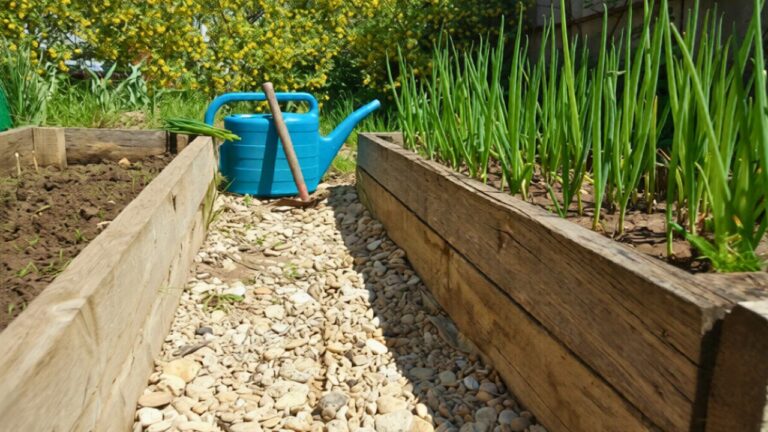
Even functional items such as large sheds or extensive raised beds can hurt curb appeal if they sit too close to the street. The front of your home should read as open, orderly, and flexible, not as a space already spoken for by hobbies or storage. By keeping major projects contained to the backyard and reserving the front for tidy landscaping, a welcoming entry, and a clear view of the facade, you protect both aesthetic appeal and resale value. Thoughtful restraint outside can be just as powerful as any upgrade, helping you avoid “improvements” that quietly work against you.
Like Fix It Homestead’s content? Be sure to follow us.
Here’s more from us:
- I made Joanna Gaines’s Friendsgiving casserole and here is what I would keep
- Pump Shotguns That Jam the Moment You Actually Need Them
- The First 5 Things Guests Notice About Your Living Room at Christmas
- What Caliber Works Best for Groundhogs, Armadillos, and Other Digging Pests?
- Rifles worth keeping by the back door on any rural property
*This article was developed with AI-powered tools and has been carefully reviewed by our editors.