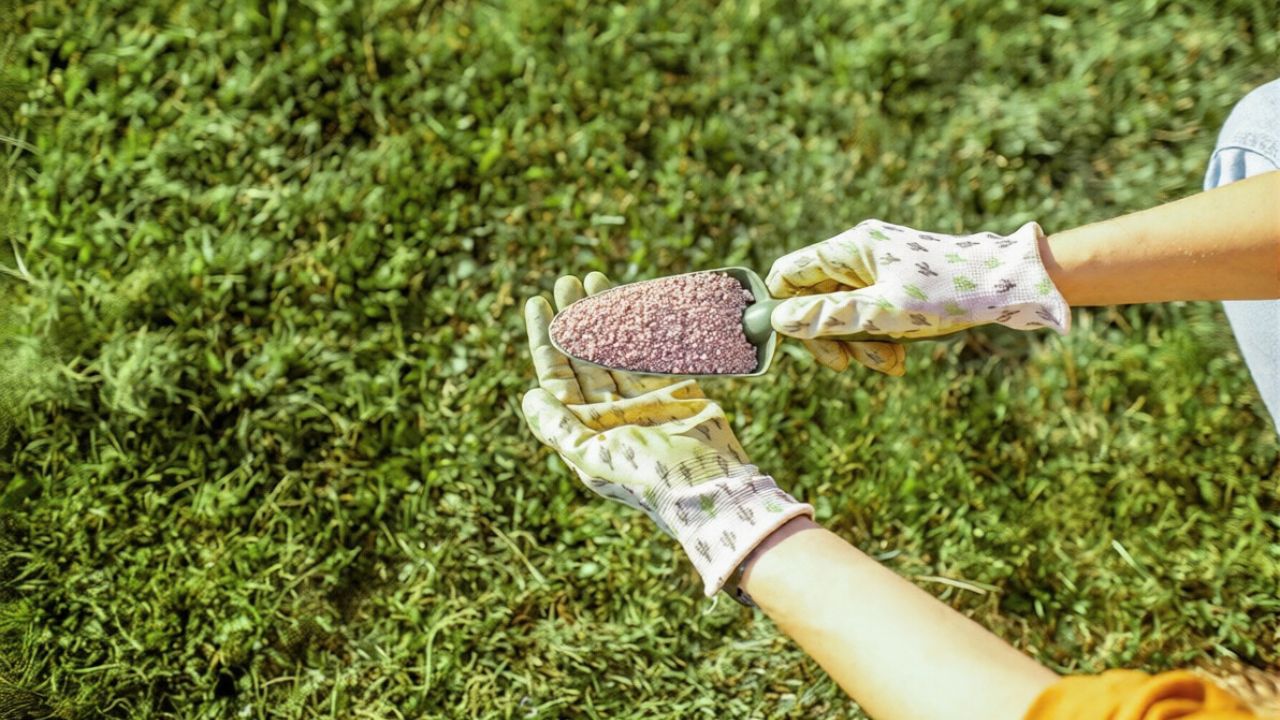
10 Spring Lawn Care Myths That Waste Time and Money
Photo credit: RossHelen/Shutterstock.com
Spring pushes you back outside, and your lawn suddenly looks like a test you forgot to study for. You reach for the hose, crank the mower lower, and grab a bag of fertilizer because that is what you have always heard you should do. Yet a surprising number of familiar spring rituals quietly waste your time and money while leaving the grass weaker.
Strip away the folklore and marketing promises, and good turf care turns out to be less about doing more and more about doing the right things at the right moments. By dropping ten persistent myths, you give yourself a better shot at thicker grass, lower water bills, and fewer Saturday afternoons lost to unnecessary work.
1. Myth: Watering Your Lawn Every Day Is Essential
You have probably heard that daily watering is the safest way to keep grass from drying out once temperatures climb. In reality, constant moisture encourages shallow roots that depend on you instead of digging deeper into the soil. Several professional guides explain that watering your lawn every day is not essential and that overdoing it can be just as harmful as neglect, because soggy soil limits oxygen and invites disease. One advisory on Lawn Care Myths points out that the belief in watering your lawn every day as an absolute requirement is a myth, and that your goal should be less frequent, deeper soakings that penetrate several inches into the root zone.
Watering this way trains roots to chase moisture downward, which makes the turf more resilient between rains and less dependent on your irrigation system. A separate guide on water efficiency flatly labels the idea that watering your lawn every day keeps it healthy as a myth and emphasizes that you should adjust frequency to your soil type and weather instead of the calendar. If you see footprints remain in the grass or the blades fold and look dull, that is when you water, not just because the clock says 7 a.m.
2. Myth: Cutting Grass Short Saves Time
It feels efficient to drop the mower deck and scalp the lawn in early spring so you can mow less often. However, multiple professional sources warn that this shortcut backfires by stressing the grass and exposing soil to heat and weeds. One detailed breakdown of Lawn Care Myths identifies “Myth 1: Cutting Grass Short Saves Time” and explains that when you mow too low you remove too much of the leaf blade in a single pass, which weakens photosynthesis and makes the turf more vulnerable to pests and disease.
Other experts echo that mowing too short is one of the most common lawn care mistakes because it exposes the crown of the plant and can even burn the lawn in strong sun. A guide on Top Lawn Care singles out mowing too short as a major reason grass thins out instead of becoming lush and healthy. Industry advice collected on Seven Lawn Care even phrases it as “Myth 2: Shorter Grass Is Better” and recommends keeping turf taller so it can shade the soil, conserve moisture, and crowd out weeds. If you follow the one-third rule and never remove more than the top third of the blade at a time, you usually end up mowing a bit more often in spring but with far better results.
3. Myth: More Fertilizer Always Means a Healthier Lawn
Fertilizer bags promise a quick path to deep green color, so it is easy to assume that a heavier application in spring will automatically give you a better lawn. Several sources caution that this mindset can waste money and damage turf. One discussion of Myth 4: More explains that overfeeding can burn grass blades, push excessive top growth that depletes root reserves, and send unused nutrients into storm drains. Another short briefing on spring green up calls out the belief that “If I want spring green up I need fertilizer” as a myth and urges you to think about timing and soil needs instead of reflexively spreading product as soon as the weather warms.
Professional agronomy advice stresses that fertilizer application timing in spring should follow soil temperature and turf growth, not the first warm afternoon. A university extension guide on an early spring lawn even uses the phrase “hurry up and wait” to describe how you should hold off until the grass is actively growing, which helps roots use nutrients efficiently instead of letting them leach away. When you combine soil testing with a measured feeding schedule, you usually end up buying less product over the season and get steadier color instead of a brief neon flush followed by disease and thatch.
4. Myth: Spring Is the Best Time to Reseed Any Problem Area
Once snow melts, bare patches jump out and you naturally want to fix them with seed right away. However, industry groups that surveyed their professional members about common myths found that the best time to replace the lawn is not always spring. The organization NALP, which grew out of PLANET, gathered feedback on 10 most common and highlighted that many homeowners assume spring is ideal for major seeding projects, even though fall often offers better soil temperatures, fewer weeds, and more consistent moisture.
Spring seeding can still have a role, especially when you are patching small damaged spots, but you need to understand its limits. A list of spring lawn care flags “Seeding in the Spring” as a common misstep because new seedlings must compete with crabgrass and other annual weeds that also germinate as soil warms. If you overseed heavily in spring, you may also disrupt your ability to apply pre emergent herbicides that protect against crabgrass, since many of those products will block grass seed as well. In many climates you get better long term results by planning significant seeding for late summer into early fall and using spring for modest repairs and weed prevention.
5. Myth: Grass Clippings Always Cause Thatch and Should Be Bagged
Bagging clippings feels tidy, and you may have heard that leaving them on the lawn will create a thick thatch layer. Industry research has repeatedly found that normal mowing clippings break down quickly and do not significantly contribute to thatch. The professional association PLANET, which participated in identifying ten common myths, specifically addressed the misconception that clippings contribute significantly to thatch and explained that they are mostly water and decompose into valuable organic matter when you mow at the right height.
Leaving clippings on the lawn can actually feed the turf by recycling nitrogen and reducing your fertilizer needs. One guide to lawn care misconceptions tells you directly that it is okay to leave grass clippings on your lawn and that they will not hurt the turf. When you use a mulching mower and follow the one-third rule, the pieces are small enough to filter down between blades rather than smothering them. You save time by skipping the bagging, avoid disposal fees, and quietly improve soil structure at the same time.
6. Myth: You Can Aerate by Wearing Spiked Shoes While You Mow
Spiked shoes marketed for lawn aeration promise a quick fix: strap them on, walk around, and you supposedly open up compacted soil. Turf specialists consistently describe this as an old wive’s tale. A technical note on aerifying and dethatching specifically warns you not to succumb to the idea that mowing your lawn in golf shoes will aerate it, because the spikes do not go deep enough to relieve compaction and can actually create more surface damage.
Independent testing backs this up. A summary of top lawn care states “Nope” in response to the claim that spiked shoes work, and notes that most scientific studies show they are ineffective for aeration and can even compact the soil further between the holes. A university extension page on general lawn info reinforces that point by explaining that while spiked tools are available from many garden catalogs, they are not very effective if your lawn is truly compacted, and that you should choose core aeration instead. When you rent or hire a core aerator that pulls plugs, you actually create channels for air, water, and roots, which is what your turf needs.
7. Myth: Spring Is the Time for Heavy Dethatching
Thatch can become a problem, but the idea that you should aggressively dethatch every spring has turned into a habit that often does more harm than good. A seasonal schedule on Ultimate Lawn Care explains that it is vital to dethatch the lawn once per year, ideally in the spring from March until May, but also stresses that you should make sure to dethatch before applying pre emergent herbicides. If you rake too aggressively or at the wrong time, you can tear up healthy grass and strip away protective organic matter.
Some consumer advice pieces even caution against knee jerk spring dethatching, especially when the lawn is still recovering from winter. A practical guide on spring lawn myths reminds you that you do not always need to de thatch in the spring and that you should first check how thick the thatch layer really is. If it is less than about half an inch, it often helps with cushioning and moisture retention. By testing with a small spade and targeting only areas with genuine buildup, you avoid renting equipment and spending hours raking when a simple core aeration or mowing height adjustment might be enough.
8. Myth: Spring Means Turning on Irrigation and Fertilizer Immediately
Once temperatures rise, it is tempting to flip on the sprinkler system and spread fertilizer the same weekend you uncover the patio furniture. Water conservation experts and university agronomists suggest a more patient approach. In a municipal water wise bulletin, turf specialist Schild explains that as growing greenery increases, the overall root system in the grass can actually decrease if you rush watering and fertilizing too early, and advises that lawns which were fertilized last fall often do not need more until the end of April or early May. The document on when to start underscores that premature irrigation can reduce root depth and waste water.
Private lawn services echo that early spring is a time to inspect, not to saturate. A checklist of lawn care mistakes warns against watering too soon or too often, and encourages you to wait until the soil actually needs moisture. Similarly, the university guidance on an early spring lawn frames fertilizer timing as another decision where you should “hurry up and wait,” letting the grass wake up on stored reserves before you feed it. By checking soil moisture with a screwdriver and watching for genuine growth instead of just calendar dates, you prevent runoff, reduce disease pressure, and keep your utility bills in check.
9. Myth: More Products and Effort Always Equal a Better Spring Lawn
Retail aisles and online ads encourage you to believe that every lawn problem has a separate product, and that stacking them in spring guarantees a standout yard. Professional maintenance firms repeatedly see the opposite pattern: homeowners who throw herbicides, insecticides, and extra fertilizer at vague symptoms often spend more and end up with thinner turf. A detailed breakdown of Lawn Care Mistakes explains that some of the most expensive errors involve guessing at problems and applying multiple products without a diagnosis, especially when fertilizing lawns or trying to correct discoloration.
Like Fix It Homestead’s content? Be sure to follow us.
Here’s more from us:
- I made Joanna Gaines’s Friendsgiving casserole and here is what I would keep
- Pump Shotguns That Jam the Moment You Actually Need Them
- The First 5 Things Guests Notice About Your Living Room at Christmas
- What Caliber Works Best for Groundhogs, Armadillos, and Other Digging Pests?
- Rifles worth keeping by the back door on any rural property
*This article was developed with AI-powered tools and has been carefully reviewed by our editors.