10 Spring Yard Cleanup Mistakes That Bring Pests Right Back
Photo credit: MintImages/Shutterstock.com
Spring cleanup is your chance to reset the yard after winter, but a few common missteps can turn that fresh start into a pest magnet. Rushing the timing, piling debris in the wrong places, or watering and mulching without a plan quietly rebuilds the perfect habitat for insects, spiders, and rodents. To encourage bugs and wildlife to move on instead of boomeranging back, treat cleanup as pest management, not just cosmetic maintenance.
Once you understand how clutter, moisture, and plant choices shape where pests live and feed, the same weekend chores can deliver a long season of fewer bites, less damage, and a healthier lawn. The difference comes down to avoiding a handful of predictable mistakes and replacing them with small, targeted tweaks.
1. Starting cleanup too early and stripping away beneficial insects
When the first warm spell hits, you might feel pressure to cut everything down and rake every leaf. Move too fast, and you destroy the winter shelter that beneficial insects use to survive, removing them before they can help you control pests. People often start yard cleanup too early in spring, and pollinator experts such as Clay Bolt, who is the Manager of Pollinator Conservation for World Wildlife Fund, warn that excitement can push you to clear stems and leaves while helpful species are still dormant inside the debris.
Dry stems and leaf piles may look messy, but they serve as critical habitat for bumble bee queens and other allies that prey on soft-bodied pests. Hauling that material away too soon does not just remove cover; it may also send beneficial insects to the trash along with the plant debris. Waiting until temperatures are consistently warmer before you cut perennials to the ground or shred leaves gives those hidden predators time to emerge and start feeding on early aphids and other problem bugs.
2. Leaving piles of leaves and branches where pests can nest
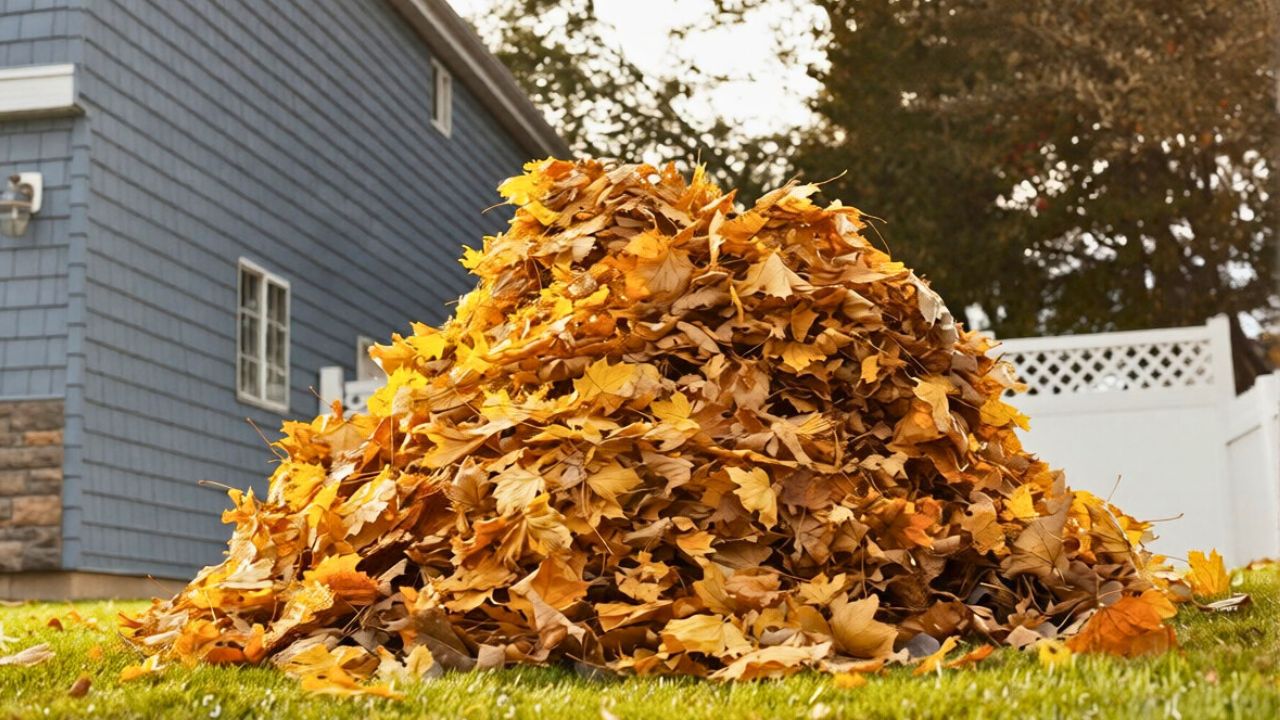
Once you finally start cleanup, it is easy to trade one problem for another by leaving raked leaves and pruned branches in piles that sit for weeks. Those heaps trap moisture and create dark, protected pockets that appeal to everything from ticks to spiders. Guidance on winter and early spring yard preparation stresses that you should rake up and remove fallen leaves and branches instead of using them in compost if they are heavily matted or diseased, because dense debris can harbor pests that will spread into your lawn as temperatures rise.
Stacking wood or branches directly against your foundation or fence also gives rodents and insects a bridge into the structures you care about most. Yard clutter and unmanaged organic waste raise the risk of attracting nuisance wildlife that likes cover, such as skunks and rabbits, which can dig, chew, and spread parasites. If you need to stockpile branches for chipping or firewood, keep stacks off the ground on a rack and position them well away from the house.
3. Ignoring standing water that breeds mosquitoes
One of the fastest ways to guarantee a miserable summer evening is to overlook small pockets of water around your yard. Mosquitoes rely on standing water to lay eggs, and even a shallow layer in a forgotten bucket or clogged gutter can support a large hatch. Pest professionals point out that mosquitoes love standing water, and that once they emerge, other biting insects and predators follow, looking for the bugs that congregate near damp areas.
Spring cleanup should always include a slow walk around your property to dump saucers, unclog downspouts, and correct low spots where puddles linger. Improper drainage around the foundation of your home can result in standing water that fuels not only mosquito infestations but also structural issues over time. If you have decorative ponds, you can treat them with products that target mosquito larvae, and you can follow checklists that describe how mosquitoes are known to transmit diseases such as West Nile and Zika so you understand why those small pools matter so much.
4. Overwatering and creating soggy, pest-friendly soil
Once you have cleared winter debris, you might be tempted to drench the lawn and beds to kickstart growth. Overwatering does the opposite of what you want, because it weakens plant roots and creates soggy soil that attracts pests. Terry Keyzer, who is the Technical Service Manager for Lawn and Ornamental Vegetation Management at Terminix, warns that overwatering is one of the most common garden mistakes that actually attracts pests, since damp conditions favor fungi, root rot, and the insects that feed on stressed plants.
Watering habits also shape when leaves stay wet and how quickly soil dries. Advice for gardeners who want fewer pests emphasizes that you should water your plants early in the morning so the soil can dry throughout the day, which makes it less inviting to slugs and fungal disease. Constantly keeping the top layer saturated invites problems such as slugs, which thrive in cool, wet environments and can strip seedlings overnight. Adjusting your irrigation schedule and checking that sprinklers are not hitting sidewalks or walls will reduce both waste and pest pressure.
5. Letting lawn care slide so pests move in
Skipping regular mowing and edging in spring might feel like a minor time-saver, but it quickly turns your yard into a patchwork of tall grass, thatch, and bare spots that pests love. Poor lawn care can lead directly to pest problems because dense, unmowed turf and thick thatch give insects and rodents more cover to move without being seen. Allowing grass to grow too long and then scalping it also stresses the plants and creates thin areas where weeds and insects can take hold.
As spring arrives in regions such as Arkansas and Oklahoma, lawn care experts stress the importance of consistent mowing, aeration, and fertilization in preventing spring pests. A healthy, well maintained lawn is less likely to suffer large outbreaks of chinch bugs, grubs, or other common spring lawn, which often target weak or waterlogged turf. Keeping grass at the recommended height, removing excessive thatch, and cleaning up clippings instead of letting them mat down gives you a thicker stand that naturally resists invaders.
6. Misusing mulch and creating hidden pest highways
Mulch is one of your best tools for conserving moisture and suppressing weeds, but if you pile it too high or press it against trunks and foundations, you create a perfect pest corridor. Guidance on spring gardening mistakes highlights that ignoring mulching best practices can cause problems, because mulch does much more than make beds look tidy. Thick, damp layers can keep bark surfaces wet and give insects a protected route from soil to stems and siding.
Building mulch volcanoes around trees or mounding it against your house gives pests a bridge that bypasses open ground. Spiders, ants, and other insects use that cover to move unseen. Landscaping advice that looks at why spiders are attracted to your yard notes that all pests need shelter, food, and water, and that letting ivy or vines climb walls or leaving mulch pressed tightly against structures traps moisture and hides webs. Keeping mulch at a moderate depth and pulling it a few inches back from trunks and foundations lets air circulate and makes it harder for pests to nest right where you do not want them.
7. Leaving clutter, wood, and trash where pests can hide
Spring cleaning often focuses on plants and soil, while the non-living clutter around the yard quietly turns into prime pest habitat. Old planters, kids’ toys, unused grills, and stacked building materials all create shaded, protected spaces where insects and rodents can nest. Landscaping guidance that looks at what attracts pests to your home points out that yard clutter and improper irrigation are two of the biggest issues that increase the risk of attracting pests, because they combine cover with moisture.
Trash and pet food storage are part of the same pattern. Best practice recommendations say you should always store pet food indoors in sealed containers and keep household trash in bins with tight lids, since open bags and spilled kibble invite everything from ants to raccoons. Leaving cardboard boxes, old furniture, or firewood on bare soil also attracts wood-destroying insects such as carpenter ants, which can move from logs into structural wood. A thorough spring sweep that removes or neatly stores these materials makes your yard less appealing to pests before populations spike.
8. Treating all insects as enemies and wiping out natural controls
When you see movement in the garden, it is tempting to reach for a broad-spectrum spray and clear everything out. That impulse often backfires, because you remove predators and pollinators that would have kept problem species in check. Common gardening advice warns against killing non-target insects, since many of the bugs you see on foliage are either neutral or helpful. Lady beetles, lacewings, and parasitic wasps all feed on sap-sucking pests that damage your plants.
One of the most effective ways to keep aphids under control is to encourage ladybugs and other natural enemies instead of wiping them out with indiscriminate treatments. Aphids themselves can be monitored and managed with targeted methods that spare beneficials, as explained in resources that describe how aphids feed on plant sap and distort new growth. Treating every insect as a threat creates a vacuum that fast-breeding pests quickly fill. A smarter approach is to identify what you are seeing, decide whether it is harmful, and use the least disruptive control that solves the problem.
9. Overlooking hidden shelters where pests regroup
Even if your beds and lawn look immaculate, pests can persist in the overlooked corners of your property. Gaps under sheds, cracks in retaining walls, and dense groundcovers provide shelter that lets insects and spiders ride out your cleanup efforts. Landscaping guidance focused on spiders explains that they are attracted to your yard when it offers shelter, food, and water, and that letting ivy or vines climb structures or failing to trim plants so air can circulate gives them exactly what they need.
Some of the most stubborn pests prefer tight, dark refuges that you barely notice. Earwigs, for example, hide in crevices during the day and emerge at night to feed, which means you may not see them until damage is obvious. You can learn more about how earwigs behave and where they hide, then target those spots in your cleanup by lifting boards, clearing dense mulch, and sealing cracks near foundations. At the same time, you should be aware of more dangerous species such as Black Widows, which prefer undisturbed, cluttered areas and can pose a health risk if you reach into their webs. By pairing visible cleanup with attention to these hidden shelters, you prevent pests from regrouping just out of sight and returning as soon as your back is turned.
Like Fix It Homestead’s content? Be sure to follow us.
Here’s more from us:
- I made Joanna Gaines’s Friendsgiving casserole and here is what I would keep
- Pump Shotguns That Jam the Moment You Actually Need Them
- The First 5 Things Guests Notice About Your Living Room at Christmas
- What Caliber Works Best for Groundhogs, Armadillos, and Other Digging Pests?
- Rifles worth keeping by the back door on any rural property
*This article was developed with AI-powered tools and has been carefully reviewed by our editors.