Oil surges past $100 as Middle East conflict rattles global markets
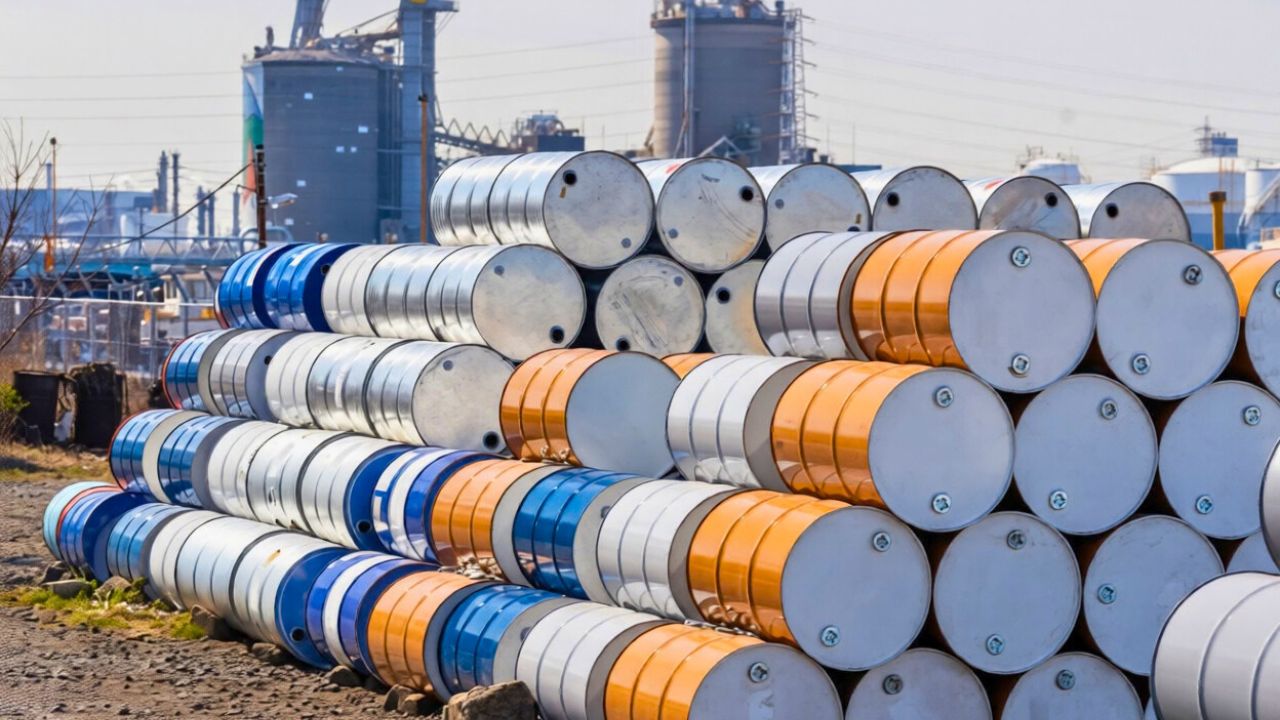
Photo credit: Vichie81/istock.com
Oil has vaulted back above the $100-per-barrel threshold as the war involving Iran, Israel and the wider Middle East spills into critical energy infrastructure. The surge is reviving memories of earlier price shocks and forcing governments, central banks and households to rethink their assumptions about inflation and growth.
Traders now see the conflict not as a short-lived flare-up but as a structural risk to global supply, with shipping lanes, production sites and strategic stockpiles all suddenly part of the battlefield.
Strait of Hormuz in the crosshairs
At the heart of the spike is Iran’s tightening grip on the Strait of Hormuz, the narrow chokepoint that handles a large share of global crude and liquefied natural gas flows. Energy analysts say markets are on edge as Iran and Israel wage war across the region and as Tehran signals it is prepared to use that leverage.
Reporting on Iran’s stranglehold highlights how even the threat of disrupted tanker traffic is enough to keep prices elevated, since refiners and shippers must price in longer routes, higher insurance and the risk of sudden closures.
The conflict has already seen Iranian attacks on economic targets across the Middle East, reinforcing the sense that energy infrastructure is fair game. As those attacks accumulate, traders are increasingly reluctant to bet on a quick return to normal flows.
Prices smash through psychological barriers
The immediate trigger for the latest leg higher was the moment oil “smashed through” $100 a barrel earlier in Mar as the Middle East conflict entered its second week, a move that signaled to many investors that the shock was broadening rather than fading.
Benchmark futures have staged their own dramatic run. At one session peak, Brent and WTI jumped to intraday highs of $119.50 and $119.48 respectively, levels not seen since 2022 and a clear sign of how aggressively traders are repricing supply risk.
Those spikes have been accompanied by heavy volumes in Crude Oil WTI Futures Historical Data, where the Date, Price, Open, High and Low columns now track some of the widest daily ranges in years as algorithms and human traders scramble to adjust positions.
For many in the market, the key is not just that oil has crossed $100 again but that it is staying there. Analysts point to a pattern of repeated tests of that line, which suggests a durable shift in expectations rather than a one-off panic.
War, sanctions and shipping risk
The war involving the United States, Israel and Iran has layered fresh geopolitical risk on top of an already tight market. As the conflict expands, traders are watching for new sanctions, counterattacks on production facilities and further missile or drone strikes on tankers.
One account of supply fears emphasizes how quickly prices reacted once it became clear that shipping through the Gulf could be impeded and that insurance costs for vessels might surge.
In Europe, the price for a barrel of North Sea Brent crude oil reportedly jumped by up to 29 percent to almost 120 dollars overnight on Monda, with each barrel representing 159 liters of fuel. That move underlined how exposed European refiners remain to shocks that start thousands of miles away.
Across the Atlantic, U.S. benchmarks have been pulled higher in sympathy, with domestic producers benefiting from higher realized prices even as refiners and consumers brace for more expensive imports.
From crude markets to gas pumps
For households, the most visible effect is at the gas station. The Iran war is driving up US gas and oil prices, with graphics tracking how the conflict is feeding directly into higher pump costs for drivers from California Atlanta Chicago Just Curious Best to smaller towns in the Midwest.
Analysis of how Iran war dynamics filter into retail fuel shows a familiar chain: higher crude benchmarks, wider refining margins as plants struggle to keep up, and then incremental increases in posted gasoline prices that accumulate week after week.
In some European markets, motorists are already paying significantly more per liter than they did before the conflict, a direct reflection of the surge in North Sea Brent and the weaker euro against the dollar.
For lower income households, these increases act like an immediate tax, leaving less room for essentials such as rent, groceries and utilities.
Global economy back on an inflation watch
The jump above $100 is reviving concerns that central banks had hoped were fading. After a year of gradual disinflation, policymakers now face a new supply shock that they cannot easily offset without risking recession.
One detailed account of how oil surges past describes a global economy “reeling” as higher energy costs feed into everything from airline ticket prices to the cost of shipping containers across oceans.
For emerging markets that rely heavily on imported fuel, the pressure is especially acute. Many of those governments have limited fiscal space to subsidize energy and are already wrestling with high interest costs on dollar debt.
Investors are now reassessing growth forecasts, with some trimming expectations for output later this year as higher energy costs weigh on manufacturing, transport and consumer spending.
Market mechanics and volatility
Behind the headline prices, derivatives markets are flashing stress signals. Volatility in short dated futures and options has jumped as traders hedge against further supply disruptions or a sudden peace deal that could send prices sharply lower.
Historical series such as Crude Oil WTI show how unusual recent swings have been compared with the relatively calm trading that prevailed before the conflict.
Some investors are also turning to alternative assets. Research on ways to position in gold amid the ongoing Middle East war highlights how the metal often serves as a hedge when energy prices spike and geopolitical risk rises.
Others are focusing on energy equities, where integrated majors, pipeline operators and some refiners have rallied on the back of higher margins even as broader equity indices struggle.
Data, transparency and the role of platforms
The speed with which information travels has become a critical part of how these shocks play out. Platforms such as Google Finance, which provides a disclaimer on how it sources and presents financial security data, help retail investors track real time moves even if they do not trade directly in futures.
At the same time, social media clips, including commentary from Ruth Carson on the Middle East conflict and the $100 level, can amplify market narratives that may or may not align with underlying fundamentals.
For policymakers, the challenge is to separate signal from noise, drawing on official data, shipping reports and credible market intelligence rather than reacting to every intraday swing.
What to watch next
In the near term, the key variables are clear. Any sign that Iran will further restrict traffic through the Strait of Hormuz, or that attacks on tankers and infrastructure are intensifying, is likely to keep Brent and WTI pinned near recent highs or push them toward the $119.50 and $119.48 peaks again.
A credible diplomatic effort that reduces the risk of a wider regional war could instead trigger a sharp correction, especially given how crowded some bullish positions have become.
Consumers, meanwhile, will continue to feel the impact at the pump and in utility bills long after the front month futures contract settles. Even if prices drift back below $100 later this year, the shock has already reminded the world how quickly conflict in the Middle East can reorder global markets.
Like Fix It Homestead’s content? Be sure to follow us.
Here’s more from us:
- I made Joanna Gaines’s Friendsgiving casserole and here is what I would keep
- Pump Shotguns That Jam the Moment You Actually Need Them
- The First 5 Things Guests Notice About Your Living Room at Christmas
- What Caliber Works Best for Groundhogs, Armadillos, and Other Digging Pests?
- Rifles worth keeping by the back door on any rural property
*This article was developed with AI-powered tools and has been carefully reviewed by our editors.