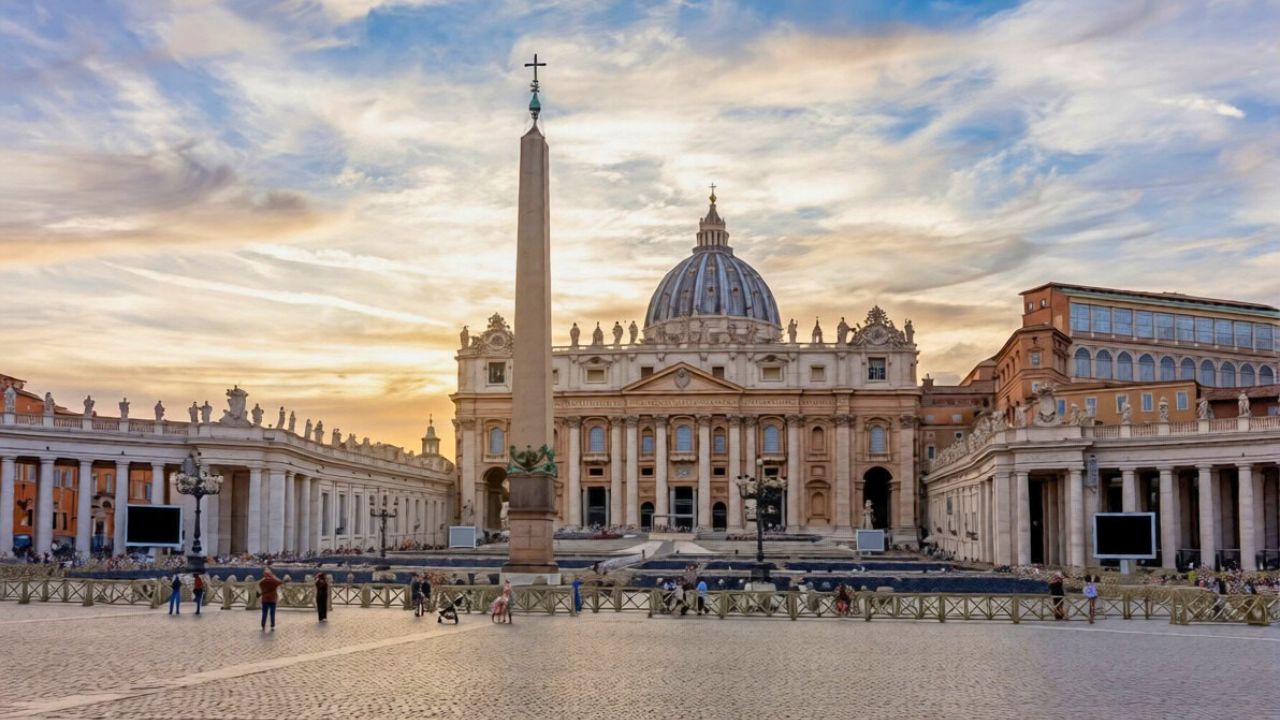
Vatican diplomacy leads to surprise prisoner release deal with Cuba
Photo credit: Mistervlad/Shutterstock.com
Cuba has agreed to free 51 prisoners after quiet talks with the Vatican, a move that instantly pushes the Holy See back into the center of Caribbean diplomacy. The decision comes at a moment of deep economic strain and sharpened pressure from Washington, turning a humanitarian gesture into a test of whether back-channel dialogue can ease a broader standoff.
The announcement also revives memories of earlier Vatican roles in thawing relations between Havana and the United States, while raising new questions about how far this latest mediation can go and who will benefit most from the goodwill it generates.
How the Vatican deal took shape
The Cuban government said it would release 51 prisoners after negotiations with Vatican officials, describing the move as a sovereign decision shaped by humanitarian considerations and the religious calendar of Holy Week in Mar, when Catholics focus on forgiveness and mercy. In official language, authorities cast the agreement as part of a broader review of cases rather than a concession to outside pressure.
According to a detailed account of the talks, the Vatican used its traditional channels with Havana to press for clemency, presenting the releases as a gesture that could ease social tensions while reinforcing space for religious life in Cuba. That mediation, conducted away from public view, culminated in the announcement that 51 people would be freed in the coming days.
Cuban officials stressed that the decision was taken in Havana, not imposed from abroad, but acknowledged that the Vatican had played a central role in identifying cases and shaping the timing. The Holy See, for its part, presented the outcome as part of its long-standing commitment to prisoners and to dialogue with governments that often stand at odds with Western powers.
International coverage of the announcement highlighted that the list of those set to leave prison includes people convicted of offenses that Cuban authorities describe as common crimes, even as critics abroad argue that many detainees are held for political reasons. The government did not concede that it holds political prisoners, a position it has defended consistently in previous human rights debates.
Who is being freed, and why it matters
The 51 prisoners covered by the agreement are expected to walk out of custody gradually, rather than in a single mass release, allowing Cuban authorities to manage logistics and security while still signaling a clear break from past refusals to engage on detention cases. Human rights advocates outside the island have already begun to scrutinize the names that surface, looking for signs that prominent dissidents or protesters are among those benefiting.
In its statement, Cuba emphasized that similar acts of clemency have taken place before, noting that it has granted pardons to 9,905 inmates since 2010 and early release to another 10,000 in the past three years. By citing those figures, officials sought to place the new agreement within a pattern of periodic leniency, rather than as a one-off concession tied to current diplomatic pressure.
Families of detainees, many of whom have campaigned for years for the release of relatives arrested after protests or accused of economic crimes, reacted with cautious hope. Some opposition groups welcomed the news but warned that dozens of other prisoners remain behind bars under charges they view as politically motivated, a claim the government rejects.
Cuban authorities have not fully disclosed the criteria used to select the 51 people, leaving room for speculation about whether the Vatican prioritized humanitarian cases, such as the sick or elderly, or whether negotiators also pressed for individuals whose imprisonment had become a diplomatic irritant. Without an official list, that question remains unresolved and must be treated as unverified based on available sources.
Vatican leverage and the US angle
The prisoner deal underscores how the Vatican has quietly expanded its role as a go-between in contacts involving Cuba and the United States. Analysts tracking recent talks say Vatican diplomats have served as discreet hosts and messengers as the Trump administration and its allies escalate pressure on Havana following bombing campaigns that have rattled the region.
In that context, the release of 51 detainees functions as a signal to Washington that Havana is still open to dialogue, particularly when it can be framed as a humanitarian step rather than a political retreat. The fact that the arrangement emerged from conversations in Rome, rather than through direct bilateral talks with the United States, allows all sides to test gestures without appearing to soften their public positions.
Commentary around the deal has already fueled speculation that it could feed into wider discussions about sanctions relief or at least a pause in new punitive measures. Some observers argue that the Vatican is uniquely positioned to speak to both Cuban leaders and American officials who value the Holy See’s moral authority, even when they disagree on policy.
Others caution that the structural issues driving US pressure, including accusations of repression and support for allied governments in the region, will not be resolved by a single prisoner release. They view the agreement as a confidence-building step at best, one that may create space for further talks but does not guarantee any shift in Washington’s approach.
Domestic pressures inside Cuba
The timing of the announcement reflects intense internal strain. Cuba is grappling with shortages of food, fuel, and medicine, along with a migration wave that has seen large numbers of Cubans leave for the United States and other destinations. Those pressures have translated into sporadic protests and a climate of frustration that the government is eager to ease.
By presenting the releases as part of a spiritual season and as evidence of responsiveness, the authorities hope to show that they are listening to grievances without conceding on the core political model. The involvement of the Vatican also helps the leadership frame the gesture in moral and religious terms, which can resonate with citizens who maintain strong Catholic or other Christian identities.
At the same time, the move allows Havana to remind international audiences that it has a track record of pardons and early releases that predates the current crisis. The figures of 9,905 pardons and 10,000 early releases are being deployed as proof that the system contains mechanisms for mercy, even if those mechanisms operate on the state’s terms.
Critics inside and outside the country argue that such numbers do not address concerns about due process, restrictions on expression, or the criminalization of dissent. For them, the key test will be whether the 51 people now slated for freedom include those jailed after protests or for political organizing, and whether future cases are handled with greater transparency.
Holy Week symbolism and international reaction
The decision to anchor the agreement in the religious celebrations of Holy Week gives the Vatican a clear narrative: forgiveness, reconciliation, and care for the imprisoned. For Cuban leaders, that same timing provides cover to present the move as a gesture of faith and compassion rather than a response to diplomatic isolation.
Internationally, governments that have pressed Havana on human rights welcomed the releases while calling for more systemic change. Human rights organizations praised the involvement of the Vatican and urged it to keep pressing for additional steps, including broader amnesties and improved prison conditions.
Within the Catholic Church, the outcome is being cited as fresh evidence that quiet, persistent engagement can yield results even in contexts where public confrontation has stalled. Advocates of this approach point to the prisoner deal as a case study in how religious diplomacy can open doors that formal state channels struggle to unlock.
Skeptics counter that such engagement risks legitimizing governments that continue to restrict civil liberties, especially if symbolic gestures are not followed by deeper reforms. They argue that without sustained pressure and clear benchmarks, agreements of this kind can become public relations tools rather than catalysts for change.
What comes next for Vatican mediation
Like Fix It Homestead’s content? Be sure to follow us.
Here’s more from us:
- I made Joanna Gaines’s Friendsgiving casserole and here is what I would keep
- Pump Shotguns That Jam the Moment You Actually Need Them
- The First 5 Things Guests Notice About Your Living Room at Christmas
- What Caliber Works Best for Groundhogs, Armadillos, and Other Digging Pests?
- Rifles worth keeping by the back door on any rural property
*This article was developed with AI-powered tools and has been carefully reviewed by our editors.