I tried using bark mulch on a slope and watched half of it wash away
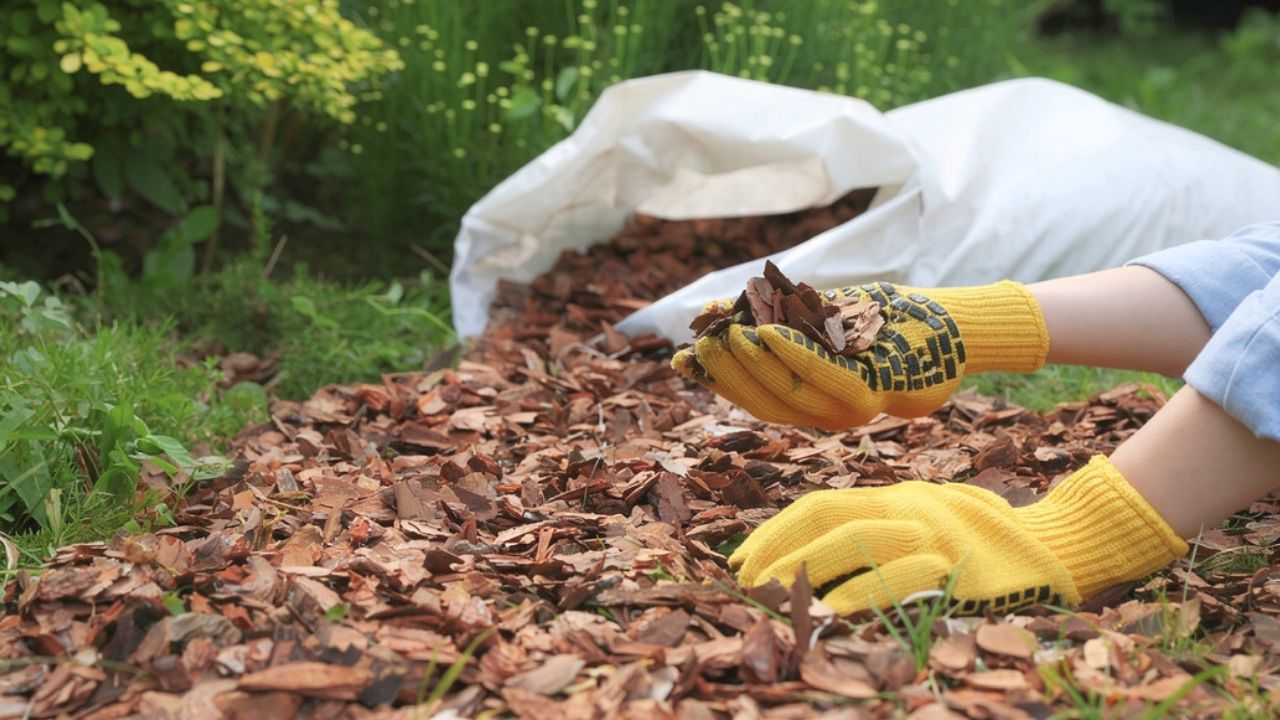
Photo credit: New Africa/Shutterstock.com
Homeowners often learn the hard way that bark mulch on a steep hill can behave more like a loose avalanche than a ground cover. After one strong storm, half a carefully spread layer can end up in the driveway, the street, or piled against a fence at the bottom of the grade. The result is not just messy beds, but exposed soil that erodes, compacts, and sends sediment into drains.
Mulch on a slope remains one of the most affordable erosion tools available, but only when it is matched to the site and reinforced with smarter grading, plant choice, and physical barriers. The difference between a slope that sheds bark and one that holds it often comes down to a few technical details that are easy to miss at the start of a weekend project.
Why bark slides the moment it rains
Mulch starts to migrate when water and gravity overpower the friction that keeps each chip in place. One Answer on a professional forum breaks the problem into two forces, wind and water, and notes that water, whether from rain or irrigation, is usually the main culprit on sloped beds.
On bare, compacted soil, runoff accelerates quickly, lifts small bark pieces, and carries them downhill until something stops the flow. Where the grade is steep or the slope funnels water into a narrow path, that movement becomes even more aggressive and the mulch piles at the bottom edge.
Size and shape matter as well. Lightweight bark nuggets and shredded pieces have plenty of surface area to catch moving water, but not enough weight to resist it. Once they start sliding, they can behave like ball bearings underfoot, which makes maintenance hazardous and further destabilizes the bed.
Why “just add more mulch” rarely works
Many homeowners respond to washout by throwing on another load of bark, only to watch the same pattern repeat. A second thread in the same discussion notes that bit of moisture can help mulch knit together, but too much water turns the entire layer into a sliding mat that moves as one sheet.
Thicker mulch can even make runoff worse if it sits on top of landscape fabric or plastic. Instead of soaking in, water skims over the surface, gains speed, and scours channels that get deeper after each storm.
Contractors who troubleshoot chronic washout often trace the problem back to grading. One firm that specializes in erosion control points out that improper slope or concentrates water and leaves mulch far more vulnerable during heavy rain, even when the bark itself is high quality.
Choosing mulch that can actually stay put
Material choice is the first lever homeowners can pull. One practical guide recommends starting with heavier mulch options and notes that large bark pieces that decay slowly resist movement better than fine chips.
Fibrous products can help as well. Designer Sara Bendrick highlights that the most affordable way to treat a hill is often to mulch your slope, but she draws a clear distinction between typical bark and interlocking fibers such as gorilla hair that tend to mat together and cling to the soil.
Sustainable mulches are part of the conversation too. Some eco-focused guides describe straw, shredded leaves, and wood chips as earth friendly ground that helps water soak in rather than run off, which slows erosion and reduces the energy available to push mulch downhill.
Reworking the slope so mulch gets a fair chance
Material choice only goes so far if the slope itself is shaped like a slide. Erosion specialists stress that when mulch repeatedly washes away, the root cause is usually the grade, not the product. Recontouring to soften the pitch, add terraces, or introduce shallow swales can slow water before it gathers destructive speed.
On some sites, even modest interventions help. Low timber edging, stone check dams, or short retaining walls can break up long runs of mulch and create pockets where bark can settle instead of racing downhill.
In wetter climates, storm patterns add another layer of risk. One Florida focused advisory warns that if a garden is on a slope with a history of washout, homeowners should avoid plastic sheeting under mulch because washout in the becomes far more likely when water cannot infiltrate.
Plants, fabric, and other quiet helpers
Mulch on a bare hill will always be on the defensive. The most stable slopes pair ground cover with wood chips so roots and stems anchor the soil while the mulch shields it from direct impact.
On one hillside makeover, commenters pointed out that grasses and sedges can thrive on difficult banks and that local native plants often provide dense, year round coverage that holds both soil and mulch in place.
Planting strategy matters as much as species. A video on planting strategy for walks through staggered rows and pockets that interrupt runoff and give roots time to establish before the next rainy season.
Mulch fabrics and grids can play a supporting role if they are used carefully. Some installers use biodegradable netting or jute to pin mulch until plants fill in, a middle ground between bare soil and permanent plastic that still allows water to infiltrate.
Small installation tweaks that prevent big messes
Like Fix It Homestead’s content? Be sure to follow us.
Here’s more from us:
- I made Joanna Gaines’s Friendsgiving casserole and here is what I would keep
- Pump Shotguns That Jam the Moment You Actually Need Them
- The First 5 Things Guests Notice About Your Living Room at Christmas
- What Caliber Works Best for Groundhogs, Armadillos, and Other Digging Pests?
- Rifles worth keeping by the back door on any rural property
*This article was developed with AI-powered tools and has been carefully reviewed by our editors.