A Pinhole Leak Turned Into a $7,000 Main-Line Scare — Then the Homeowner Wondered If the Plumber Broke It
Photo credit: BJP7images/Shutterstock.com
A small leak under the house can already make a homeowner nervous, but it gets a whole lot worse when the repair visit ends with another broken line and a bill that suddenly sounds closer to a major project than a simple plumbing fix.
That is what one homeowner described after finding a pinhole leak in their crawl space and calling a plumber to handle it. They shared the situation in a Reddit post on r/HomeImprovement, explaining how a repair that started with one leaking pipe turned into a dispute over a damaged main line and thousands of dollars in new plumbing work. The original Reddit post is here: https://www.reddit.com/r/HomeImprovement/comments/so01ta/plumbing_repair_disaster/
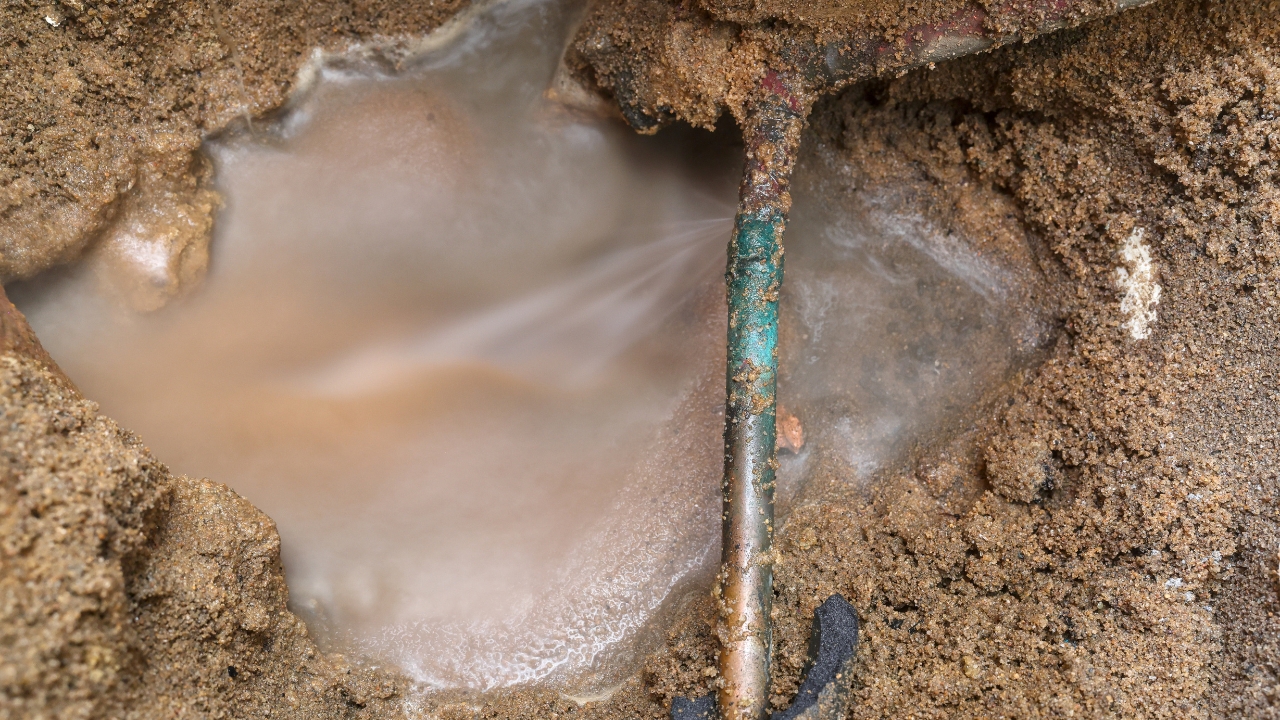
According to the homeowner, the problem started with a small pinhole leak in a pipe in the crawl space. That is the kind of repair most people want handled quickly before it causes moisture problems, mold, wood damage, or higher water bills. They called a plumber, expecting the leak to be fixed.
The plumber came out and began working on the issue. But during the repair, something else went wrong. The homeowner said the plumber broke the main line coming into the house. Suddenly, they were no longer dealing with one small leak. They were dealing with a much bigger plumbing problem tied to the water supply line.
That is where the situation got stressful. The plumber reportedly told the homeowner that the main line needed to be replaced and quoted about $7,000 for the job. For a homeowner who called about a pinhole leak, that kind of number can feel like getting hit from the side. One minute you are expecting a repair bill. The next, someone is telling you the line feeding water into the house needs a full replacement.
The homeowner was not sure what to believe. On one hand, older plumbing can be fragile. A pipe that already has a pinhole leak may be part of a larger system that is corroded, deteriorating, or nearing the end of its life. In that case, a repair attempt can reveal problems that were already waiting to show up.
On the other hand, the homeowner felt like the plumber may have caused the new damage. If the main line was working before the repair and broke during the plumber’s work, it is easy to understand why the homeowner questioned whether they should be responsible for the full cost.
That is one of the hardest parts of plumbing disputes. A homeowner usually cannot see what is happening under the house or inside the pipe. They have to rely on the professional’s explanation, even when the professional may also be the person quoting the expensive solution. That does not automatically mean the plumber is wrong, but it does mean the homeowner needs enough information to feel confident before agreeing to a major job.
The situation also raised the question of whether the plumber should have stopped and explained the risk before continuing. If a pipe is old, brittle, or likely to break during repair, many homeowners would want to know that before work proceeds. Sometimes a plumber may warn that fixing one section could cause nearby pipe to fail. Sometimes that warning is written into the estimate. Sometimes the homeowner only hears it after something breaks, which creates frustration and suspicion.
The homeowner seemed to be stuck between urgency and caution. A broken main line is not something most people can ignore for long. If the house has no water, or if water is leaking heavily, repairs may need to happen quickly. But a $7,000 quote is large enough that most homeowners would want a second opinion if there is any way to get one.
Commenters in the thread pushed the homeowner to slow the decision down if possible and gather more information. Photos, the original estimate, the plumber’s explanation, and a second opinion could all matter. If the plumber broke something through carelessness, that is one conversation. If the pipe failed because it was already corroded and could not withstand normal repair work, that is another.
For homeowners, this kind of situation is a reminder that small plumbing leaks can expose bigger problems fast. A pinhole leak might be one weak spot in a much older line. But it is also a reminder to ask questions before approving a major repair: What exactly broke? Why did it break? Was it visible before work started? Is replacement the only option? Can another plumber confirm it? Is the line under warranty? Does the plumbing company carry insurance for damage during work?
The worst time to learn those questions is when the water is off and someone is waiting for you to approve a multi-thousand-dollar repair. But that is often exactly when homeowners have to make the call.
Commenters mostly told the homeowner to get a second opinion before agreeing to a $7,000 main-line replacement, especially if the situation was not an immediate emergency. Several users said another plumber could help determine whether the line truly needed replacement or whether the first plumber had made the problem worse.
Some commenters said old galvanized or deteriorated pipe can fail when touched, cut, or disturbed, even if the plumber is careful. Others said that does not automatically let the company off the hook, especially if the worker used poor technique or failed to warn the homeowner about the risk.
A few users advised the homeowner to ask for photos and a clear written explanation of what happened. If the plumber claimed the pipe was already compromised, the homeowner needed to know why. If the main line was damaged by the repair work, the homeowner needed the company to explain whether its insurance or management would address it.
The strongest advice was to avoid making a panic decision based only on the same company that caused or discovered the larger problem. When a small leak turns into a major quote, a second set of eyes can be worth a lot.