Renter Says Maintenance Cut Holes in the Wall and Stopped Answering — Now Mold and Open Walls Are Still Sitting There
Photo credit: ungvar/Shutterstock.com
A leak is bad enough when it is hidden inside a wall. It gets even more stressful when maintenance opens the wall, finds the problem, fixes the leak, and then leaves the apartment sitting torn apart with exposed wood, visible mold, and no clear timeline for putting the place back together.
That is what one renter described after calling their landlord about water coming into the living room. They shared the situation in a Reddit post on r/Renters, explaining that maintenance cut several holes in the wall, found the plumbing issue, and then stopped showing up when it was time to repair the damage. The original Reddit post is here: https://www.reddit.com/r/Renters/comments/1df4g91/maintenance_cut_holes_in_my_wall_and_now_wont/
According to the renter, the problem started on a Friday when they noticed a puddle of water on the living room floor. The water appeared to be coming from the wall, so they called the landlord. To the landlord’s credit, maintenance came out right away. That part moved quickly.
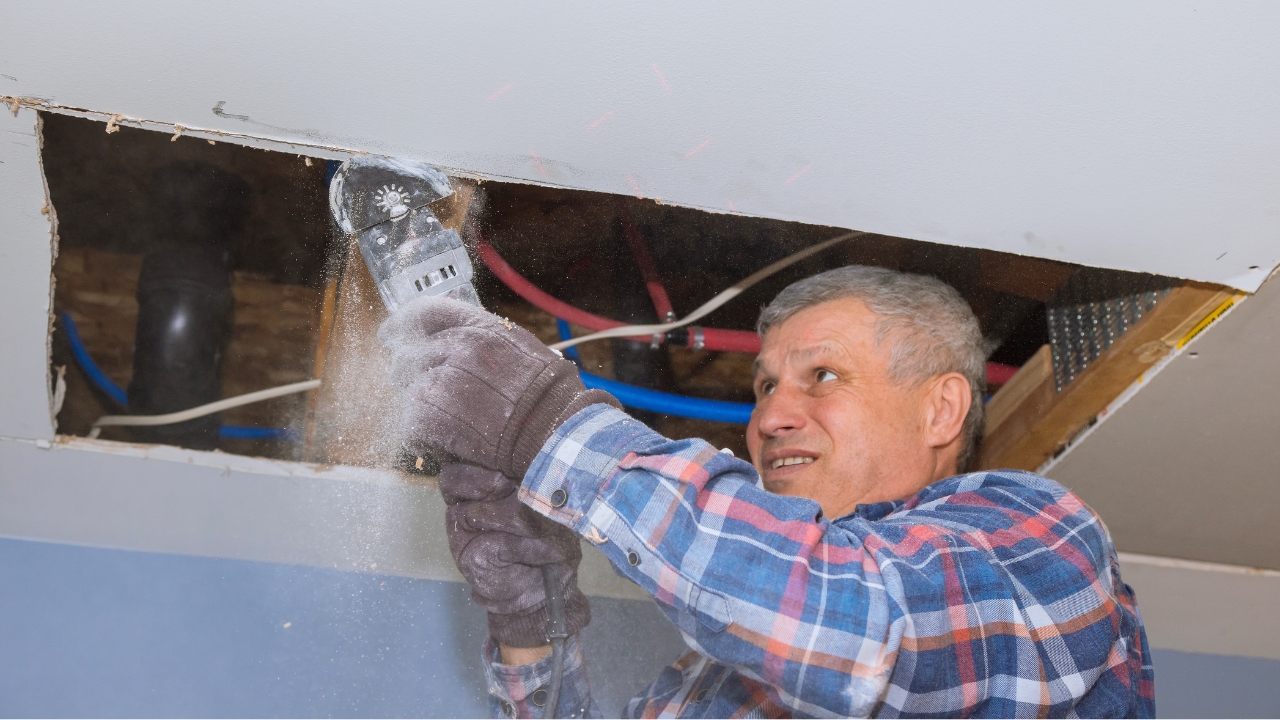
Once maintenance started opening up the wall, they found the source. A pipe was leaking when the upstairs neighbor flushed their toilet. That is one of those apartment problems that makes a tenant feel especially helpless. The renter did not cause the leak. It was connected to another unit. But the damage was showing up in their living room.
Maintenance fixed the leak and told the renter they would come back Monday to check on it and begin repairing the holes. That made sense at first. Wet wall cavities often need time to dry before drywall goes back up, and rushing to close damp materials can create bigger mold problems later.
But Monday came and went with no one showing up.
Tuesday passed the same way. The renter called the landlord and asked for a timeline. They were told the office would talk to maintenance and call back, but that call never came. By Thursday morning, the renter said they had tried calling both the landlord and maintenance multiple times, only to be sent to voicemail.
At that point, the issue had moved past the holes themselves. The renter had two cats, and the animals had been trapped in one room for six days because the open wall cavities were too tempting and too dangerous. Anyone who has lived with cats knows exactly how that goes. If there is a hole in a wall, a cat will absolutely consider it an invitation.
The renter said maintenance told them not to cover the holes because the wood needed to dry out. That left them stuck between two bad options: leave the holes uncovered and keep the cats confined, or cover the holes and worry about trapping moisture inside the wall.
Then there was the mold. The renter said there was mold on some of the exposed wood inside the wall, and that wood was now open to the living room. That detail changed the tone of the situation. This was not only ugly drywall damage. It was a possible health and habitability issue sitting in the main living space.
The renter planned to go to the office in person because the phone calls were going nowhere. What they wanted was not complicated. They wanted a timeline. They wanted to know when maintenance would come back, how long the wall needed to stay open, and what they were supposed to do with their cats in the meantime.
That is what made the lack of communication so frustrating. Most renters understand that some repairs take time, especially after water damage. Drywall may need to stay open. Materials may need to dry. A plumber, maintenance crew, or contractor may need to come back in stages. But when a landlord leaves open holes, mold, debris, and pets trapped in a bedroom with no updates, it starts to feel less like a repair process and more like neglect.
There were also practical questions about whether the apartment was being dried properly. The renter described open walls and visible mold, but there was no mention of dehumidifiers, air movers, air scrubbers, or a clear drying plan. In a water-damage situation, simply leaving a hole open and waiting is not always enough, especially if the wall cavity, framing, insulation, or nearby materials were wet.
The story showed one of the biggest frustrations renters face with maintenance problems. A landlord can respond quickly to the emergency part, then disappear during the restoration part. The pipe gets fixed, so management may treat the crisis as handled. Meanwhile, the tenant is still living with holes in the wall, exposed materials, dust, possible mold, and a living room that no longer feels usable.
For this renter, the repair had become a daily-life problem. The leak may have stopped, but the apartment was still disrupted. Their pets were still confined. Their calls were still ignored. And the damaged wall was still sitting open nearly a week later.
Commenters focused on three things: paper trails, temporary safety, and escalation. Several told the renter to stop relying on phone calls and start emailing management so there would be a written record of every attempt to get the repair finished. Others suggested printing the message and taking it to the leasing office in person.
A number of commenters said the renter should contact city code enforcement or the local health department if management continued ignoring them. Several users pointed out that exposed wall damage, mold, water intrusion, and unfinished repairs can fall under code or habitability concerns, depending on local rules.
Other commenters offered practical ideas for keeping the cats safe while still allowing airflow. Suggestions included window screen, wire racks, mesh, cardboard with ventilation holes, or another temporary barrier that would keep pets out of the wall cavity without fully sealing the area. A few people said maintenance should have provided a safe temporary solution instead of leaving the tenant to figure it out.
Several commenters also warned the renter to be careful with mold, moisture, drywall dust, and possible older-building hazards. The strongest advice was to document everything, push for a clear repair timeline in writing, and escalate if management kept sending calls to voicemail while the apartment remained torn open.