Homeowner Says an HOA Ignored a Neighbor’s Driveway Violation — Then They Had to Keep Replanting the Lawn
Photo credit: Fix It Homestead
A driveway extension can look like a small neighborhood issue from the outside. A few extra feet of pavers, one parked car, a strip of grass along the lot line — it all sounds minor until the person next door is the one constantly dealing with the mess.
That is what one Washington homeowner described after their neighbor extended a driveway beyond what the HOA rules allowed, then started using the homeowner’s lawn to get in and out of the vehicle. The homeowner shared the situation in a Reddit post on r/HOA, explaining that the HOA had already confirmed the driveway extension was a violation, but the problem still had not been fixed. The original Reddit post is here: https://www.reddit.com/r/HOA/comments/16z8e4q/hoa_management_ignoring_inquiries_about_neighbors/
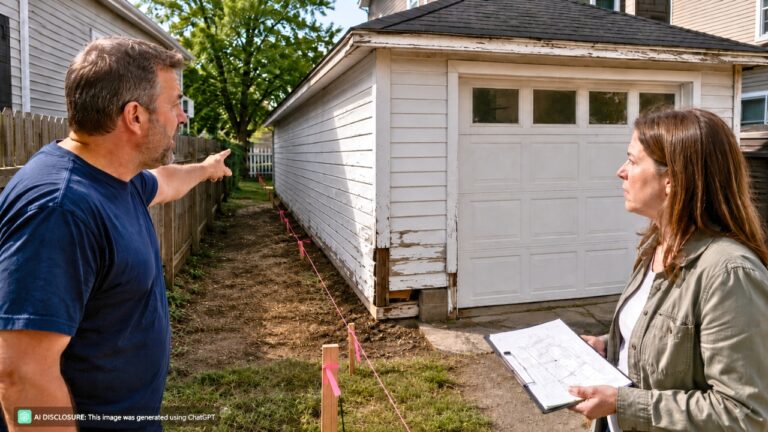
According to the homeowner, the issue started a little over a year earlier. They contacted their HOA representative, who worked for a third-party management company, after noticing that the neighbor had extended the driveway by about four feet with pavers. The homeowner said the HOA bylaws only allowed a driveway extension of up to 18 inches, and even that required permission.
At first, the homeowner said they would not normally complain about something like that. The driveway itself was not the real problem. The problem started when the neighbor began parking right along the lot line and using the homeowner’s property and lawn to get in and out of the vehicle.
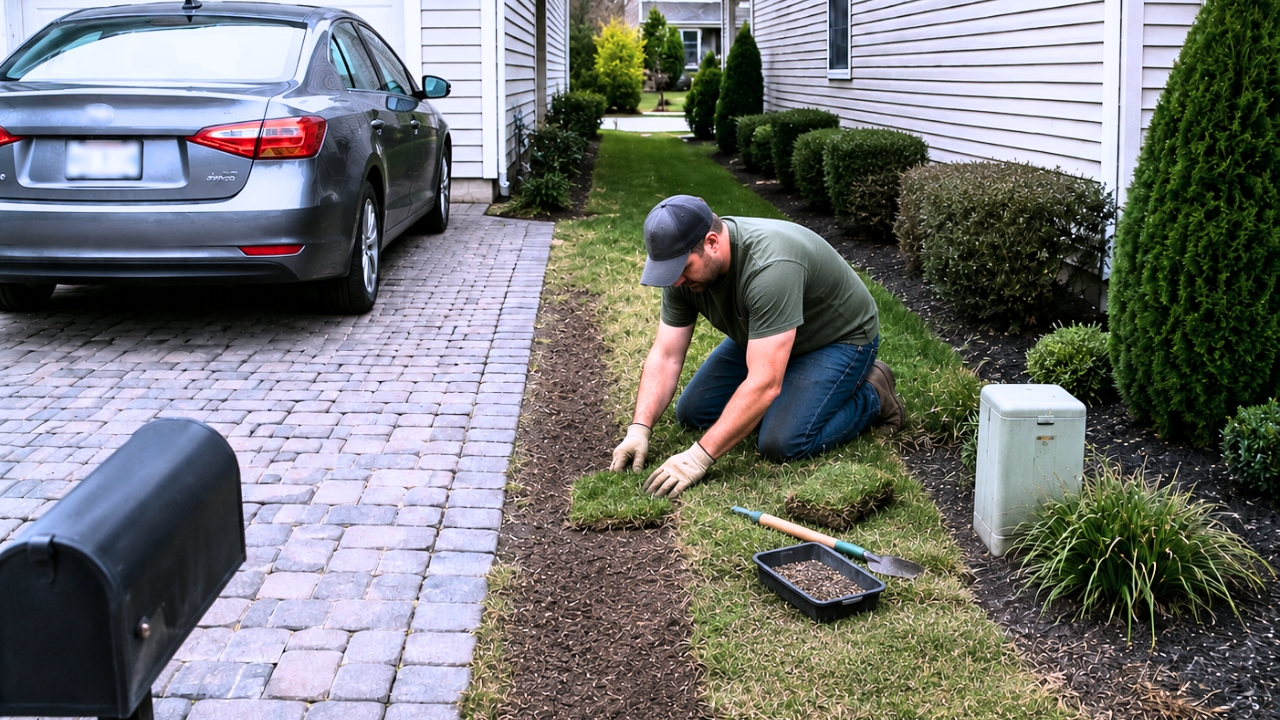
That changes the whole feel of the dispute. This was not someone silently disliking a paver extension from across the street. The homeowner said the neighbor’s parking and foot traffic were damaging their yard. They were tired of having to replant the grass every couple of months because someone else’s daily routine kept wearing it down.
Talking to the neighbor was not a simple option either. The homeowner said the neighbor was extremely hostile and had once called the police on them for mowing the grass near the parked vehicle. That detail says a lot about the tension. If mowing your own lawn near a neighbor’s car already leads to a police call, a friendly property-line conversation probably is not going to go anywhere productive.
So the homeowner went through the HOA. The HOA contact reportedly confirmed that the driveway extension was a violation and said a violation notice would be sent in August 2022. For a while, the neighbor parked a little more properly, but the driveway itself did not change.
Then the ownership situation shifted. A few months after the violation was acknowledged, the owner of the home sold the property and moved out. The neighbor at the center of the dispute stayed in the house as a renter. That made enforcement more complicated. The person causing the day-to-day problem was not necessarily the person receiving official HOA notices or responsible for correcting the paver extension.
Over time, the neighbor resumed using the homeowner’s lawn to get in and out of the vehicle. The homeowner emailed the HOA twice about the issue and said they were ignored both times. That is where the frustration really set in. From the homeowner’s view, the HOA had already admitted there was a violation. The behavior was still damaging the yard. But when they asked for help again, the management company stopped responding.
The homeowner said they did not really care about the driveway in itself. What they wanted was simple: to stop replanting grass in their yard every few months. That is the part that makes the story feel so familiar for anyone who has dealt with a neighborhood issue that looks tiny to everyone else but becomes a daily aggravation for the person living beside it.
They tried putting up a small fence, but that did not work either. In the comments, the homeowner said the neighbor kicked it over and reported them to the HOA. The HOA then told the homeowner they needed approval for any type of fence structure. The homeowner removed the fence, applied for approval, and was denied. According to the homeowner, the HOA said the only way the fence would be allowed was if they fully enclosed the yard on all four sides because the HOA did not believe they were installing it for the “right reasons.”
That must have felt especially ridiculous. The neighbor had an acknowledged driveway violation that still had not been corrected, but when the homeowner tried to protect their own lawn, the HOA quickly enforced the fence rule against them.
The homeowner wondered whether trespassing the neighbor, adding surveillance, or placing something in the yard to block the car door would help. Those ideas are understandable when someone feels ignored, but they can also escalate an already bad neighbor relationship. A hostile neighbor, an unresponsive HOA, and a renter-owner split are not exactly the ingredients for an easy fix.
The larger homeowner lesson here is that HOA enforcement can be slow, uneven, and frustrating once the issue involves both property rules and neighbor behavior. A violation letter may not immediately solve anything. If the owner does not comply, the HOA may have to fine, escalate, or eventually pursue legal action. If the person causing the problem is a renter, there may be another layer between the behavior and the person legally responsible for the property.
For this homeowner, the problem was still unresolved when they posted. The driveway extension remained, the neighbor was back to using their lawn, and the HOA management company was not answering emails. What started as a few extra feet of pavers had turned into a property-line headache, a damaged lawn, and a growing distrust of the HOA’s willingness to enforce its own rules.
Commenters mostly told the homeowner to stop relying only on the property manager and try to reach the HOA board directly. One commenter suggested going to a board meeting and staying polite but persistent until someone addressed the violation. Others said the homeowner should look through the bylaws to find out how to contact the board, request documents, or even force a meeting if enough homeowners signed on.
Several users recommended escalating within the management company. Instead of emailing the same contact who had stopped responding, commenters suggested calling the main office and asking for the manager’s supervisor, regional manager, or another higher-level contact. One commenter also said the homeowner should find out whether the management company had a licensing authority and document every unanswered message.
A lot of commenters suggested physical barriers, including landscaping, shrubs, boulders, planter boxes, or a small fence. But the homeowner explained that the HOA had already denied their fence request unless the yard was fully enclosed, which made that path harder.
Others said cameras and written notice could help if the homeowner wanted to document trespassing or lawn damage. The practical advice was to build evidence, keep a clean written record, escalate past the unresponsive property manager, and avoid doing anything impulsive that could give the hostile neighbor or HOA a new complaint to use against them.