You’re storing paint wrong if it freezes in your garage
Photo credit: YinYang/istock.com
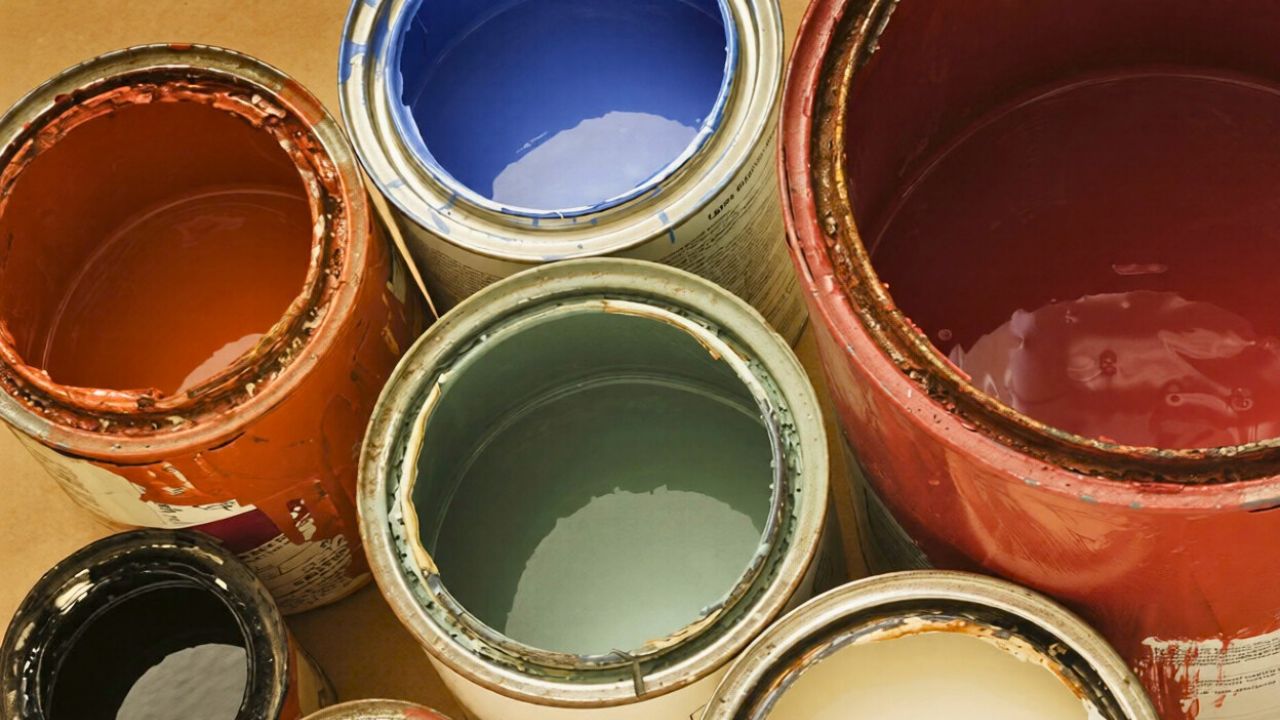
You put time, money, and effort into choosing the right color, yet a single hard freeze in the garage can quietly destroy that investment. When your cans are icing over beside the snow blower, you are not just storing paint in the wrong place, you are shortening its life and risking ugly, uneven results on your next project. With a few deliberate changes, you can keep those leftovers usable for years instead of watching them separate, clump, or turn into hazardous waste.
Why freezing wrecks your paint long before you open the can
When paint freezes, the damage starts at the microscopic level, long before you see obvious lumps on a stir stick. Water based products like latex rely on a delicate mix of pigments, binders, and additives that stay suspended in liquid; when temperatures drop below the freezing point, that structure starts to break apart and the components no longer recombine cleanly. Later, you notice stringy texture, grainy patches on the wall, or a finish that never quite evens out, even though the can technically thawed.
Specialists who explain What Happens to Latex Paint When Frozen describe latex as an emulsion of solids and liquids that does not always survive a hard freeze. Once the structure is damaged, you can stir all you want and still end up with poor coverage and weak adhesion, especially if the paint has cycled through freezing and thawing more than once. That is why you need to think about temperature control as part of your project planning, not as an afterthought once the weather turns.
The temperature ranges that keep paint stable
To keep paint usable, you need to maintain it within a stable temperature band, not just away from the most extreme cold snaps. Guidance on paint storage best points to an ideal range between 60°F and 80°F, roughly the same comfort zone you aim for in a typical living space. Within that range, the ingredients in modern coatings remain stable, cans are less likely to rust from condensation, and the product inside is ready to use without dramatic reconditioning.
Manufacturers that focus on winter storage go further and warn that paint spoils faster in cold or very hot conditions, especially if the can sits near exterior walls or garage doors. One guide on how to properly advises you to avoid outside sheds entirely and keep cans in spaces that reliably stay between 5°C and 30°C, a range that tracks closely with the 60°F and 80°F recommendation. If your garage or outbuilding regularly dips below freezing overnight, it is not a safe long term home for leftover paint.
Why your garage is one of the worst places for paint
The garage feels like the logical place to stash paint, because it is where you already store tools, ladders, and drop cloths, yet it often behaves more like the outdoors than like an interior room. Inspectors who answer questions such as Can You Store point out that uninsulated spaces swing from summer heat to winter cold, which quickly turns paint bad. Even in milder climates, cans set directly on a concrete floor can experience colder temperatures than the air around them, especially at night.
Cold concrete acts as a heat sink, pulling warmth out of the metal can and dragging the paint inside toward freezing. Advice on Avoid Direct Contact with Concrete Floors You explains that even a small air gap or wooden shelf can help, but that you still need the overall space to stay above freezing. If your garage regularly drops below 32, especially near the overhead door, you should treat it as off limits for paint storage and look for a more stable indoor location.
How many freezes it takes to ruin a can
Paint does not always fail after a single cold night, which can tempt you to keep using a can that has already been compromised. Some latex products survive one light freeze with only minor changes, especially if you thaw and mix them carefully, but each additional cycle increases the odds that the emulsion will separate for good. Over time, you see the cumulative damage as cottage cheese texture, rubbery strings, or pigment that refuses to blend back into a smooth liquid.
Guidance on winter storage warns that paint spoils faster conditions and that the risk climbs sharply if it freezes multiple times. A separate overview on whether paint does get after freezing goes as far as to say that in almost all cases, the damage is permanent. If you know a can has been through more than one hard freeze, you are safer treating it as waste and focusing on better storage for the next gallon.
The right indoor spots to keep paint from freezing
To keep paint safe, you need a location that behaves more like a closet than a shed. Experts who explain How to Store Leftover Paint recommend an interior closet, utility room, or heated basement, where temperatures stay consistent year round. These spaces also protect cans from direct sunlight, which can heat metal unevenly and accelerate aging even if the room itself feels comfortable.
Another guide that focuses on how to store and reuse suggests a cool, dry cupboard in a utility room, or cupboard, as an ideal compromise between accessibility and protection. You should keep cans off the floor on a shelf, away from laundry appliances that might vibrate or leak, and away from children or pets. If you live in a small home or apartment, even the back of a hallway closet can work, as long as it stays within that 60°F and 80°F window most of the year.
How to seal cans so they survive the off season
Temperature is only half the equation; air exposure and contamination can ruin paint even in a perfectly heated room. Always wipe the rim clean, lay a piece of plastic wrap across the opening, and then tap the lid back into place with a rubber mallet so it sits flat and airtight. The plastic barrier helps prevent dried flakes from dropping into the paint the next time you open it, and it reduces the amount of air that can slowly skin the surface.
Municipal recycling guidance on waste and recycling suggests that if you Just cover the with plastic wrap and seal the lid tightly, you can make paint last longer for touch ups. A manufacturer backed guide that lists Things to Know about Storing Leftover Paint and Shelf Life also emphasizes learning how to reseal a paint can lid properly so you do not trap debris or leave gaps. If the original can is badly rusted or dented, you are better off transferring the remaining paint into a clean, smaller container that you can label with the color, room, and date.
What to do if your paint already froze
If you discover a frozen can in the garage, your first move should be patience, not panic or quick fixes with heaters. Bring the can into a heated space and let it thaw slowly to room temperature, which can take a full day or more depending on how solid it is. Rapid heating from a space heater, stove, or open flame can warp the can, release fumes, or even create a fire risk, and it does not improve the quality of the paint inside.
One step by step guide on how to save frozen latex paint starts with a reminder that Prevention is always better than repair and labels the first Step as Stop Freezing With. Another brand that addresses frozen paint warns you explicitly, Here is what to do if your paint arrives frozen and advises you not to heat the jar in any way, even if you are tempted to speed things up. Instead, you are told to let it thaw at room temperature, then stir thoroughly and test it on a scrap surface; if the paint looks chunky, separated, or will not spread smoothly after a few hours, you should not use it on walls or furniture.
For water based products in particular, one specialist explains that after latex paint is damaged by freezing, heated spaces work just fine for storage but cannot reverse the earlier harm. That is why a detailed overview of Here is what with frozen paint focuses on careful thawing, testing, and a willingness to discard anything that fails the brush or roller test. You protect your future projects by being strict at this stage, even if it means a frustrating trip to buy a fresh can.
How freezing temperatures affect painting, not just storage
Even if your stored paint never freezes, applying it in a cold room or on a cold exterior wall can lead to problems that look similar to product failure. When temperatures drop, the liquid in paint evaporates more slowly, which means the coating takes longer to dry and can sag, run, or attract dust before it sets. You might also see poor adhesion if the surface itself is colder than the air, especially on exterior siding or metal doors.
Cold weather painting guides explain What Happens If in Cold Temperatures and highlight Slower Dry Times as one of the main risks. They also warn that storing cans in those same cold spaces can damage their quality and consistency before you even open them. If you need to paint in late fall or early spring, you should use products rated for low temperature application and keep both the paint and the room within the recommended range for at least a day before and after you work.
When to keep, when to toss, and how to dispose of ruined paint
Once you have assessed frozen or aged paint, you need a clear rule for deciding what stays and what goes. If the paint stirs back to a smooth, uniform consistency and passes a small test patch without streaks or lumps, you can usually keep it for touch ups or small projects. When it smells sour, stays chunky, or separates again quickly after stirring, you should treat it as ruined, especially if you know it has been stored in a freezing garage or shed.
Environmental guides that explain how to Save your leftover paint for future do-it-yourself projects also tell you to Prevent your paint from freezing by storing it in an area where it cannot freeze, and to dispose of unusable paint through local hazardous waste programs. Another resource that focuses on how to Don Let the Paint Freeze recommends a heated basement or a closet in cold climates, both to extend shelf life and to reduce the volume you eventually need to discard. By treating proper storage as part of responsible disposal, you save money, protect your home’s finishes, and cut down on unnecessary trips to the recycling center.
Like Fix It Homestead’s content? Be sure to follow us.
Here’s more from us:
- I made Joanna Gaines’s Friendsgiving casserole and here is what I would keep
- Pump Shotguns That Jam the Moment You Actually Need Them
- The First 5 Things Guests Notice About Your Living Room at Christmas
- What Caliber Works Best for Groundhogs, Armadillos, and Other Digging Pests?
- Rifles worth keeping by the back door on any rural property
*This article was developed with AI-powered tools and has been carefully reviewed by our editors.