Rental Company Fixes the Leak but Not the Cause — Then the Water Damage Keeps Coming Back
Photo credit: NatashaLove/Shutterstock.com
A repair does not mean much if the same problem keeps coming back. That is especially true with water damage. A patch, a coat of paint, or a quick drywall fix might make the room look better for a little while, but if the water is still getting in, the house is still being damaged.
That is what one Ohio renter described after dealing with repeated water damage in a rental where the management company kept addressing the visible damage without fixing the real source. They shared the situation in a Reddit post on r/Renters, explaining that the rental company would repair the symptoms but not the root cause. The original Reddit post is here: https://www.reddit.com/r/Renters/comments/17z56rk/oh_rental_company_wont_fix_root_cause_of_water/
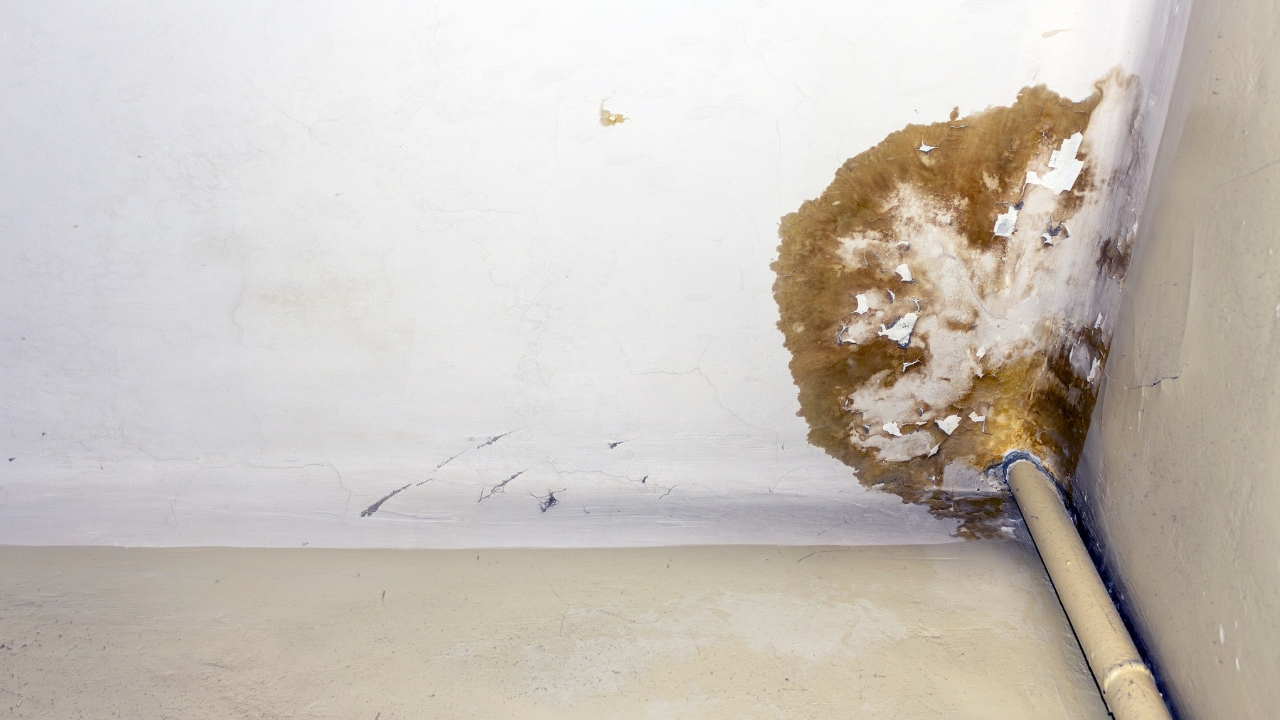
According to the renter, water damage had become an ongoing problem. The company had apparently come out and made repairs before, but the water kept returning. That is the kind of situation that wears tenants down because every repair feels temporary. You clean up, move furniture, make room for maintenance, wait for things to dry, and then eventually see the same problem starting again.
The renter’s main frustration was that management seemed willing to fix the visible damage but not the reason it was happening. That is a common complaint in rentals. A landlord or property manager may send someone to patch drywall, repaint a stain, or replace damaged material, but if the water is coming from a roof issue, foundation problem, exterior grading, gutter failure, plumbing leak, or window leak, cosmetic repairs will not last.
Water is stubborn like that. It does not care how nicely a wall was patched if the source is still active. If the leak comes back with every storm or every plumbing cycle, the same materials can get wet over and over again. Eventually, that can mean mold, soft drywall, damaged trim, rotten framing, ruined flooring, musty smells, and belongings that keep getting exposed to moisture.
For renters, the lack of control makes it even more frustrating. A homeowner can call a specialist and decide to fix the source. A tenant usually cannot hire someone to tear into the building envelope or roof without permission. They have to report the issue, wait for management, and hope the landlord treats the cause seriously instead of doing the cheapest short-term repair.
The renter was trying to figure out what to do when the rental company kept avoiding the bigger fix. That is the point where documentation becomes more important than repeating the same maintenance request over and over. A tenant dealing with recurring water damage needs a clear timeline showing when the issue started, when it was reported, what repairs were made, when water came back, and how the damage changed over time.
That matters because “they fixed it once” sounds better for the landlord than “they patched the same area three times without stopping the water.” The pattern is the evidence. If the same wall, ceiling, floor, or window keeps getting wet, it shows that the repair approach is not solving the problem.
The situation also raises habitability concerns. Not every water stain makes a rental unlivable, but repeated water intrusion can become more serious if it affects electrical areas, creates mold, damages flooring, or leaves tenants unable to use parts of the home safely. A landlord may be responsible for maintaining the property, but the tenant often has to follow the proper process before escalating.
That process can vary by state and local law, but the broad advice is usually the same: report it in writing, be specific, keep photos, save all replies, and do not rely only on phone calls. A message saying “the wall is wet again after the last repair, and water is entering during rain” is stronger than a vague complaint about damage. Dates and photos matter.
The renter also needed to avoid taking steps that might create new problems. Withholding rent, repairing and deducting, or breaking a lease can be risky if not done exactly according to local law. Those options may exist in some places, but they are not casual moves. If a tenant handles them wrong, the landlord may try to claim unpaid rent, lease violations, or damages.
Still, the landlord cannot simply keep painting over the same water problem forever. If a rental company knows water keeps coming in and only fixes the surface, the tenant has reason to push harder. That could mean sending a formal written notice, contacting local code enforcement, calling a tenant advocacy group, or getting legal advice if the issue continues.
For homeowners and renters alike, the lesson is the same: water damage needs a source fix. A ceiling patch without a roof repair is not a fix. New drywall without stopping the leak is not a fix. Replacing flooring without solving drainage is not a fix. If the cause stays, the damage usually comes back.
For this renter, the problem was not that the company did nothing at all. It was that the company seemed to do just enough to make the damage look handled without stopping the water that caused it. That kind of repair may save money in the moment, but it usually costs more later.
Commenters encouraged the renter to create a detailed paper trail. Several said every report should be in writing, with photos and dates showing the damage before repairs, after repairs, and when the water returned. The repeated nature of the problem was important.
A number of users said the renter should be very specific in maintenance requests. Instead of saying only that water damage needed repair, they suggested stating that the same leak or moisture problem had returned and that previous repairs had not fixed the underlying cause.
Others recommended contacting local code enforcement or a housing authority if the landlord continued making temporary repairs. Several commenters said water intrusion can become a habitability issue, especially if mold, rot, electrical hazards, or unusable rooms are involved.
Some commenters warned against withholding rent without understanding Ohio law and any local requirements. The practical advice was to document the recurring issue, notify management formally, request a root-cause repair in writing, and escalate through local housing channels if the rental company kept treating water damage like a cosmetic problem.