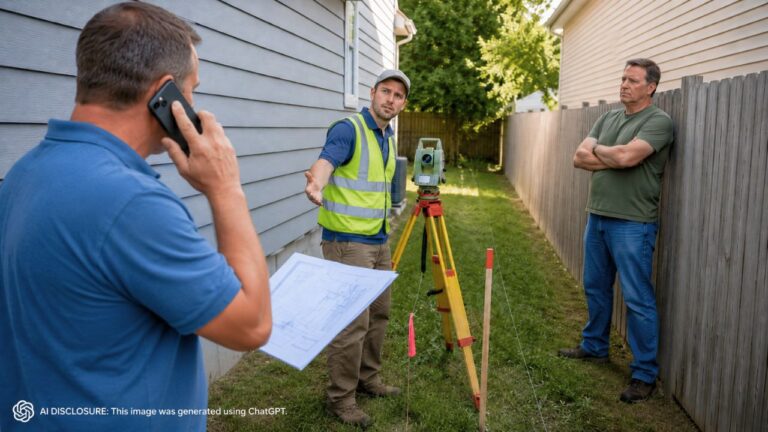
Homeowner Says a Contractor Damaged the House — Then Still Expected Full Payment Before Inspection
Photo credit: Jacob Lund/Shutterstock.com
Hiring a contractor already requires a certain amount of trust. You are letting someone cut, build, install, repair, and work around parts of your house that may cost a lot to fix if something goes wrong. So when the contractor causes damage during the job, most homeowners expect that damage to be handled before the final payment conversation even starts.
That is why one homeowner was frustrated after saying a contractor damaged their house and still expected to be paid in full before the work could be properly inspected. They shared the situation in a Reddit post on r/HomeImprovement, asking whether the contractor was entitled to full payment when the job had created damage that still needed to be addressed. The original Reddit post is here: https://www.reddit.com/r/HomeImprovement/comments/144n4ik/contractor_damaged_the_house_is_he_entitle_of/
According to the homeowner, the contractor had been hired to complete work on the house, but the project did not go smoothly. During the job, the contractor caused damage to the home. That alone changed the situation from a normal payment dispute into a much more uncomfortable question: who is responsible for making the homeowner whole before money changes hands?
The homeowner was not refusing to pay simply because they disliked the result or wanted to avoid the bill. Their concern was that the contractor’s work had left them with damage, and they did not want to hand over full payment before the damage had been evaluated. That is a reasonable fear. Once the final payment is made, the homeowner’s leverage often drops fast.
Contractor disputes often come down to timing. The contractor wants to be paid for labor and materials. The homeowner wants the work finished correctly and any damage fixed. If both sides trust each other, that can be handled with a punch list, a repair schedule, or a partial holdback. But when damage has already happened, trust is usually thinner.
The homeowner also wanted an inspection. That part matters because an inspection can clarify what actually happened, how serious the damage is, and whether the work meets the expected standard. Without that, the homeowner may be relying only on the contractor’s word that everything is fine or that the damage is no big deal.
That is not a great position to be in. Contractors may minimize damage because they want to close out the job. Homeowners may overestimate damage because they are upset and worried. A third-party inspection, written estimate, or professional opinion can help put numbers and facts around the problem.
The issue with paying in full before inspection is that it can leave the homeowner exposed. If the contractor disappears, refuses to return, or argues later that the damage was not their fault, the homeowner may be stuck chasing them through complaints, demand letters, insurance claims, or court. That can cost more time and money than simply holding back a reasonable amount until the damage is resolved.
At the same time, homeowners have to be careful. Refusing to pay everything without following the contract can create problems too. Contractors may have rights under the agreement, and in some states they may be able to file a mechanic’s lien if they believe they were not paid for completed work. That does not mean a homeowner should ignore damage, but it does mean the response needs to be documented and reasonable.
The smartest path in this kind of dispute is usually to separate the undisputed work from the disputed damage. If part of the project was completed properly, the homeowner may owe payment for that portion. If there is damage or incomplete work, the homeowner may be able to hold back the cost needed to fix it, depending on the contract and local law. But that holdback should be tied to photos, written estimates, inspection findings, and a clear explanation, not just emotion.
The contractor’s insurance could also matter. Reputable contractors should carry liability insurance for property damage they cause during work. If the damage was significant, the homeowner may need to ask for the contractor’s insurance information and file a claim. That is not being dramatic. That is one reason insurance exists.
The larger lesson here is that homeowners should not wait until the final invoice to deal with jobsite damage. As soon as damage appears, it should be photographed, reported in writing, and added to a punch list or claim. The contractor should acknowledge it, explain the fix, and put the plan in writing. If they refuse, the homeowner should slow down before making final payment.
For this homeowner, the question was not whether contractors deserve to be paid. Good contractors absolutely do. The question was whether full payment should happen before the damage was inspected and resolved. Once a house has been damaged during a project, “pay me now and we’ll deal with it later” is not very reassuring.
Commenters mostly urged the homeowner to document the damage carefully and avoid handing over full payment without a written plan. Several said the homeowner should take photos, save messages, review the contract, and get an independent estimate for the cost of repairing the damage.
A number of users pointed out that the contractor may still be owed for work that was completed properly, but that does not mean the homeowner should ignore damage caused during the job. Some suggested paying the undisputed amount while holding back a reasonable amount tied to the cost of repair.
Others recommended asking for the contractor’s insurance information if the damage was significant. A licensed contractor should have liability coverage for accidental damage to a customer’s property, and a claim may be more practical than arguing back and forth.
Several commenters also warned the homeowner to be careful about liens and local rules. Withholding payment can be legitimate in some situations, but it should be handled in writing and based on actual repair costs. The strongest advice was to get the inspection, get repair estimates, put everything in writing, and avoid giving up the last bit of leverage before the house is made right.