Buyer Closes on Five Rural Acres and Finds the Previous Owner Never Disclosed the Neighbor’s Septic Tank on the Land — Then the Neighbor Refuses to Move It
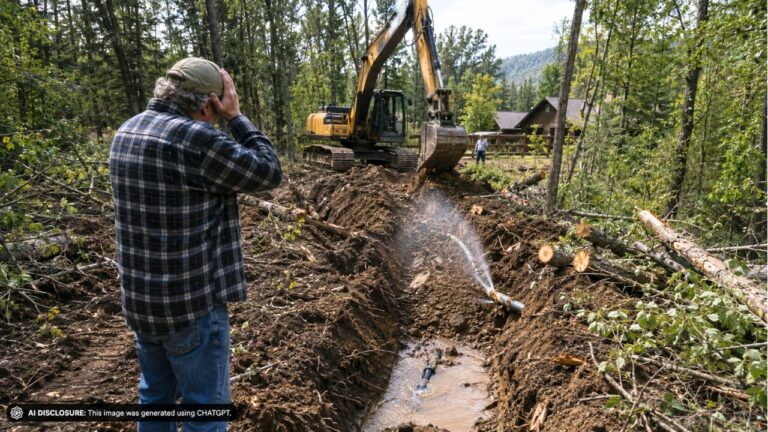
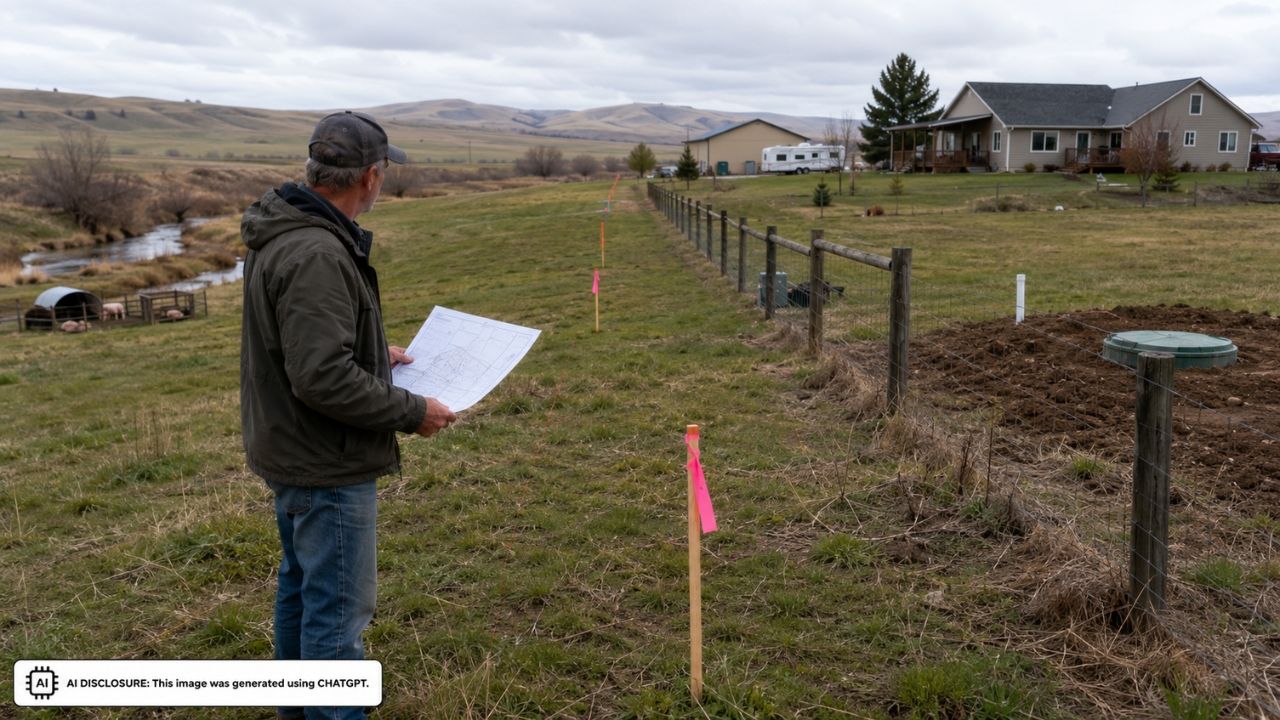
Photo credit: AI-generated image created using ChatGPT. Illustrative only.
Out in rural Stevens County, Washington, it doesn’t take much to turn “quiet country living” into a property-line nightmare. One homeowner thought they had a simple setup: five acres, a house they bought six years ago, and a fence that kept the dogs safely away from the road.
Then a neighbor came along, built a septic system “really close” to that fence, and later someone pointed out the real property line might actually be 46 feet past the fence—meaning the septic tank could be sitting halfway or even fully on the homeowner’s land. The details are laid out in the original post, and the homeowner is now staring down the kind of problem that gets expensive fast: underground infrastructure, disputed boundaries, and a neighbor who may not be interested in moving anything.
The fence wasn’t a boundary—until someone treated it like one
The fence went up years earlier, back when there were no neighbors next door. It wasn’t installed as a formal line marker; it was a practical barrier to keep dogs out of the road. The homeowner says they placed it where they did because the ground was too rocky to dig and build farther out by hand.
That kind of “good enough” choice is common on rural properties. You throw up a fence where the terrain lets you, planning to deal with the exact corners later. The trouble is, fences have a way of becoming the de facto truth in people’s minds—especially after a new owner shows up and starts building close to it.
A new neighbor arrived, and the ground work started immediately
A few years after the fence was built, new neighbors bought the adjoining five acres. The homeowner’s father-in-law, who lives on the property, gave them a heads-up: the fence wasn’t the actual property line. It was just there for the dogs.
Despite that warning, the neighbors built their septic system very close to the fence anyway. The father-in-law “threw a fit” about it at the time, then dropped it. That’s the kind of moment that seems survivable in the short term—until someone else points out a measurement that changes everything.
Because if the septic system was installed assuming the fence was the boundary, and the boundary is actually dozens of feet beyond it, the neighbor’s “close” placement stops being a style choice and starts looking like a trespass you can’t see from the surface.
“46 feet past the fence” changes the entire math
The turning point came from the other side: a neighbor on the opposite side of the property in question said the true property line is about 46 feet past the fence. If that’s correct, the homeowner believes the next-door neighbor’s septic tank could be halfway—or completely—on the homeowner’s land.
That’s not a shed you can ask someone to scoot over with a tractor. A septic tank is buried, connected to plumbing, often permitted based on site plans and setbacks, and expensive to relocate. It also creates a weird kind of risk: if something fails, who gets blamed, and whose land is “hosting” the problem?
The homeowner’s first instinct was the one most rural folks eventually learn the hard way: don’t argue from memory. Argue from a survey. Their immediate plan was to hire a surveyor and then contact a real estate attorney depending on what the stakes look like once pins and lines are actually marked.
Then there was the creek—and the pigs
As if the septic question wasn’t enough, there’s a second problem that feels even more urgent because it involves water. The same neighbors built a pig pen right next to a creek. Now, people “down the way” reportedly have contaminated water.
The homeowner says they technically do too, although their drinking water comes from a well rather than the creek itself. Even so, contamination traveling through shared waterways is the kind of rural issue that stops being “between neighbors” and starts affecting a whole stretch of properties.
The homeowner had heard there may be a rule requiring the pen to be at least 200 feet from the creek. They were hoping for a civil conversation, but also wanted to know where to report it if the neighbors refuse to move the animals or change the setup.
The hard part: proving it without lighting the match
What makes this kind of dispute so tense is the order of operations. If you confront the neighbor too early, you can trigger hostility, denial, or even hurried changes that make it harder to prove what was there. But if you wait too long, the other party can act like you “agreed” by not objecting.
The homeowner’s plan was careful: do the leg work first. Hire the surveyor. Get real information. They didn’t intend to mention the septic issue until they knew for sure where the line actually sits. At the same time, they wanted to warn the neighbor about the contaminated water and flag the incoming survey appointment.
That’s the emotional balancing act a lot of country homeowners recognize. You want to stay neighborly because you’re going to see these people for years. But you also don’t want to sacrifice your land—or assume liability for someone else’s buried tank—just to keep the peace.
People zeroed in on documentation and the paper trail
In responses, the practical theme was consistent: get the survey, and don’t rely on fences or verbal understandings. A fence built for dogs is not the same thing as a surveyed boundary, and “we told them once” doesn’t carry the same weight as documents.
The other recurring focus was that septic systems and animal waste near waterways aren’t just personal disputes. Septic installs typically touch permitting and site plans, and livestock near creeks can implicate environmental and health rules. Even if the homeowner wants a calm conversation, many readers pointed toward treating both problems like documentation-first issues, not driveway debates.
What’s hanging in the air is cost. If the septic tank truly crosses onto the homeowner’s property, “moving it” isn’t a simple favor—it’s a major project. And if the neighbor refuses, the homeowner could be left choosing between legal pressure, ongoing risk, and a long-term relationship that’s already cracked.
For now, it’s the kind of rural standoff that starts with a fence built around rocks and ends with professionals, permits, and hard feelings. A few feet can be a shrug. Forty-six feet can change who owns the ground under your feet—and what’s buried inside it.