Massachusetts Homeowner Repeatedly Catches the Neighbor Trespassing After Marking the Boundary Clearly — Then She Hires Laborers to Remove Decades-Old Erosion-Control Boulders From His Side
Photo credit: AI-generated image created using ChatGPT. Illustrative only.
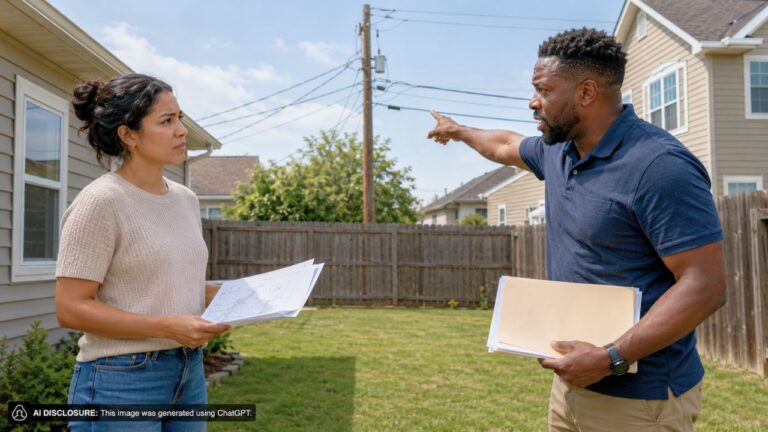
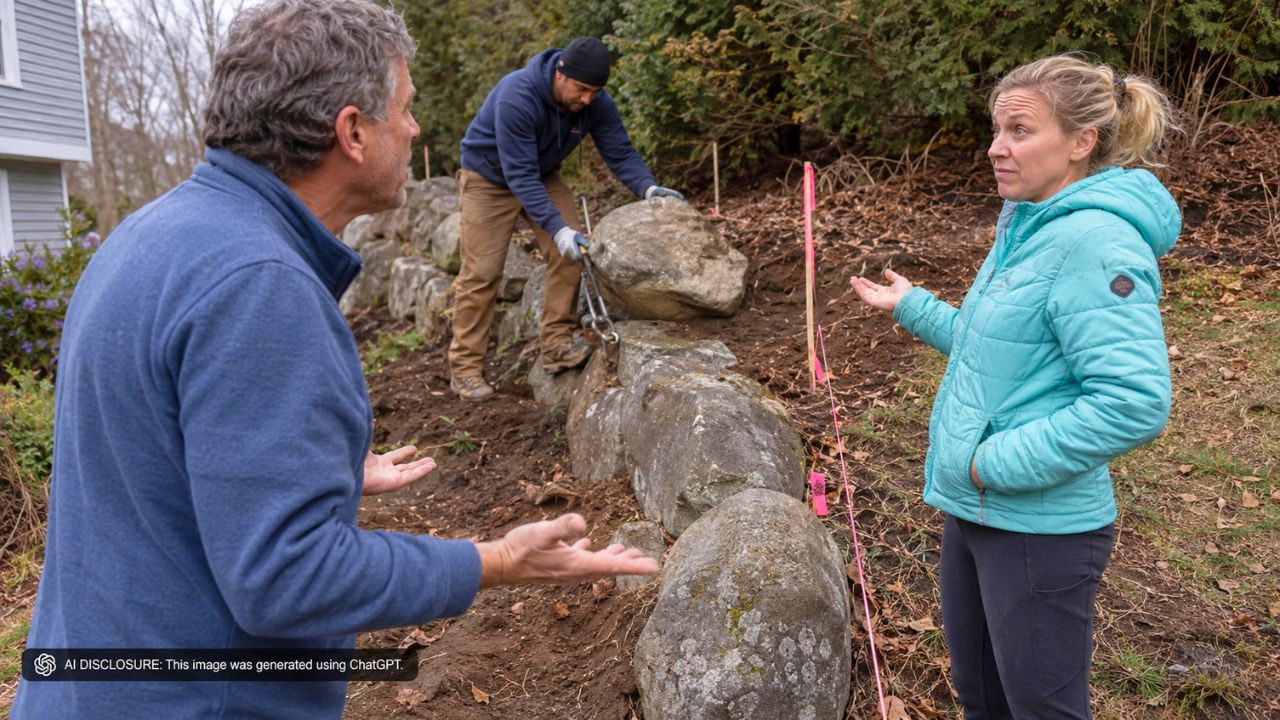
A homeowner in Massachusetts thought they were dealing with the usual low-grade neighbor nuisance: someone wandering a little too close to the property line, trimming things that weren’t theirs, then acting confused when confronted. But the problem stopped being “annoying” and started feeling expensive the day a crew showed up and began moving massive boulders that had been sitting at the edge of a drainage ditch for decades.
In the original post, the homeowner described watching laborers remove several large stones from what they say is clearly their side of the boundary—stones that function like a retaining wall to keep the ditch from eroding. The neighbor behind them, who moved in about two years earlier, allegedly told them she had “permission from the town” and claimed she didn’t realize the rocks were not on her property.
The first sign was easy to brush off
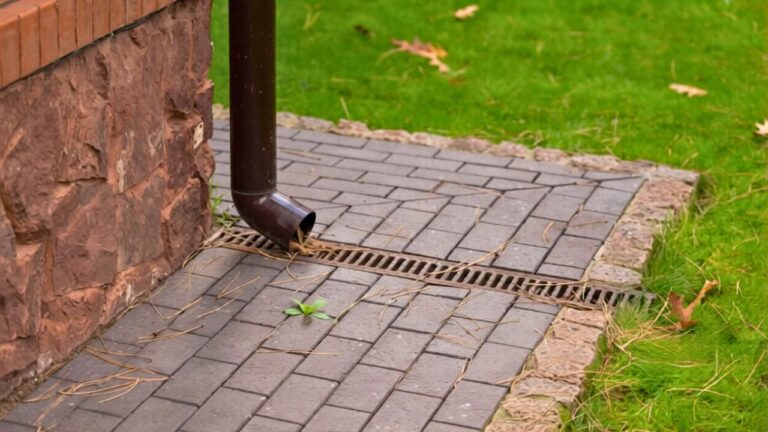
The layout matters here. There’s a drainage ditch near the border, and the ditch itself is on the neighbor’s side. The homeowner says their property line starts at the top of the ditch, where a cluster of boulders has been in place for decades.
Because the neighbor’s house is part of a development with an HOA responsible for general ditch maintenance, the neighbor seems to treat the area like it’s all shared space. Early on, the homeowner says they caught her removing brush on their side because she didn’t like how it looked.
They spoke to her, told her she couldn’t do that, and she reportedly acted like she didn’t know the boundary. Wanting to keep things civil, the homeowner says they clarified where the property line was and tried to move on.
Then the wandering kept happening
After that first brush-clearing moment, the homeowner says they continued to catch the neighbor on their side “numerous times.” Sometimes it was just visible movement behind privacy trees—enough to know she was over the line, but not enough to tell what she was doing.
That’s a familiar kind of neighborhood stress. You don’t want to escalate, but you also can’t relax because you don’t know if the person is just cutting through, scouting, or changing something that will become your problem later.
And with drainage nearby, “changing something” is not a small thing. Soil shifts, water finds new paths, and what looks like landscaping can turn into a washout in a single season.
A crew showed up—and the rocks started disappearing
The homeowner says the breaking point came when the neighbor hired laborers who began removing multiple massive boulders from the homeowner’s side. The poster describes it as essentially stealing, since the purpose of removing them was unclear and the stones had been functioning as erosion control.
When confronted, the neighbor again said she didn’t realize she was over the line, and claimed she had town permission. The homeowner didn’t believe either explanation and worried about the immediate practical consequence: once those boulders are disturbed, the ditch edge can start slumping, and the “fix” can get a lot bigger than putting rocks back where someone thinks they belong.
The neighbor told the homeowner she would put the boulders back. But by then, the trust was gone. The homeowner was left staring at a problem that isn’t just about property rights—it’s about water management and potential damage that can creep, spread, and become permanent.
When the homeowner tried the police route, it turned into paperwork limbo
The next morning, the homeowner says the laborers returned several of the boulders—“sloppily,” in their words—but other stones still appeared to be missing. That’s its own kind of insult: the partial “fix” that looks more like a quick cover-up than a real restoration.
The homeowner went to police hoping to issue a trespass order and start building an official record. Instead, they say police refused to issue any sort of trespass notice. The explanation they were given was blunt: unless the homeowner personally saw the neighbor actively on their property stealing, it becomes a “he said/she said.”
They were also told that because it was laborers, not the neighbor herself, she wouldn’t be the one blamed—another punch to the gut for anyone who’s watched a hired crew do the physical work while the person who ordered it stands back.
The homeowner was told it was a civil matter, not a police matter, unless property-line placement could be proven. That’s the frustrating hinge point for many homeowners: the damage can be obvious, but the “prove it” standard often circles back to surveys, markers, and documentation.
Wetlands, drainage rules, and the HOA shadow in the background
Because the ditch runs alongside wetlands, the homeowner also contacted the town’s Conservation Commission. They believe someone did inspect the ditch or wetland area, though they hadn’t heard back at the time of their update.
That part matters because work near wetlands and drainage infrastructure can trigger rules that have nothing to do with neighborly courtesy. Moving boulders and altering edges can look like a simple landscape change to a homeowner, but it can affect flow and stability—exactly the kind of thing towns and conservation bodies pay attention to.
There’s also the HOA angle. The homeowner noted the development’s HOA is responsible for general ditch maintenance, which can create a dangerous kind of gray area: one neighbor assumes “maintenance” means they can direct work wherever they want, while the adjoining homeowner sees the same work as trespass and damage.
Commenters pushed one theme: proof first, then pressure
Even without seeing the replies directly quoted, the homeowner’s updates show the kind of advice people tend to give in boundary fights—stop relying on conversations and start building a record. The homeowner responded by calling a surveyor to establish the boundaries more clearly, and by planning signs, cameras, and possibly fencing.
They also mentioned considering action against both the neighbor and the landscaping company once boundaries were formally established. That’s another common pressure point: crews often follow the directions of the person paying them, but property owners still feel the impact when heavy objects get hauled off and the “before” condition is gone.
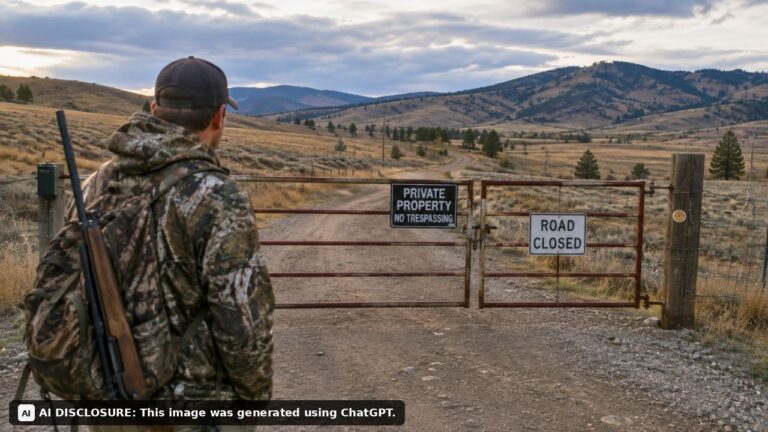
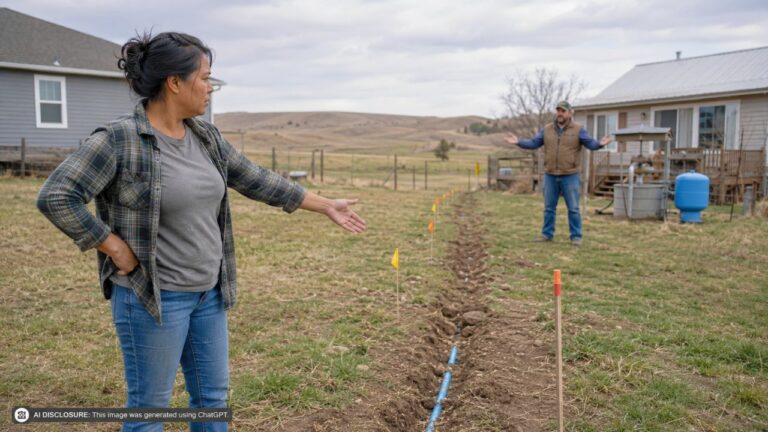
In their final update, the homeowner said they already had two surveyed markers from years prior and ran string between them to visualize the line. They posted four tall metal “no trespassing” signs on six-foot posts, spaced about ten feet apart facing the neighbor’s property—an unmistakable message that the era of informal warnings is over.
They also installed a trail cam and tried reaching out to a lawyer, though they said it didn’t go anywhere, possibly because the amounts involved were too small to attract interest. Small claims court for what was stolen or destroyed was still “not off the table,” but the homeowner sounded worn down by the sheer effort of chasing it.
The boundary fight didn’t stop with boulders. The homeowner added that the neighbor had planted bushes that now encroach on their side, teeing up the next round of “who gets to decide what goes where.” For now, the homeowner’s plan is simple: surveyed line, visible signage, camera proof, and charges if she crosses again.
It’s not a satisfying ending, exactly. It’s the kind homeowners recognize: you don’t get peace because someone suddenly respects you—you get peace because you make it too documented, too public, and too risky to ignore the line.
Like Fix It Homestead’s content? Be sure to follow us.