Buyer Closes on Thirteen Acres and Finds the Neighbor Already Claiming Part of the Land — Then Cites a Decades-Old Verbal Agreement With the Previous Owner
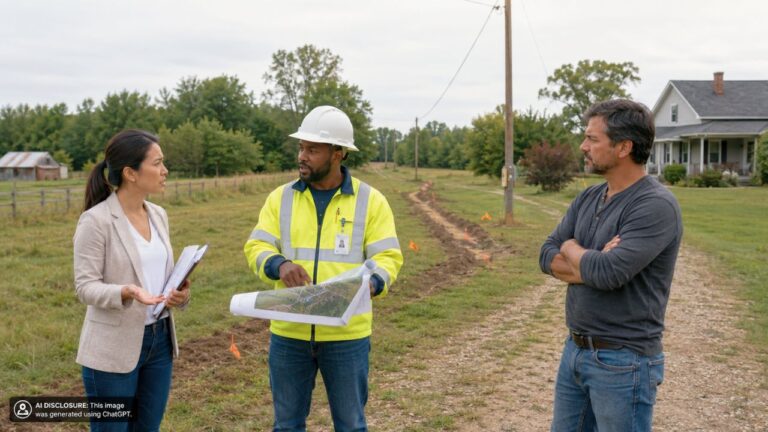
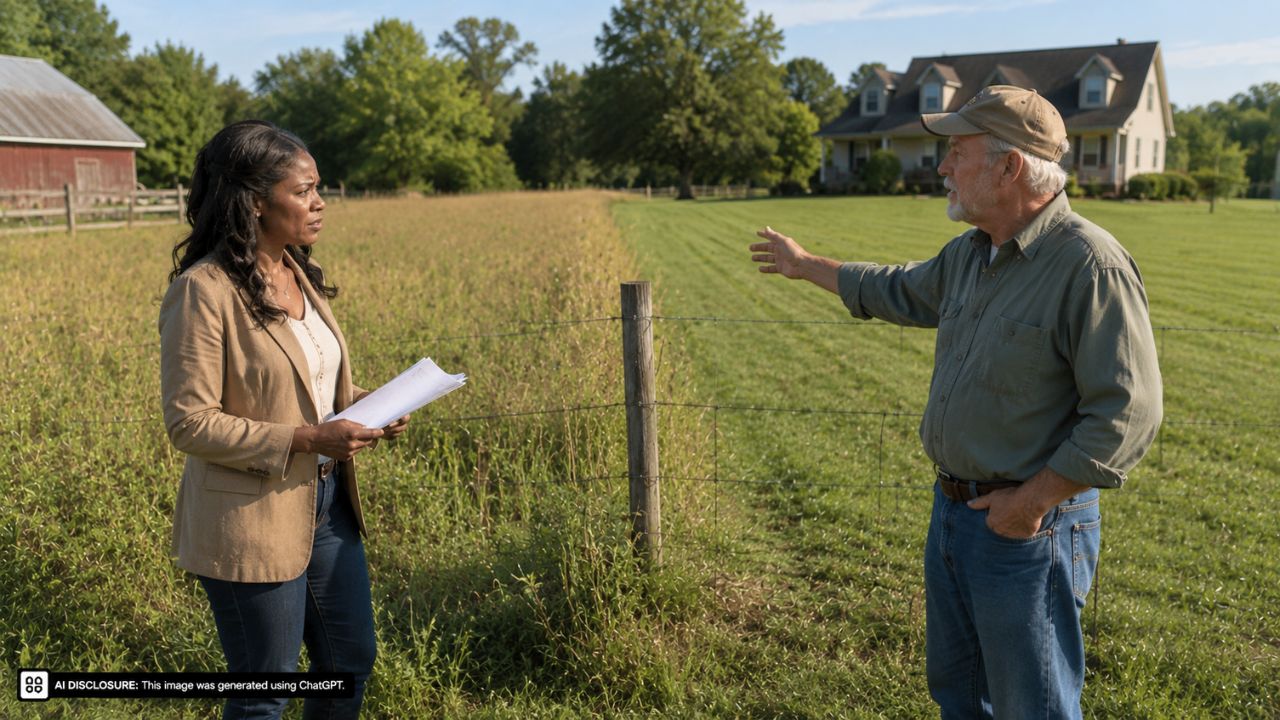
Photo credit: AI-generated image created using ChatGPT. Illustrative only.
Buying raw land is supposed to feel like freedom. No leaky roof, no surprise plumbing, no seller hiding water damage behind fresh paint. But one East Texas buyer closed on 13.4 acres for hunting and immediately learned the “no structures, no problems” rule doesn’t apply when a neighbor has been treating part of your parcel like a personal storage yard.
Not long after the purchase at a tax auction, the new owner met the neighbor—an older man who’s lived next door for decades—and got a blunt explanation: the land had sat abandoned for years, and during that time the neighbor had been storing “junk” on it. The buyer described roughly an acre filled with junk cars, scrap metal, and some farm equipment, and asked for help protecting against an adverse possession claim in the original post.
The welcome-to-the-neighborhood surprise: an acre of somebody else’s stuff
The buyer wasn’t shocked that an unattended rural property had been “used” by someone nearby. That’s common country math: if it isn’t posted, fenced, or obviously watched, people assume nobody will care. The problem is what was left behind—junk vehicles, scrap piles, and equipment aren’t a set of footprints you can shrug off. They’re a physical claim that says, “I’ve been here.”
And in rural areas, a long-running pattern can start to feel like an agreement, even if nothing was written down. The neighbor reportedly told the buyer he’d been storing items there “for a long time,” back when the acreage was abandoned. In his mind, that history may count as permission, ownership, or at least a right to keep using it.
Why the buyer didn’t want a fight—but couldn’t ignore the risk
What makes the story tense is that the buyer wasn’t looking to start a war over old cars and scrap. They even said they didn’t really mind the junk being there. The neighbor claimed he planned to move it, but he’s elderly and “not in great shape,” and the buyer doesn’t expect the cleanup to happen quickly.
That’s the trap a lot of landowners fall into: you want to be humane, you don’t want to be the new person who shows up and starts barking orders, and you don’t need that acre today. But the longer it sits, the more it can look like you tolerated it—or worse, recognized it.
The buyer’s worry wasn’t just aesthetics. It was legal gravity: once you know a neighbor is occupying or using a defined portion of your land, letting it ride can create future headaches when you finally want to hunt that corner, fence it, sell the property, lease it, or improve it.
The invisible line problem: you can’t enforce what you can’t point to
The buyer said they planned to get a survey done after the redemption period passes. That detail matters because land bought at a tax auction comes with its own timing and paperwork realities, and people don’t always want to spend money improving or defending a property until they’re sure it’s fully theirs.
But in the meantime, the property line is more theory than reality. Without surveyed markers, the boundary is whatever people feel like it is—tree lines, old fence remnants, a ditch, a worn path. In that kind of fog, a pile of scrap becomes a boundary marker all by itself.
Even if everyone is acting in good faith, memories get messy. “It’s always been like that” turns into “that’s where the line is.” And if the neighbor has been placing items there for years, he may genuinely believe the area is part of his routine and therefore his right.
When “abandoned land” turns into “I had an understanding”
In these disputes, the neighbor’s story tends to harden over time. Today it’s “I stored junk there because it was abandoned.” Tomorrow it can morph into “the previous owner said I could use it,” and later it can become “we had an agreement.” The buyer is already thinking ahead to that possibility, because adverse possession is basically a claim built out of time, use, and lack of pushback.
Even if the buyer doesn’t mind being generous, generosity without documentation can look like surrender later. And the awkward part is that a neighbor doesn’t need to file paperwork every year for their version of events to feel real; they just need to keep doing the same thing long enough that everyone around them assumes it’s normal.
That’s why the buyer’s question wasn’t “How do I make him move it tomorrow?” It was “How do I protect myself?” That’s a different mindset: less about winning a confrontation and more about preventing the property from being slowly redefined while you’re trying to be patient.
Reactions focused on proof, paper trails, and stopping the clock
Although the post itself was short, the practical instinct it triggered is familiar: when land use has been blurred for years, people tend to advise new owners to get clear—fast—and to do it in a way that creates a record.
That usually means nailing down boundaries with a survey and then making the boundary visible in the real world. Rural landowners talk about basics like posting signs, putting up a fence or barrier where feasible, and documenting the current state of the property before anything changes. In a conflict where one side is relying on history and habit, the other side’s best friend is dated proof.
Some readers also tend to focus on communication that can be shown later, not just said in a driveway chat. If a neighbor is promising to move items “soon,” getting that promise into writing—politely, without turning it into a threat—can matter. A simple written acknowledgment that the items are on your land with your permission (and that permission can be revoked) is the kind of boring detail that can become priceless years down the road.
The real-world headache: junk removal isn’t just a favor, it’s a project
There’s also a practical side that doesn’t show up on a deed. An acre of junk cars and scrap metal isn’t a single Saturday of cleanup. It’s towing, hauling, equipment, and disposal—plus the question of what’s leaking into the soil and what’s become a home for snakes, rodents, and insects.
If the neighbor is older and not physically able, the buyer may end up facing an uncomfortable choice: wait indefinitely, or get more proactive and risk souring the relationship. And if the buyer ever needs to clear it themselves, that can create its own problems. Moving someone else’s property without clear permission can trigger angry accusations, even if it was left on your land.
That’s why these land disputes can feel so stuck. The buyer wants to hunt and enjoy the property, not spend their first season managing a scrap yard boundary dispute. But the neighbor’s “it’s been that way for years” use is already shaping how that part of the 13 acres functions.
For now, the buyer’s next step is a survey once timing allows. After that, the land won’t just be “over there behind the trees.” It will be measured, staked, and harder to argue with. The junk may still be sitting there, but the story around it won’t be the only thing defining the line.