New Homeowner Finds the Neighbor Has Been Using Nine Feet of the Land as His Own for Years — Then Says Moving the Fence Now Would Be “Petty”
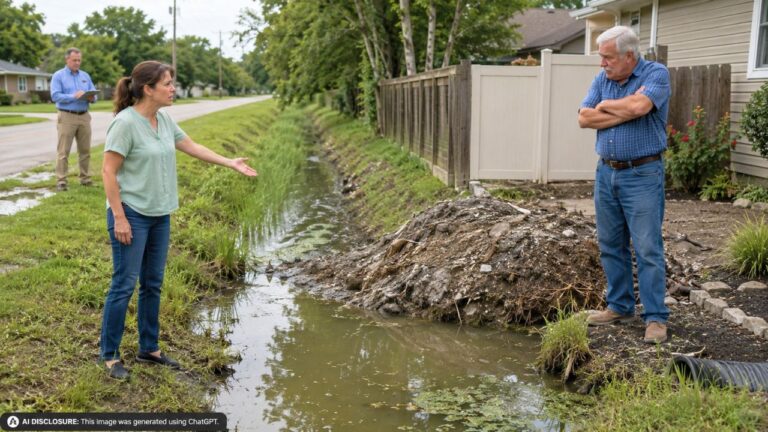
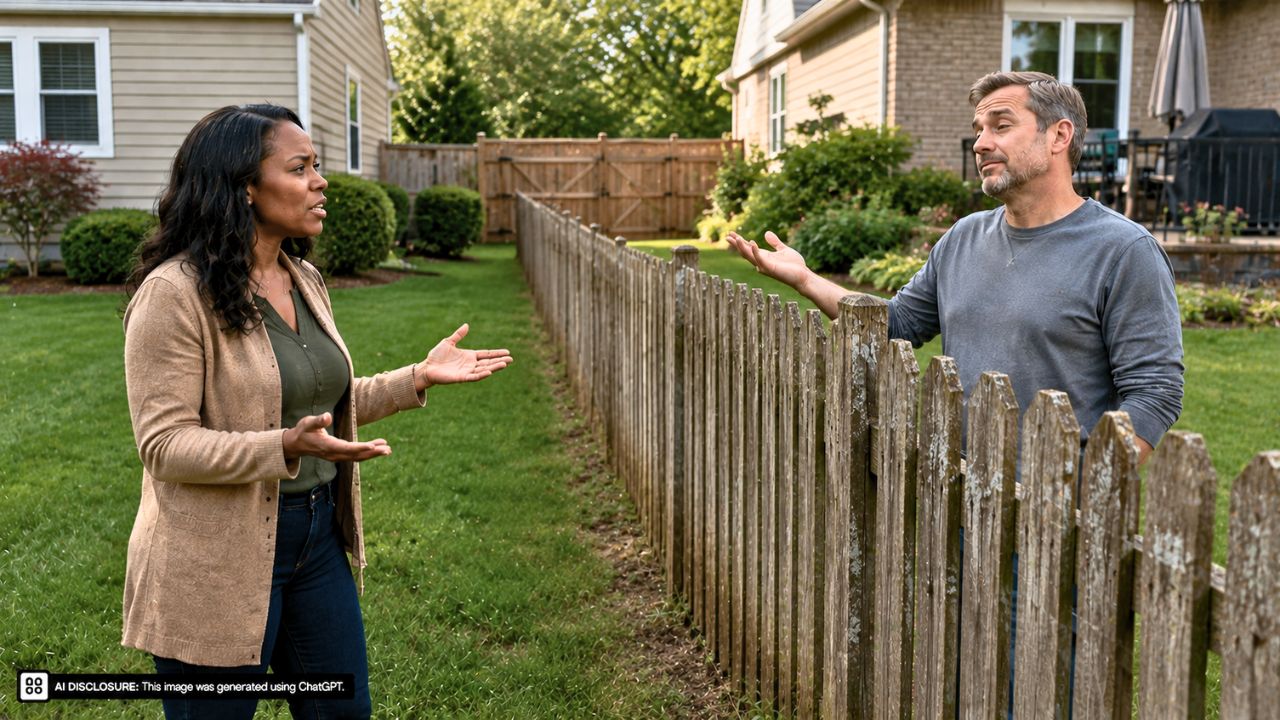
Photo credit: AI-generated image created using ChatGPT. Illustrative only.
It started as a normal new-homeowner upgrade: rip out an aging wooden fence and replace it with clean, low-maintenance vinyl. But when a fence contractor reviewed the survey and started taking measurements, he delivered the kind of news that makes your stomach drop—nine feet of “their” backyard might not be theirs at all.
In the original post, a first-time homeowner in rural Florida explained that the contractor believed the neighbors behind them have been using a nine-foot strip of their property for years. And it wasn’t just a little lawn overlap. Immediately behind the poster’s wooden fence sat the neighbors’ chain-link fence—and a small horse stable.
A simple fence replacement turned into a property line shock
The homeowners, both in their mid-20s, had recently moved from renting in a larger city to buying their first place in a more rural part of Florida. Like a lot of new buyers, they were focused on practical improvements: replace old, weathered wood with vinyl, clean up the yard, make the property feel like theirs.
They did what you’re supposed to do. A survey had been completed before closing, and the contractor looked at it before quoting the fence job. Then he measured, compared, and came back with the bad news: the neighbors appeared to be “on” their land by nine feet.
Nine feet doesn’t sound huge until you picture it running the full width of a backyard. That can be a meaningful chunk of usable space—gardens, sheds, setbacks, drainage lines, and future projects all start to look different when the boundary shifts.
The part that made it feel real: the chain-link fence and the stable
If the only issue had been a fence line that drifted over time, the fix might have been awkward but straightforward. What made this feel heavier was what was sitting right behind the wooden fence: a chain-link fence on the neighbors’ side and a small horse stable beyond that.
In other words, the “extra” nine feet wasn’t empty. It looked occupied and organized, the way a space does when someone has treated it as theirs for a long time. That’s exactly the kind of detail that turns a boundary question into an emotional one—because moving a fence isn’t just moving boards. It’s telling another household that a portion of their daily setup is going away.
The homeowner’s worry was immediate and familiar: they didn’t want to start a major fight or create a hostile relationship with the people living right behind them. But they also couldn’t shake the feeling that nine feet is a lot of land to shrug off.
When they called the survey company, the conversation got tense fast
After hearing the contractor’s assessment, the homeowner called the survey company. The first response didn’t exactly inspire confidence. The person on the phone tried to minimize the concern, saying it wasn’t necessarily an issue because they couldn’t confirm ownership of the fences—either the homeowner’s wooden fence or the neighbors’ chain-link fence.
That’s the kind of answer that can make a new homeowner feel stuck: you have a document, you have a contractor pointing to a discrepancy, and then you have a professional company essentially saying, “Well, fences can be anywhere.”
But then the homeowner mentioned something that changed the tone—the horse stable sitting behind the wooden fence in the area shown on the survey as belonging to the homeowner. At that point, the survey company rep apologized and acknowledged that was “completely different.”
The company said they were looking into it and might send someone back out again. The homeowner was told to expect an update in three days to a week. Meanwhile, the fence project that was supposed to be a simple upgrade is now frozen in place, because nobody wants to install an expensive new fence on a line that might spark a full-blown dispute.
The awkward neighbor conversation no one wants to have
There’s a certain type of rural neighbor tension that doesn’t look dramatic from the outside. It’s just quiet pressure. People have routines, animals, structures, and fences set up the way they like, and it can feel “petty” to demand a change—especially when you’re the new person on the block.
But “petty” is a word that tends to appear when someone benefits from the status quo. From the new homeowner’s perspective, the stakes aren’t abstract. Property lines affect value, use, and future resale. They also affect liability if something goes wrong on what the paperwork says is your land.
The homeowner floated the idea of getting a second survey and also wondered whether they should talk to the neighbors to see if the neighbors have a survey of their own. It’s a reasonable instinct—verify before you accuse. But it’s also the moment where many people realize how fast a backyard project can turn into a documentation war.
Adding to the stress is the physical reality: if the stable really is on the homeowner’s side of the surveyed line, “moving the fence” isn’t just repositioning panels. It could mean the neighbors have to rework their chain-link fence and deal with the stable placement, too.
Reactions focused on proof first, feelings second
The homeowner’s updates show they were already being pushed toward the “paper trail” approach. The survey image they shared marked the homeowner’s wooden fence in yellow, the neighbors’ chain-link in green, and the stable in red—an attempt to translate a confusing boundary problem into something concrete.
In disputes like this, the emotional urge is to walk over and hash it out immediately. But the more practical reaction is usually: slow down, confirm the facts, and don’t make expensive moves until the line is professionally clarified.
Even the survey company’s response illustrated why. At first, they treated the question like a fence-placement mystery—something that might not mean much. As soon as the homeowner pointed out a structure tied to the boundary area, the conversation shifted. That’s the difference between a “maybe” problem and a “this could matter” problem.
And the fence contractor’s role matters here, too. Contractors can spot a mismatch between a survey and what’s in the yard, but they aren’t the final word on the boundary. They’re often the first person to tell you something is off—and that initial warning is what sends homeowners into the paperwork maze.
Stuck in limbo: you can’t unsee it once you know
The hardest part of property line problems is that they aren’t like a leaky faucet. You can’t just fix it quietly and move on. Once you know there may be nine feet of overlap, every future decision gets tangled: where you place the new fence, how you landscape, what you tell future buyers, and how you handle a neighbor who’s been using that space long enough to feel entitled to it.
For now, the homeowners are waiting on the survey company to “look into it” and possibly send someone back out. It’s an uncomfortable pause. The old fence is still there, the neighbor’s setup is still behind it, and the new owners are learning a lesson most people don’t expect to learn during their first fence estimate: in rural living, boundaries aren’t just lines on paper. They’re habits people build entire backyards around.
And once a horse stable is part of the picture, nobody gets to pretend it’s just a couple feet and a “petty” complaint.