Rural Property Owner Finds Ten Acres Completely Landlocked After a Neighbor Fences Off the Only Access Point — Then the Neighbor Says Building There Was “Just Common Sense”
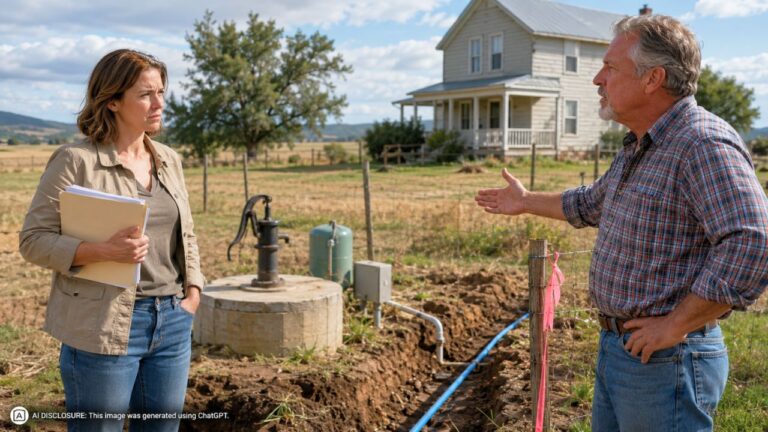
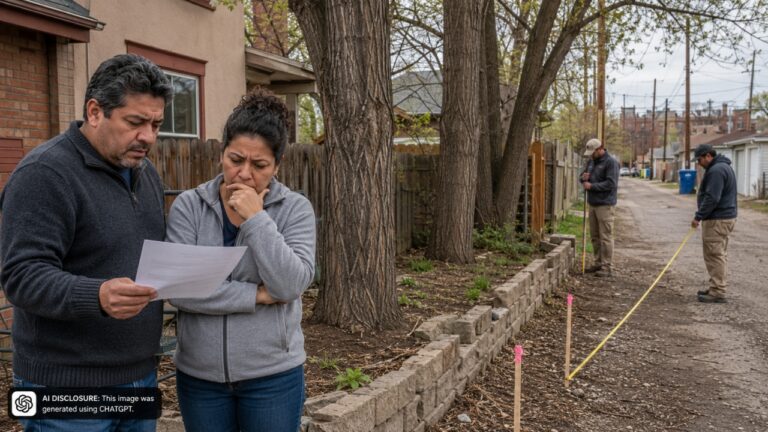
Photo credit: AI-generated image created using ChatGPT. Illustrative only.
Ten rural acres can look like a dream on a listing sheet—until you realize you can’t actually get to them. That’s the knot one New York buyer walked into while eyeing a “very cheap” parcel that comes with a massive catch: the only practical access is blocked by a neighbor.
In the original post, the prospective buyer explained they’re interested in purchasing landlocked property where the realtor says there’s a right-of-way. But the neighbor is physically blocking that access after a blow-up over trees that were cut down and apparently weren’t supposed to be. The seller doesn’t want to touch a lawsuit, so the price is tempting—yet the buyer is staring down the kind of problem that can swallow months and money before you ever bring in a shovel.
The deal sounded simple until the access issue showed up
Landlocked property isn’t rare in rural areas, especially where old farm parcels were split up over generations. Sometimes it’s fine because there’s a recorded easement, a long-standing driveway arrangement, or a neighbor who doesn’t mind someone passing through.
But this property’s “cheap for what it is” price isn’t a fun bargain. It’s a warning label. The buyer says the seller is unloading it specifically because the neighbor is blocking the right-of-way and the seller doesn’t want to deal with the legal mess.
That kind of discount can feel like opportunity—until you picture what “landlocked” means in real life. No driveway for deliveries. No place for a contractor to park. No legal access for building equipment. No clear way for emergency services to reach the property if something goes wrong.
A few trees turned into a full access standoff
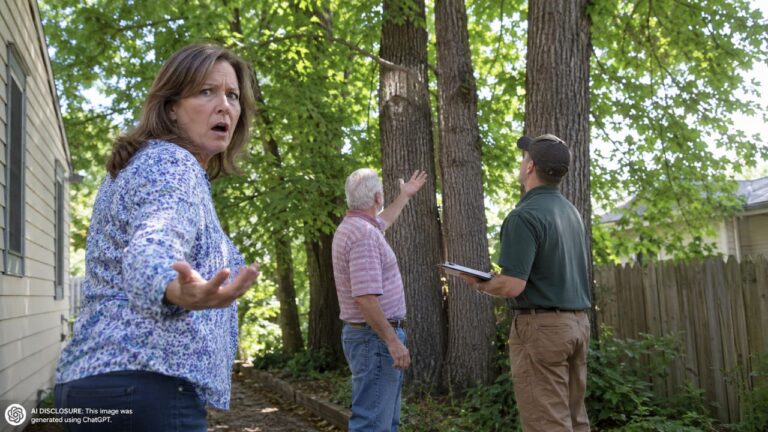
The detail that makes this dispute feel personal is how it started: trees were cut down that “weren’t supposed to” be cut. In rural property fights, trees are never just trees. They’re privacy, shade, boundary markers, and sometimes real money.
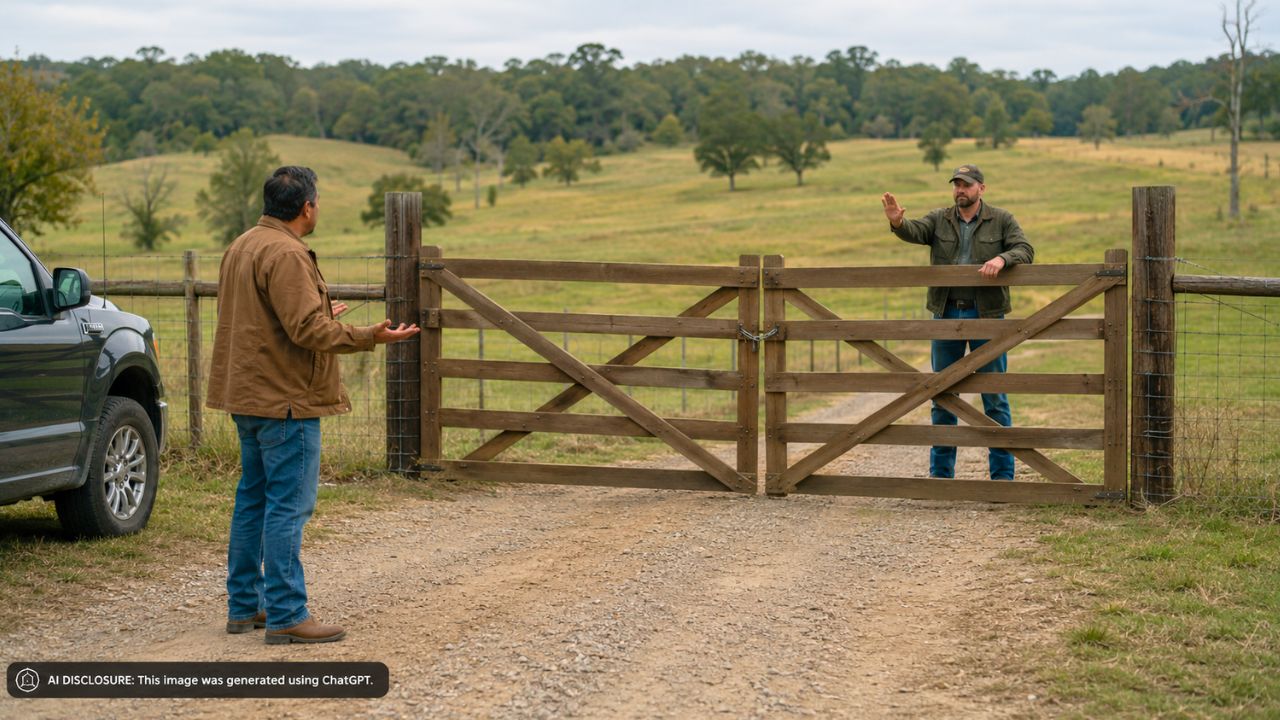
Now, instead of a quiet rural arrangement, the neighbor is blocking the way. Whether that means a fence, a gate, or another obstruction, the effect is the same: the route the realtor describes as a right-of-way is not usable.
The buyer’s immediate question was simple and urgent: is it legal for the neighbor to block it? That’s the kind of question that sounds straightforward until you realize how many versions of “right-of-way” exist—some recorded, some implied, some based on handshake agreements that don’t survive a disagreement over timber.
The cheap price comes with an expensive kind of risk
This is the part that makes landlocked drama so brutal for buyers: you can’t fix it with sweat equity. You can’t patch it, paint it, or DIY your way out of it. If the access is truly blocked and the neighbor refuses to cooperate, you’re stuck in paperwork, enforcement, and possibly court—before you ever improve the land.
Even if there is an easement, enforcement can be its own battle. A piece of paper doesn’t automatically remove a fence. It doesn’t stop a neighbor from escalating with more barriers. And it doesn’t guarantee a quick resolution when a sale is waiting on contingencies and deadlines.
The buyer mentioned signing a contract contingent on “this working out,” but they’re unsure how long it will take. That uncertainty matters because rural purchases often move on seasonal timelines. Miss a window and you can lose a whole year of building plans, driveway work, well drilling, or septic scheduling.
Why access problems hit harder once you plan to build
On paper, you’re buying dirt. In practice, you’re buying a future driveway, a staging area, and the only path in and out.
If you plan to build, access is everything. You need machinery to clear, grade, and pour. You need trucks to haul gravel, lumber, and concrete. You need inspections and utility work. And if the only route is contested, every step becomes a negotiation—or a risk.
Even basic maintenance becomes a problem. If you can’t legally and reliably reach the property, you can’t protect it from dumping, trespassing, or damage. The neighbor who is already angry about trees may not become easier once construction starts.
And that’s the quiet fear underneath this buyer’s question: it’s not just “Can I get in?” It’s “Can I keep getting in, every day, for years, without a constant fight?”
People who’ve seen these disputes usually point to paperwork first
The buyer said they’ll be reaching out to a lawyer, which is the move most experienced property owners will tell you to make before you spend another dollar. When access is the issue, the solution is rarely a conversation over the fence—especially when the dispute already involves alleged tree cutting.
In these standoffs, the first thing people tend to focus on is whether the right-of-way is actually recorded and specific. Not “the realtor said there is,” but what the deed says, what the easement describes, and whether it’s been properly granted and maintained through title history.
From there, the practical questions follow fast. Where exactly does the easement run? Is it the same “way” the neighbor is blocking? Does it allow vehicles or only foot travel? Who is responsible for maintenance? And is there a history of use that helps prove the access was real and continuous?
That’s why this listing feels like a trap for anyone who’s excited by acreage. Without clear access, ten acres can function like a display case: you can look at it, but you can’t use it.
The seller’s exit tells you what the next chapter looks like
The most telling line in the buyer’s description isn’t about the neighbor—it’s about the seller. The seller doesn’t want to deal with lawsuits. That’s why the price is low.
It’s easy to read that as motivation and think, “Fine, I’ll handle it.” But it also signals that the dispute is serious enough that the current owner would rather take less money than fight for the access they’re supposed to have.
If you buy it, you’re not just purchasing land. You’re purchasing a relationship with an angry neighbor, a disputed pathway, and a stack of legal questions that have to be settled before the land is usable the way most people imagine when they hear “ten acres.”
The buyer is doing the right thing by treating it as a contingency and putting a lawyer call first. Because until access is more than a promise and becomes something you can actually drive through without confrontation, that bargain land isn’t a bargain—it’s a waiting room.
Like Fix It Homestead’s content? Be sure to follow us.
- Man Says He Found Out the Fence He Paid For Wasn’t Actually on His Property
- Woman Says Her Neighbor Started Taking Mulch From Her Delivery Pile Before She Could Even Spread It
- I made Joanna Gaines’s Friendsgiving casserole and here is what I would keep
- What Caliber Works Best for Groundhogs, Armadillos, and Other Digging Pests?