New Landowner Finds the Neighbor Wants to Tap Into the Property’s Water Line After Thirty Years of Sharing a Well — Then Threatens to Sue If Refused
Photo credit: AI-generated image created using ChatGPT. Illustrative only.
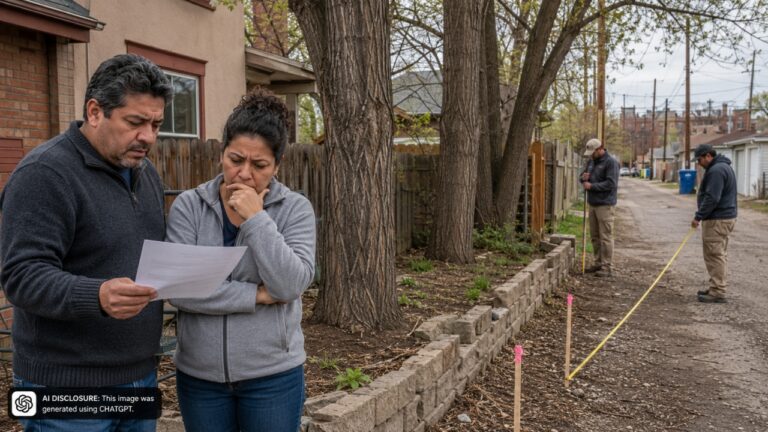
Buying a place is supposed to come with the usual surprises: a sticky window, a finicky gate, maybe a sump pump you didn’t know existed. But for one new landowner, the surprise arrived in the form of a neighbor’s request—one that would literally run through the new owner’s property.
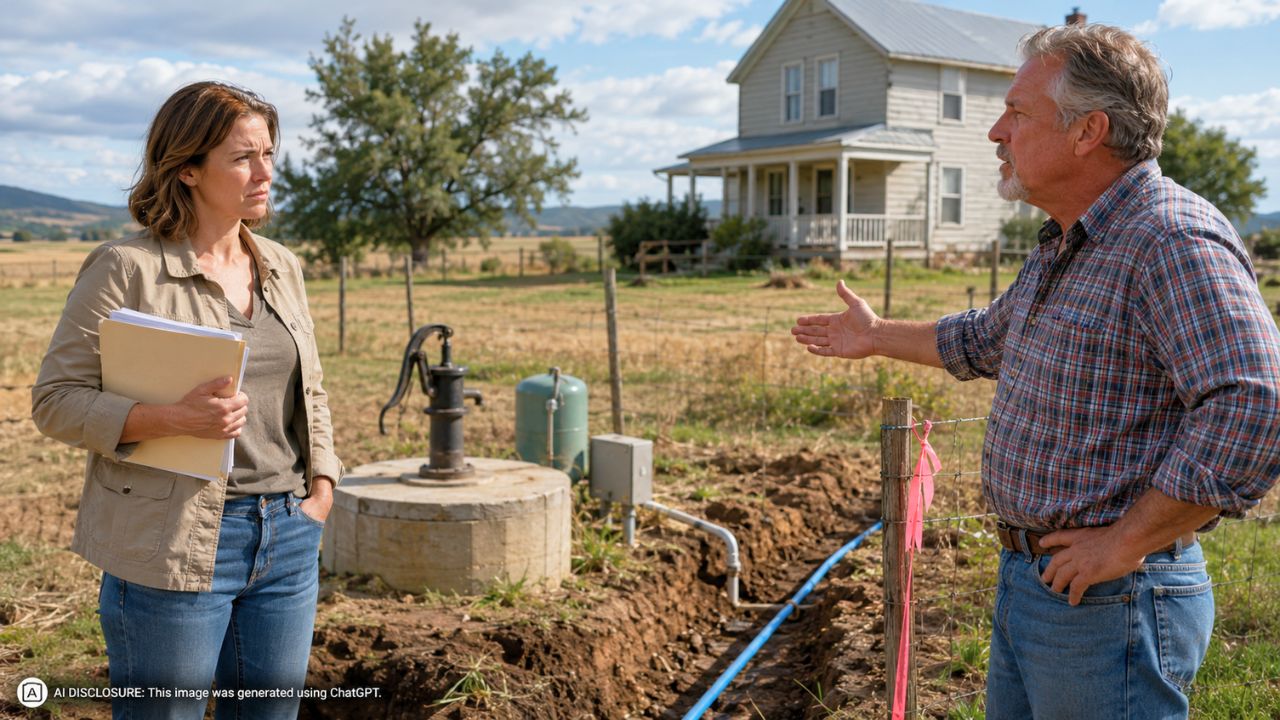
In the original post, the homeowner explained that their neighbor wanted to connect a water line across the property to reach the main line. The immediate question wasn’t just “Should I allow it?” It was the kind of question that hits homeowners right where it hurts: “Will this turn into a problem when I sell?”
It starts with a pipe, but it’s really about control
Water access has a way of turning neighbor relationships into something more like a contract negotiation. The neighbor’s request sounds simple on the surface—run a line through someone else’s land to reach the main. But once you say yes, it’s no longer a casual favor. It becomes a permanent feature of the property, with consequences that can outlast both owners.
For the new owner, the worry wasn’t just the digging or the disruption. It was what happens after: the questions from future buyers, the paperwork, and the awkward moment where “my land” turns into “my land, plus someone else’s utility corridor.” Even if everyone is friendly today, the property still has to survive the next few decades of ownership changes.
The big detail: who owns the line, and who gets access
One reply cut straight to what many homeowners don’t think about until it’s too late: it depends on whether the connection is handled by the water company or by the neighbor personally. That difference can change everything—especially when the line crosses someone else’s parcel.
The commenter described two common setups. If the water company is the one running the connection through your property and the meter sits on the other side, it may feel more routine. It’s still not nothing, but it tends to be clearer: established standards, predictable maintenance procedures, and fewer “Hey, I need to dig up your yard this weekend” conversations.
The second setup is where things get thorny: when the neighbor wants to run their own pipe across your land to connect to the water company. In older areas, this sometimes happened when one person owned multiple lots and ran lines informally. Decades later, after the lots are sold off separately, that old arrangement stops being a simple private decision and starts becoming a real property headache.
When an “easement” becomes a four-letter word at resale time
The homeowner’s main fear—resale—wasn’t brushed off. The commenter pointed to the biggest practical issue: any easement tied to the water line could limit what a future buyer can do with the property. That can mean restrictions on building, landscaping, fencing, adding a shed, or even where a driveway could go. It can also mean permanent access rights for repairs.
In real life, that plays out in small but painful ways. A buyer falls in love with the backyard and then finds out there’s a utility corridor they can’t build on. A planned garden bed becomes a “don’t plant trees here” zone. A future deck plan gets redrawn because someone needs access to a buried line.
Even if it never causes a single actual repair dispute, an easement can still show up like a speed bump during a sale. Buyers ask questions. Agents flag it. Lenders and title companies want clean documentation. And suddenly a simple “neighbor favor” turns into something that has to be explained repeatedly to strangers who are deciding whether your property is worth the hassle.
Old connections can look normal—until they break
The commenter mentioned seeing issues arise when older properties were once under common ownership. That’s the kind of history that doesn’t always show up in the way homeowners expect. A pipe is buried. Everyone uses it. Nobody thinks much about it. Then one day there’s a leak, a pressure issue, or a repair, and the real question becomes: who is responsible, and who has the right to dig?
That’s when the friendly neighbor relationship can get tested. If the line is “the neighbor’s,” but it runs through your property, you may be the one dealing with the mess in your yard. If the line is treated like shared infrastructure, arguments can spark over who pays, who chooses the contractor, and how quickly the yard gets restored.
And in the background is the unglamorous reality of water lines: they are buried, they can fail quietly, and a small problem underground can become a big surface problem—mud, sinkholes, landscaping loss, and days of disruption.
Commenters didn’t panic— they narrowed it down to paperwork and boundaries
The tone of the advice was practical, not dramatic. The key message was that this isn’t a yes-or-no question; it’s a “what exactly is being proposed” question. Ownership of the line, the role of the water company, and how the meter is set up matter. Those details decide whether the request is more like a standard utility connection or more like granting a private right-of-way for a neighbor’s personal infrastructure.
Instead of focusing on neighborly goodwill, the comment focused on what tends to follow the property: easements and limitations. That’s the kind of response homeowners often need, especially when they’re new to the place and still learning what came with the deed and what didn’t.
The original poster replied simply that it was helpful—suggesting the advice landed in the exact spot the homeowner was worried about: future consequences, not just today’s trench.
In the end, the land doesn’t forget
This is the part that makes these property-line utility requests so stressful: even if the digging goes smoothly and everyone stays polite, the property itself keeps the record. Pipes get mapped. Easements can get recorded. Future buyers will see it, or they’ll discover it at the worst possible time—right when you’re trying to close.
For the new owner, the request to run a water line across the land wasn’t just about water. It was about what it means to own a property outright, and how quickly that feeling can change when someone else needs permanent access to a piece of it. Once a buried line is in place, the question isn’t just “Can I live with this?” It’s “Can I sell with this?”
And that’s why these neighbor requests hit so hard. You’re not just deciding whether to help someone out. You’re deciding what your land will be, on paper and in practice, for the next owner too.