Buyer Closes on a Home and Learns an Undisclosed Water Line Runs to the Neighbor’s House — Then the Neighbor Asks Them to “Turn It On” Because Their Well Failed
Photo credit: AI-generated image created using ChatGPT. Illustrative only.
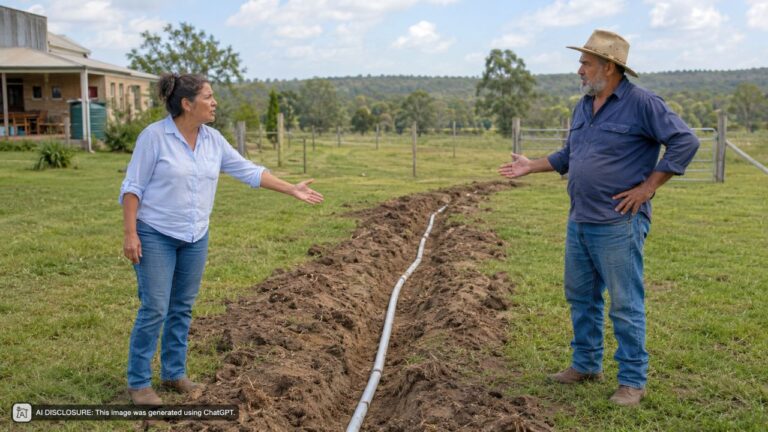
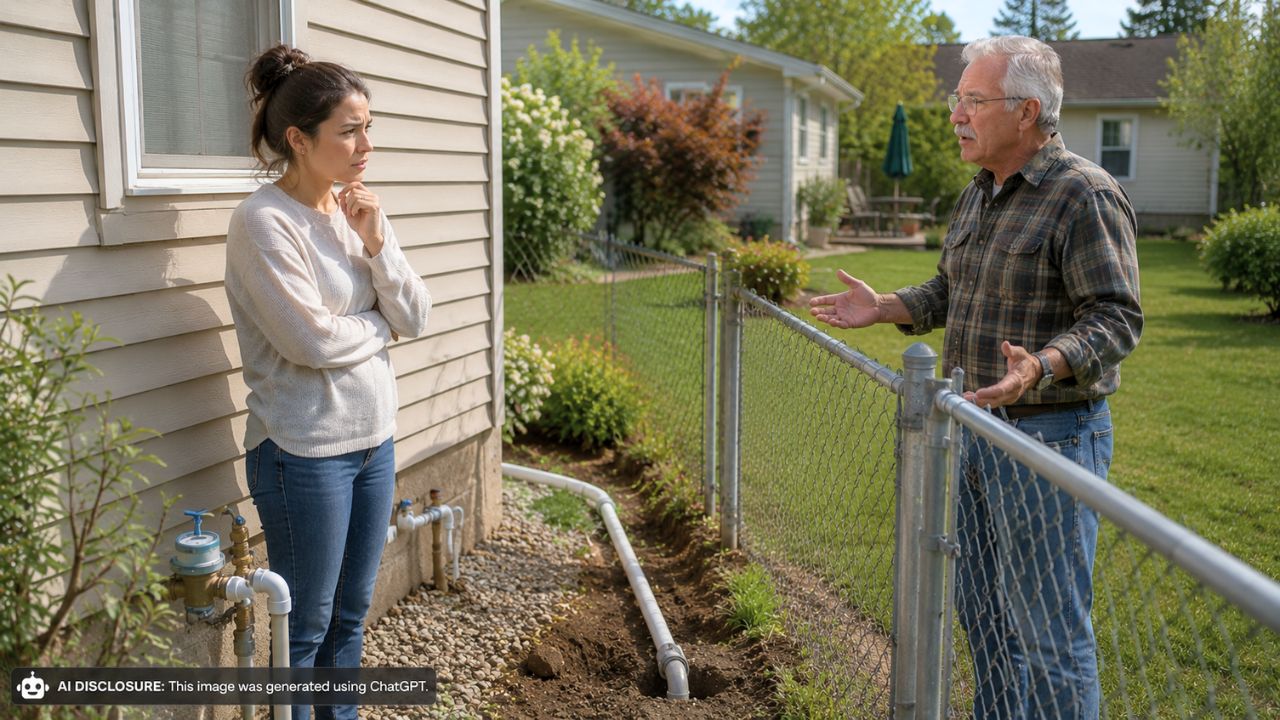
Less than a month after closing, a new homeowner got the kind of knock that makes your stomach drop: the neighbors wanted them to “turn on” a water line that supposedly runs from the new owner’s house to the neighbor’s place.
It wasn’t a friendly favor like borrowing a ladder. It was a request tied to a failed well, money trouble, and a piece of buried infrastructure the buyer says was never disclosed. The homeowner laid out the whole mess in the original post, trying to figure out what was real, what was legal, and what they’d accidentally inherited when they signed the papers.
The knock that turned into a property mystery
The buyer closed on 2/4. By late February, the neighbors were asking for water—specifically, to reactivate a line they believed connected to the buyer’s house. The neighbors said their well was “in bad shape,” and that they couldn’t afford to connect to city water.
The buyer’s first reaction was simple: confusion. They hadn’t been told about any off-the-books service line. It wasn’t in the seller’s disclosure, and it wasn’t shown on the survey the seller provided during the purchase.
That’s the part that tends to turn a neighborly request into a high-stakes homeownership problem. A hidden utility line doesn’t just represent a pipe. It’s potential liability, an ongoing expense, and a question of whether there’s an easement or agreement attached to the property that should have been caught before closing.
“Did they tell you?” made it feel like everyone knew but the buyer
When the neighbors asked, “Did they tell you about the water situation?” it landed like an accusation—like the buyer was pretending not to know. The buyer wasn’t. They said they hadn’t been made aware by the selling agent.
The details get even messier once the ownership picture comes into focus. The buyer wrote that the seller owns the land but not the neighbor’s home. That’s a classic rural and semi-rural complication: someone owns the dirt, someone else owns the structure, and the utilities end up being patched together over the years with handshakes instead of paperwork.
From the buyer’s perspective, the timing couldn’t be worse. They’d barely moved in and were already being asked to supply water to another household. Even if you want to help, you also have to live with whatever happens if that line leaks, freezes, backflows, or triggers a city water issue you didn’t even know you could have.
City water on one side, a failing well on the other
In an update, the buyer clarified they are on city water. That matters, because city systems typically come with rules about cross-connections and how water can be distributed. A private line feeding another residence can raise eyebrows fast, even before you get into billing and responsibility.
The neighbor, according to the buyer, has a mobile home they own, sitting on land they rent. After a parcel search, the buyer learned that the land is rented from the seller’s daughter. That detail sharpens the conflict: the person who sold the buyer the house is connected to the land arrangement next door, and the neighbors seemed to expect the water setup to continue.
The buyer also added another key detail: the person they bought the home from was both the selling agent and the seller. That can be perfectly legal in many places, but it also means the buyer felt there was no separation between “the person marketing the home” and “the person who knew its history.” When something big appears to be missing from disclosures, that dual role feels personal.
Lawyer calls, a stalled appointment, and a decision to dig
The buyer did what most people do when they’re suddenly holding a possible legal problem: they reached out to a real estate attorney. But the earliest conversation they could get was March 27th. In the meantime, they still had a neighbor asking for water, and they still didn’t know if the line existed, where it ran, or whether it was live.
The buyer’s realtor contacted the selling agent, who claimed the line was severed. That could have ended the whole thing—except “severed” is the kind of word that begs for proof. If a neighbor is standing there expecting you to turn on water, it suggests something used to work, or at least that they believe it did.
So the buyer chose the most direct form of reality check: they decided they were going to dig and inspect for themselves. It’s a very homestead kind of moment—when paperwork fails and phone calls stall, you grab a shovel because the ground won’t lie.
What people pushed: proof, paperwork, and protection
Even without a full comment transcript included in the update, the tone of the buyer’s plan matches the kind of practical advice these posts typically draw: don’t agree to anything until you know what’s buried, what’s recorded, and what you’d be responsible for if it goes wrong.
The buyer themselves framed it that way. They weren’t looking to punish the neighbors. They said they wanted to help “provided that doing this is legal” and that they could get a written agreement that protects them and their home.
At the same time, the buyer admitted something a lot of homeowners feel but don’t always say out loud: they were miffed. Not because a neighbor asked for help, but because the existence of a private water line to another home would have affected their decision to purchase. That’s not petty. That’s the difference between buying one household’s responsibilities and unknowingly buying two.
The dig finally answered the only question that mattered
The resolution came from the yard, not the inbox. The buyer dug up the line and found it. And it wasn’t an active, open connection waiting to be turned back on.
They reported that it looked “completely disconnected and capped off.” In other words: not supplying water, not something you can just flip on like a switch, and—most importantly—not a live line currently tying their city water service to the neighbor’s home.
That discovery brought a rare thing in property drama: closure. The buyer sounded relieved, calling it “relief and closure,” especially after only living there a few weeks. The neighbors still have their well problem, and the land-rental arrangement next door is still complicated, but the buyer isn’t suddenly responsible for providing water through an undisclosed pipe.
It’s also the kind of ending that leaves one lingering thought: if a capped line was still in the ground and the neighbors expected it to be turned on, this wasn’t ancient history. Someone knew the setup existed. The buyer just had to dig to find out how much of it was still real.
Like Fix It Homestead’s content? Be sure to follow us.