Homeowner’s Own Surveyor Mistakenly Put Part of Their Land in the Neighbor’s Name — Then the Neighbor’s Second Surveyor Confirms the Error but the Neighbor Refuses Access to Fix It
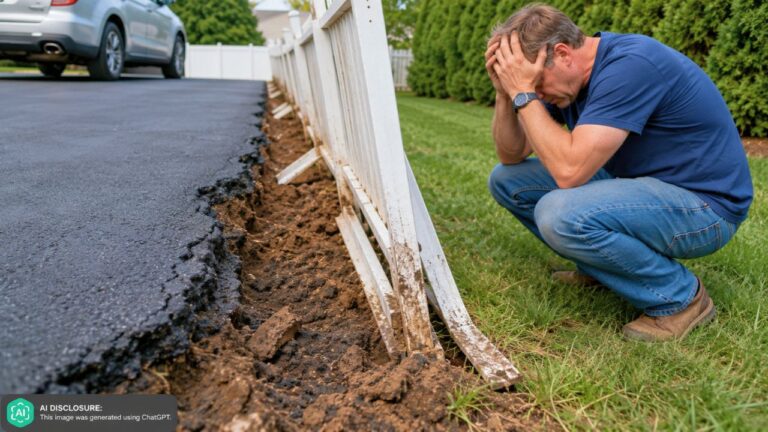
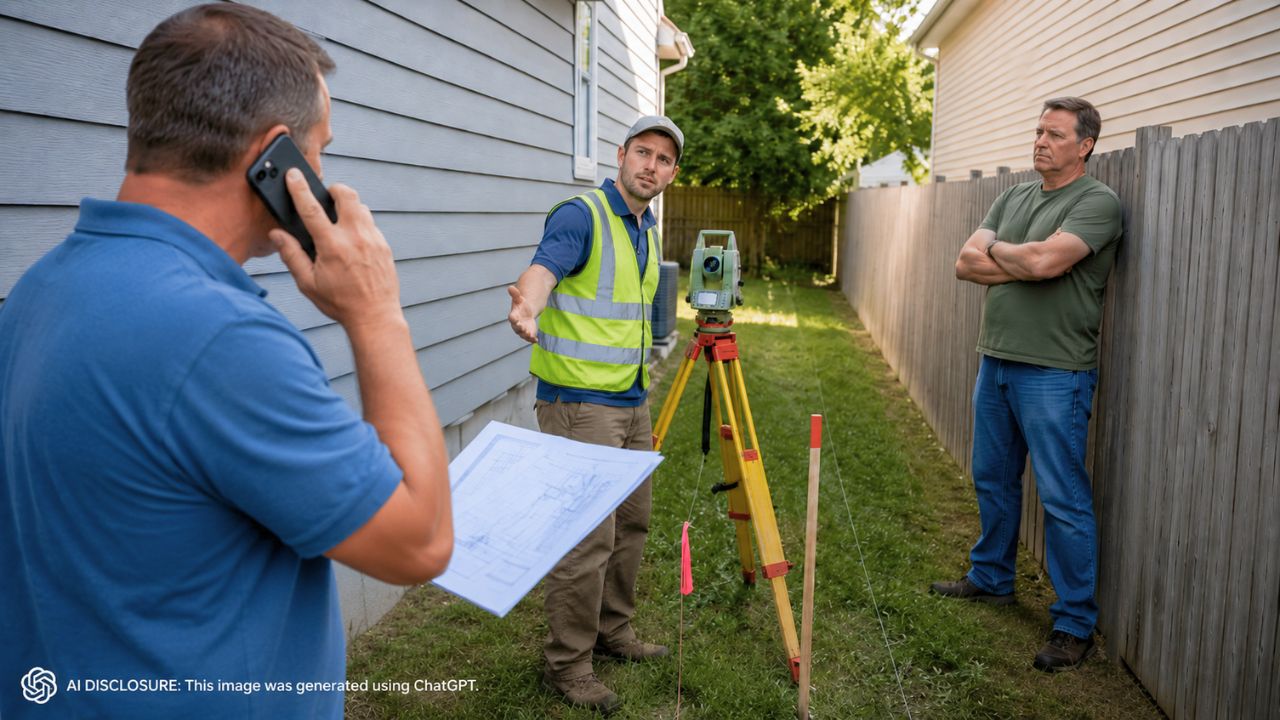
Photo credit: AI-generated image created using ChatGPT. Illustrative only.
There’s a special kind of homeowner panic that hits when you realize the “property line” you’ve been living with might not be your property line at all. In Texas, one homeowner says they’re already in a court fight with a neighbor because the original survey done at purchase didn’t just miss a corner—it allegedly handed a piece of their land to the neighbor on paper, without anyone flagging it at the time.
In the original post, the homeowner explains that the disputed strip is now in the neighbor’s name, and even after another surveyor reportedly agreed the land actually belongs to the homeowner, the neighbor won’t cooperate with access that could help straighten it out. And that’s where this kind of dispute turns from stressful to immobilizing: you can’t fix what you can’t legally step onto.
When the paperwork becomes the enemy
The homeowner’s story starts with a purchase and what should have been routine due diligence: they hired a survey company. According to them, that survey was wrong—wrong enough that “a portion of our property” was given to the neighbor in the recorded outcome, and the homeowner says their survey company “never bothered telling us.”
That detail matters because property disputes aren’t just about where a fence sits or where someone mows. Once the legal description and survey documents point the wrong direction, you’re no longer arguing about grass—you’re arguing against recorded paperwork that other people (title companies, lenders, future buyers) will treat as truth until proven otherwise.
A second surveyor reportedly confirmed the error—and then got fired
What makes this one feel especially messy is the homeowner’s claim that the neighbor hired their own survey company, and that company told the neighbor the disputed property did not belong to them. In other words, the neighbor’s first outside opinion allegedly supported the homeowner’s position.
But instead of resolving things, the homeowner says the neighbor fired that survey company and then hired the homeowner’s original survey company—the one being blamed for the initial mistake. If you’ve ever dealt with contractor disputes, it has the same uncomfortable vibe: when the “independent” opinion isn’t going your way, you swap experts until you find one that does.
By this point, the homeowner isn’t just defending their land. They’re trying to untangle which survey will be treated as credible, and whether the surveyor who made the alleged error is now influencing the neighbor’s next moves.
The access problem: you can’t survey what you can’t enter
Trying to push the situation forward, the homeowner hired a new survey company to resurvey the property. That’s the practical move most homeowners want to make—get a clean, fresh set of measurements and stakes, then use that as the backbone for whatever comes next.
But the homeowner says the new survey company needs the neighbor’s permission to survey the disputed area because it’s currently recorded in the neighbor’s name. The neighbor is now saying they are “hesitant” to give permission.
That’s the kind of polite wording that can hide a hard no. And it creates a catch-22: the homeowner believes the land is theirs, but because the disputed tract is in the neighbor’s name, the neighbor can use control of access as leverage. Meanwhile, the homeowner is paying lawyers and surveyors while the physical proof stays behind a boundary they can’t cross.
Why this kind of dispute gets personal fast
Property-line fights don’t stay abstract for long. Even if nobody has built a fence yet, a disputed strip of land can affect where you can put a driveway, a shop, a septic line, or even basic things like where you can run utilities or place drainage improvements.
And once a court battle starts, every day that passes can feel like the other side is “using” your land—mowing it, parking on it, placing a shed, letting dogs run on it, or simply treating it like it’s theirs. The homeowner didn’t describe physical encroachments, but the core stress shows up anyway: the land is effectively out of reach while the paperwork says someone else owns it.
In rural and semi-rural parts of Texas, this can get especially tense because property lines are often tied to older legal descriptions, long-standing markers, and fences that may have wandered over decades. One bad survey can turn into a domino chain: title records, neighbor expectations, and future resale value all built on an error.
What people urged: don’t force it, document everything, lean on the attorney
The homeowner noted they already have an attorney and had reached out, but it was a Friday and they wouldn’t hear back until next week. That “waiting for Monday” feeling is familiar to anyone in the middle of a home dispute—your problem doesn’t pause just because the office closes early.
Even without a full comment thread included, the most practical reaction in situations like this tends to be the same: don’t trespass, don’t escalate face-to-face, and don’t do anything that gives the other side an easy distraction. If the neighbor is controlling access, barging onto the disputed area can turn a property matter into a law-enforcement matter, and it can muddy the clean narrative the homeowner needs in court.
Instead, people usually push for building a paper trail: surveys, plats, title commitments, closing documents, emails with the original survey company, and any written statement (if it exists) from the neighbor’s first survey company that allegedly said the land belongs to the homeowner. The homeowner’s post already shows they’re thinking along those lines—get a new survey, do it right, and use it to fix the record.
The stalemate: fixing the record without permission to prove it
The homeowner’s question is simple and pointed: if the neighbor won’t grant permission, is there another option to get the survey done? That question sits right at the intersection of homeowner reality and legal boundaries.
From the homeowner’s perspective, they’re trying to correct an error that started with the professional they hired. From the neighbor’s perspective—at least based on the current paperwork—they may feel like they have something to lose by letting a survey crew onto “their” land. And when both sides have surveyors and lawyers involved, the neighbor’s “hesitant” can become a strategy: delay, deny access, and let the homeowner spend time and money just to get to the point of measurement.
For now, the homeowner is stuck in that uncomfortable middle space where the fix is known—get the boundary established correctly—but the path to that fix runs straight through someone who benefits from stopping it. And in property disputes, the hardest part often isn’t finding the line. It’s getting everyone to agree you’re allowed to prove where it is.
Like Fix It Homestead’s content? Be sure to follow us.