Washington Landowner Balks at a New Neighbor’s Plan to Widen a Shared Easement Driveway From Fifteen to Twenty Feet — Then Learns They Believe They Don’t Need Her Permission to Remove Her Landscaping
Photo credit: AI-generated image created using ChatGPT. Illustrative only.
A shared driveway is one of those things that feels friendly and simple—right up until someone wants to “upgrade” it. One Washington landowner says that’s exactly where she found herself after new owners moved onto the neighboring lot and started talking about expanding the access route that crosses her property.
In the original post, she explains that there’s an access easement/shared driveway running along one side of her land that benefits the neighboring parcel. It’s currently a gravel drive, roughly 15 feet wide, and it crosses a culvert at the spot where it meets the main road. It’s not glamorous, but it works.
The “improvement” wasn’t minor once the measurements came out
The neighbors’ plan, as described, wasn’t just topping up gravel or fixing a pothole. They wanted to turn the existing gravel into a paved driveway and widen it from about 15 feet to 20 feet, plus widen the approach near the road so long vehicles—like a horse trailer—could swing in and out more easily.
That kind of change can sound reasonable if you’re picturing a farm lane that needs a little cleanup. But on the ground, five extra feet can mean a lot. It can mean pushing into the edge of a yard, eating into a landscaped strip, changing drainage, changing snow-plow behavior, and changing how “finished” or “residential” the frontage feels.
The landowner’s hesitation wasn’t about blocking access or being difficult for sport. Her point was simple: the driveway already provides access. The new owners just want it to be easier.
Landscaping became the real pressure point
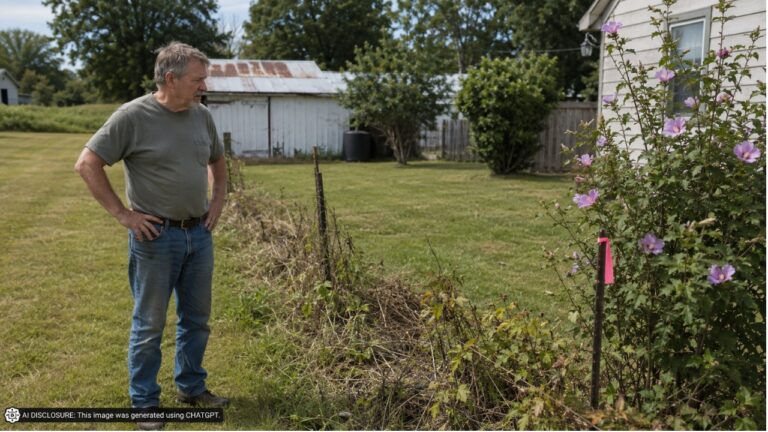
The part that made the homeowner dig in was the implied cost to her own property: removal of landscaping and a change in the character of the place. That’s the emotional and practical core of these easement fights, because it’s not just dirt and rocks—it’s someone’s years of planting, edging, and trying to make a home look like a home.
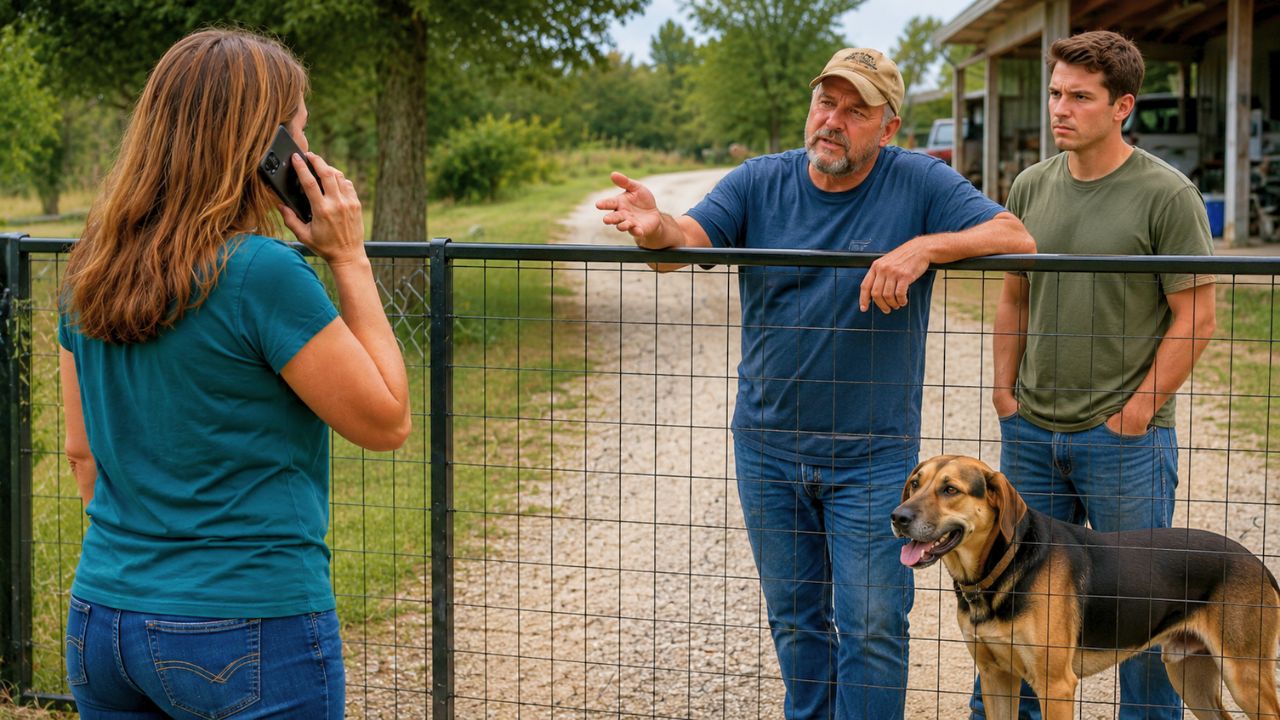
She says the new owners seemed to be hinting they believed they could make these alterations because the work would be “within the access easement.” That’s the kind of sentence that makes a homeowner’s stomach drop, because it suggests the next step might not be a conversation. It might be a contractor showing up with a skid steer.
Once you’re talking about paving, widening, and modifying the road approach near a culvert, it stops being a weekend project. It’s equipment, subcontractors, and a work zone right where your property meets the public road—the most visible part of your land.
The culvert and road approach raise the stakes
The driveway crosses a culvert where it meets the main road. That detail matters because culverts are one of those “small” structures that can turn into a big headache fast. Change the width of the driveway at that point and you may be changing how water moves, how the ditch is shaped, or what loads the culvert has to handle.
Homeowners who’ve dealt with rural drainage know how quickly this can spiral. A wider, paved surface sheds water differently than gravel. It can increase runoff, change where ice forms, and alter the way water cuts across the edge of a yard. And when water starts moving differently, the blame game follows.
There’s also the road approach itself. Widening where the drive meets the main road affects turning radius, visibility, and potentially whatever rules apply at the roadside—even if nobody wants to say the words “permits” or “right-of-way” out loud during a neighbor chat.
“It works fine” versus “we need it easier”
The homeowner’s position is that access isn’t blocked. In her view, the existing driveway already accommodates long vehicles “just fine.” The requested changes, she believes, are mainly about convenience—making the turn more comfortable for something like a horse trailer.
That distinction matters because it gets to what many property owners assume an easement is for: access, not upgrades to taste. She also says it’s her understanding that, as the property owner, it’s her decision whether the driveway changes from gravel to paved—and that the easement doesn’t give the neighbor free rein to redesign it.
But that’s exactly where shared-drive and easement disputes get messy. One side sees the easement as permission to get in and out. The other side sees it as permission to build what they need to get in and out safely and reliably, even if it’s a “better” version than what’s there.
People pushed documentation before anyone pushes dirt
Even without a long comment thread included in the source material, the practical direction this kind of dispute usually takes is predictable: stop treating it like a casual neighbor favor and start treating it like a property-rights question that needs paper.
The homeowner said she’d prefer to resolve it without bringing in “actual lawyers,” but she’s also willing to do that if the neighbors insist on moving forward. That’s often the moment these stories pivot—because once someone believes they don’t need permission to remove landscaping, a friendly conversation can turn into a preventable blow-up.
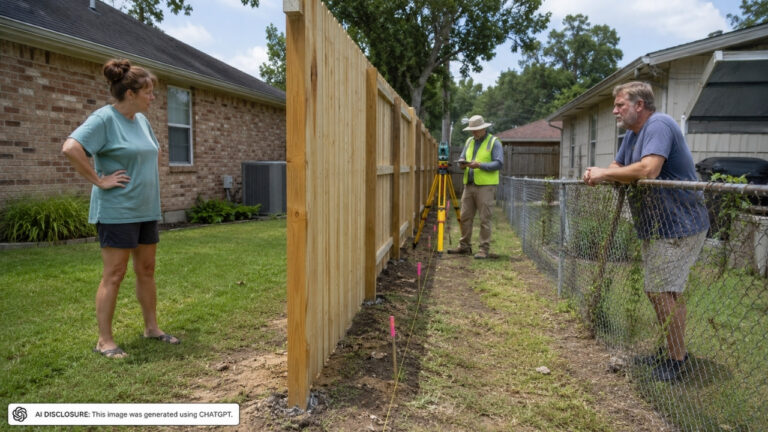
In these driveway battles, homeowners often end up focusing on what’s written in the easement, where exactly the easement sits on a survey, and what “maintenance” versus “improvement” looks like under the controlling documents. They also start keeping records of every conversation, every sketch, every text message, and any mention of timelines—because the day a contractor is scheduled is the day everyone suddenly becomes “too busy to talk.”
The quiet fear: waking up to a changed front yard
What gives this story its tension is how quickly the physical work could become irreversible. Gravel can be scraped back and re-graded. Landscaping can’t always be un-done, at least not in a way that replaces mature plants or restores the feel of an established edge.
And paving is a one-way door in most people’s minds. Once asphalt or concrete shows up, the whole driveway reads differently, sounds different under tires, and invites different use. A wider, smoother approach can also encourage faster entries and exits—another small shift that changes the lived experience of a home.
The homeowner isn’t trying to cut off her neighbors’ access. She’s trying to avoid a scenario where “easement” becomes a magic word that allows someone else to redesign a piece of her property, remove her landscaping, and leave her to live with the consequences.
For now, she’s weighing whether her understanding is correct and whether she can settle it neighbor-to-neighbor. But the underlying message is clear: once a shared driveway stops being “shared” in spirit and becomes “shared” in paperwork only, every extra foot of width can feel like a land grab—even when the other side calls it an improvement.
Like Fix It Homestead’s content? Be sure to follow us.