Buyers Four Days From Closing Learn the Neighbor’s Fence Has Been Claiming Almost 500 Square Feet of Their Backyard — Then Must Resolve It for Title Insurance Without Delaying the Sale
Photo credit: AI-generated image created using ChatGPT. Illustrative only.
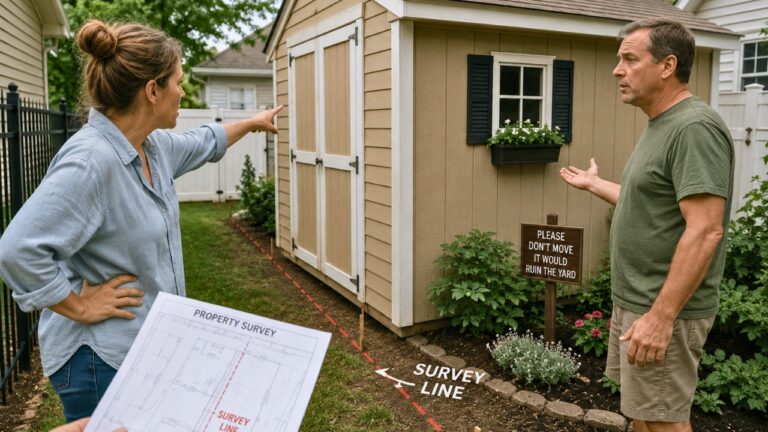
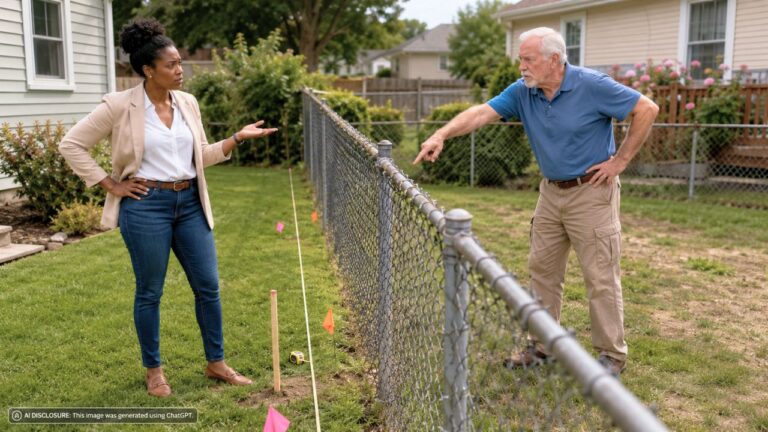
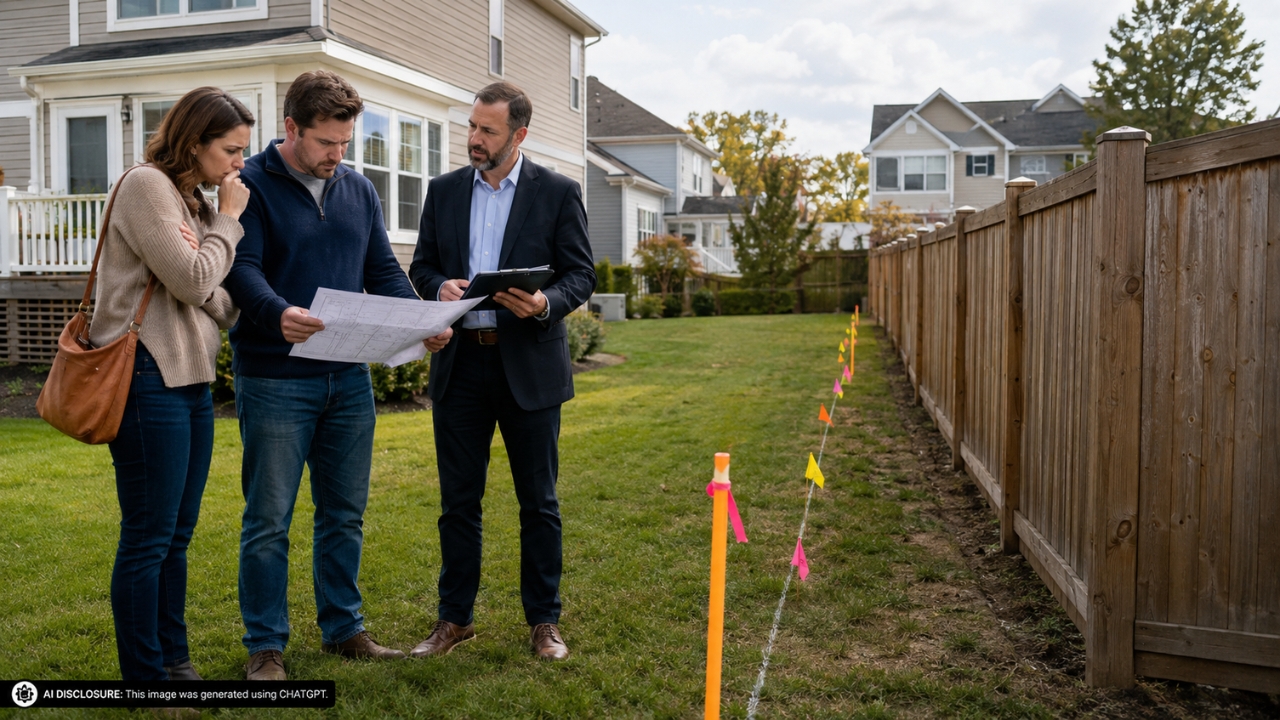
Four days before closing, a would-be homeowner thought they were basically done. Earnest money was down, due diligence was over, and the finish line was in sight. Then the survey came back with one ugly surprise: the neighbor’s fence wasn’t just a little crooked—it was sitting on the property they were about to buy.
According to the original post, that misplaced fence effectively handed the neighbor almost 500 square feet of what should be the buyers’ backyard. And it wasn’t just a future “we’ll deal with it after move-in” problem. Title insurance, they were told, needed it addressed before closing.
When the survey turns a “later” problem into a “right now” problem
The buyers’ first instinct was straightforward: move in, then build a new fence on the actual property line. It’s the kind of project people plan all the time—measure, mark, call a contractor, and reclaim the yard the right way.
But the timing was brutal. The buyers only got the survey completed near the end of the 30-day window between offer and close, because it was the soonest they could schedule one. Instead of being a normal piece of paperwork, the survey became a red-alert document that put the whole deal in jeopardy.
The part that made it feel extra boxed-in was the title requirement. The buyers said they were told it “must be addressed before close” for title insurance. In other words, the lender/title side didn’t want to insure a property with a known encroachment sitting there like a permanent question mark.
500 square feet doesn’t sound huge until it’s your backyard
On paper, 500 square feet can look like a rounding error. In a real yard, it can be the difference between a usable patio area and a cramped one, between having room for a garden and not, between a dog having space to run and a dog stuck pacing a skinny strip of grass.
And fences aren’t abstract. They’re physical, emotional lines. If you buy the house with that fence already in place, the neighbor has been enjoying that extra chunk of land as if it’s theirs. Even if everyone stays polite, you’re starting your new homeownership with a dispute already parked in the yard.
That’s why the buyers were wary of “just signing away the space” with an easement. They weren’t looking to trade away part of the lot because of a fence that never should have been placed there in the first place.
Why delaying closing felt like setting off a chain reaction
In their update, the buyers explained they were deep enough into the transaction that walking away didn’t feel realistic. Due diligence was complete. Earnest money was paid. They didn’t want to lose the home over a fence problem they didn’t create.
But pushing the closing date wasn’t a simple fix, either. The seller was buying another place on a same-day contingency. So if closing got bumped, it wouldn’t just be an inconvenience; it could wreck the seller’s move and ripple into everyone else’s timelines.
This is the part that feels familiar to anyone who’s bought a house: the closer you get to closing, the more the deal becomes a fragile stack of schedules. One contractor delay, one document, one surprise line on a survey—and suddenly you’re negotiating with the calendar as much as the other party.
The title insurance squeeze: fix it fast, but don’t give it away
The buyers were trying to hit two targets at once: close on time and keep the full yard. That’s harder than it sounds, because some “solutions” are permanent even if they’re fast.
An easement can be quick, but it can also codify the very problem you’re trying to solve. Once it’s signed, it’s not a simple “we’ll correct it later.” It can become the new normal, and it may follow the property long after the stress of closing is over.
At the same time, title companies and lenders tend to dislike unknowns. A fence encroachment can hint at bigger risks: boundary disputes, adverse possession arguments in some places, and claims that pop up after purchase. Even if it’s unlikely to turn into a courtroom fight, it’s exactly the kind of thing an insurer would rather see cleaned up—or at least clearly documented and scheduled—before they put their stamp on it.
What people urged: paperwork first, emotions later
While the post itself didn’t paste specific comments, the tone of the discussion the buyer referenced in their edit points toward the kind of practical, documentation-heavy advice these cases usually draw. The consistent theme in fence-line disputes is proof and process: surveys, attorneys, written agreements, and a plan that satisfies title without accidentally surrendering property rights.
The buyers took the most “keep it moving” route available: they spoke with an attorney, and their realtor started working with the seller’s agent to line up a fence contractor to quote a new fence on the correct line. The goal wasn’t necessarily to have the fence rebuilt before closing—there wasn’t time—but to close with the work scheduled, not hypothetical.
That approach threads the needle. It creates a concrete next step, shows that the encroachment is being actively corrected, and avoids the permanent concession the buyers were worried about. It also keeps the solution in the realm of normal homeownership logistics—contracts, schedules, and property lines—instead of turning it into a legal wrestling match days before closing.
Closing with a plan… and then living next to the fence you moved
Even if the paperwork clears and the sale closes on time, the human part doesn’t disappear. Rebuilding a fence on the true property line means the neighbor loses yard they’ve been using, possibly for years. Some neighbors will shrug and accept it. Others will feel blindsided, even when the survey is clear.
That’s why the buyers’ instinct to do it cleanly matters. A professionally quoted job, built on the surveyed line, backed by the right documents, is harder to argue with than an informal “hey, we’re moving the fence this weekend.”
For now, the buyers are trying to keep the closing intact while avoiding a permanent giveaway. If the contractor can get quotes quickly and the deal can be structured so the correction is scheduled, they may get both: the keys on time and the yard they thought they were buying—without turning day one of homeownership into a boundary war.
Like Fix It Homestead’s content? Be sure to follow us.