Homeowner’s Water Line Easement Runs Under the Neighbor’s Driveway — Then He Blocks Repair Crews for Weeks, Leaving the House Without Water
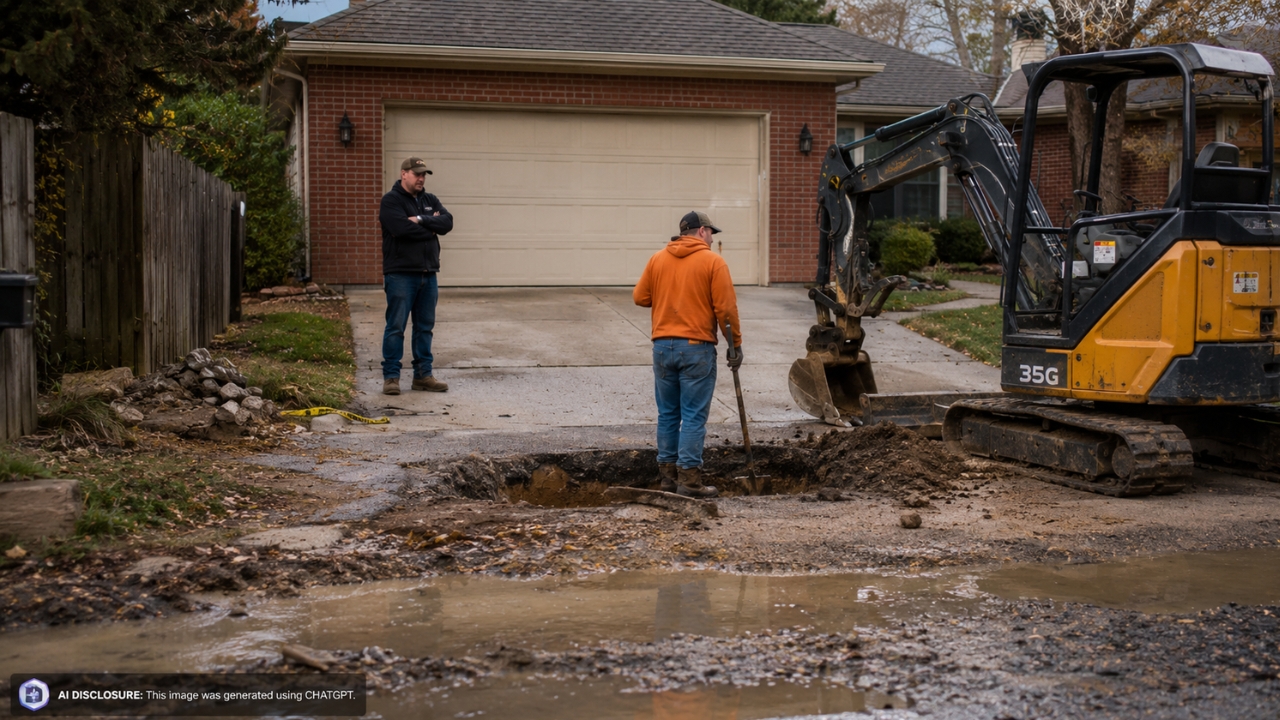
Photo credit: AI-generated image created using ChatGPT. Illustrative only.
Three weeks without running water changes the way you live in your own house. Every shower becomes a workaround, every dish a chore you plan around, and every day you wait for a repair crew feels longer than it should.
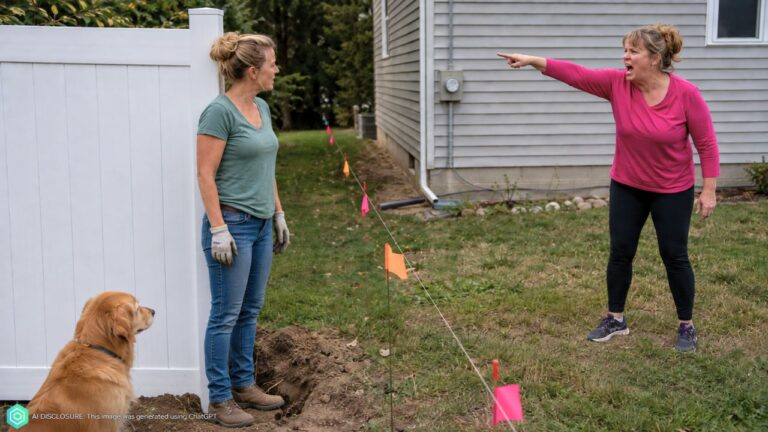
That’s where one homeowner says they’ve been stuck after a leak developed in their water line—except the pipe sits in a utility easement that runs under a neighbor’s driveway. And when it came time to fix it, the neighbor reportedly refused to allow repairs unless they happened on his schedule. The homeowner laid out the standoff in the original post, describing weeks of delay, documentation, and the slow realization that “we’ll be without water for a month” if this keeps going.
A buried pipe and a driveway that became a choke point
The homeowner says the leak is in the section of pipe that sits beyond the water meter at the street. That detail matters, because the utility company reportedly deemed the line the homeowner’s responsibility once it leaves the meter.
In other words: the city isn’t sending a crew to fix it, and the homeowner can’t simply wait for a municipal response. They have to hire the repair, schedule it, and get access to the place where the pipe runs—under the neighbor’s driveway.
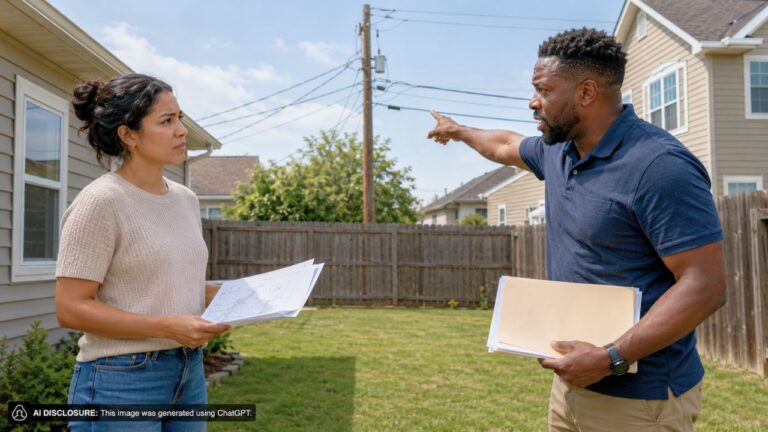
The homeowner says there is an easement in place, which is supposed to be the legal mechanism that allows access for exactly this sort of problem. But the easement also passes through the most sensitive part of a neighbor relationship: a driveway, on the neighbor’s property, where heavy equipment and digging might be required.
“I do not consent” and the calendar starts slipping
According to the homeowner, once they notified the neighbor that repairs were scheduled, the neighbor responded that he does not consent to the work and insisted it must be done when he is home.
That demand is what turned a bad plumbing problem into a month-long ordeal. The homeowner says the water has already been shut off for three weeks, and the repair was supposed to happen sooner—but they delayed it further due to the neighbor’s conditions.
It’s the kind of delay that feels surreal from the inside. You’re not asking to put in a pool or build a fence. You’re trying to restore basic service to your home. And yet the timeline is being controlled by someone whose property just happens to sit over the buried line.
When an easement stops feeling like access
The homeowner says they reviewed the easement language and don’t believe the neighbor has the right to delay or interfere with repairs. That’s an important distinction: the homeowner isn’t claiming the neighbor must be happy about it—they’re saying the neighbor can’t block it.
But legal language and day-to-day reality don’t always match up cleanly. If a neighbor stands in the way, refuses to move vehicles, confronts workers, or threatens to call authorities, many contractors will choose the safest option for their crew: leave and reschedule. That’s how you can “have the right” but still be stuck without water.
To bolster their position, the homeowner says they filed a claim with the title insurance company. They also note that their realtor is a real estate attorney, suggesting they’re already pulling in professional help to interpret the easement and pressure the process forward.
Documentation, harassment claims, and the slow build of a paper trail
This didn’t stay confined to one scheduling dispute. The homeowner says they’ve logged a series of events they characterize as trespassing, harassment, and interference with their use of the easement.
That detail hints at the kind of tension that can spiral fast: a neighbor who starts by “wanting to be home” and ends up treating every step on the driveway as a provocation. Once crews are involved—and once money is on the line—people start writing things down, saving messages, and watching for patterns.
The homeowner also notes the neighbor’s property ownership is shared: the neighbor and his parents are reportedly all listed as co-owners, even though only the son lives there. The homeowner adds that they are all realtors as well. It’s not presented as proof of wrongdoing, but it clearly adds to the frustration—a sense that the other side understands property paperwork and is still choosing to make access difficult.
What people latched onto: access rights vs. practical obstruction
Even without seeing the easement document itself, many readers tend to zero in on the same pressure point in disputes like this: an easement is typically recorded precisely so one property owner can access and maintain a utility line that crosses another property.
The homeowner’s framing reflects that. They aren’t describing a neighbor disagreement over noise or parking. They’re describing a functional shutdown—no water—while someone else effectively controls the repair window.
In stories like this, the most practical reactions often revolve around proof and process: keeping written records of every notice given, every response received, every attempt to schedule, and every time access was blocked. When contractors are involved, people also tend to preserve emails and texts showing the crew was ready to work and why the job didn’t proceed.
The homeowner has already started down that road, emphasizing logs and a title insurance claim, which suggests they’re trying to build something more solid than a verbal back-and-forth across a driveway.
The part that stings: paying for a repair you can’t get done
There’s a special kind of helplessness in a repair problem that isn’t about money or finding a plumber—it’s about access. You can do everything “right” as a homeowner: schedule the work, notify the neighbor, line up the crew, even shut off the water to stop damage. And still lose weeks because the fix sits under someone else’s concrete.
Meanwhile, life doesn’t pause. Toilets don’t flush themselves. Laundry piles up. Bottled water and borrowed showers become routine. If the leak was significant, there’s also the quiet worry about what’s happening underground while you wait: soil saturation, shifting, and the possibility that a small break becomes a bigger problem.
The homeowner’s final question is plain: do they have solid grounds in their favor? The way they describe it, they’re already preparing for the next stage—using the easement language, their documentation, and whatever support title insurance can provide to stop the neighbor from dragging this out any longer.
For now, it’s a standoff measured in days without water and canceled repair windows—one driveway holding an entire household hostage to a schedule that isn’t theirs.