New Homeowner Finds the Neighbor Wants a Permanent Power Easement Through the Backyard for the Next Thirty Years — Then Says Refusing Would Leave the House “In the Dark”
Photo credit: AI-generated image created using ChatGPT. Illustrative only.
The couple thought they’d already paid the “rural living tax” when they bought their place: 20 acres of woods, a ridge-top homesite, and underground power run the full length of their driveway. It wasn’t cheap—about $15,000—but it meant reliability, fewer overhead lines, and a property that felt private and finished.
Then the neighbor’s family next door started asking questions that didn’t sound like small talk. In the original post, the homeowner describes how those questions quickly turned into a request for a utility easement that would cut straight through the middle of their land—right in front of the house—so the neighboring property could avoid the cost of running power from its own road frontage on the other side of a ridge.
They already paid for underground power—now someone else wants to use the shortcut
The homeowner’s lot is shaped by the terrain. They live on a ridge with steep dropoffs on either side, and the only usable flat strip of land is the one they actively use. It’s not just “nice to have” space—it’s the functional heart of the property.
The neighbor’s land is much larger—200+ acres—and it had sold a couple of years earlier. The new owners cleared a road up to the poster’s property line because they planned a compound with multiple homes. They also had their own road frontage on the far side of the ridge, meaning they had an available path to utilities that didn’t involve crossing someone else’s backyard.
But instead of paying for that longer run, the neighbor’s son-in-law asked whether they could connect to the homeowner’s power line, which would mean installing new utility infrastructure down the center of the homeowner’s property. The homeowner’s reaction was immediate: no.
Friendly neighbors turned cold, and the timing didn’t feel accidental
What made the request harder to swallow was the history. The homeowner says they’d been friendly at first—inviting the neighbors over, trying to be welcoming. Then, abruptly, the “patriarch” of the neighboring family became unfriendly and made veiled threats. The poster describes it as confusing because the hostility seemed to come out of nowhere.
That shift happened about a year before the power questions started. So when the utility-easement ask arrived—framed as a money-saving measure—there was already distrust in the background.
And this wasn’t a request to run a line along the edge of the property where it might be less disruptive. The proposed path was right down the middle, through the only practical land the homeowner says they have.
The real cost wasn’t just money—it was trucks, trees, and permanent access
An easement sounds abstract until you picture what it can mean on the ground. The homeowner spelled out what they were worried about: trucks and equipment digging up the driveway and working right outside the front door, hardwood trees getting cut, and native food plots being torn up.
On rural properties, those aren’t small inconveniences. A driveway trench can turn into drainage trouble later. Heavy equipment can compact soil and damage root systems. And once a utility corridor is established, it tends to stay a corridor—maintained, accessed, and cleared as needed.
The neighbor’s pitch was that it would save them “tens of thousands,” and the homeowner didn’t dispute that. But to them, that wasn’t a reason to agree. It was a reason the neighbor should have budgeted better before buying hundreds of acres and deciding to build close to the property line.
When the utility company started calling, the pressure got real
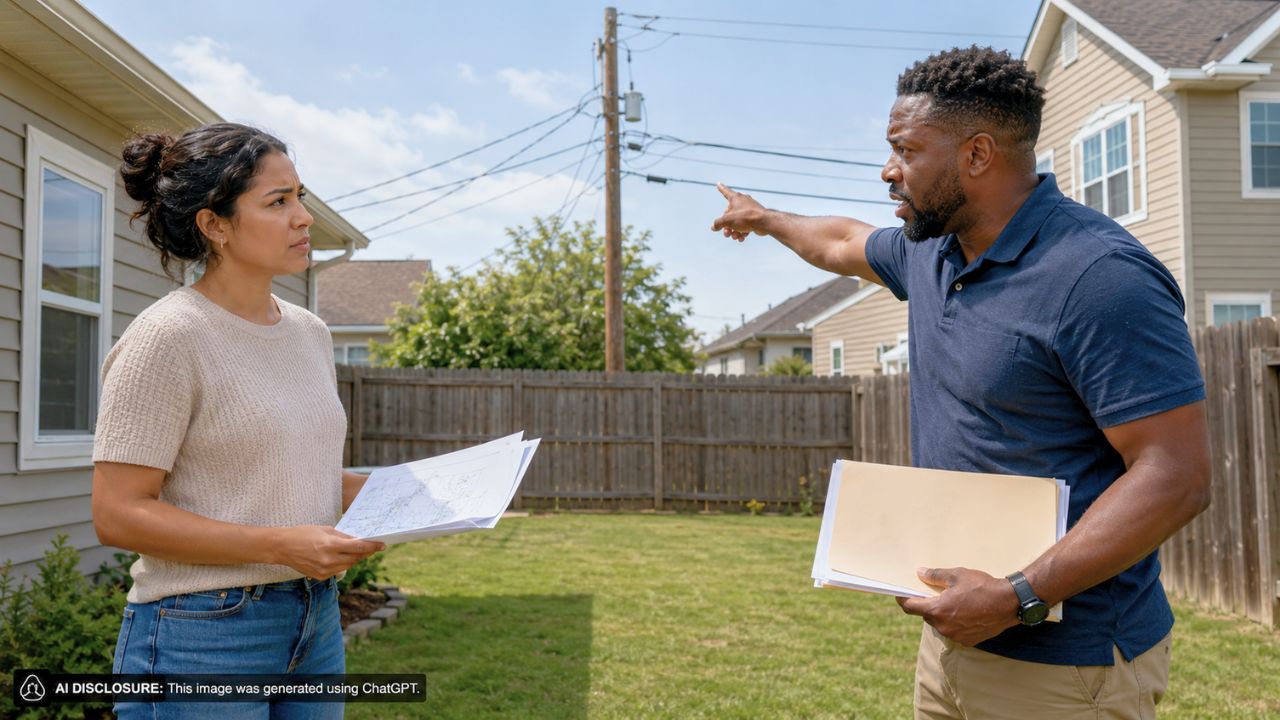
After the homeowner refused, the calls didn’t stop at the neighbor. The utility company started contacting the homeowner directly, and even after the homeowner said no multiple times, the utility representative still wanted to come out and “look” to see if it was possible anyway.
That’s a different kind of stress. A neighbor asking is one thing. A utility company calling can make it feel like something is already in motion, as if the decision is being treated like a negotiation instead of a property owner’s right to refuse.
In an update, the homeowner described the exchange as frustrating and felt they weren’t being taken seriously. Eventually, they told the caller to speak with their husband, who repeated the same answer: absolutely not. The homeowner emphasized that, in their view, the proposed route was impossible without destroying the only usable part of their land—and even if it were possible, they didn’t want any easement crossing their property at all.
The low offer didn’t help, and the final “no” got sharper
If there was any chance this could have been handled as a business deal, it evaporated when money came up. The homeowner says the neighbor’s son offered $2,000 for an easement “several hundred yards long.”
For the homeowner, that offer wasn’t just insufficient—it was insulting given the permanent nature of what was being requested. They wrote they wouldn’t consider it even for $50,000, because the core issue wasn’t a payout. It was the loss of control over their property’s most functional space and the disruption that comes with installation and future maintenance.
That’s a detail rural homeowners immediately recognize: you can re-seed a torn-up yard, but you can’t undo a recorded easement that gives someone ongoing rights to access and disturb a strip of land.
Readers zeroed in on one theme: don’t budge, and document everything
Even without a full comment thread included in the source material, the homeowner’s framing mirrors what tends to show up in these easement disputes: people urge clear boundaries, written communication, and refusing site visits that feel like an attempt to reopen a settled answer.
In the update, the homeowner and their husband did exactly that—repeating “no” consistently and making it clear the project would not cross their land. The homeowner also noted the utility company appeared to have “dropped it,” leaving the neighbor with the option they had all along: run power across their own property from their own road frontage.
The closing tone is firm, but not triumphant. The homeowner says they’ve made themselves very clear and doubt they’ll hear more. Still, when a neighboring family has already shifted from friendly to hostile once, “clear” doesn’t always mean “finished.” On a ridge-top homestead where the flat ground is precious, holding that line can be the difference between enjoying your land and living next to an access corridor you never agreed to.