Landowners Find an 1886 Plat Marking Part of Their Property as a Public Street — Then the Court Rules the Reservation Was Void
Photo credit: AI-generated image created using ChatGPT. Illustrative only
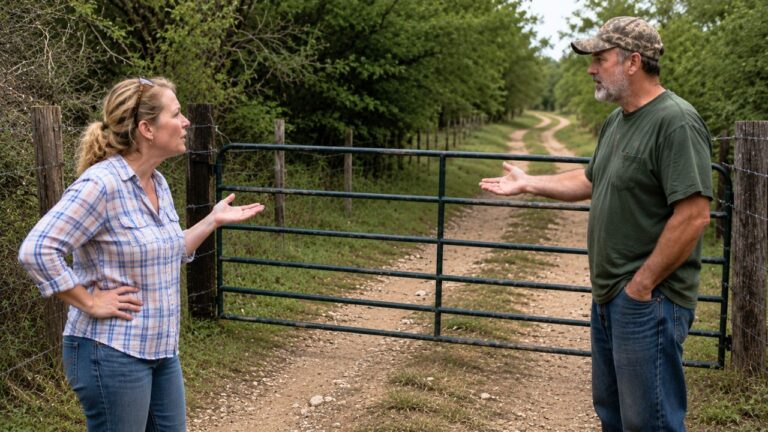
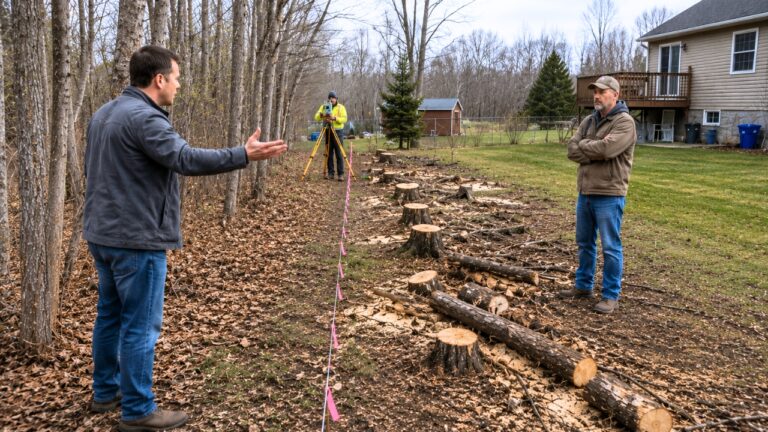
It started the way a lot of property-line headaches start: a family treated a strip of ground like it was simply part of the yard. Trees grew up. Fences went in. A house next door lived with that edge of “our place” feeling settled for decades.
Then an old paper trail caught up with the present. In a case out of Moab, the Utah Court of Appeals sided with the city after finding that an 1886 town plat already set the disputed parcel aside as a public street—years before a later federal land patent seemed to include the same land. The full decision is laid out in the source post, and the result was blunt: the city owned all of it.
The “yard” that never quite stayed private
Neil Bruce Johnson’s claim wasn’t a quick flip or a recent land grab. He pointed to a family history tied to the adjoining property going back generations. His great-grandfather acquired neighboring land in 1890, and Johnson said his relatives used the disputed strip for their own purposes from that era forward.
By 1937, Johnson’s father purchased the adjoining family property and built a home. Over time, most of the strip looked and felt like a private yard—mature trees, fencing, and lived-in space. The kind of area you mow, plant, and forget is technically “a thing” until someone needs it.
But Moab wasn’t treating it like purely private space either. Starting in the early 1960s, the city ran a 12-inch water line through the disputed area, along with sewer lines, stormwater infrastructure, and other utilities. In the 1970s, it added curbs, gutters, and pavement—pushing about 20 feet into the parcel.
Johnson recalled his parents being upset when the first water line went in, because they believed the city didn’t ask permission. That’s a familiar homeowner moment: someone shows up with equipment, and what you thought was your yard suddenly looks like a corridor.
When a future street becomes a present-day emergency
The issue went from background irritation to full-blown fight in 2008. Moab announced plans to extend a city street through the disputed parcel to serve a nearby development. That’s the kind of plan that turns “we’ve always used it” into “we’re about to lose it.”
That same year, Johnson acquired title to the adjacent family property. He also started digging into older records and tracked down James Luster’s heirs, getting quitclaim deeds from several people who purported to transfer whatever interest they had in the disputed parcel to him.
Eventually, Johnson sued the city in 2019 to quiet title. His argument tracked what many homeowners would assume: a federal land patent issued in 1890 to Luster covered the disputed land, the parcel was never later conveyed away from Luster or his estate, and Johnson’s family had possessed and used it for well over a century.
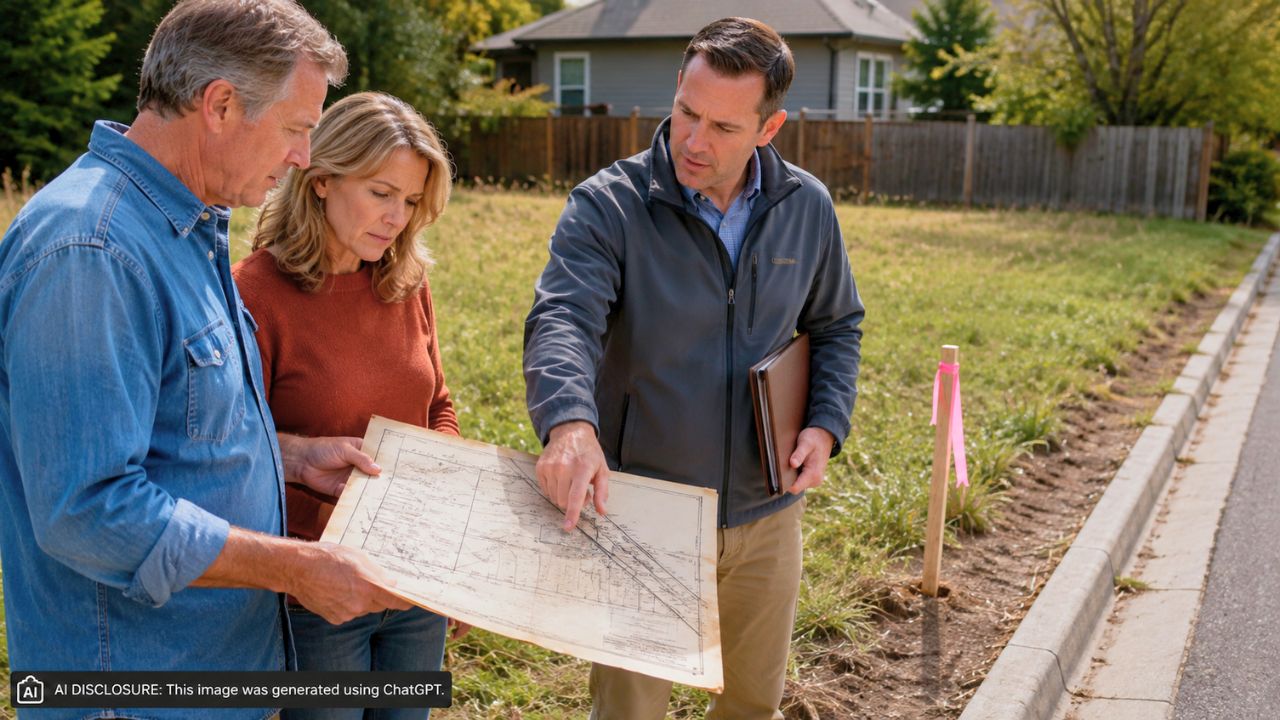
Moab countered with its own quiet-title claim: the land was already a public street under the 1886 townsite plat. Two ancient documents, two completely different outcomes.
The trial court split the baby—then the appeals court didn’t
The trial court initially leaned Johnson’s way. It concluded the Luster patent controlled because the town plat wasn’t recorded until 1891—after the federal patent had been issued—so it treated Luster as the original owner.
From there, the trial court turned the dispute into a practical possession question. It found Johnson and his predecessors had occupied about seven-eighths of the parcel since at least 1937, while Moab had possessed the remaining one-eighth since at least the 1970s. The judge awarded Johnson seven-eighths and Moab one-eighth.
For homeowners reading that, it probably sounds like the kind of “everyone’s been using it this way forever” compromise you sometimes see. But the Utah Court of Appeals reversed the whole thing and ordered summary judgment for Moab City—meaning Moab got everything.
One word mattered: “entry”
The appeals court focused on a detail that doesn’t show up in everyday property-line talk: when the townsite land was legally “entered” under federal townsite law. In that 19th-century context, “entry” didn’t mean physically walking onto land. It meant filing the townsite claim with the government land office.
Once that townsite entry happened, the public official overseeing it held legal title in trust for town occupants. The problem for modern readers is the recordkeeping: the surviving documents didn’t show the exact date when Probate Judge Jasper Robertson filed the townsite entry. There also weren’t surviving records showing each procedural step, like newspaper notices or the adjudication of competing claims.
The court basically said: of course there are gaps—it’s been around 140 years. And under Utah law, there’s a presumption that public officials properly perform their duties unless someone produces evidence to the contrary.
Because Robertson approved the Moab plat in November 1886, the court presumed the required townsite entry and related steps happened beforehand. Johnson didn’t provide enough evidence to overcome that presumption.
The decision also pointed to a real-world breadcrumb: in February 1890—months before the federal government issued Luster his patent—Luster conveyed other nearby land to Johnson’s great-grandfather, and that deed referenced the “Plat designated ‘Moab Town’” when describing boundaries. To the court, that suggested the plat and its boundaries were already known before the patent issued.
Why the quitclaims and long yard use didn’t save it
Once the court concluded title vested through the townsite process by 1886, it followed that the later 1890 patent couldn’t convey superior ownership of a piece already committed to the town. The logic was simple, even if the outcome was rough: you can’t get good title to something the government already set aside through a prior process.
Johnson argued the city still needed a deed to prove ownership. The court rejected that, too. Under territorial law, once the plat was recorded, the streets shown on it were dedicated to public use and fee title passed to the relevant local government—first the county, then Moab once it incorporated in 1902.
He also leaned on the reality on the ground: much of the strip never actually functioned as a street. But the court said long-term private use didn’t defeat the city’s title here because Johnson couldn’t show his predecessors occupied the parcel before the townsite entry. His earliest claimed possession dated to 1890—too late if the key legal moment happened by 1886.
And the standard “we’ve had it forever” fallback—adverse possession—didn’t help against the city. Utah law prohibits acquiring title by adverse possession to government property designated for present or future public use, including streets. Once the land was in that category, time and yardwork didn’t ripen into ownership.
The homeowner reactions you can predict without seeing a comment section
When these disputes hit group chats and neighborhood conversations, the practical instincts usually split in two directions. Some people focus on the lived reality: fencing, trees, mowing, and decades of treating it like home. Others zero in on documentation: plats, surveys, and whether utilities were a giant warning sign that the area was never truly private.
There’s also a familiar frustration point here: even when a city’s use is obvious—water lines, sewer, stormwater—homeowners may still feel blindsided if nobody asked permission in a way they recognized as meaningful. On the flip side, municipalities tend to view long-installed infrastructure as proof that the corridor was always part of the public footprint, whether or not it looked like a street at the time.
In the end, the court didn’t treat this like a “shared use” compromise. It treated it like an old dedication that never expired, even if it sat quietly under trees and fence lines for most of a century.
For Johnson’s family, the practical result is the kind that changes how a home feels overnight: a slice of yard that looked settled can become a future roadway, and decades of caretaking won’t necessarily count for much if an old plat and townsite process put the land in public hands first.
Like Fix It Homestead’s content? Be sure to follow us.