10 Things That Ruin a Whole Cord of Firewood
Photo credit: Amrita Atma/Shutterstock.com
You can cut, split, stack, and feel pretty proud of that neat wall of wood, then watch it go sour by the time you need it. Firewood is slow to forgive mistakes. Most of the damage happens while you are not looking, in humid weeks, mild winters, and that awkward shoulder season when chores pile up.
1. Stacking It Directly On Soil
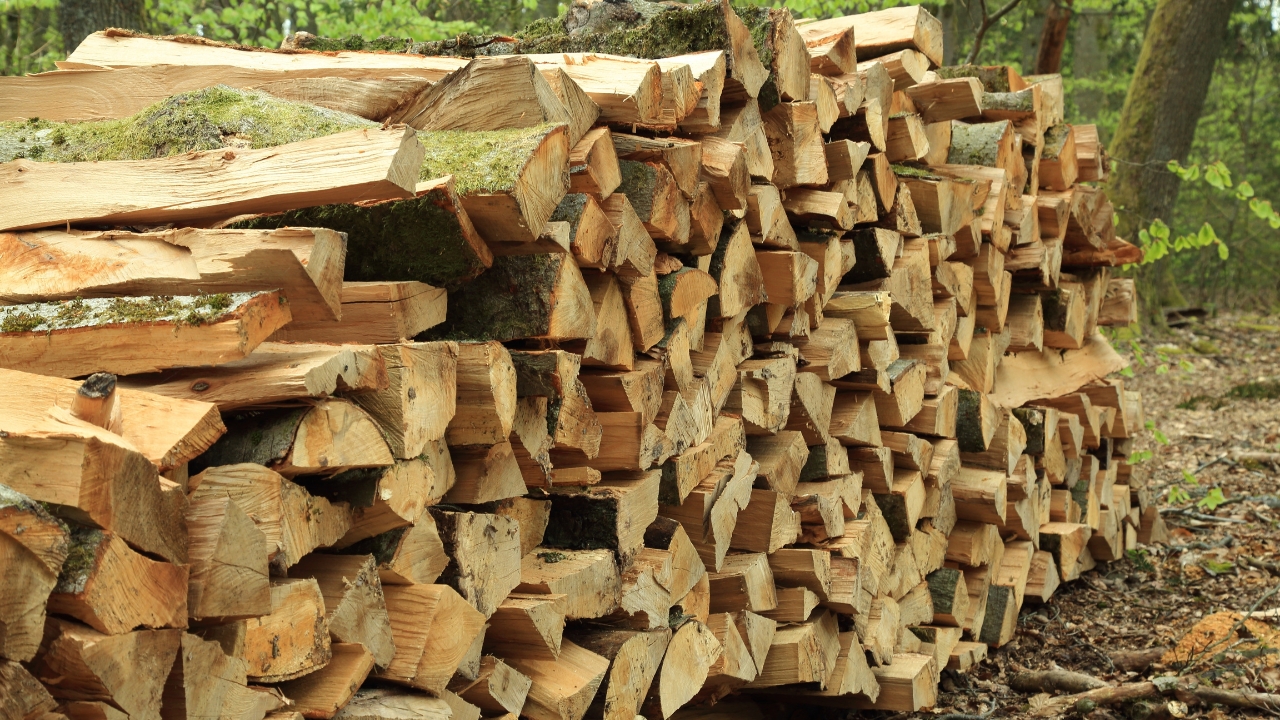
Ground contact turns the bottom course into a sponge. It soaks up moisture, grows punky, and invites insects to move in. By winter, that first layer is soft enough to crumble in your hands, and it drags the rest of the stack down with damp air.
Get it up on something that drains. Pallets work if they are solid and not already rotten, and a couple treated 4×4 runners with cross pieces last longer. Leave a little gap under the stack so wind can move, and do not let weeds climb up into it.
2. Wrapping The Pile In A Tarp
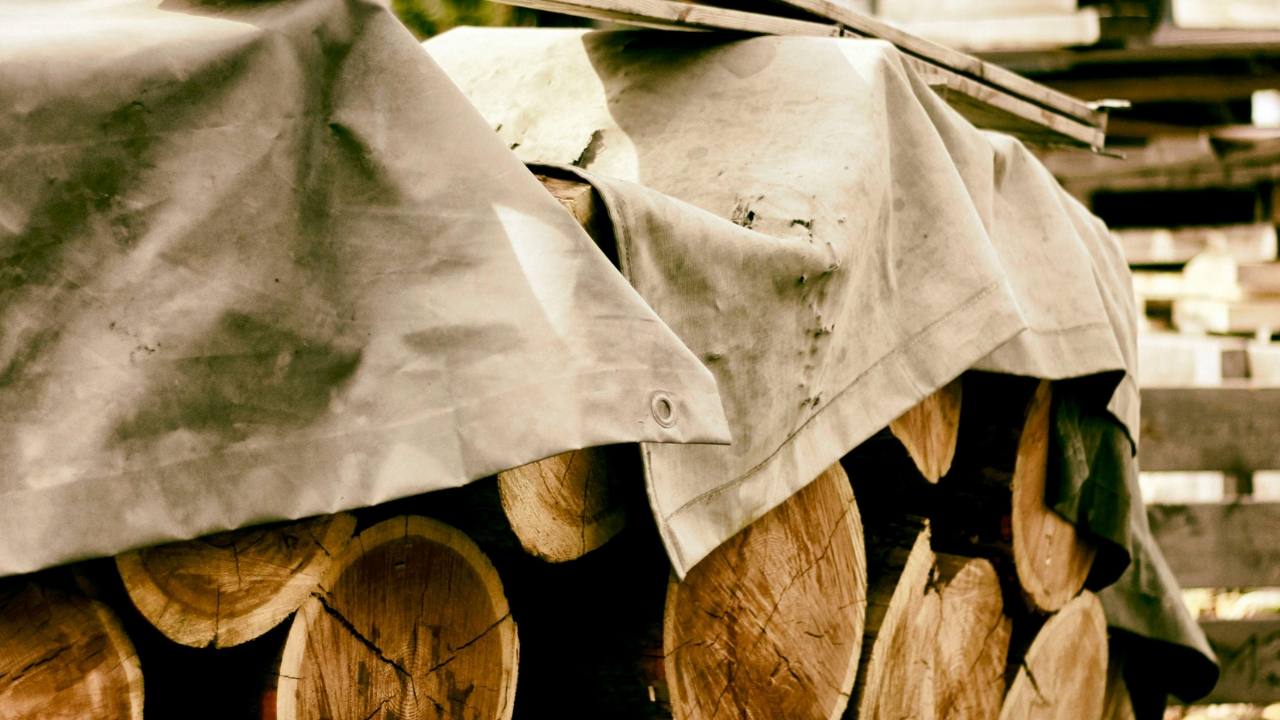
A tarp pulled tight to the ground feels tidy, but it traps humidity like a cheap greenhouse. You get condensation, then mildew, then that sour, mushroomy smell that follows the wood right to the stove. When you peel the tarp back, the top looks fine and the middle is ugly.
Cover only the top, and leave the sides open. Metal roofing scraps, plywood with bricks, or a purpose-made firewood cover all work if air can still move. If you must use a tarp, run it like a roof and tie it so the ends stay open, and pull it off on dry, breezy days.
3. Mixing Fresh Splits With Seasoned Wood
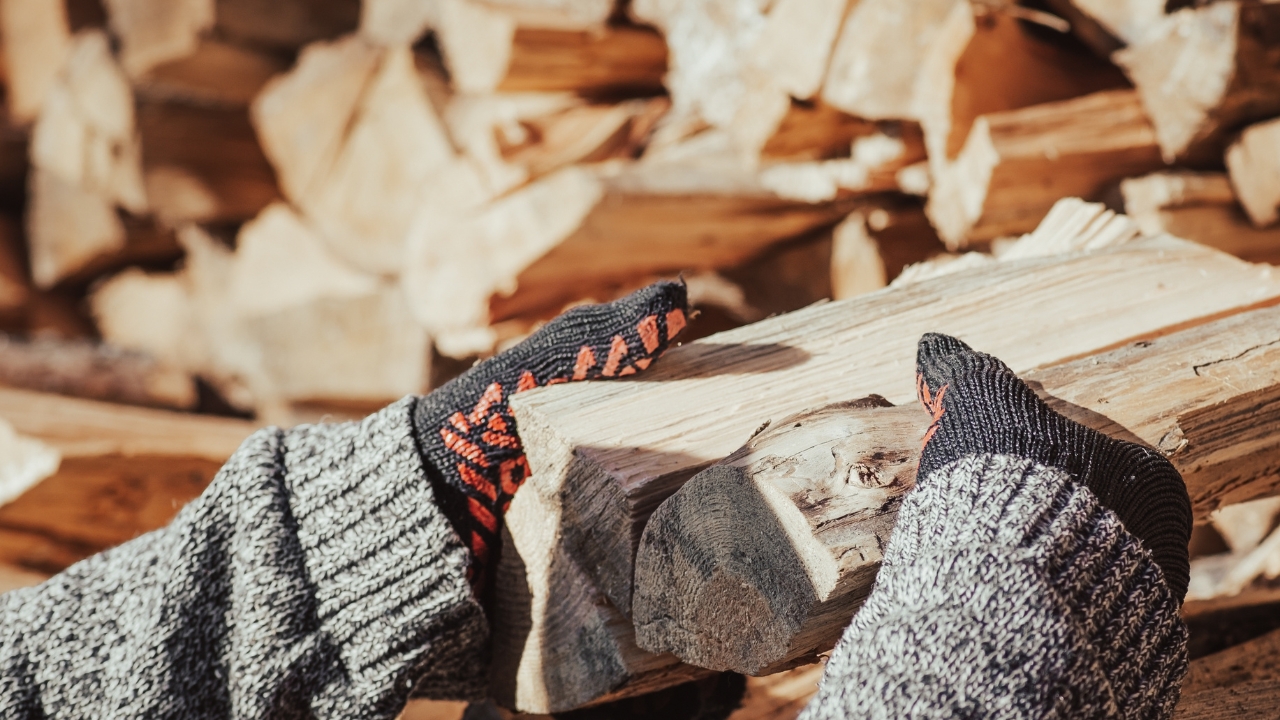
One “quick” top-off from the splitter can spoil the whole plan. Green wood sweats moisture into the stack and slows drying for everything around it. Then you are hauling in armloads of wood that hisses, smolders, and leaves more creosote behind.
Keep different years separate, even if it means two smaller stacks instead of one big one. Mark stacks by date with a scrap of paint or a tag on a T-post. If space is tight, stack the newest wood in a single row where wind hits it first, not buried in the middle.
4. Leaving Rounds Too Long Unsplit
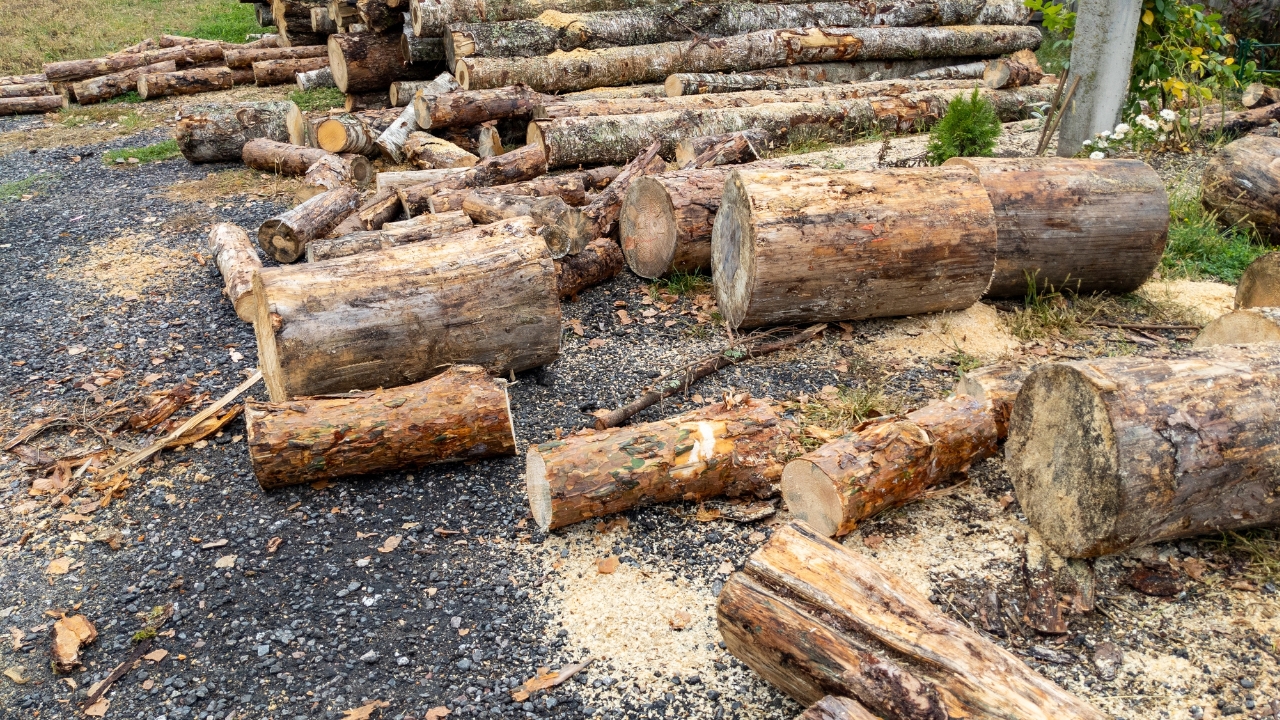
Big rounds dry from the outside in, and that takes forever. By the time you finally split them, the center can already have rot starting, especially in species that hold water. You will hear the difference on the maul too, a dull thud instead of a clean crack.
Split as soon as you can, ideally within a few weeks of bucking. If you are short on time, at least quarter the big stuff so it can breathe. A hydraulic splitter is worth renting for a day if you are staring at a mountain of gnarly rounds.
5. Stacking Too Tight For Airflow
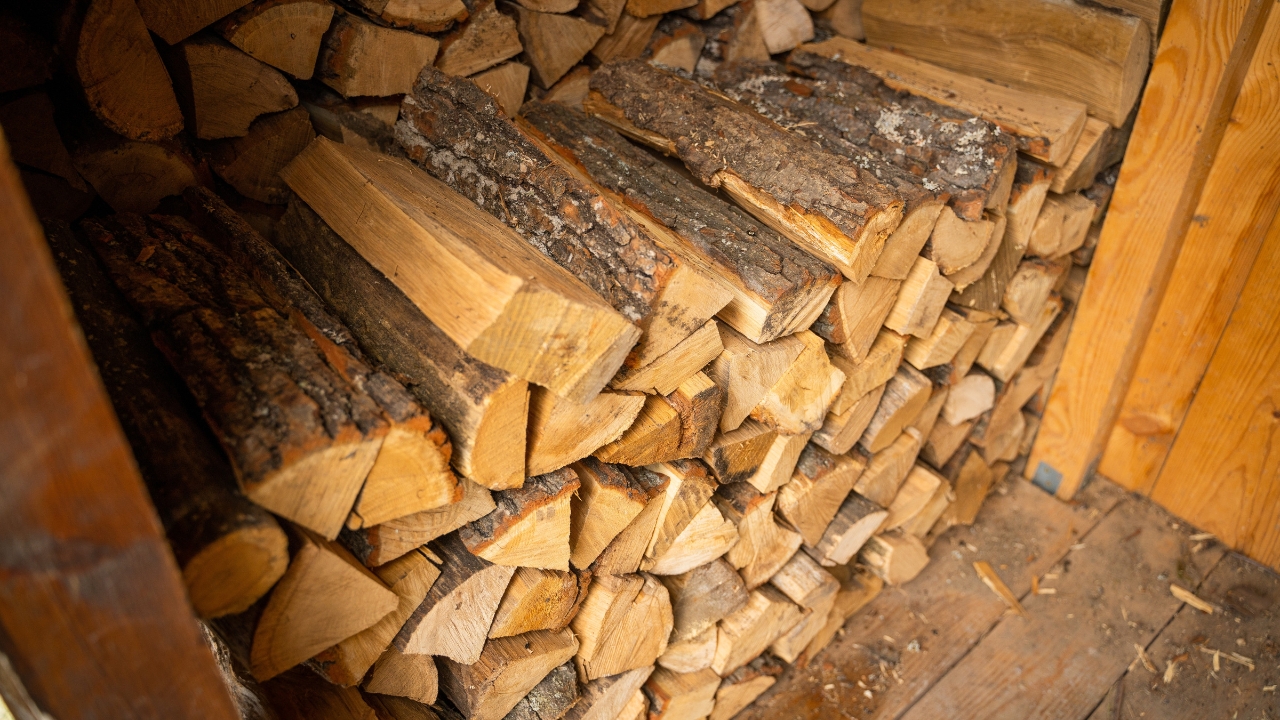
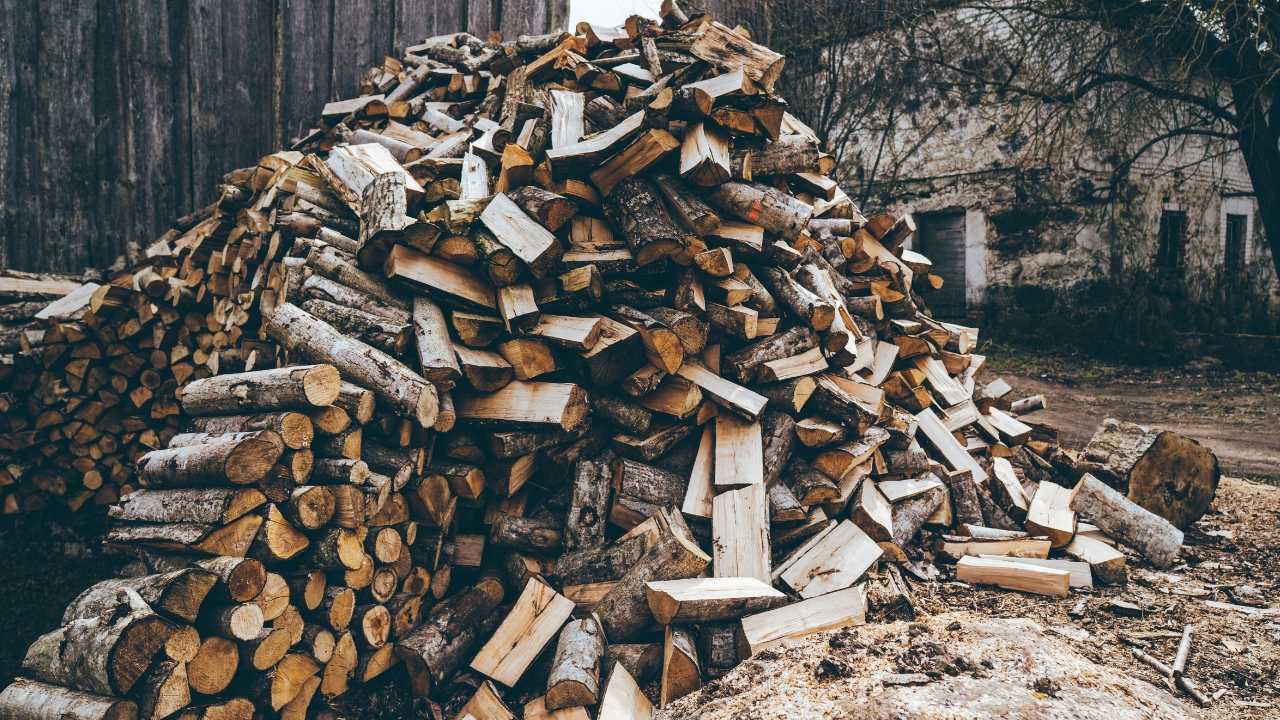
Perfectly packed stacks look great and dry badly. When splits are jammed together, the moisture has nowhere to go, and the middle of the pile stays heavy and cool. You find out in January when the wood still reads wet on a moisture meter, or when it refuses to light without a lot of kindling.
Build for wind, not for looks. Leave small gaps, keep bark-side down when it helps water shed, and do not stack right against a fence where air is dead. A single row dries faster than a deep pile, even if it takes up more wall space.
6. Using A Dull Chain Or Wrong Chain
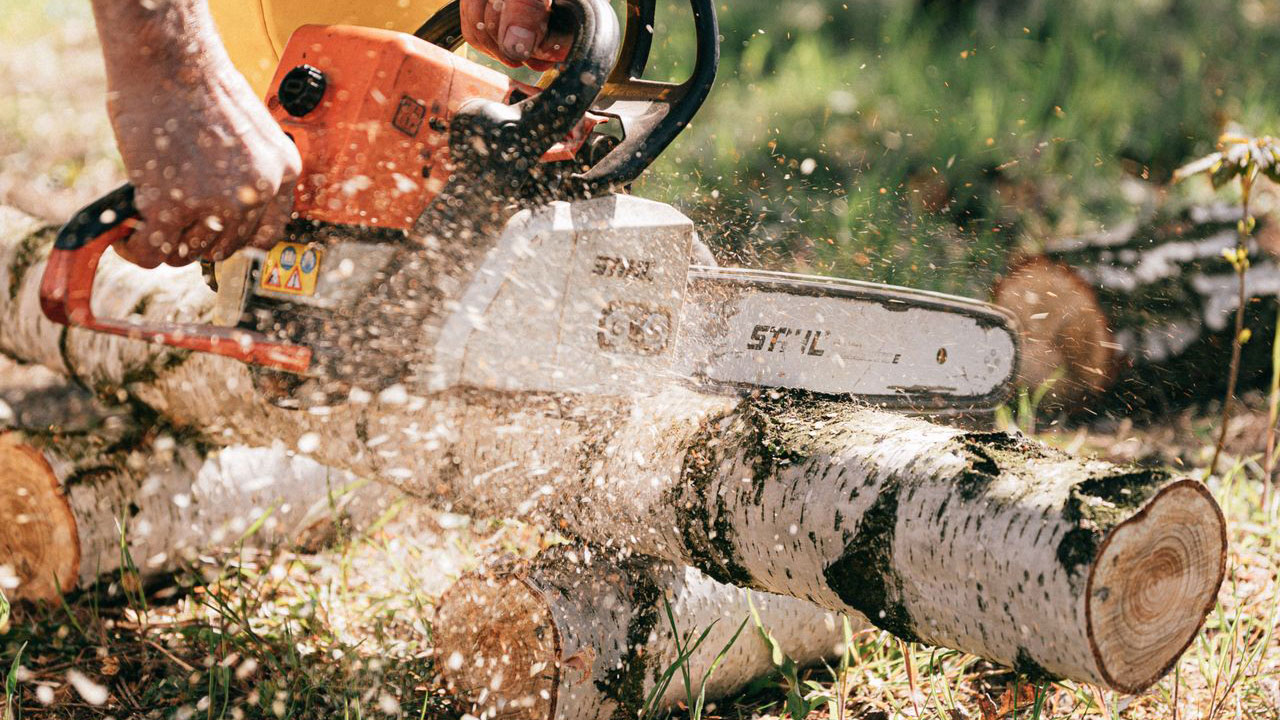
A dull saw turns cutting into smoke, dust, and frustration. You end up pushing hard, the bar gets hot, and cuts go crooked. That extra time and fuel adds up fast over a cord, and it beats up your back and your saw.
Sharpen often, even if it feels too frequent. Touch the cutters every tank or two, and keep depth gauges in check. Also match the chain to the bar and sprocket, and do not guess. If you are not confident, have a shop set you up once, then copy that setup.
7. Storing Wood Against The House
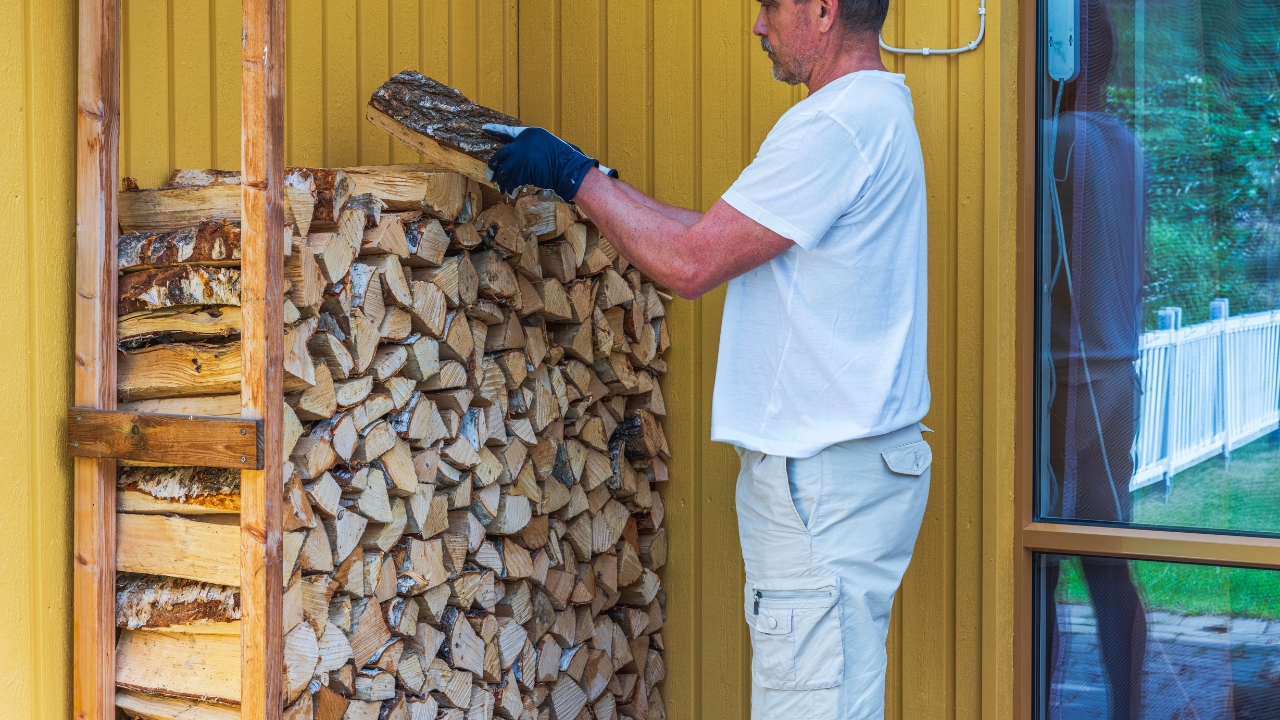
It is convenient to stack right by the door, until ants, spiders, and mice decide you built them a condo. The siding stays damp, and you can hide termite activity or rot behind a wall of splits. In a bad winter, snow melt runs between the stack and the house and never dries.
Keep the main pile away from the house, and bring in a small porch rack’s worth at a time. If you have to stage wood close, leave a clear gap so you can see the foundation and the siding. Anything that touches structural wood is a bigger problem than a little extra walking.
8. Letting Snow Load Crush The Cover
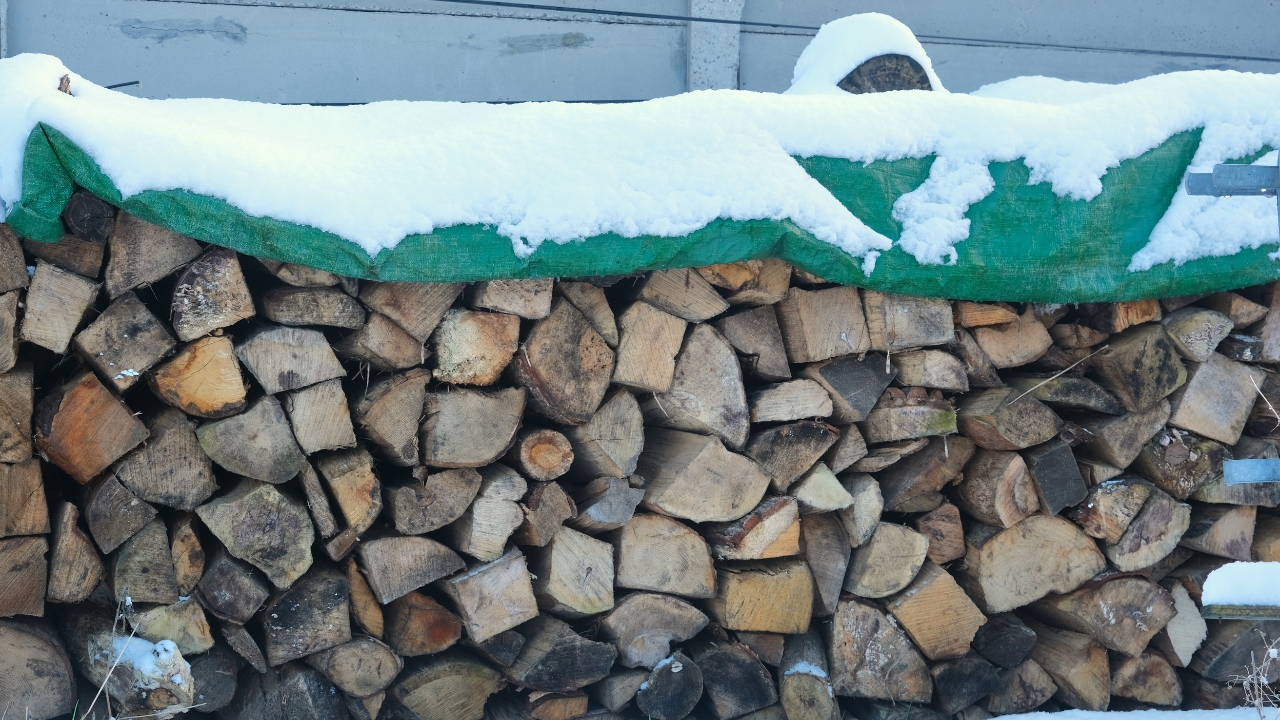
In early winter it seems fine, then one heavy snow turns your “roof” into a sagging bowl. The cover collapses, holds meltwater, and soaks the top courses. Sometimes it even pulls the stack out of line, and a tall pile can tumble when you start pulling wood from the face.
Give the cover a pitch so snow slides off. Use a ridge board or a couple 2x4s to keep a stiff spine under roofing or tarps, and do not build stacks so tall you cannot reach the top safely. If the area gets serious snow, a simple woodshed with a real roof pays for itself in saved wood.
9. Ignoring Carpenter Ants And Powderpost Beetles
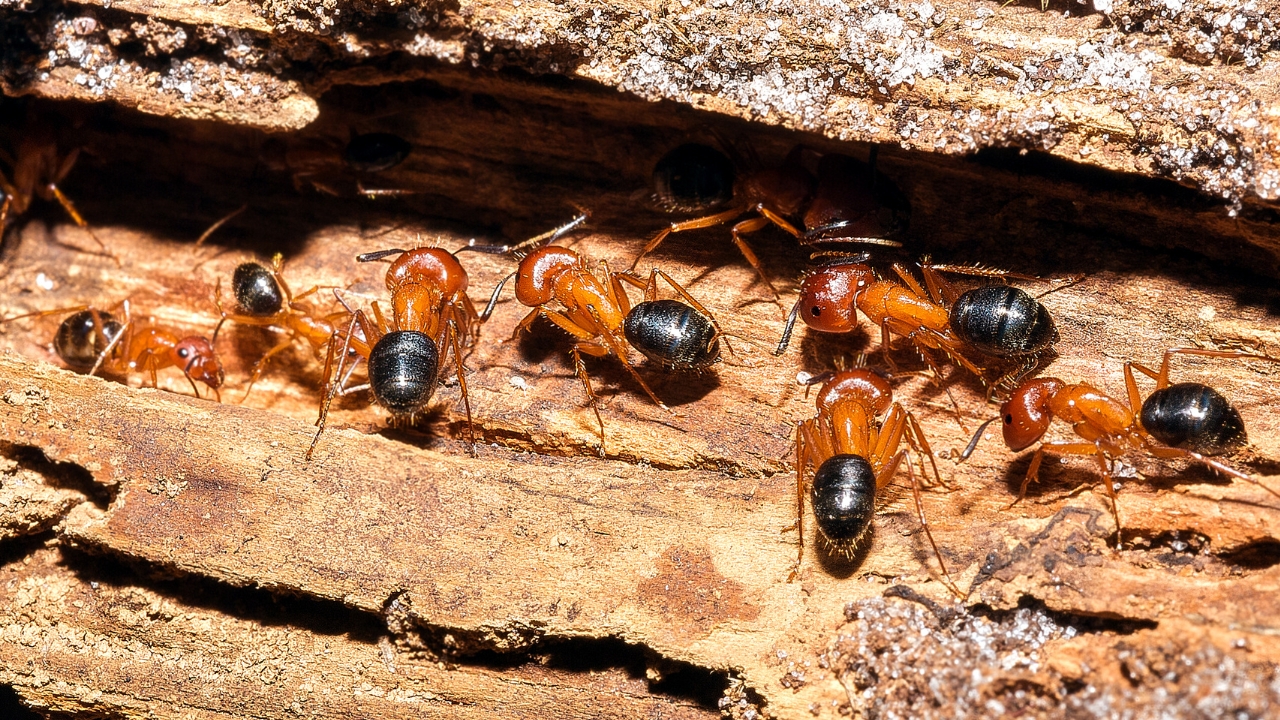
Some bugs are just along for the ride, and some are telling you the wood is already breaking down. Carpenter ants love damp, soft spots. Powderpost beetles leave tiny holes and fine dust, and they can keep working even after the wood is stacked.
Do not spray pesticides all over firewood you plan to burn indoors. Instead, fix the moisture problem and burn suspect wood sooner, outside in a fire pit if you have one and local rules allow. If you keep seeing activity near your home, it is worth having a pest pro look at the structure, not the stack.
10. Burning It Before It Is Dry

Want a fast way to waste a cord? Feed the stove wet wood all season. You will burn more to get the same heat, glass soots up, and the flue builds creosote faster, which is a real chimney fire risk.
Check moisture on a fresh split face with a cheap meter, not on the outside. Around 20 percent or less is the usual target for clean burning in most stoves. The exception is outdoor boiler setups that are designed for wetter fuel, but even then, drier wood usually means less smoke and less mess.
Firewood goes bad slowly, then all at once when the first cold snap hits. Build a stack that breathes, keep water off it, and keep the years separated so you are always burning the oldest, driest wood first.
Like Fix It Homestead’s content? Be sure to follow us.
- Man Says He Found Out the Fence He Paid For Wasn’t Actually on His Property
- Woman Says Her Neighbor Started Taking Mulch From Her Delivery Pile Before She Could Even Spread It
- I made Joanna Gaines’s Friendsgiving casserole and here is what I would keep
- What Caliber Works Best for Groundhogs, Armadillos, and Other Digging Pests?