10 Things You Should Never Plant Along a Driveway
Photo credit: Pressmaster/Shutterstock.com
A driveway is a harsh place to ask a plant to behave. Heat bakes off asphalt, salt and sand get kicked up, tires clip corners, and snow shovels bite into roots. If you pick the wrong stuff, you’ll spend every spring replanting, pruning, and fixing what the driveway wrecked.
1. Shallow-Rooted Trees Near Pavement

Some trees look fine for a few years, then the driveway starts to hump and crack in one spot. That’s roots pushing up, chasing water and oxygen right under the edge. Once the slab lifts, water gets under it, freezes, and the break spreads.
Skip anything known for surface roots near hardscape, and don’t plant any tree that will mature with its trunk within a few feet of the edge. If you want shade along the drive, put the tree farther back and use a smaller, tough shrub line close to the pavement instead. If the driveway is already shifting, it’s cheaper to move the plant now than to keep patching concrete.
2. Thorny Shrubs On Turn Radiuses
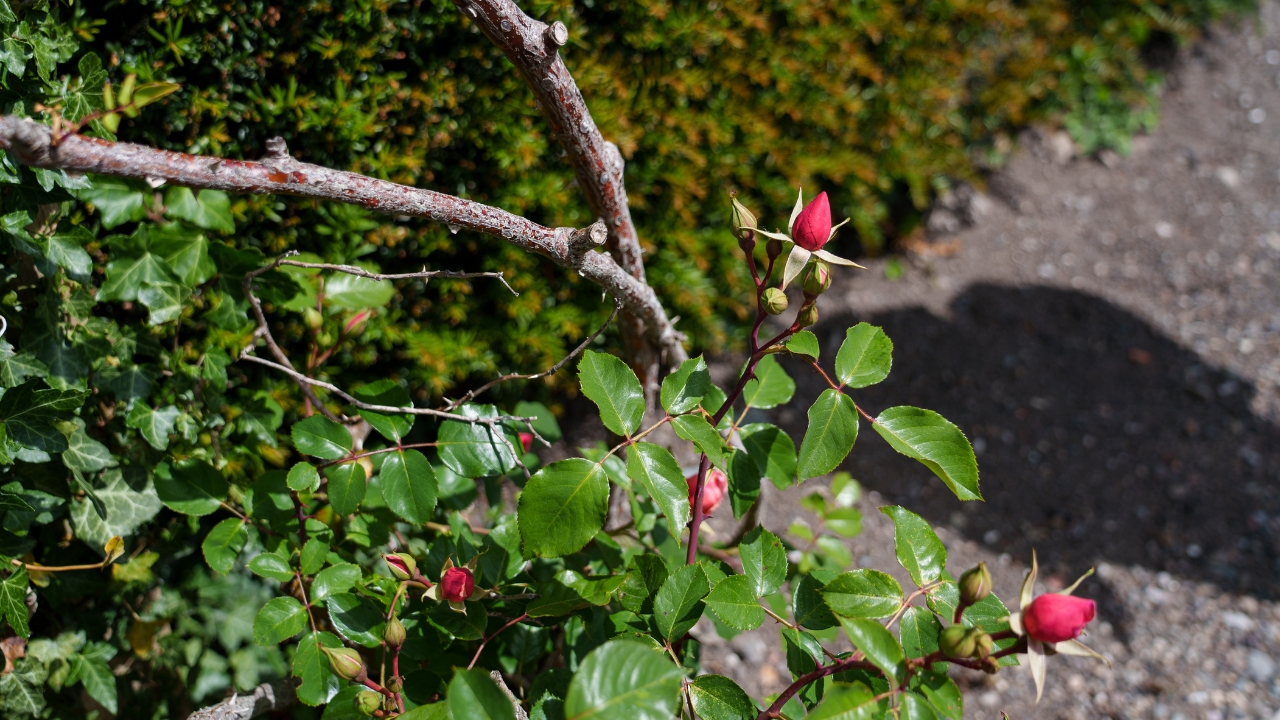
Barberry, rugosa rose, and other thorny shrubs love to claim the exact spot where mirrors and bumpers swing through. You’ll hear it first, that scratchy screech on paint when somebody cuts the corner. Then you’ll see torn sleeves, popped tires from hidden canes, and a messy tangle that’s miserable to prune.
Put thorns well back from anywhere a car, a bike, or a kid will pass. If you need a barrier, use a clean-edged hedge or a fence and keep the planting behind it. If the thorny shrub is already there, cutting it hard usually makes it angrier, not smaller, so plan on removing the root ball.
3. Soft-Stem Perennials In Plow Zones
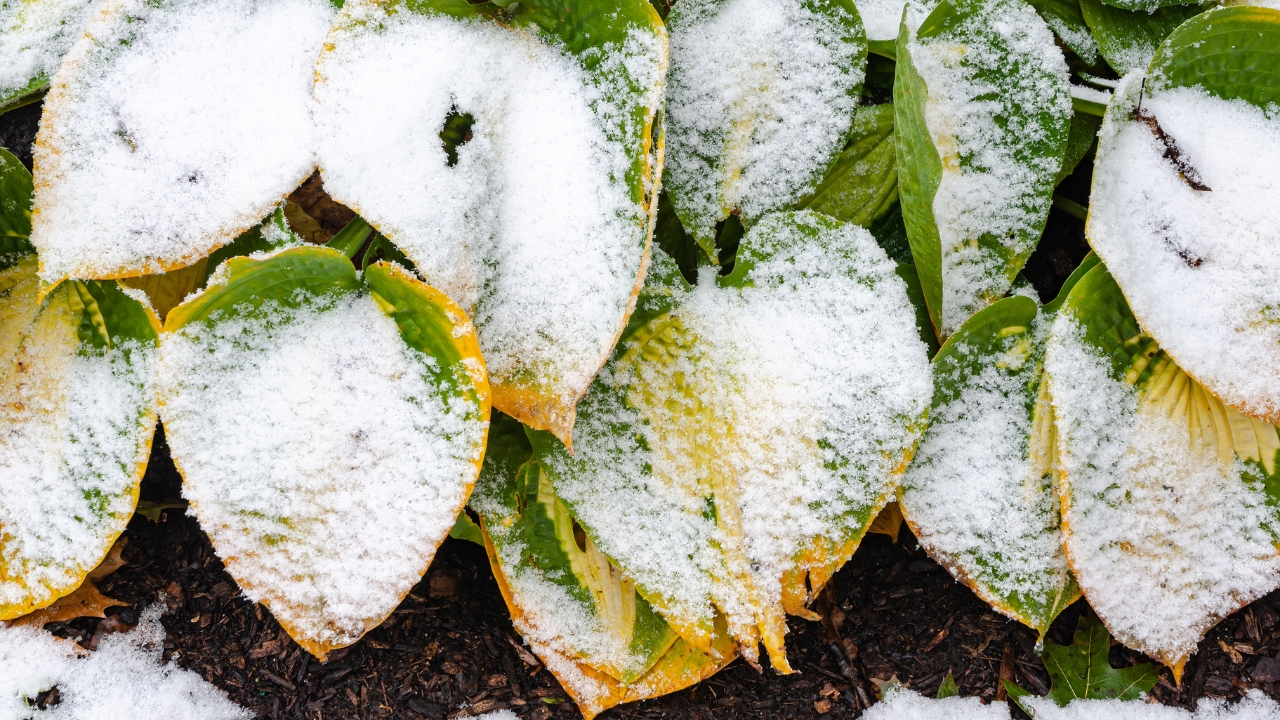
The first wet snow is when these get flattened for good. Hostas, peonies, and tall floppy flowers look nice in June, but a snowbank in January snaps them off at the crown and packs them into ice. Then spring comes and the plants rot where the meltwater sits.
Anything that ends up under a shoveled ridge or plow windrow needs to be tough and low. Save the soft-stem stuff for beds away from the drive, and use groundcovers or grasses that can take being matted down. If you insist on perennials near the edge, give them a buffer strip and mark it with stakes before snow season.
4. Anything That Drops Sticky Fruit
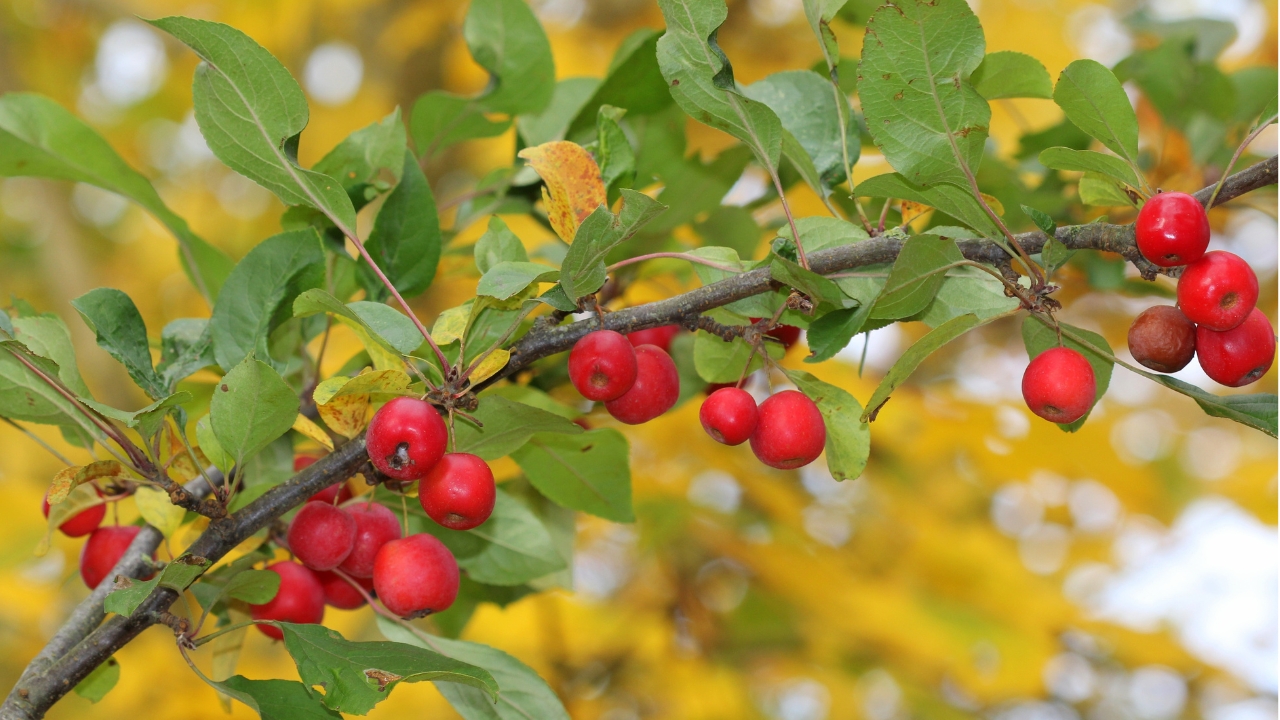
Mulberries, crabapples, and some cherries turn a driveway into a stain factory. The fruit hits hot pavement, cooks, and glues itself down. You track it into the garage, it attracts wasps, and it turns slick when it rains.
If you want an edible tree on the homestead, put it where the mess lands on soil, not concrete. If the only spot is near the driveway, pick something that doesn’t drop goo, or commit to daily sweeping during the drop. A leaf blower won’t lift baked-on fruit, you’ll be out there with a stiff broom and a hose.
5. Aggressive Bamboo And Running Grasses
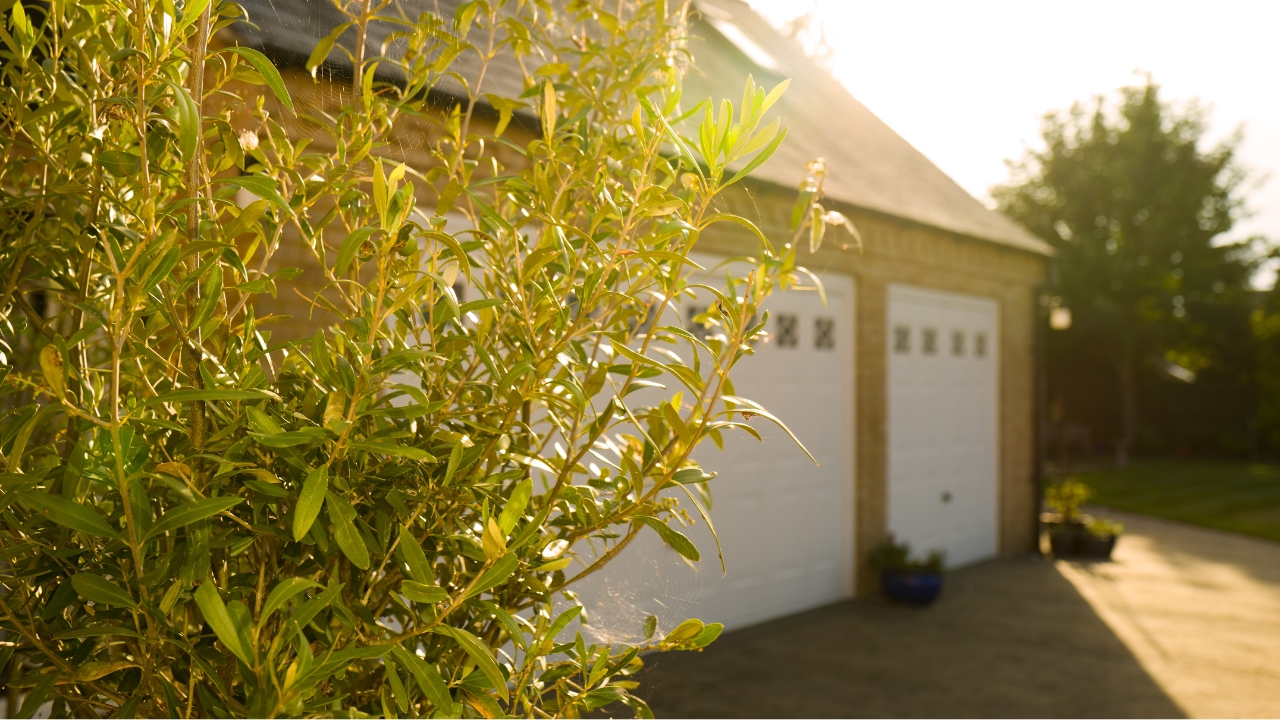
Bamboo doesn’t “stay over there.” Runners slip under edging, pop up through cracks, and show up in the neighbor’s bed like they own the place. Along a driveway, those shoots find every tiny gap, widen it, and turn a hairline crack into a split you can trip on.
Clumping types behave better, but don’t trust the label alone. If you want that look, use a large container on a gravel pad or plant a non-running ornamental grass that stays put. Once a runner gets established under pavement, it becomes a dig-and-saw job, and sometimes you still lose.
6. Large Evergreens Too Close To The Edge
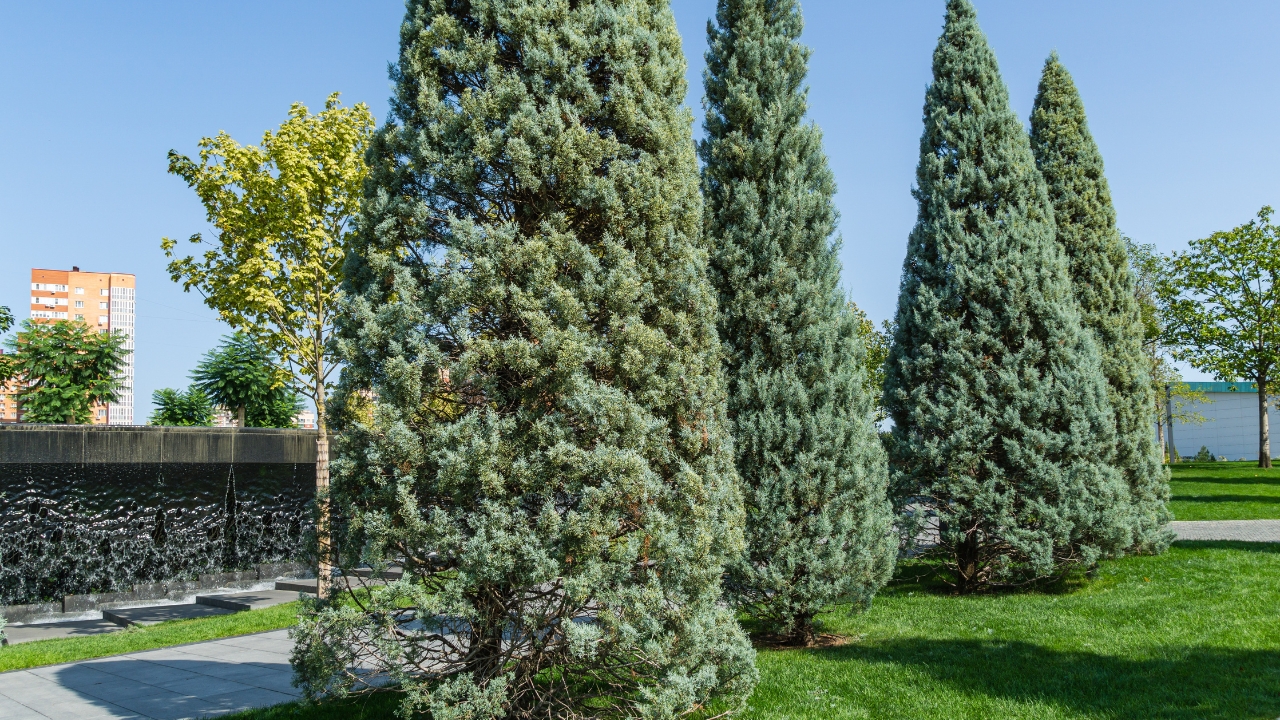
People plant spruces and pines for quick privacy, then forget they keep growing. A decade later, branches sweep the driveway, scrape vehicles, and block headlights when you’re backing out. The real damage shows up in storms, when a heavy limb snaps and lands where you drive or park.
Evergreens also shade the driveway, which keeps ice around longer. If you want year-round screen, pick narrower varieties and plant them far enough back that the mature dripline won’t hang over the pavement. When an evergreen gets too big, pruning doesn’t fix the shape, and removal is often worth paying for if it’s near power lines.
7. Tender Border Plants In Salt Spray
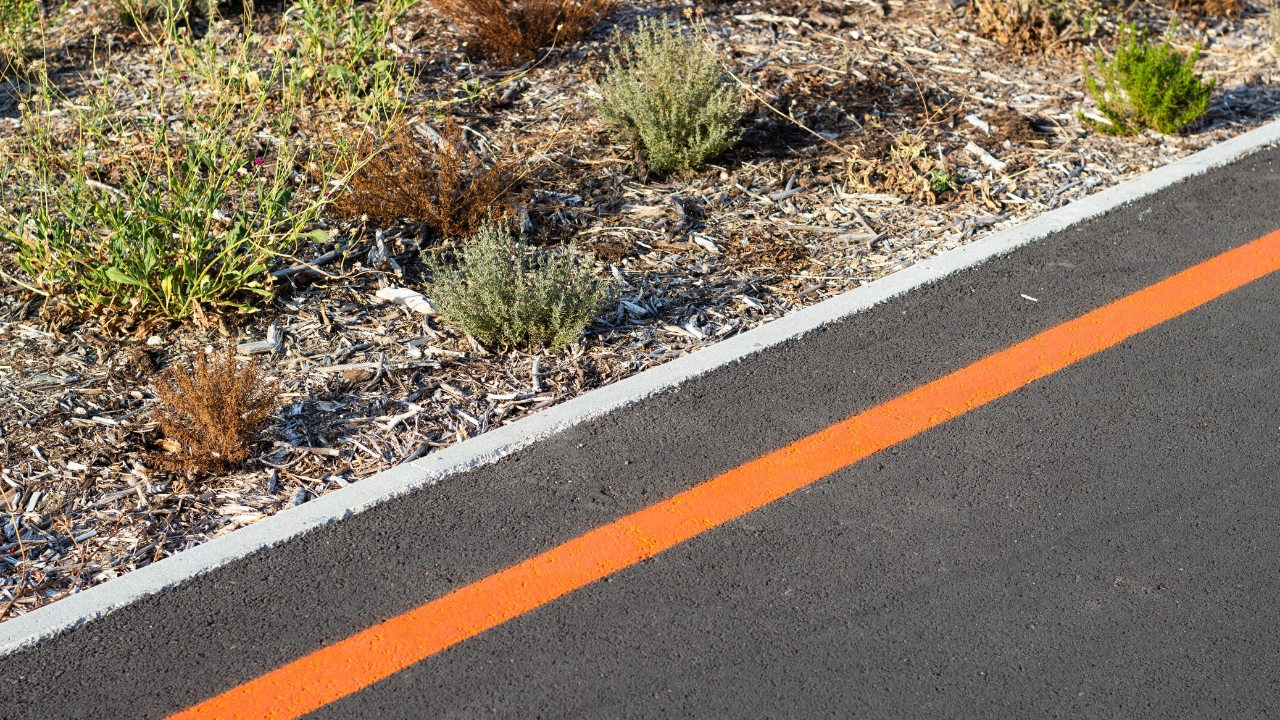
Road salt and de-icers don’t stay on the road. Tires throw salty slush into the first few feet of planting, and spring comes with brown leaf edges and dead tips. Some plants never recover, they just limp along and look fried all summer.
If you live where salt is part of winter, plant salt-tolerant picks near the drive and keep the fussy stuff deeper into the yard. A gravel strip can help catch spray, and so can redirecting downspouts so salty meltwater doesn’t wash into the bed. If you’re using de-icer at home, be stingy with it and sweep up leftovers after the melt.
8. Invasive Groundcovers That Escape Beds
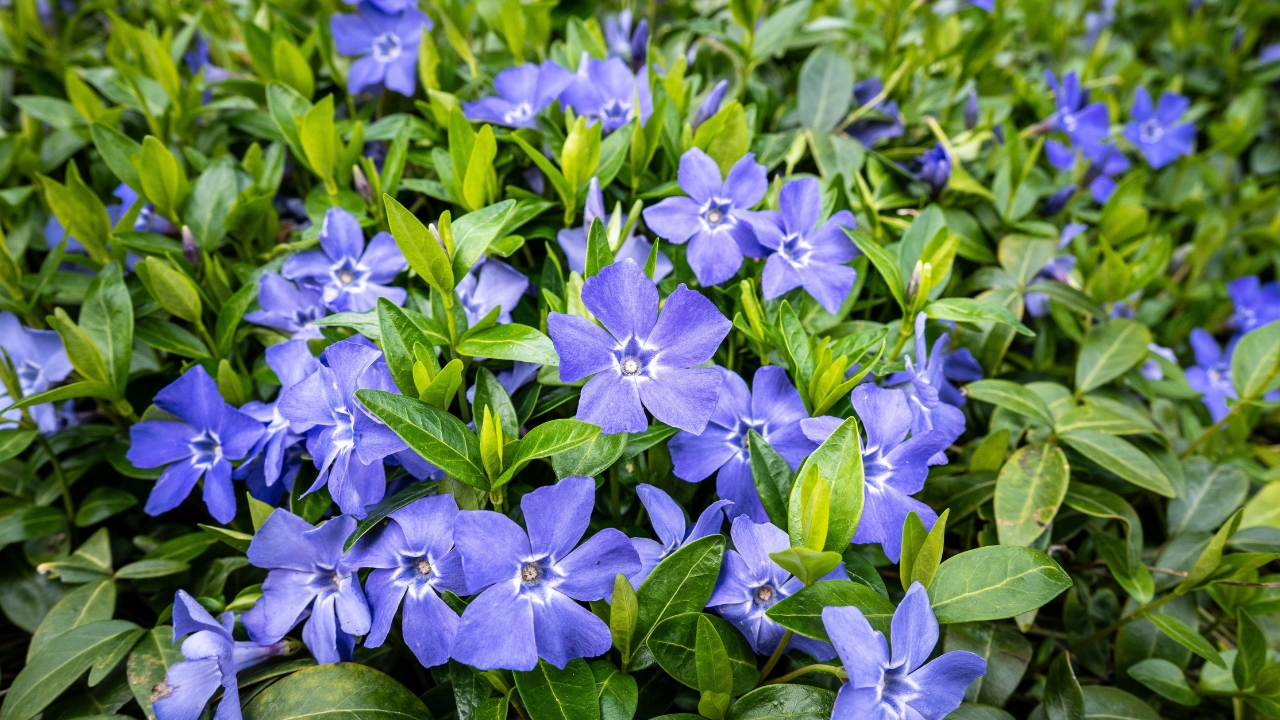
It starts as a “low maintenance” edge, then it crosses the driveway seam and heads for the lawn. English ivy, vinca, and similar spreaders grab cracks and grow into places you can’t mow. They also hide the edge of the pavement, which is a good way to trip while carrying groceries.
Use groundcovers that stay in a clump, or keep them in a defined bed with a hard border you can weed-whack against. If you’re already fighting a runner, don’t bother with little snips. Pull back to bare soil, dig the roots, and expect follow-up all season.
9. Trees Under Power Or Service Lines
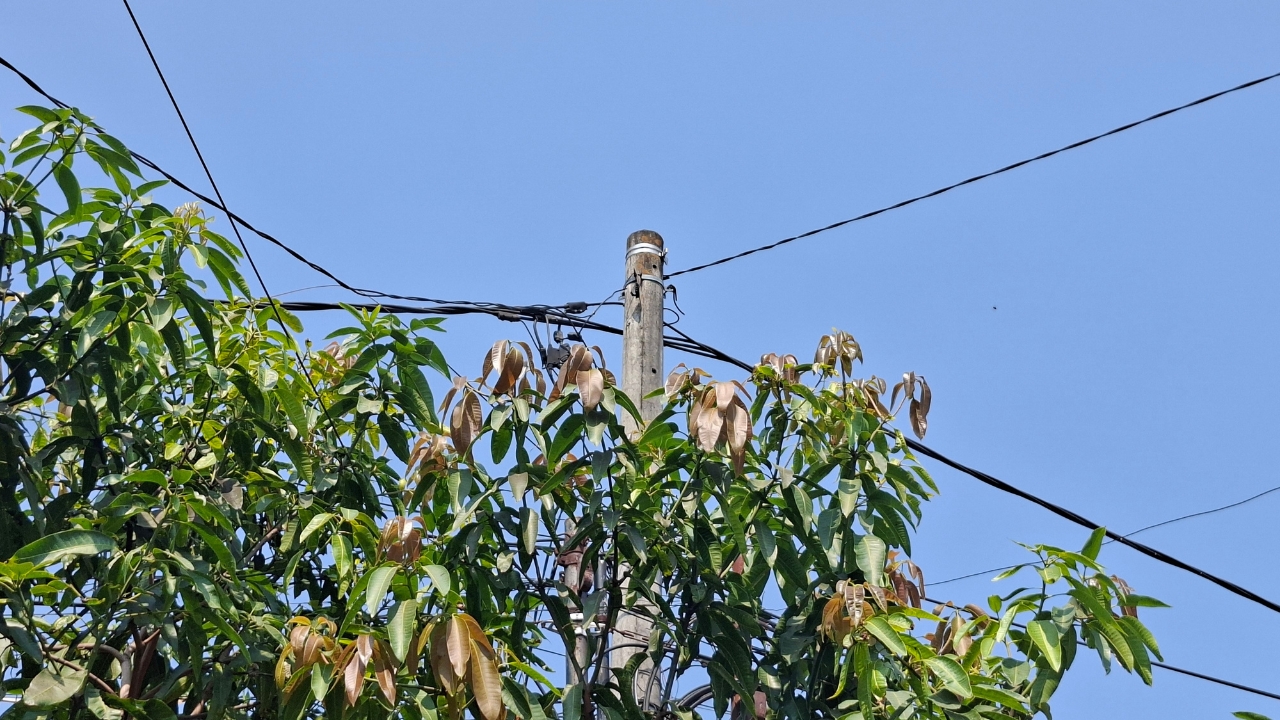
This one doesn’t look like a driveway problem until the first time the utility crew shows up. A tree planted under overhead lines gets topped, not trimmed, and it never looks right again. Even smaller trees can interfere with service drops to the house or garage, and then you’re dealing with outages during storms.
Before you plant, look up and look around, including the line that runs from the pole to your house. If you need to dig at all, call 811 for utility locates and wait for marks, even for a small tree. When pruning gets close to lines, that’s a job for the utility or a licensed tree pro.
10. High-Maintenance Roses Right By Parking
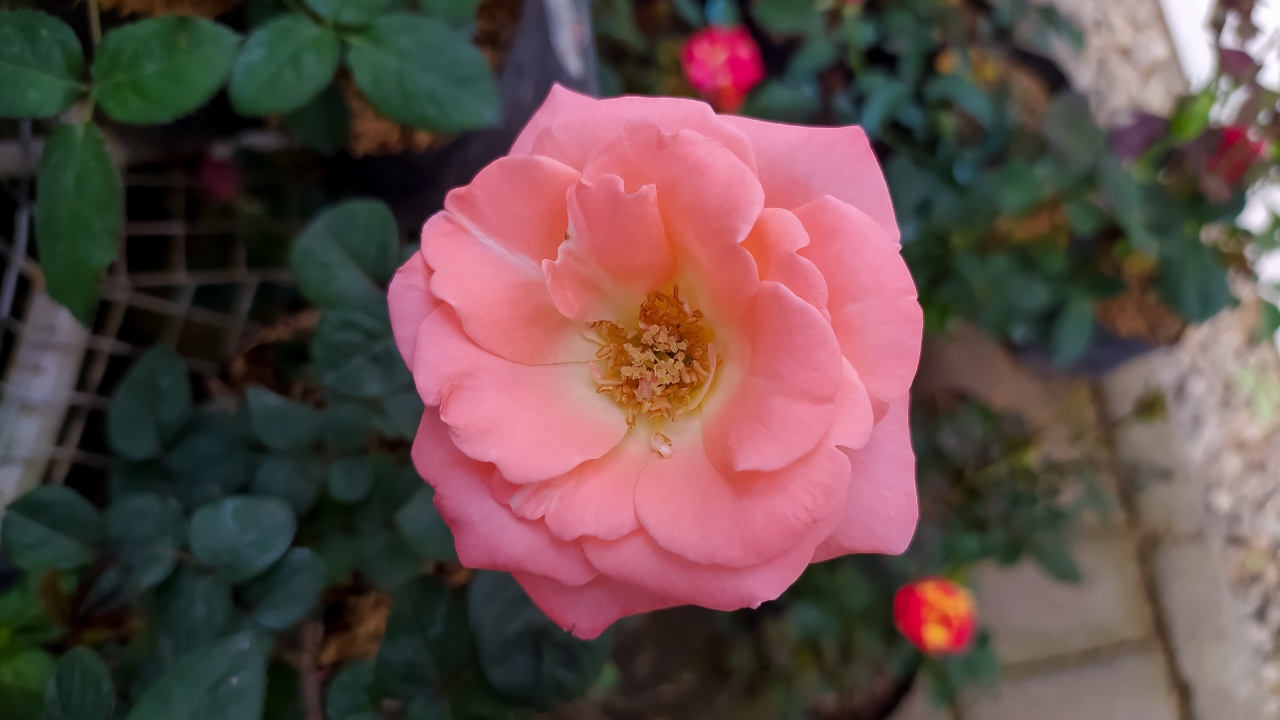
Some plants are just too finicky for a spot that gets exhaust, heat, and dust. Hybrid tea roses along a driveway sound romantic, but they demand spraying, fussy feeding, and careful pruning, and they still get beat up by splashed grit. You’ll also snag thorns every time you step out of the truck.
Exception, a tough shrub rose can work if it’s set back and you don’t mind a wilder look. If you want flowers by the drive, choose plants that handle abuse and still look decent when you skip a week. Put the high-care roses where you actually want to spend time, not where you’re dodging car doors.
If you’re stuck with a skinny strip along the driveway, treat it like a work zone, not a show bed. Leave room to shovel, leave room to turn, and plant things that can take a beating without starting a repair bill. The prettiest driveway edge is the one you don’t have to rescue every spring.
Like Fix It Homestead’s content? Be sure to follow us.
- Man Says He Found Out the Fence He Paid For Wasn’t Actually on His Property
- Woman Says Her Neighbor Started Taking Mulch From Her Delivery Pile Before She Could Even Spread It
- I made Joanna Gaines’s Friendsgiving casserole and here is what I would keep
- What Caliber Works Best for Groundhogs, Armadillos, and Other Digging Pests?