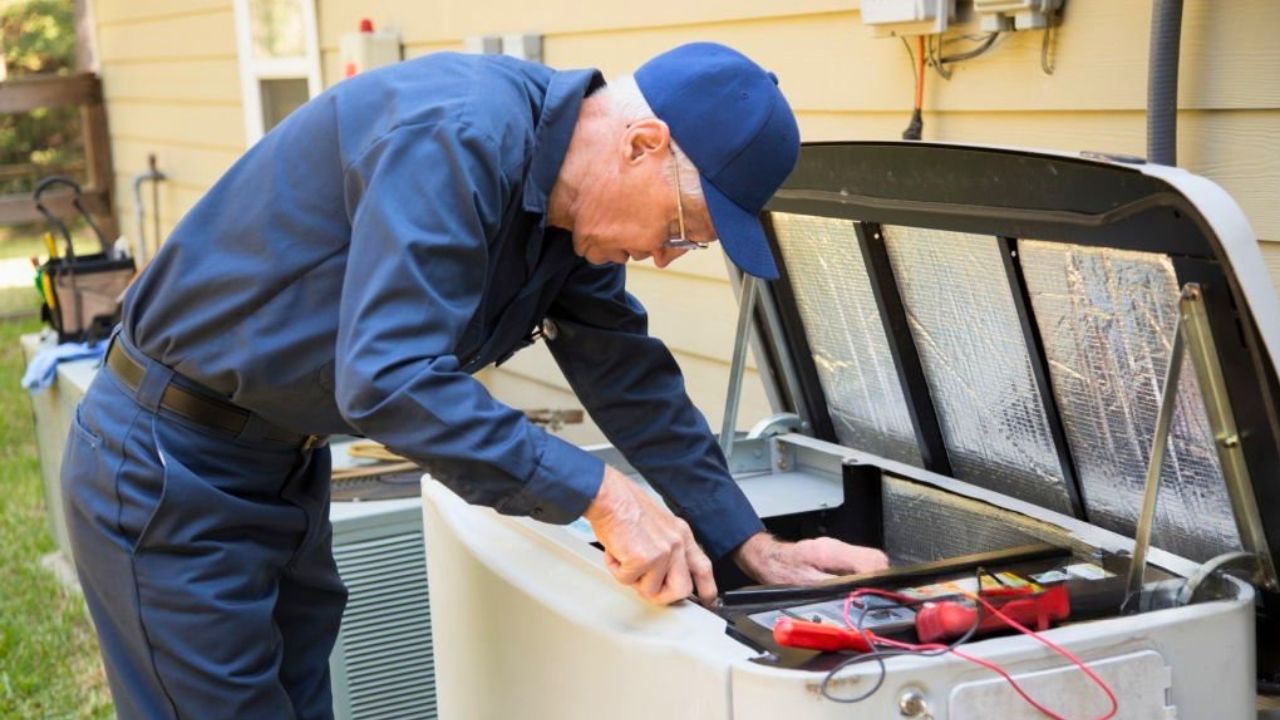
10 Generator Jobs Worth Doing Before You Need It
Photo credit: LifestyleVisuals/istock.com
The power usually goes out when the ground’s already soaked, the wind’s still up, and you’re trying to keep food cold and water moving. A generator can save the day, but only if it starts, runs clean, and hooks up the way you planned. A couple small jobs done on a calm weekend beat a frantic repair in the dark.
1. Run It Under Load Monthly
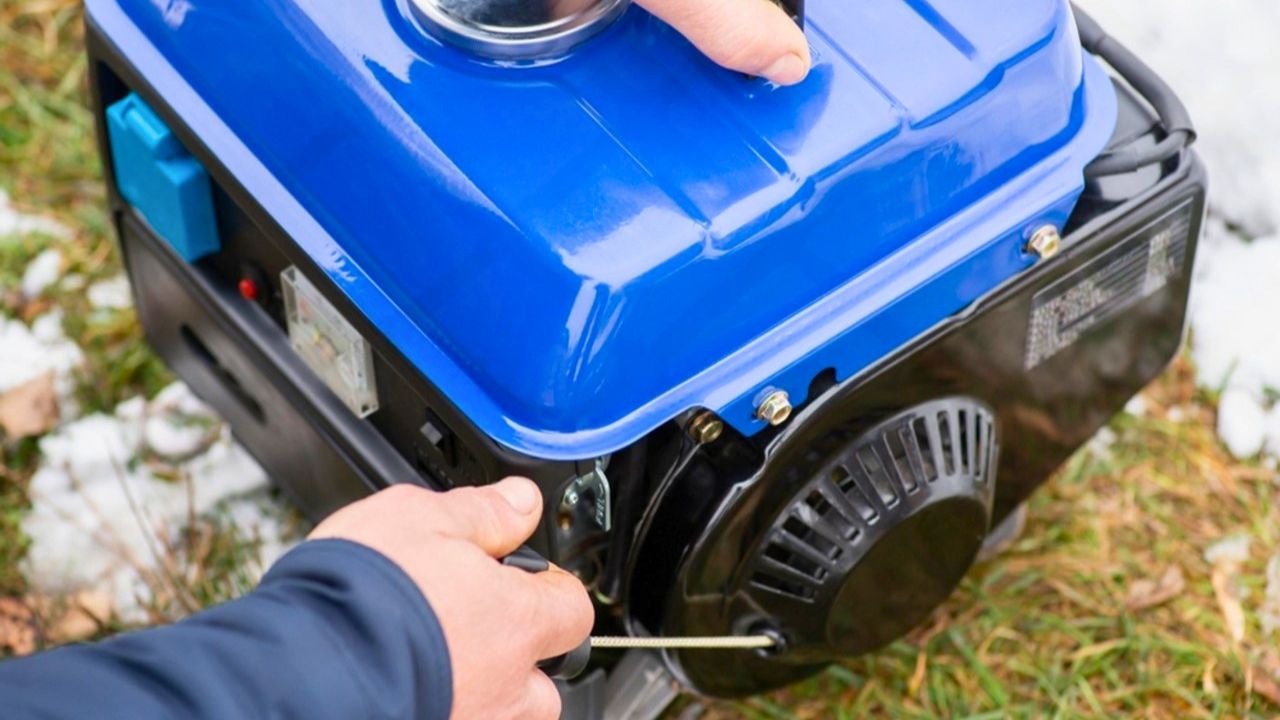
Lots of generators “run fine” until you actually plug something in. Then they surge, bog down, or trip their own breaker because the fuel system is gummed up or the carb is on the edge. Start it once a month and let it power something real, like a space heater, shop vac, or a couple lights plus a freezer.
Let it warm up, then apply load for 15 to 30 minutes. Listen for hunting, that up-down revving sound, and watch for flickering lights. If it won’t carry a modest load now, it won’t do it when the well pump kicks on during a storm.
2. Change Oil And Check The Filter
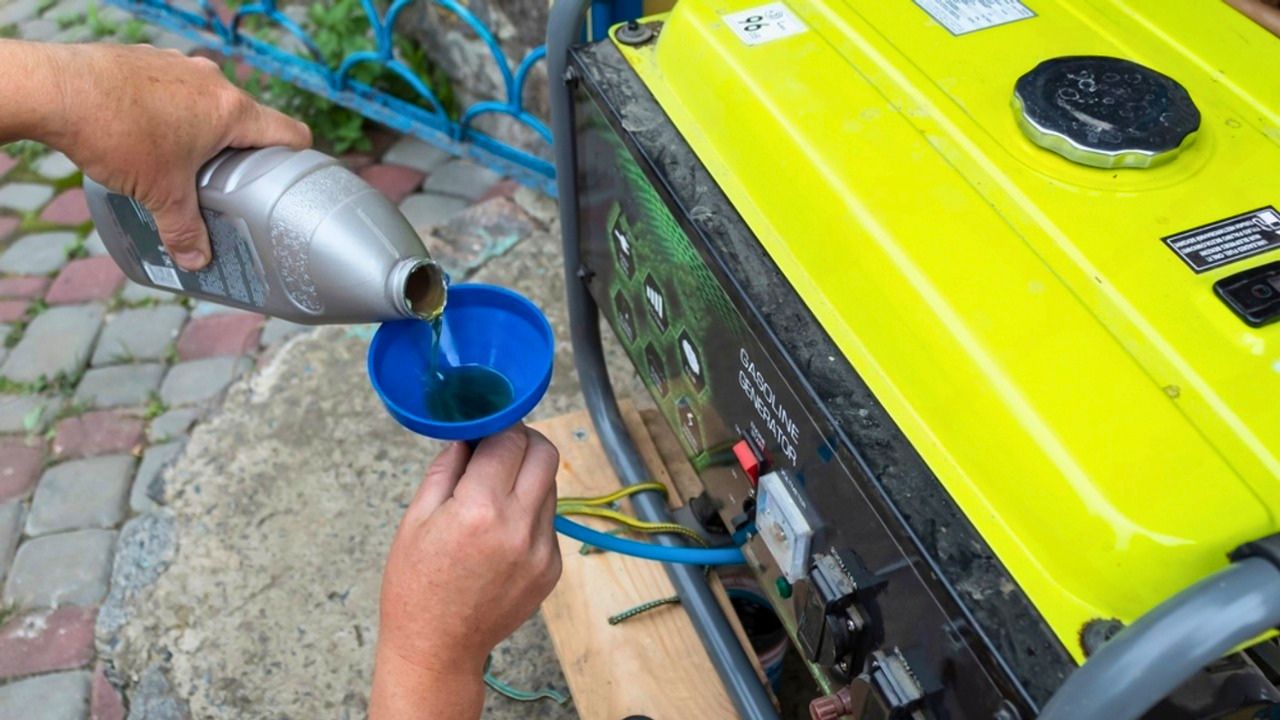
New units ship with break-in oil, and older ones get contaminated oil from short runs. Dirty oil makes small engines wear fast, and it shows up as harder starts, more noise, and that hot-metal smell after a run.
Change the oil on schedule and keep a spare quart or two on the shelf that matches the manual. Clean or replace the air filter too, especially if the generator lives in a dusty garage or barn. It’s a ten-minute job that can prevent a much bigger one.
3. Replace The Spark Plug Before It Fails
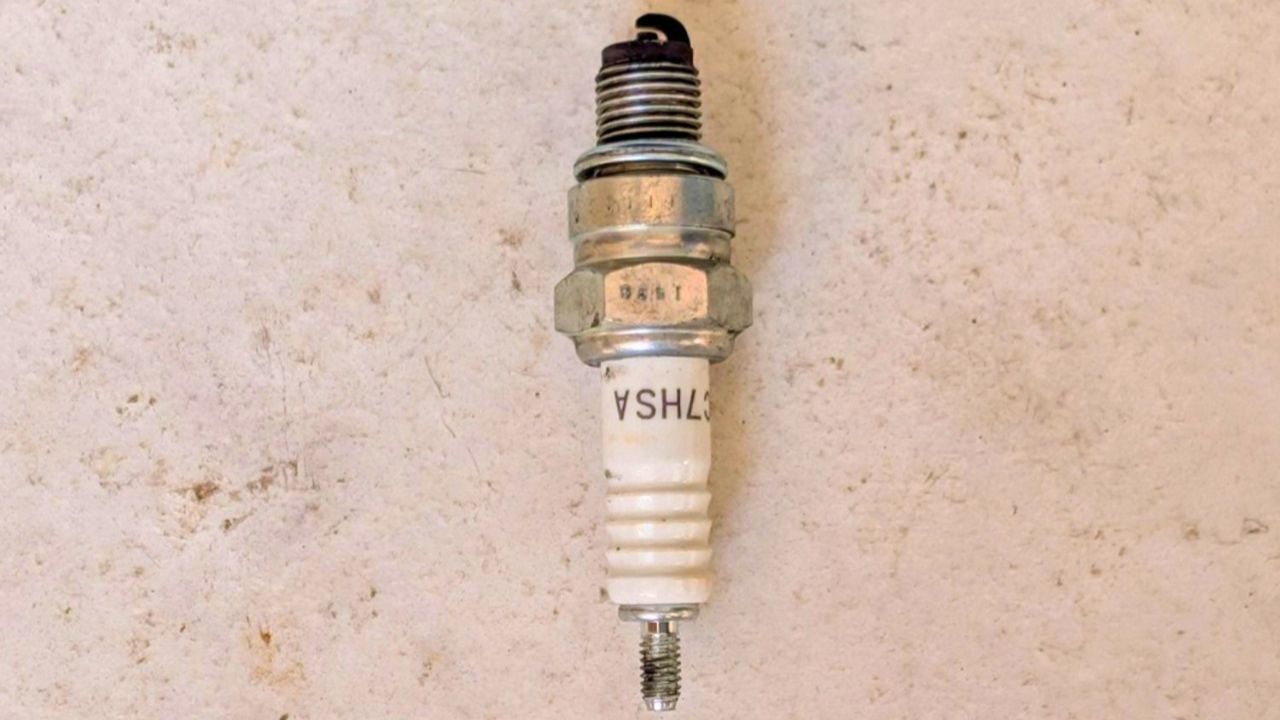
A weak spark plug loves to fail at the worst time. The engine cranks, coughs once, then nothing, and you start chasing fuel problems that aren’t there. Plugs are cheap, and swapping one is usually easier than draining a tank.
Buy the correct plug type, gap it if needed, and keep the old one as a backup if it still looks decent. If you can’t remember the last time you touched it, that’s your sign.
4. Refresh Fuel And Stabilizer Plan
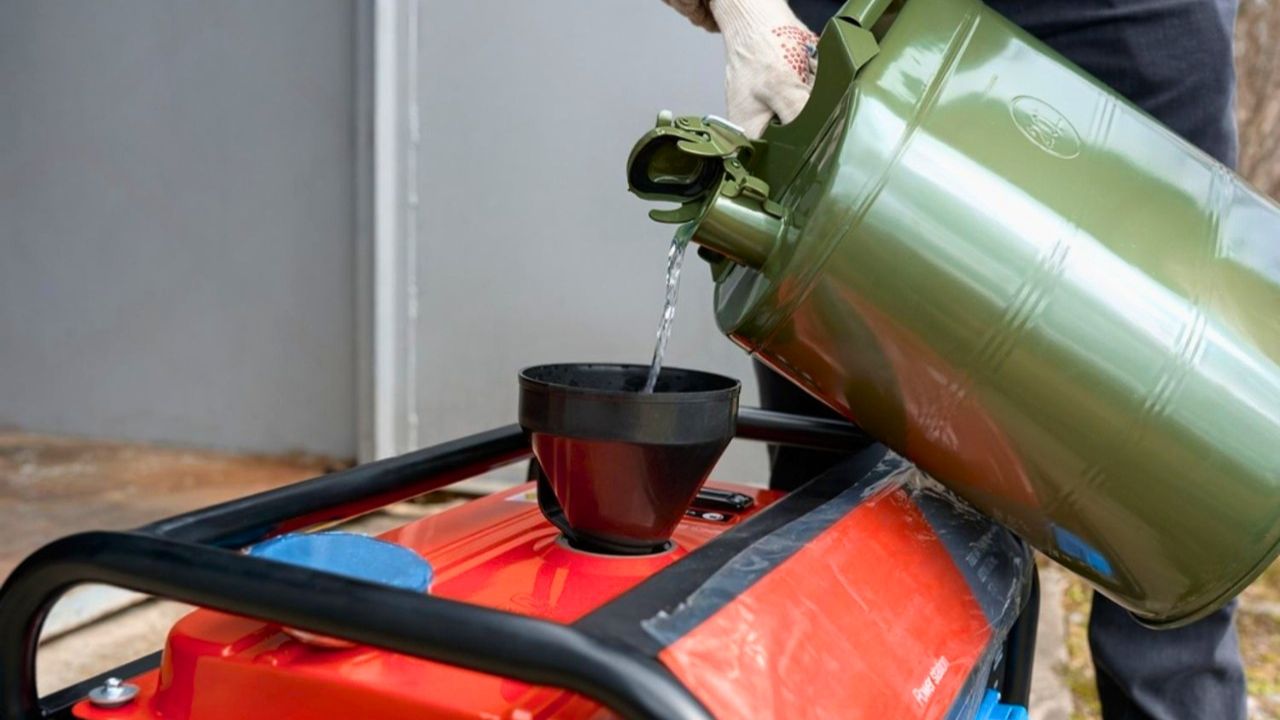
Old gas is the number-one reason portable generators won’t start. It turns stale, gums the carb, and leaves you yanking a cord until your shoulder quits. If your generator takes gasoline, treat fuel like a rotating supply, not a decoration in red cans.
Pick a routine you’ll actually follow. Use fuel stabilizer when you fill cans, date the cans with a marker, and rotate them into the car or mower so nothing sits for months and months. If your model has a fuel shutoff, run it dry before storage so the carb bowl isn’t sitting full of aging fuel.
5. Test The Battery And Starter Circuit
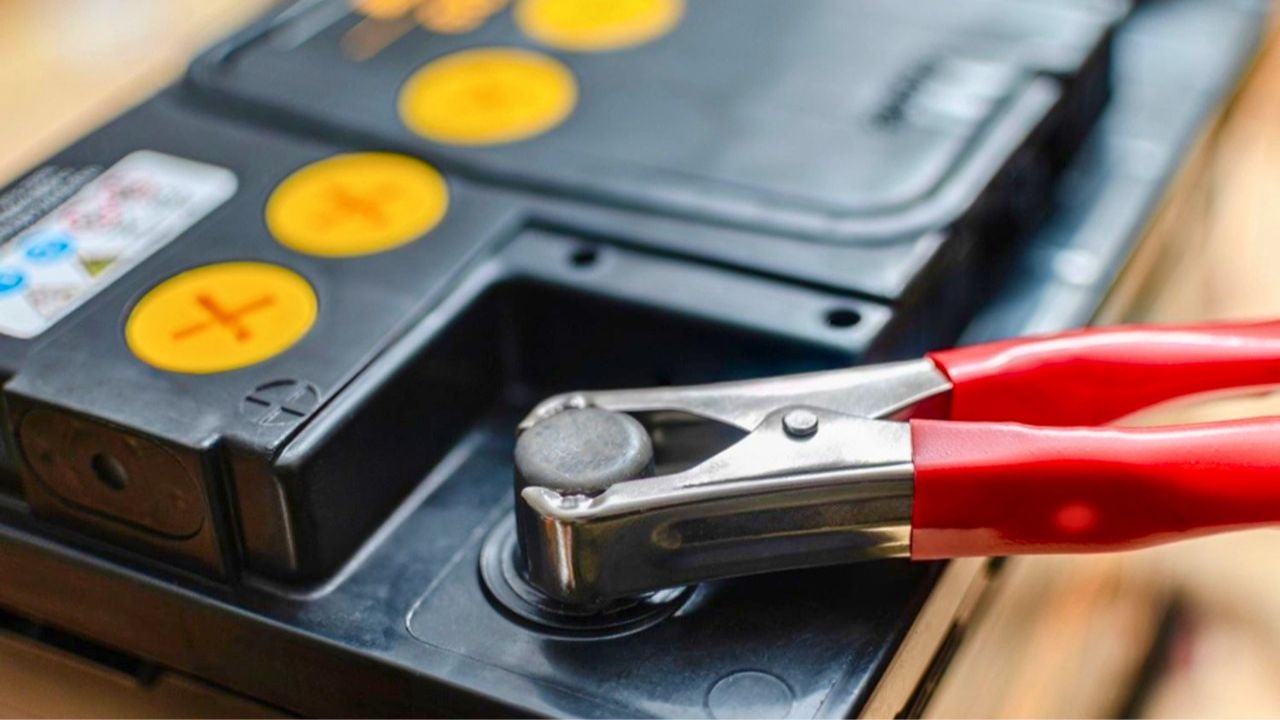
Electric start is great until the battery is dead and you realize the recoil rope is missing or stuck behind a shelf. Batteries hate sitting, and they hate cold snaps even more. You find out fast when the starter clicks and nothing turns.
Check the battery terminals for fuzz and corrosion, clean them, and charge the battery a few times a year with a basic smart charger. If the battery won’t hold a charge, replace it before winter. If your generator is pull-start only, at least confirm the cord pulls smoothly and retracts.
6. Practice The Cord And Load Setup
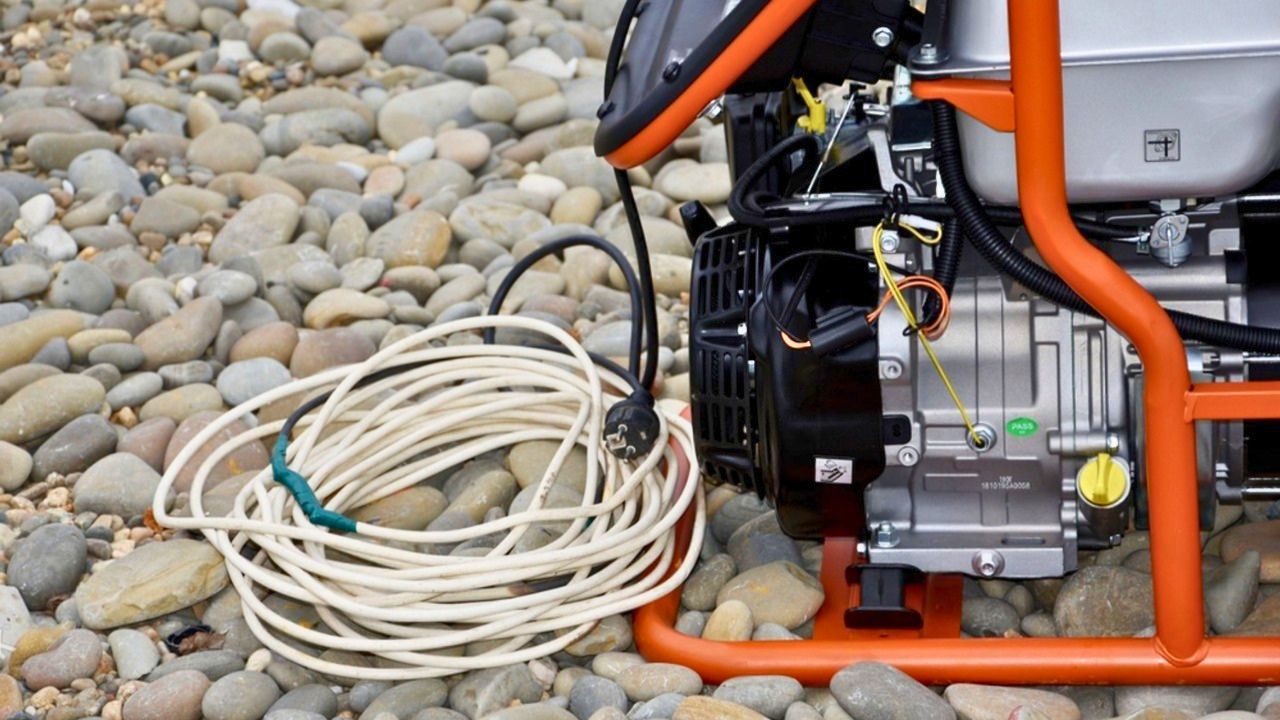
The real mess during an outage is cords. People grab whatever’s closest, overload one thin orange extension cord, and wonder why it’s warm to the touch and the voltage drops. A generator that’s fine can still deliver lousy power through a bad cord run.
Lay out your plan once when it’s daylight. Use heavy cords sized for the load and length, keep them as short as practical, and stage them where you can reach them fast. Label which cord goes to the freezer, which goes to the sump, and which one is only for lights and chargers.
7. Install A Transfer Switch Or Interlock
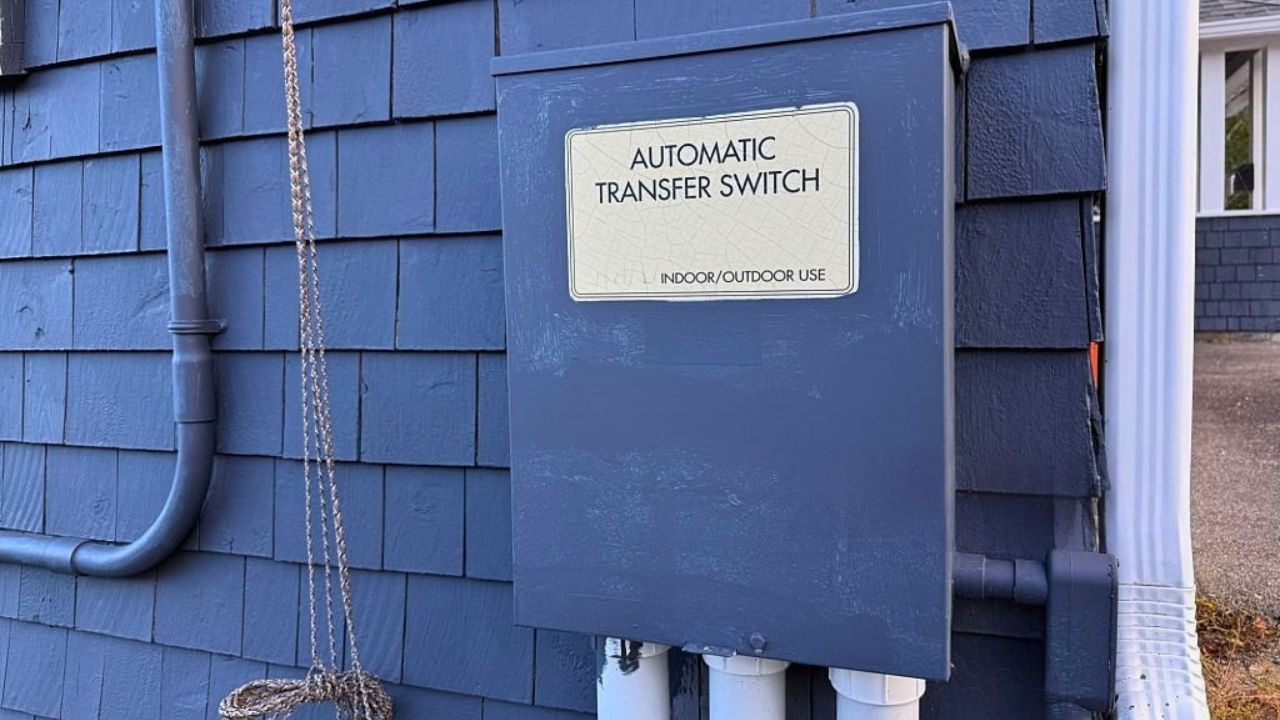
If you want to power house circuits, do it the right way. Backfeeding through a dryer outlet or a homemade cord is dangerous and illegal, and it can energize lines you think are dead. It can also wreck your generator when utility power comes back.
Have a licensed electrician install a transfer switch or an approved interlock kit, and pull permits if your area requires it. Then test it on a clear day with the main breaker off, so you know exactly what comes on and what doesn’t. This is one of the few generator jobs that’s worth paying for.
8. Check Grounding, Bonding, And GFCI Behavior
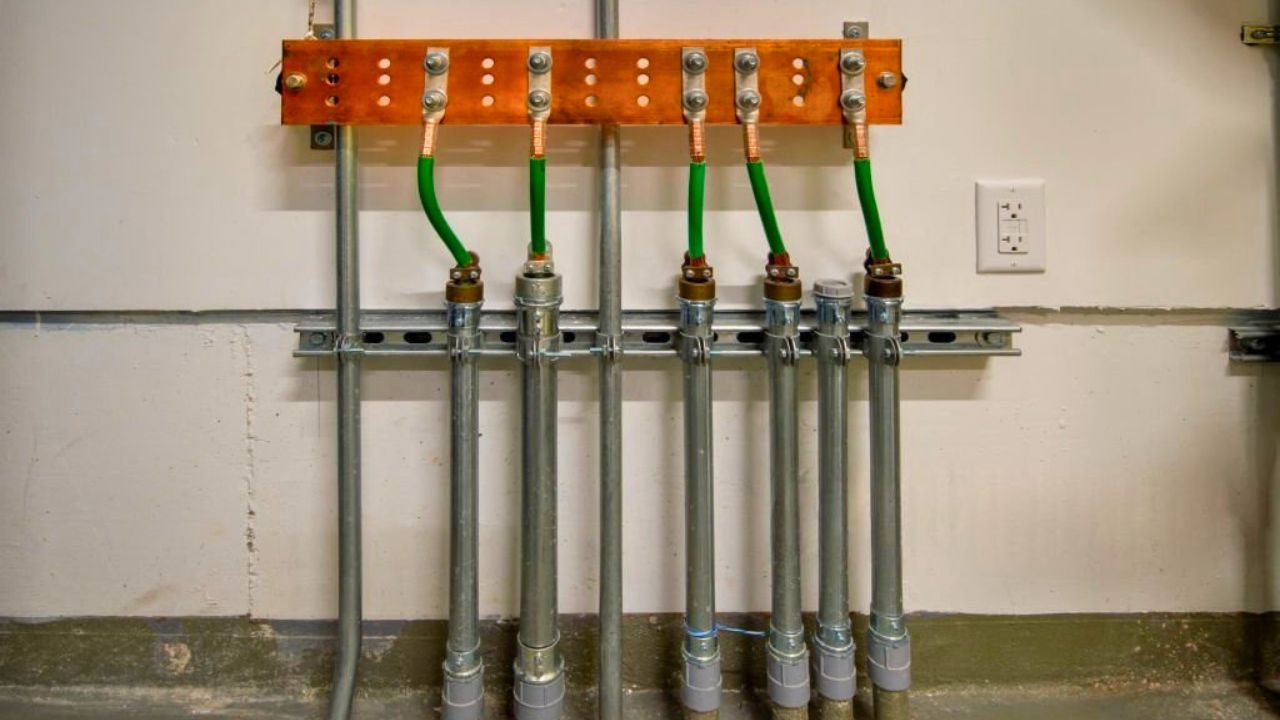
Some portables have floating neutrals, some have bonded neutrals, and some have GFCI outlets that act picky with certain loads. You don’t want to learn about it when your furnace blower won’t run or your RV keeps tripping the generator.
Read the manual and verify how your model is set up, then test your common loads. If you’re tying into a transfer switch, your electrician should verify grounding and bonding to match local code and the equipment. Don’t defeat safety devices to “make it work.” Fix the setup.
9. Set Up A Safe Run Spot And Cover
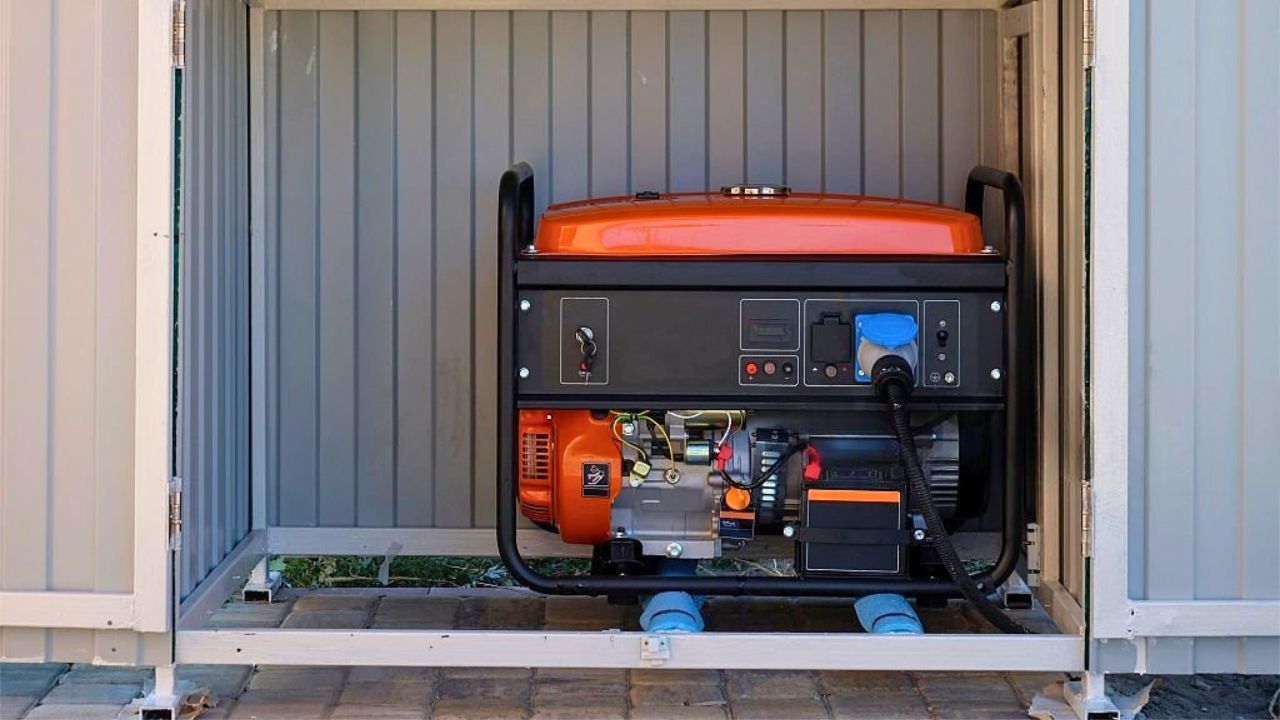
Running a generator in a garage, under a porch, or near an open window is how carbon monoxide gets inside. It’s silent, it’s fast, and it’s not a “just for a minute” problem. The safe place is outside, away from doors, windows, and soffit vents, with the exhaust pointed away from the house.
Pick the spot now and make it usable in bad weather. A simple canopy, a purpose-built generator tent, or a small lean-to that stays open on the sides can keep rain off while keeping fumes out. The cheap exception is a basic tarp, and it’s only fine if it’s rigged high, well away from hot parts, and can’t blow into the muffler.
10. Stock The Little Parts You Always Need

Outages have a way of exposing missing basics. No funnel. No spare oil. Wrong wrench for the drain plug. You end up pouring gas down the side of the tank and calling it good.
Keep a small tote with oil, a spark plug, a plug wrench, a clean funnel, a rag, a flashlight, and a couple spare fuses if your model uses them. Add hearing protection too, because a generator running all night beside the shed will wear you out in a different way.
A generator is only as helpful as your routine. Put a calendar reminder on your phone, keep the fuel fresh, and do one small check each month. When the lights blink off for real, you’ll be thinking about keeping warm and feeding animals, not fighting a stubborn pull cord.
Like Fix It Homestead’s content? Be sure to follow us.
- Man Says He Found Out the Fence He Paid For Wasn’t Actually on His Property
- Woman Says Her Neighbor Started Taking Mulch From Her Delivery Pile Before She Could Even Spread It
- I made Joanna Gaines’s Friendsgiving casserole and here is what I would keep
- What Caliber Works Best for Groundhogs, Armadillos, and Other Digging Pests?