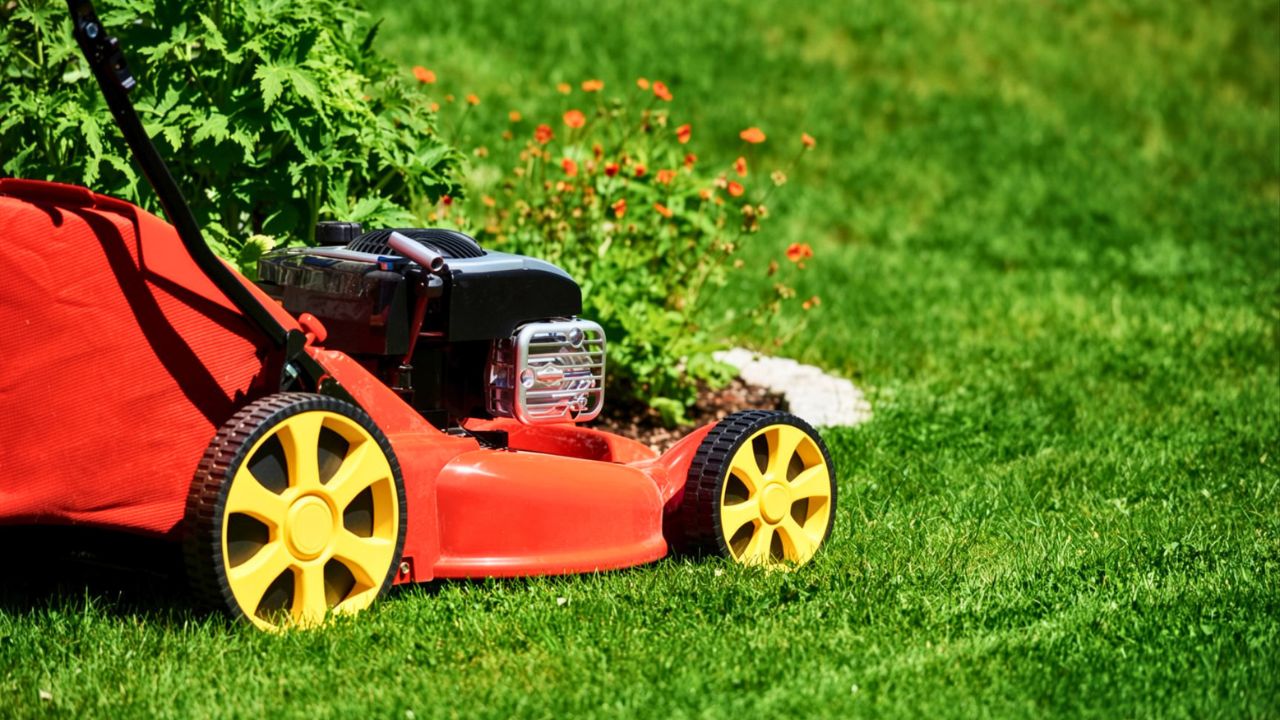
12 Yard Jobs People Put Off Until It Costs Them
Photo credit: Thomas-Soellner/Shutterstock.com
Yard work gets put off because it feels endless, and because nothing screams until it’s already broken. A lot of the damage happens quietly, one storm, one freeze, one clogged corner at a time. Then you’re not doing “yard stuff” anymore, you’re fixing rot, replacing parts, or paying for cleanup you could’ve avoided.
1. Gutters Packed With Leaves And Grit
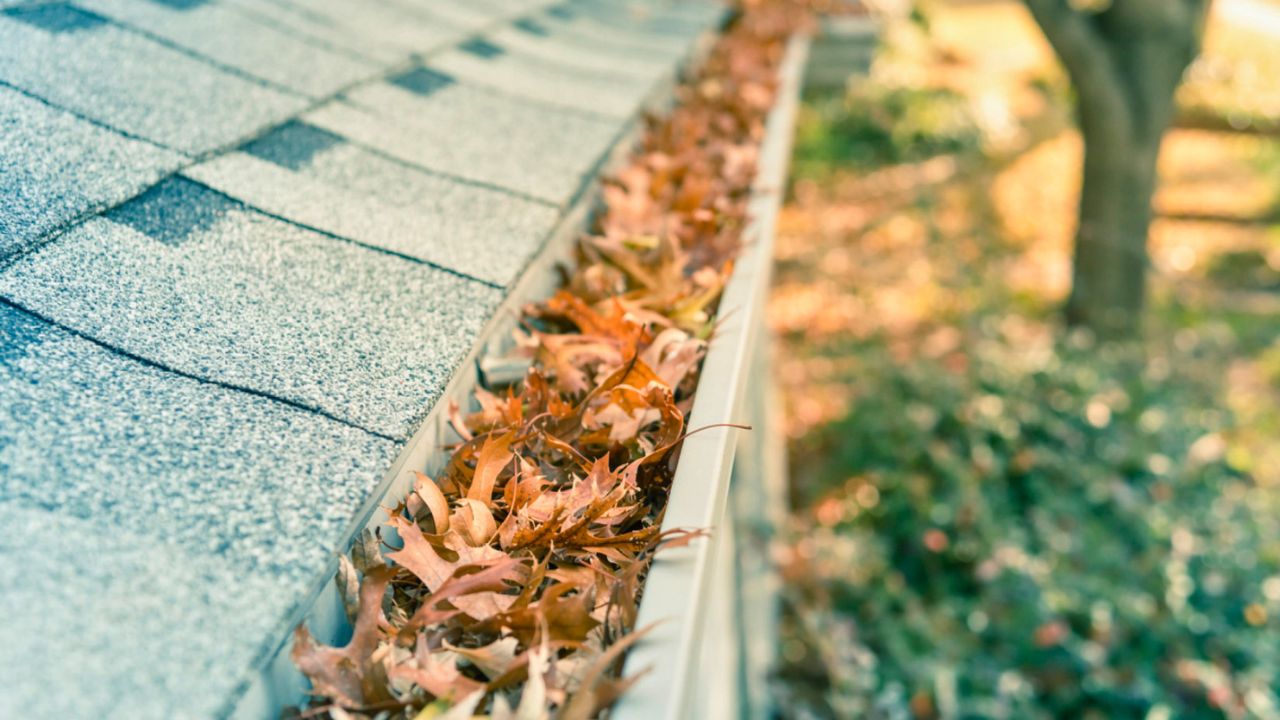
You don’t notice a clogged gutter until water starts spilling over like a small waterfall. Then it runs behind fascia boards, soaks porch trim, and stains siding. In winter, that same mess helps make ice dams and big icicles that pull gutters loose.
Clean them at least in late fall, and again after spring pollen and seed drop if you’ve got maples or pines. A small plastic gutter scoop, a bucket, and a hose will do it, and a leaf blower works if the muck is dry. If you hate ladders, paying for a cleaning is cheaper than replacing rotten wood.
2. Downspouts Dumping Water At The Foundation
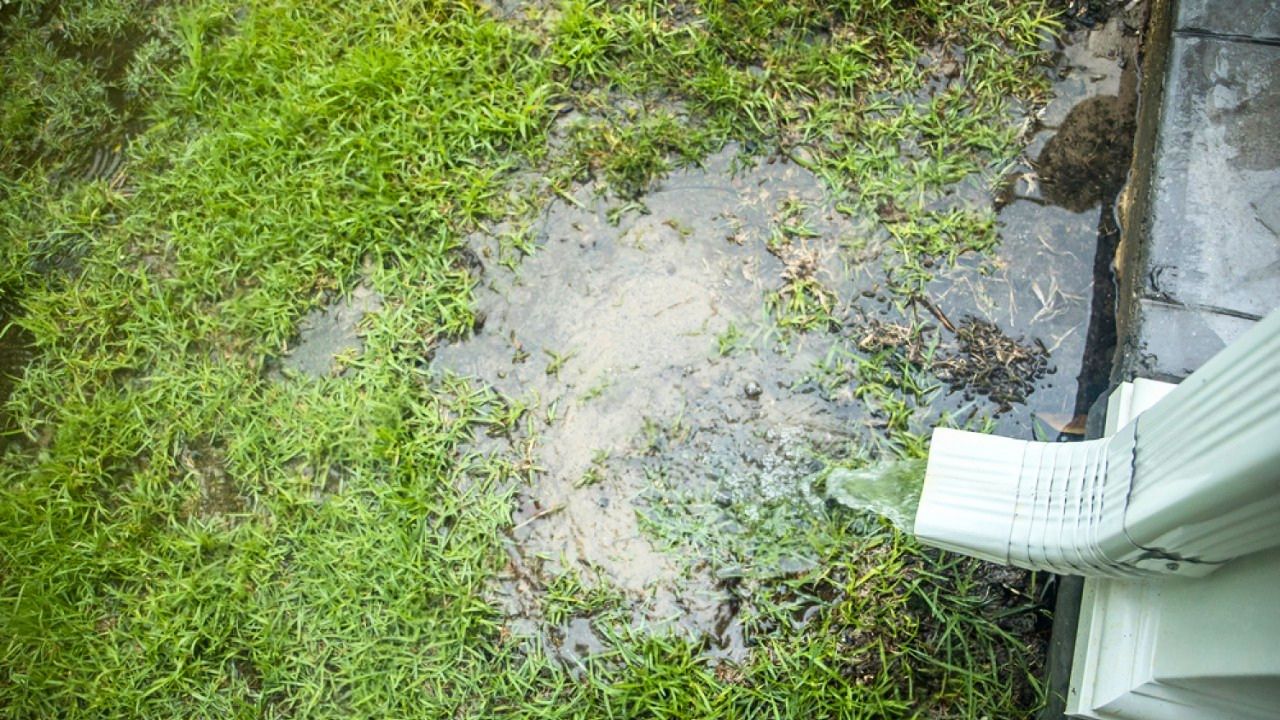
People clean the gutters and call it done, then the downspouts still spit water right next to the house. That’s how you end up with a wet basement smell, peeling paint on the lower wall, or a sinking patio edge. The ground gets hammered in the same spot and starts to slope the wrong way.
Add downspout extensions or solid pipe to move water at least several feet away, farther if your yard lets you. Check during a hard rain and watch where the water actually goes, not where you hope it goes. If you’re burying a drain line, call 811 for utility locates first and keep the slope gentle so it doesn’t hold mud.
3. Mulch Piled Against The Siding
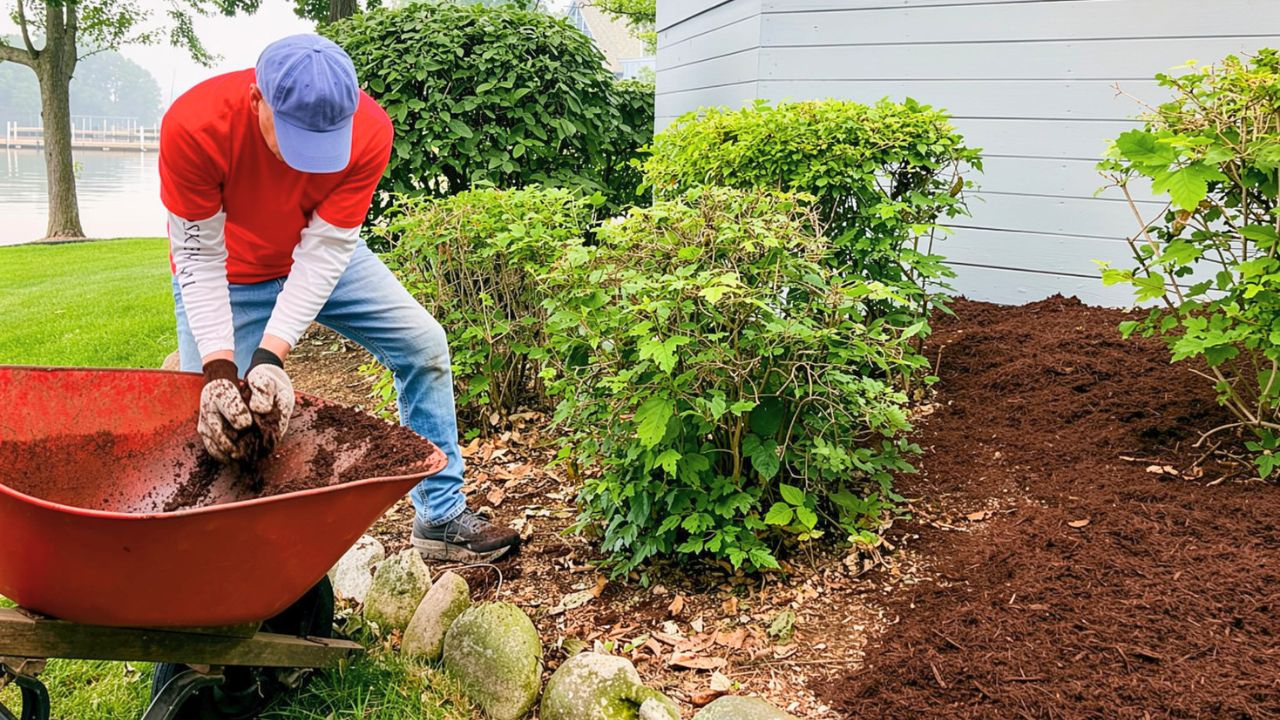
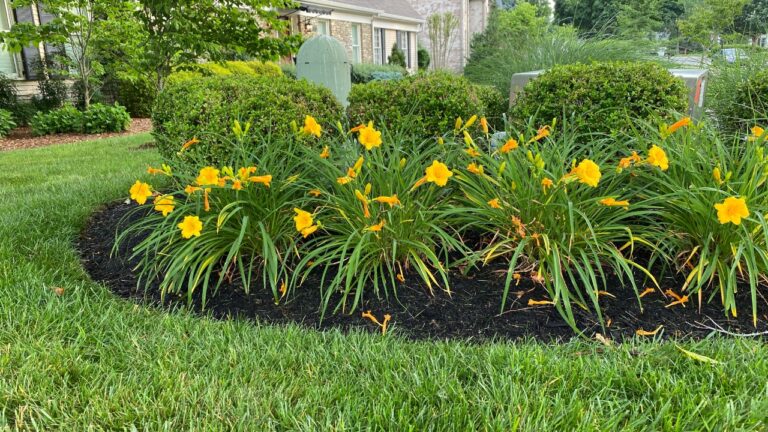
Fresh mulch looks neat, so it gets piled high like frosting right up against the house. That’s an open invite for moisture and bugs, and it can hide termite tunnels until the damage is expensive. It also keeps the bottom edge of wood trim damp, which is how rot gets started.
Pull mulch back so there’s a visible gap between soil and siding. Keep the layer modest and don’t bury the weep holes on brick veneer. If you need the bed higher for plants, build a proper border and keep the soil line away from the wall.
4. Ignoring A Loose Fence Post
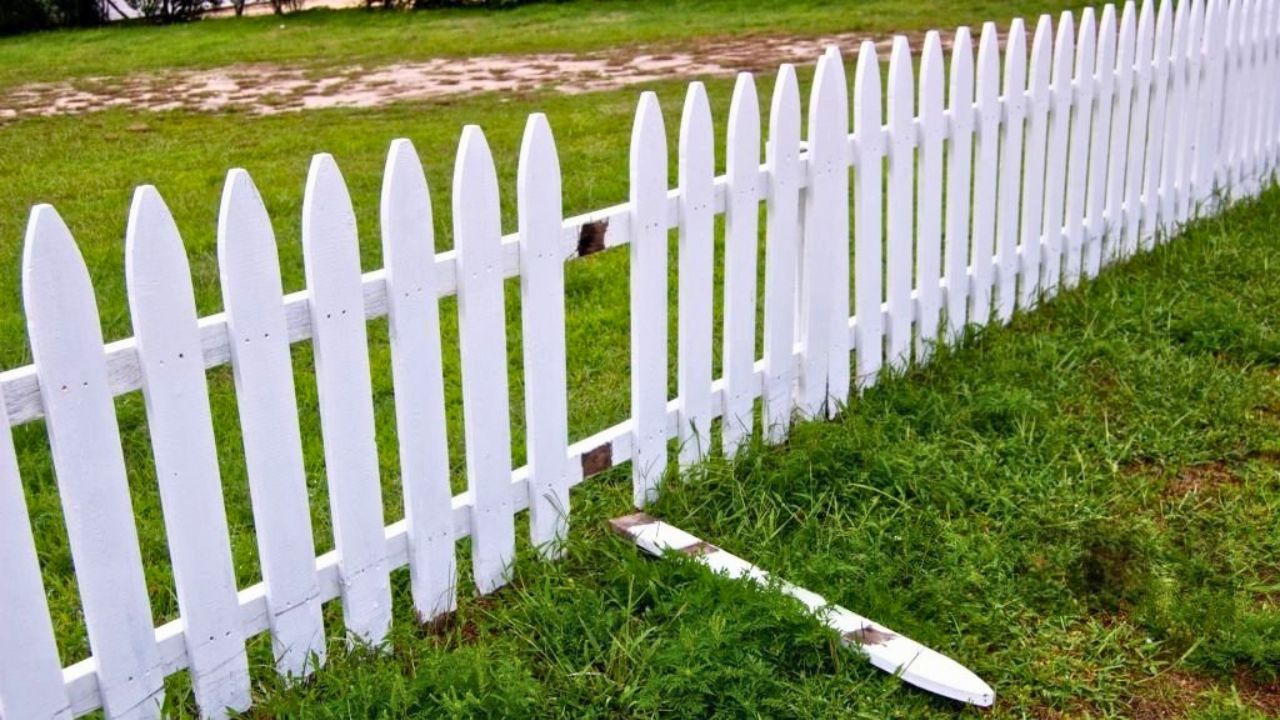
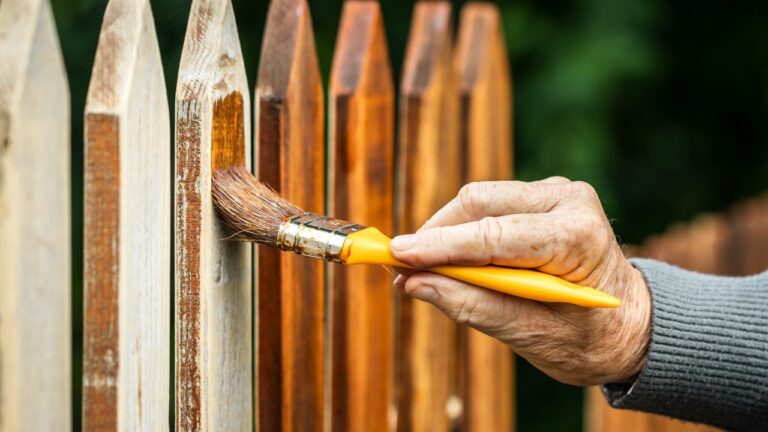
A fence rarely falls over all at once. It starts with one post that wiggles, then the gate begins dragging, then the next windstorm turns the whole run into a sail. By the time panels are cracked, you’re buying lumber instead of a bag of concrete.
Fix the first loose post as soon as you feel it move. Brace it plumb, dig around the base, and reset it with compacted gravel and concrete if needed, or replace the post if it’s rotten at ground level. If the fence line sits in constant wet, gravel at the bottom of the hole helps more than pouring a giant cone of concrete.
5. Letting Tree Limbs Hang Over The Roof
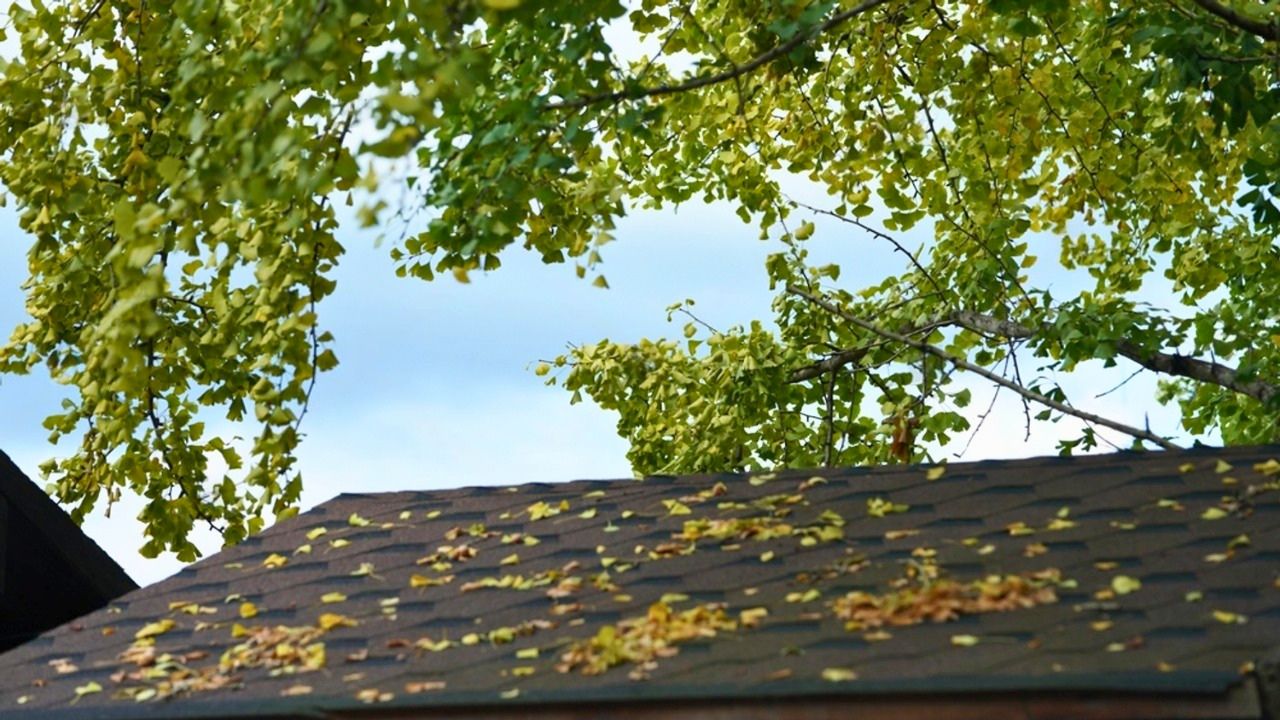
The branch you ignore is the branch that scrapes shingles all winter and drops sticks into your gutters. It’s also a freeway for squirrels and raccoons looking for a warm attic. One heavy, wet snow and that limb can crack, punch a hole, and turn a small repair into interior ceiling stains.
Prune small limbs from the ground with a pole saw and eye protection, and keep clear of power lines. Anything big, high, or close to the service drop is a job for an insured tree crew. Late winter pruning works well for many trees because you can see the structure, but avoid heavy pruning during spring sap flow on certain species if you don’t want a sticky mess.
6. Mower Blades Dull All Season
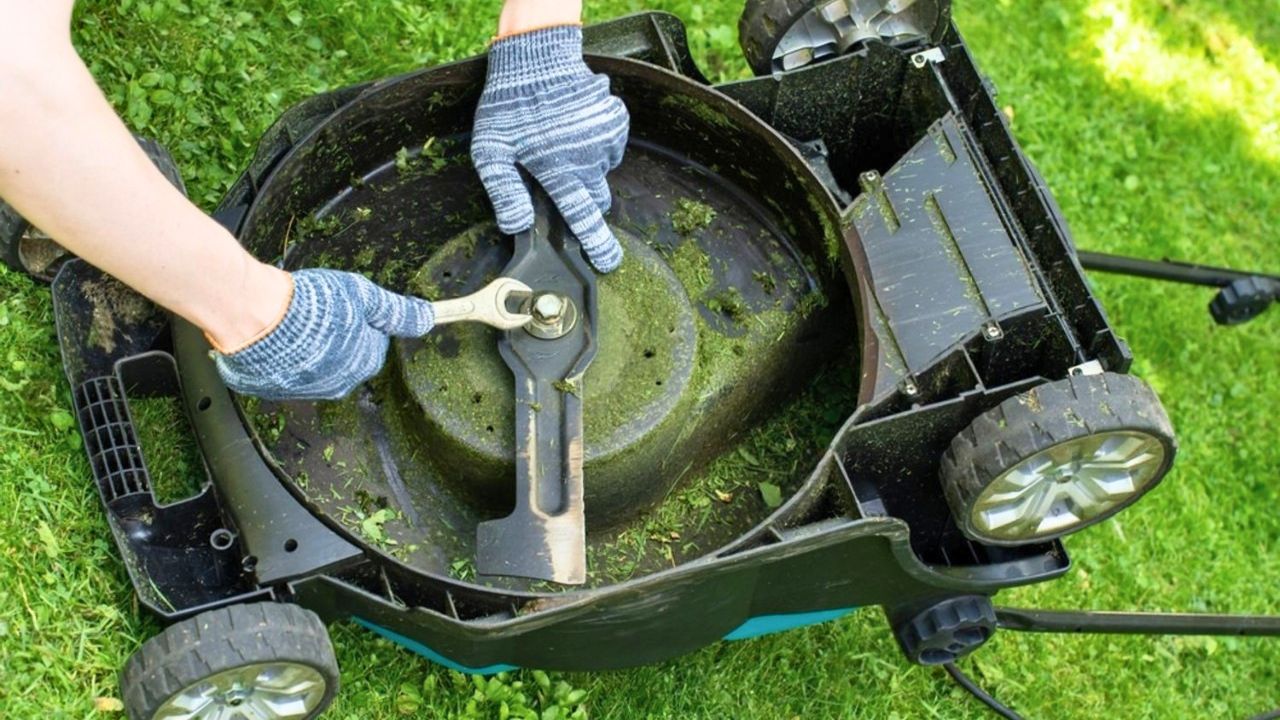
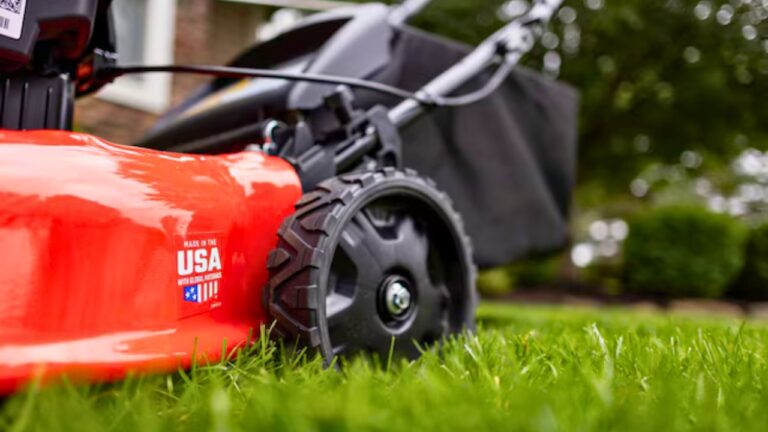
Dull blades don’t “cut” grass, they tear it. That shredded edge turns brown, makes the lawn look dry even when it isn’t, and leaves the plant stressed right when summer heat shows up. You end up watering more and fighting weeds harder, all because the cut is rough.
Sharpen once or twice a season, more if you hit sticks, gravel, or ant hills. Pull the spark plug wire first, tip the mower with the air filter up, and use a file or bench grinder to restore the edge. If the blade is bent or cracked, replace it, don’t try to fix it.
7. Skipping String Trimmer Line Checks
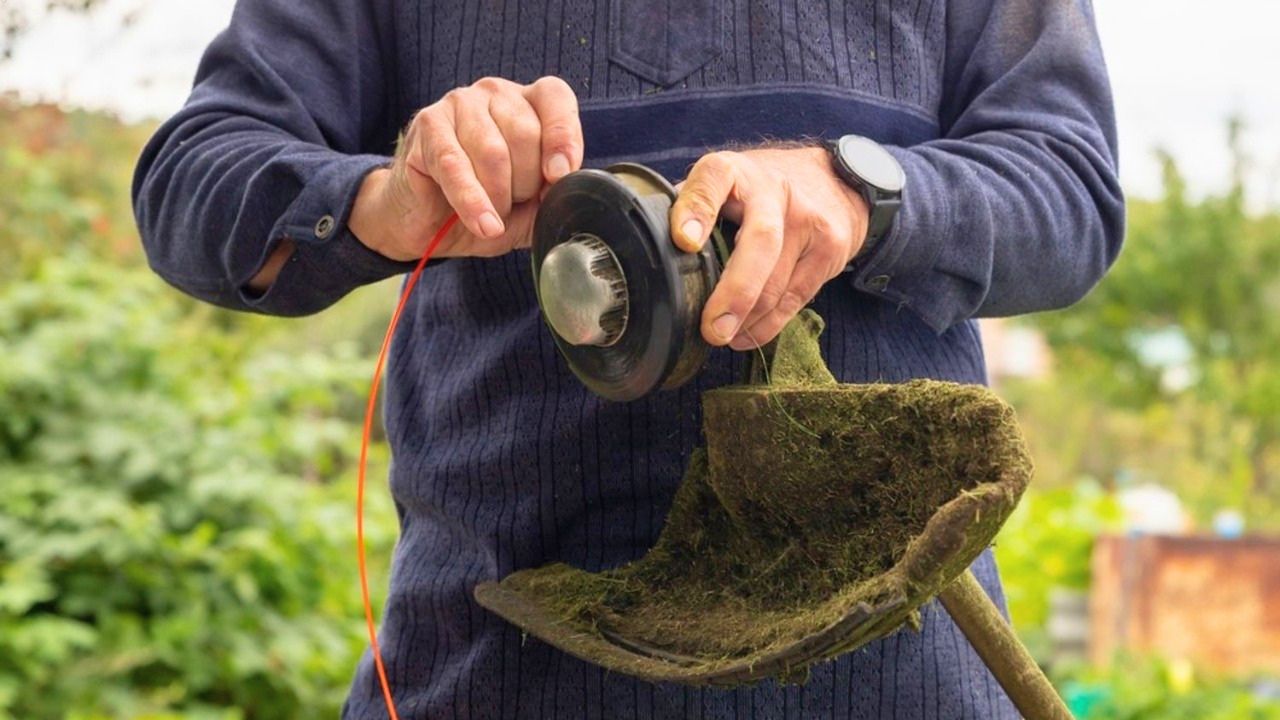
People keep squeezing the trigger and wonder why the trimmer sounds angry and cuts nothing. When the line gets too short, you’re smacking the head against edging and chewing up the bump feed. That turns into a new head, or a new trimmer, over something that costs a few bucks.
Open the head and wind fresh line before it’s down to nubs. Use the size your trimmer calls for, too thick jams and too thin disappears fast.
8. Leaving Sprinklers To “Set And Forget”
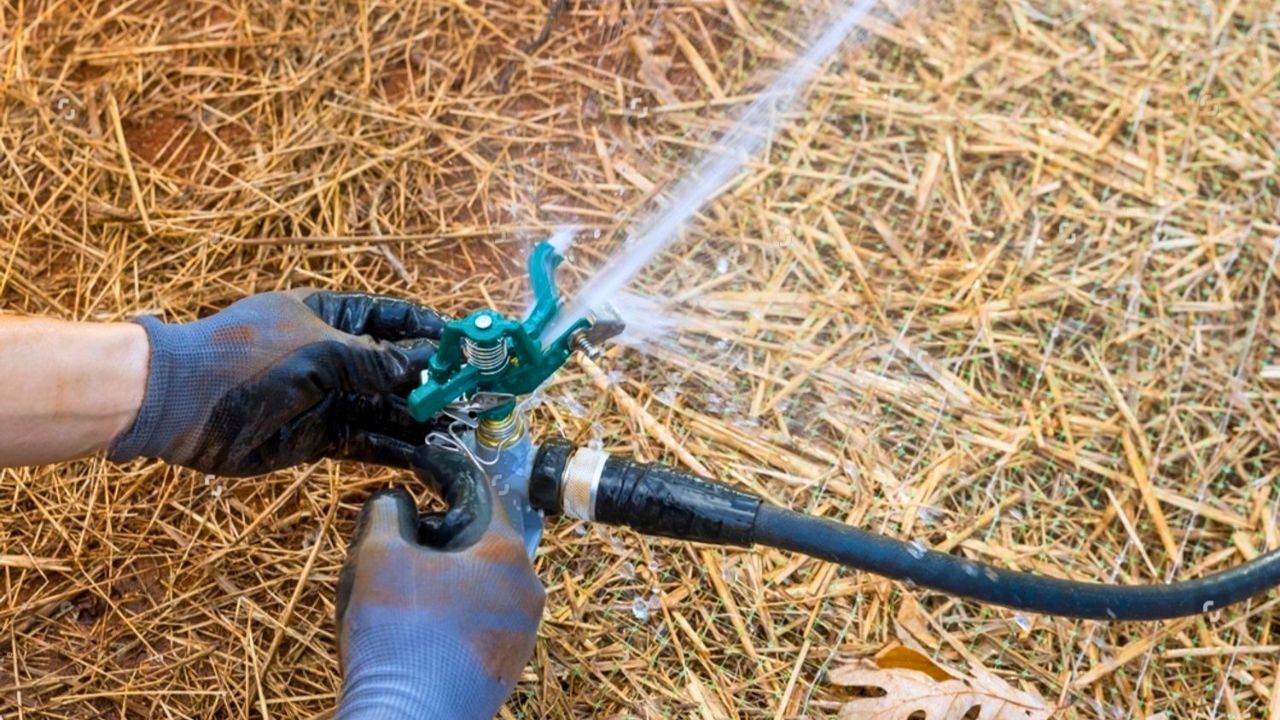
In spring, the system turns on and you stop thinking about it. Meanwhile a head gets knocked sideways by a mower tire and sprays the driveway every morning, or a rotor sticks and floods one corner. You pay for water, then pay again when fungus or dead patches show up.
Walk the zones a couple times each summer with the system running. Straighten or replace damaged heads, clear clogged nozzles, and adjust spray so it stays off siding and windows. If you live where freezes hit, winterizing with compressed air is a licensed irrigation job in many areas, and it’s worth paying for because cracked pipes hide until the first spring bill.
9. Letting Vines Climb Siding And Gutters
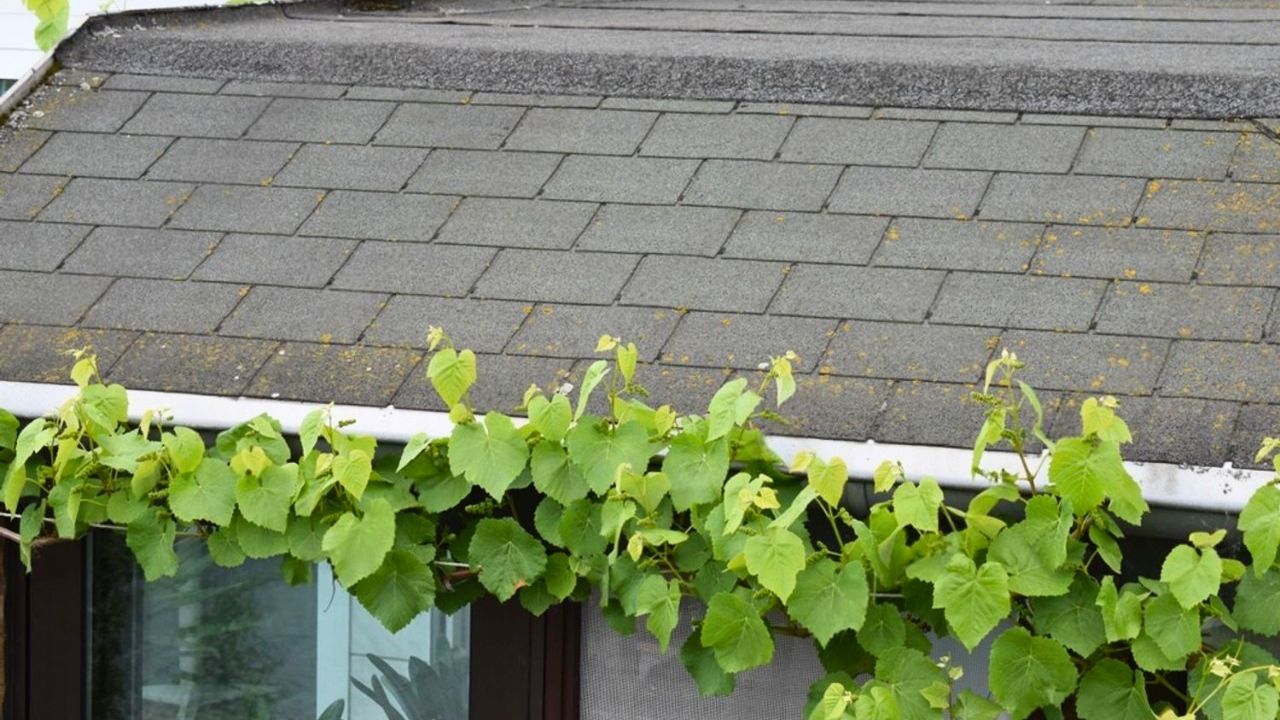
Climbing vines look charming right up until they get under shingles or into soffit vents. They trap moisture against wood, pull at paint, and hide carpenter ants and wasps. When you finally rip them off, you can peel off trim boards with them.
Cut the vine at the base and let the top die before removing it, so you’re not yanking live growth like a rope. Keep a gap between plants and the house, and use a trellis that stands off the wall if you want that look. On masonry, some vines can be fine if the mortar is solid, but on wood siding they’re a steady problem.
10. Piling Firewood Against The House
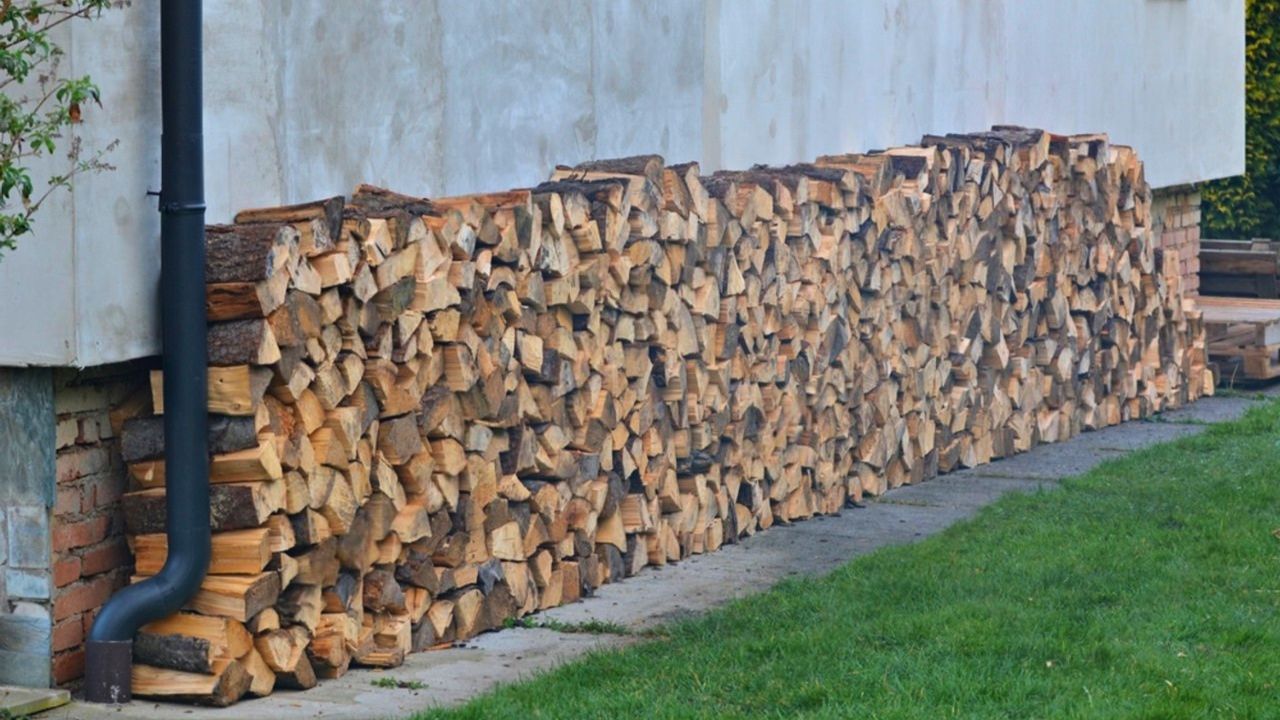
Stacking wood next to the back door feels convenient, especially in fall. It also gives mice a hiding place and brings bugs close to your foundation and rim joist. If the stack blocks airflow, the wood stays damp and burns lousy anyway.
Store firewood off the ground on pallets or runners, and keep it away from the house. Bring in a small rack worth at a time so you still get convenience without turning the siding into a shelter belt. Cover the top if you want, but leave the sides open so it can dry.
11. Driving Over Soft Spots And Sinkholes
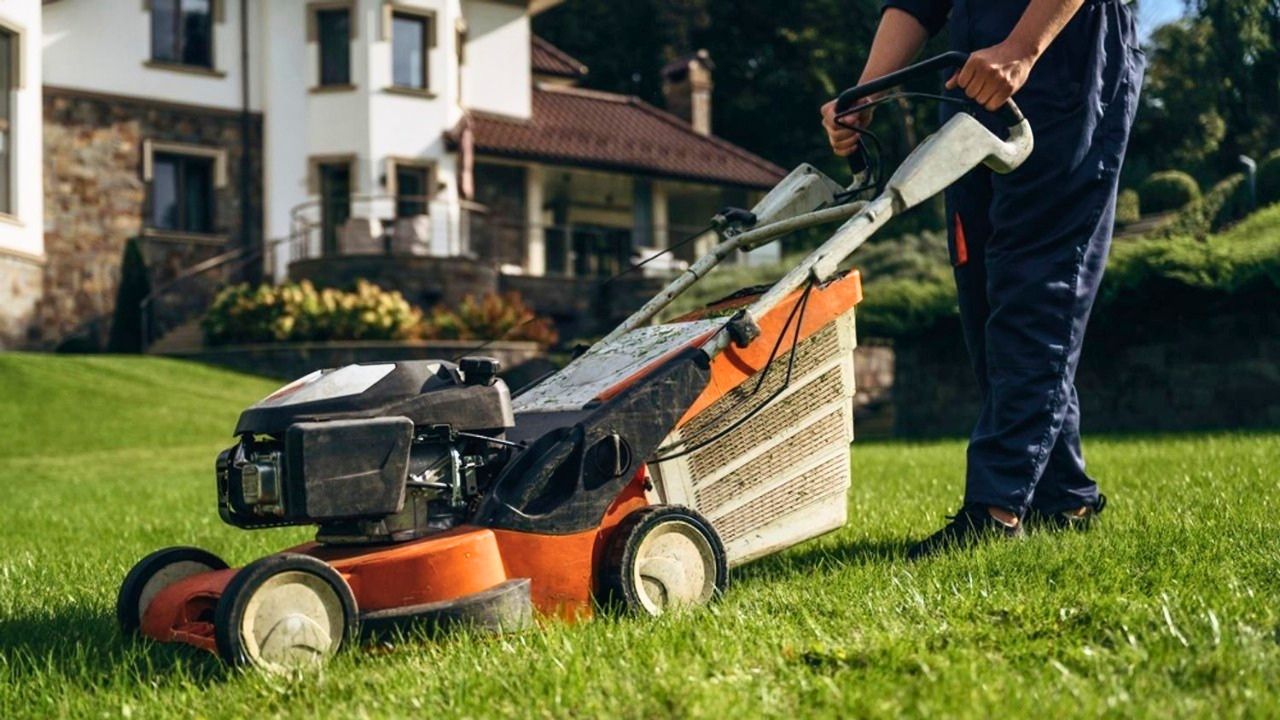
That “squishy” section you keep driving across with the mower is trying to tell you something. Sometimes it’s a downspout problem, sometimes it’s a broken drain line, and sometimes it’s a failing septic component. Keep compacting it and you can crush pipes, rut the yard, and turn a fix into excavation.
Probe gently with a stick and look for standing water after rain. If it’s near the house, start by tracing where roof water and sump discharge go. If it’s over a septic field or near a tank, stop driving over it and call a septic pro, local rules and permits apply and guessing gets expensive fast.
12. Waiting Too Long To Regrade Around The House
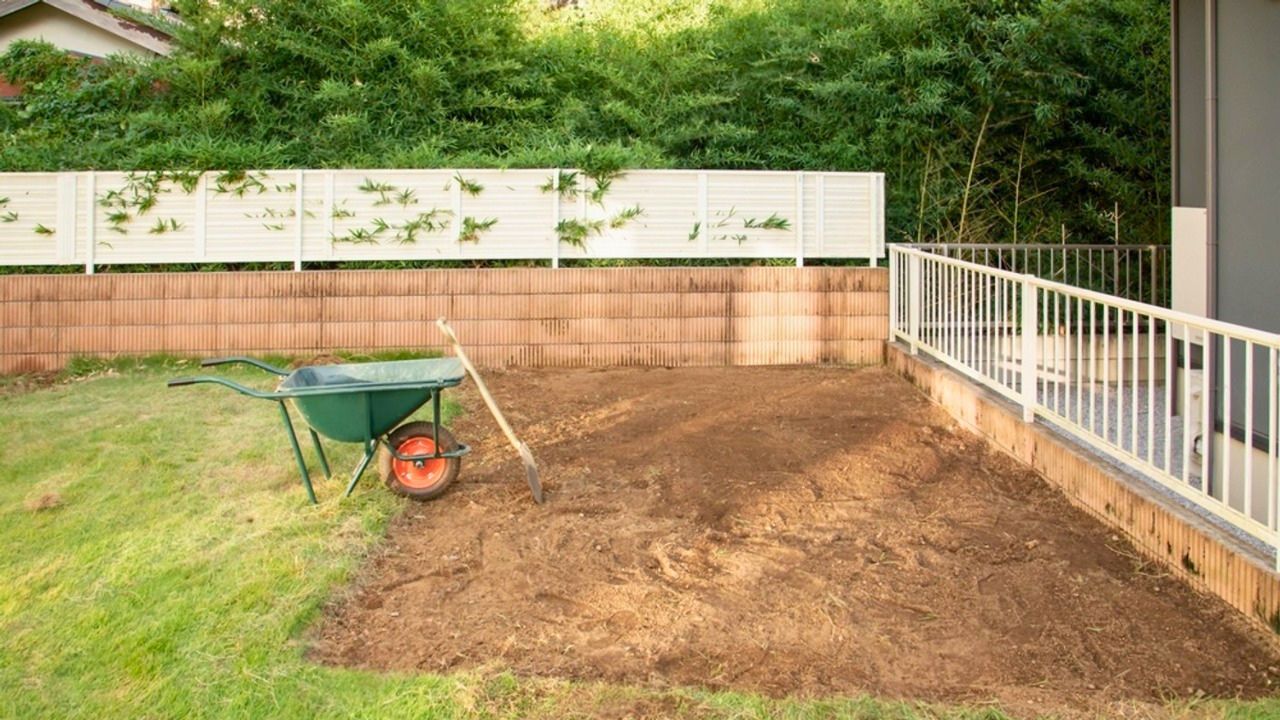
Many yards settle over time, especially after construction, and the soil ends up sloping toward the foundation. You don’t notice until a hard rain, when water hugs the wall and puddles along the basement line. Then you’re pricing interior waterproofing when the real problem is outside.
Add soil so the ground falls away from the house for several feet, and keep the finished grade below siding and any wood trim. Clay-heavy fill sheds water better than fluffy topsoil, and it compacts, so build it up in lifts and tamp it down. Don’t bury vents, and don’t cover access points you’ll need later.
Pick one job that protects the house first, water and wood don’t forgive delays. Put the next one on the calendar with a season attached, like “after leaf drop” or “before the first freeze,” and it gets done. Most of these fixes take an hour and a couple tools, and they spare you the big ugly weekend later.
Like Fix It Homestead’s content? Be sure to follow us.
- Man Says He Found Out the Fence He Paid For Wasn’t Actually on His Property
- Woman Says Her Neighbor Started Taking Mulch From Her Delivery Pile Before She Could Even Spread It
- I made Joanna Gaines’s Friendsgiving casserole and here is what I would keep
- What Caliber Works Best for Groundhogs, Armadillos, and Other Digging Pests?