10 Kitchen Habits That Wear Out Appliances Early
Photo credit: Barmaleeva/Shutterstock.com
Most appliances don’t die young from bad luck. They wear out because of small, repeated habits that feel harmless in the moment, like a quick rinse in the wrong place or one more overloaded run to “save time.” Fix a few of these and you’ll get quieter motors, fewer leaks, and a lot less surprise shopping.
1. Overloading the Dishwasher Every Night
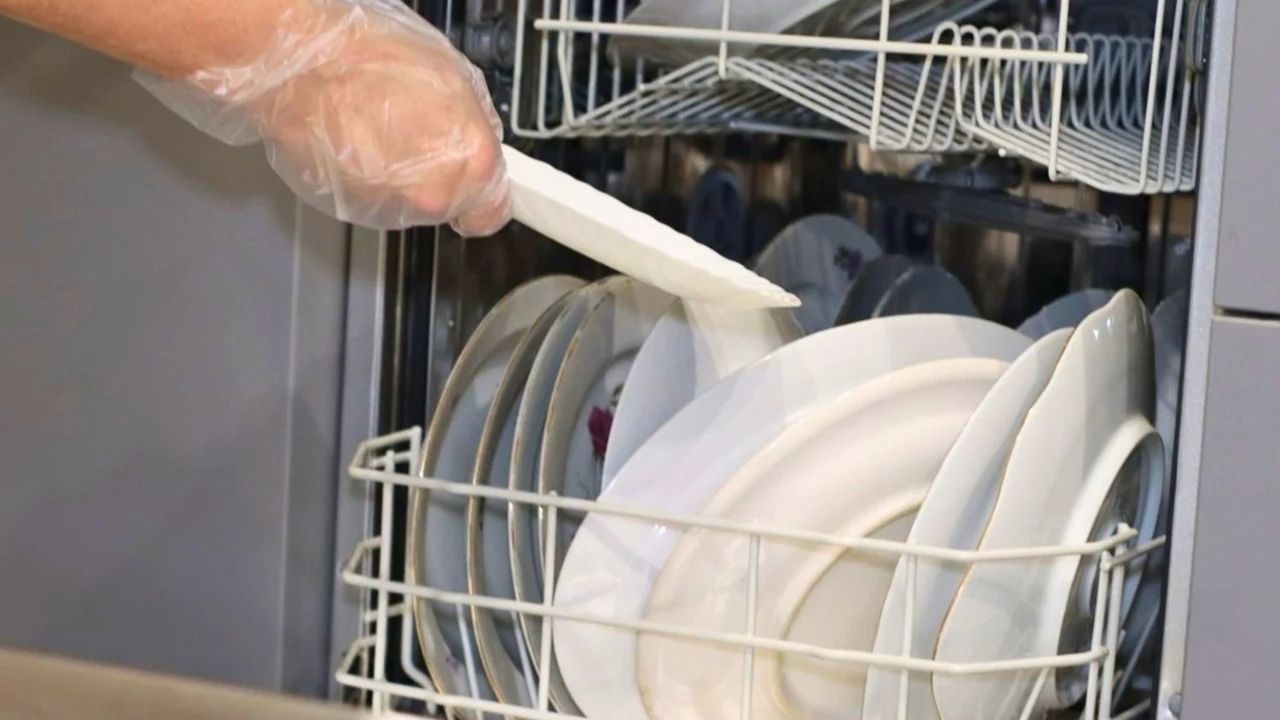
Piling it full feels efficient, until the wash arms start thumping and the pump sounds like it’s chewing gravel. Overloading blocks spray, makes the motor work harder, and leaves grit in the sump that turns into a steady grind. You’ll also start seeing cloudy glasses and food stuck on the top rack because the water can’t reach.
Leave a finger’s width between plates and don’t “roof” bowls over the bottom rack. Point the dirty side toward the spray, and keep tall sheets like cutting boards off the back where they can stop the upper arm. Once a week, pull the filter and rinse it in the sink, that two-minute habit saves a lot of pump wear.
2. Running the Garbage Disposal Like a Trash Can
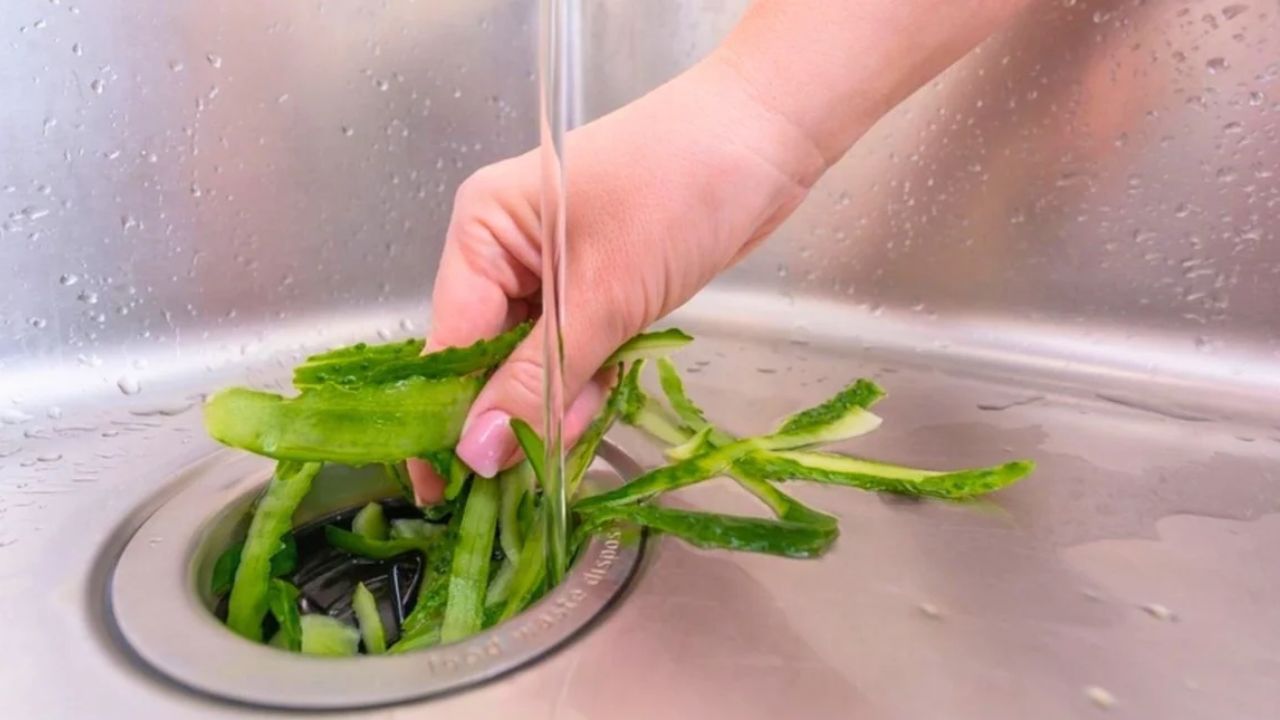
The disposal is for scraps, not for clearing whole plates. Fibrous stuff like celery, onion skins, and corn husks can wrap the impeller and make it hum without spinning. Grease and starchy foods turn into paste that coats the inside and starts a stink you can’t scrub away.
Scrape into the trash or compost first, then run cold water and feed small bits at a time. Let it run a few seconds after the sound clears so the line gets flushed, not just the chamber. If it jams often or trips the reset, stop forcing it and pull the power at the outlet before using an Allen wrench in the bottom port.
3. Letting Grease Go Down the Drain
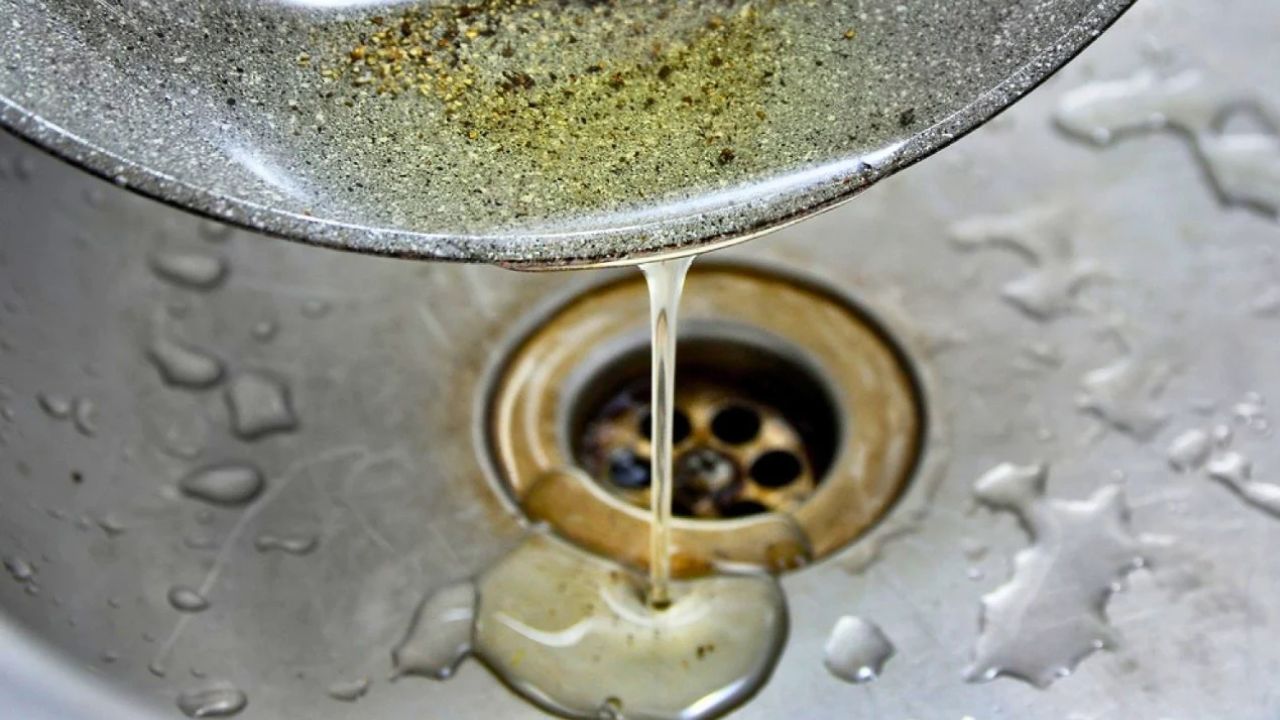
Hot bacon fat looks gone when it hits warm water, then it cools in the pipe and turns into a sticky choke point. That backpressure makes a dishwasher drain struggle and can push dirty water into the sink, which is hard on seals and check valves. If you’ve ever heard gurgling after a load, the plumbing is already telling you something.
Pour grease into a can, let it cool, and toss it. For small amounts, wipe the pan with a paper towel before washing. If the drain is already slow, a simple trap cleanout under the sink is often enough, but if the clog is in the wall, it’s time for a plumber with a proper snake.
4. Slamming Microwave and Oven Doors
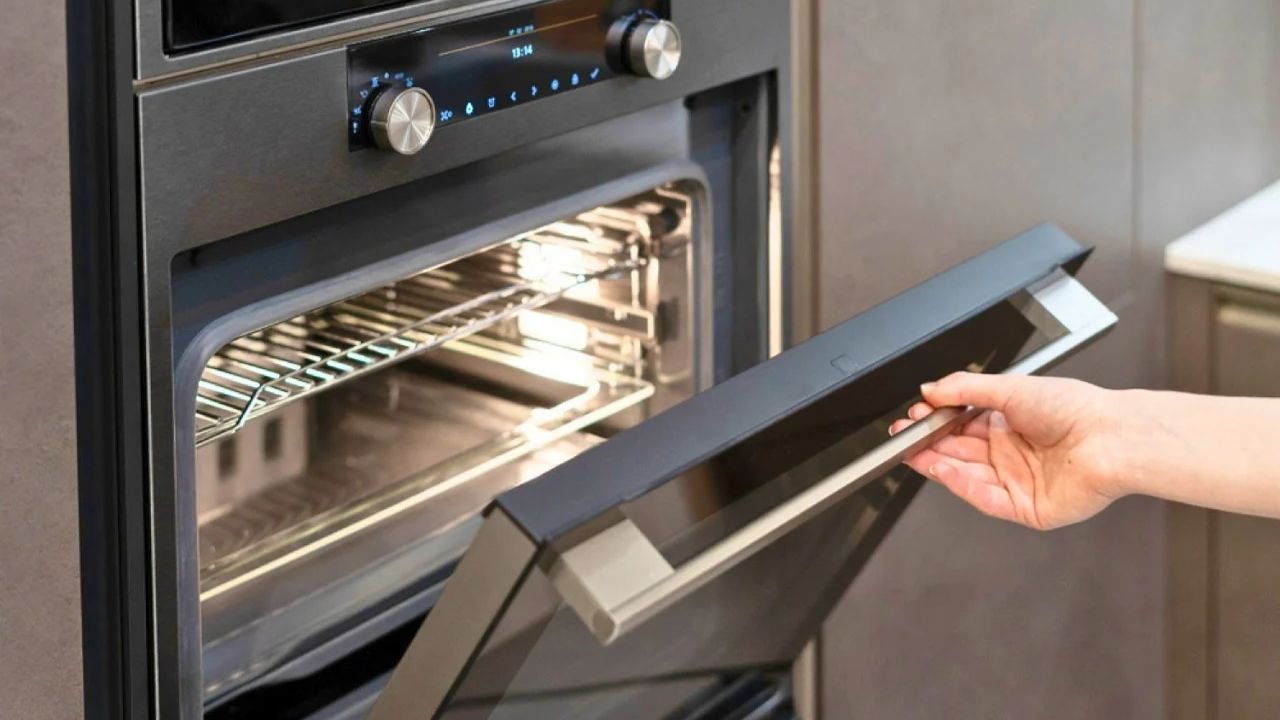
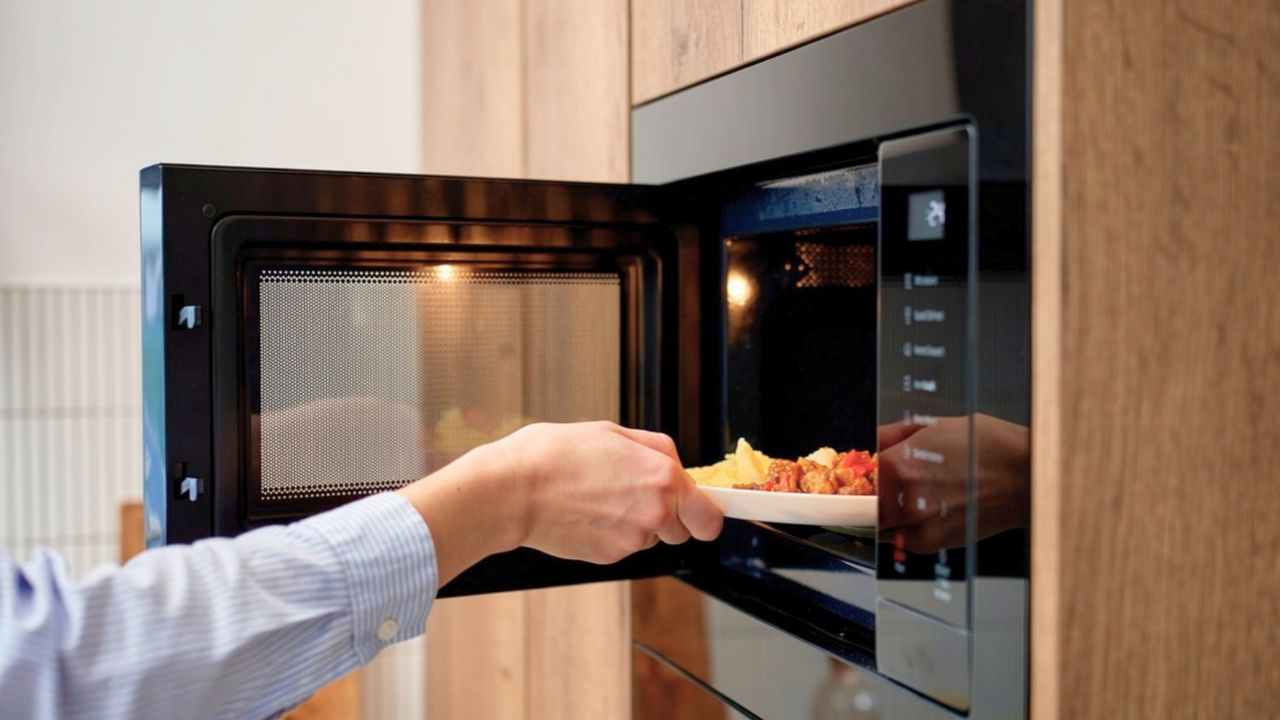
That quick hip check on the microwave door feels satisfying, then the latch loosens and the door starts needing a “second push” to run. On microwaves, a sloppy door fit can lead to worn switches and a unit that won’t start, or won’t stop. On ovens, repeated slams beat up hinges and can crack the glass over time.
Close doors with your hand, not your shoulder. If a door is already sagging, check for loose screws first. Hinge replacement is usually doable with basic tools, but if the inner glass is cracked, treat it like a real repair, unplug the appliance, and replace the glass or call a service shop.
5. Baking With Foil Blocking Oven Airflow
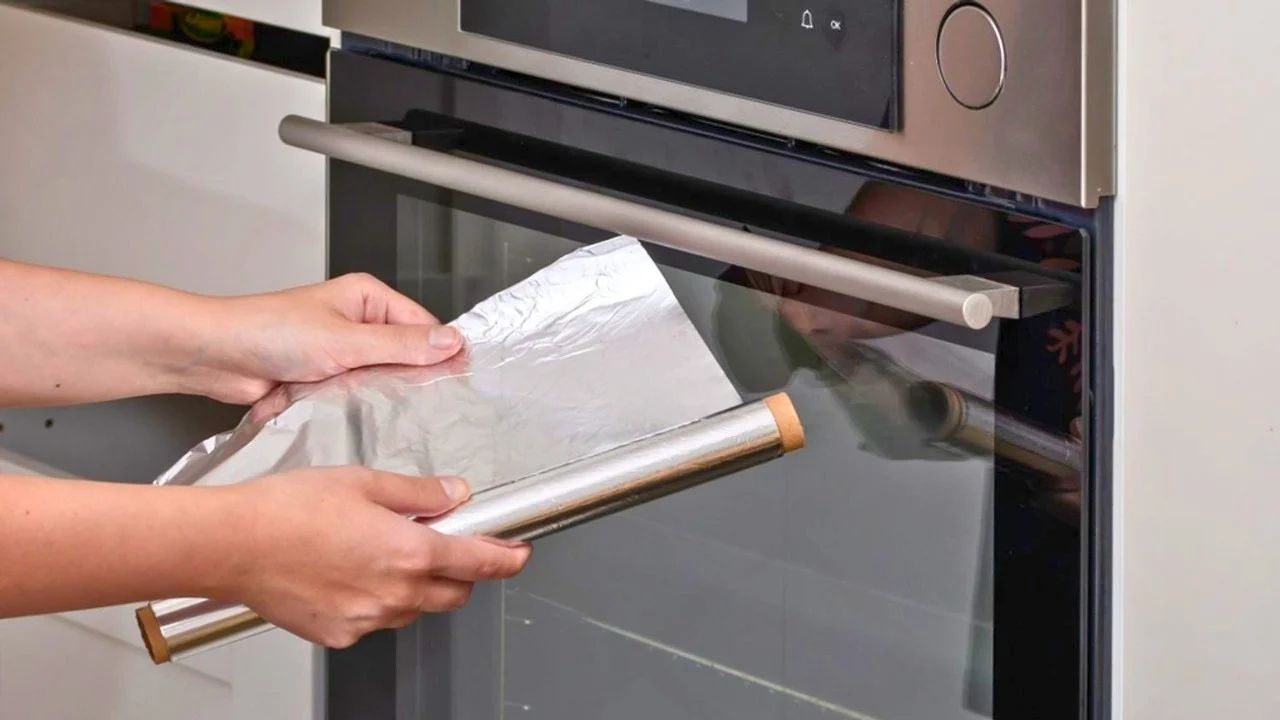
Lining the bottom of the oven with foil is a common “easy cleanup” move, and it’s rough on the appliance. Foil can reflect heat back into the floor, mess with temperature sensors, and restrict airflow, which makes elements cycle harder. In some ovens it also traps moisture and speeds up corrosion around seams.
Use a sheet pan on a lower rack to catch drips instead, or a manufacturer-approved liner that sits where it belongs. There’s one honest exception, foil on a pan is fine, and it can be a cheap way to keep baked-on sugar off your cookware. Just keep it out of the oven’s vents and off the oven floor unless the manual says otherwise.
6. Ignoring Refrigerator Coils and Air Gaps
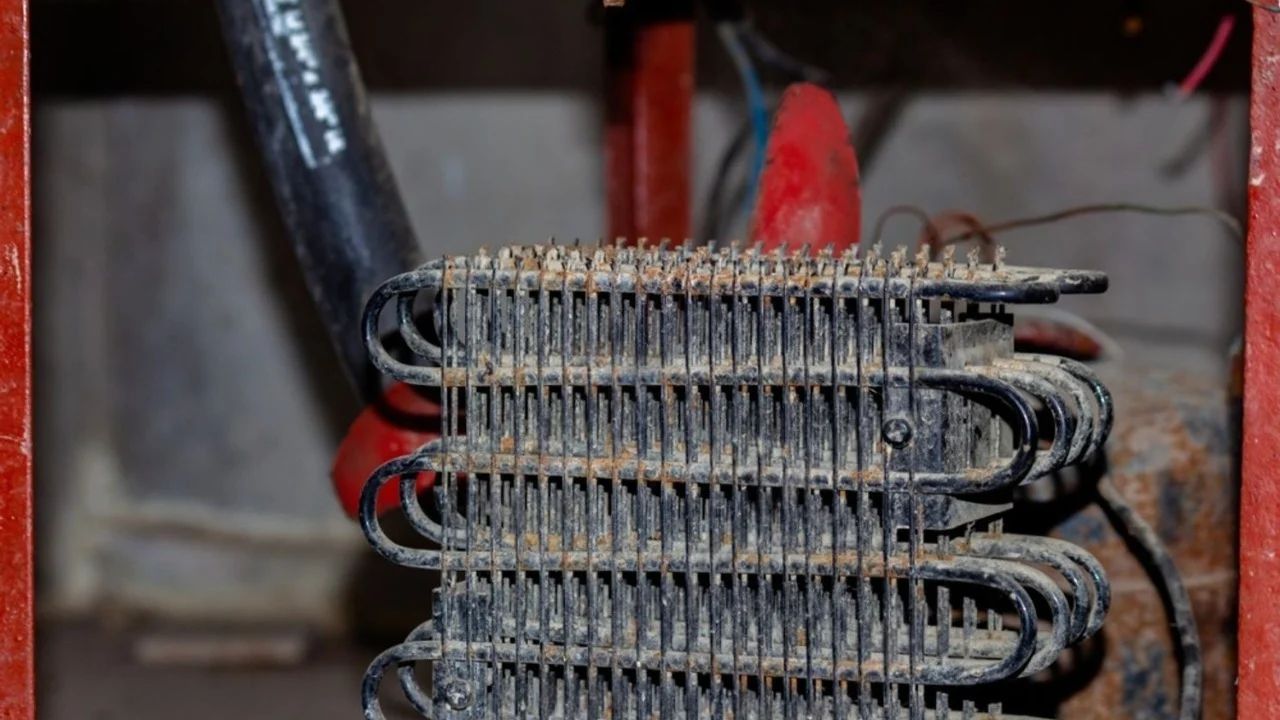
When the fridge runs longer and longer, it’s usually fighting dirt. Dusty coils and a blocked toe kick make the compressor run hot, and that shortens its life in a way you can hear. The unit starts with a louder buzz, then the back feels warm, then you’re tossing milk.
Twice a year, pull it out and vacuum the coils and the area around the compressor, a crevice tool and a coil brush work well. Keep a couple inches of breathing room behind and above if the design needs it, and don’t pack the top vent area inside the fridge with leftovers. If the condenser fan is squealing, replace it sooner rather than later, a failing fan cooks compressors.
7. Packing a Fridge Too Full in Summer

It shows up in July, right when garden harvest hits and coolers are full. Stuffing every shelf blocks cold air return paths, so the fridge compartment warms while the freezer goes rock hard. That makes the compressor run longer and it can ice up the evaporator, leading to poor cooling and a wet floor when it finally thaws.
Leave space around the back wall vents and don’t stack food tight against them. If you need overflow cold storage, use a cooler with ice for a day, or add a dedicated chest freezer if you’re doing bulk meat and canning season every year. A crammed fridge costs more to run and wears out faster, both.
8. Using a Dull Blender or Food Processor

When blades get dull, you press harder and run longer. That extra load heats the motor, and the smell is the warning sign, hot plastic and warm electronics. You also end up with leaking bowls because people twist and force parts that weren’t meant to be muscle-tested.
Sharpen or replace blades when the cut quality drops, and don’t ignore cracked gaskets. For thick jobs like nut butter or heavy dough, a stand mixer or a heavy-duty processor is the right tool, not a small blender screaming at max speed. If the housing gets hot enough you don’t want to touch it, stop and let it cool.
9. Spinning the Stand Mixer on High
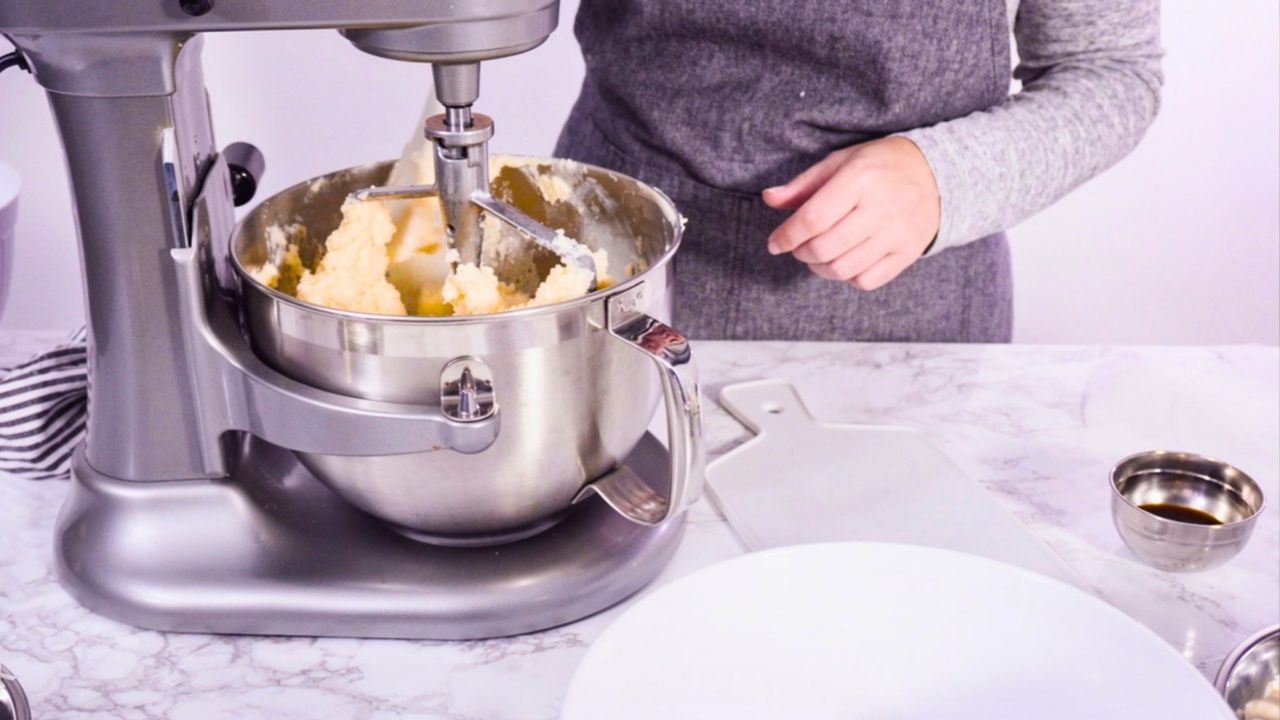
High speed looks productive, but it beats up gears and makes the head wobble. The sound changes from a smooth whir to a clack or chatter, and that’s wear you can’t un-wear. Thick cookie dough and bread dough are the usual culprits, especially when the bowl is overfilled.
Use low speeds for heavy mixes, and scrape down the bowl instead of cranking it up. Check that the beater clearance is set right so it doesn’t strike the bowl, that adjustment takes a screwdriver and a minute. If you see oil leaking from the gear case, stop using it and get it serviced, gear grease on food is a hard no.
10. Skipping Small Leaks Under the Sink
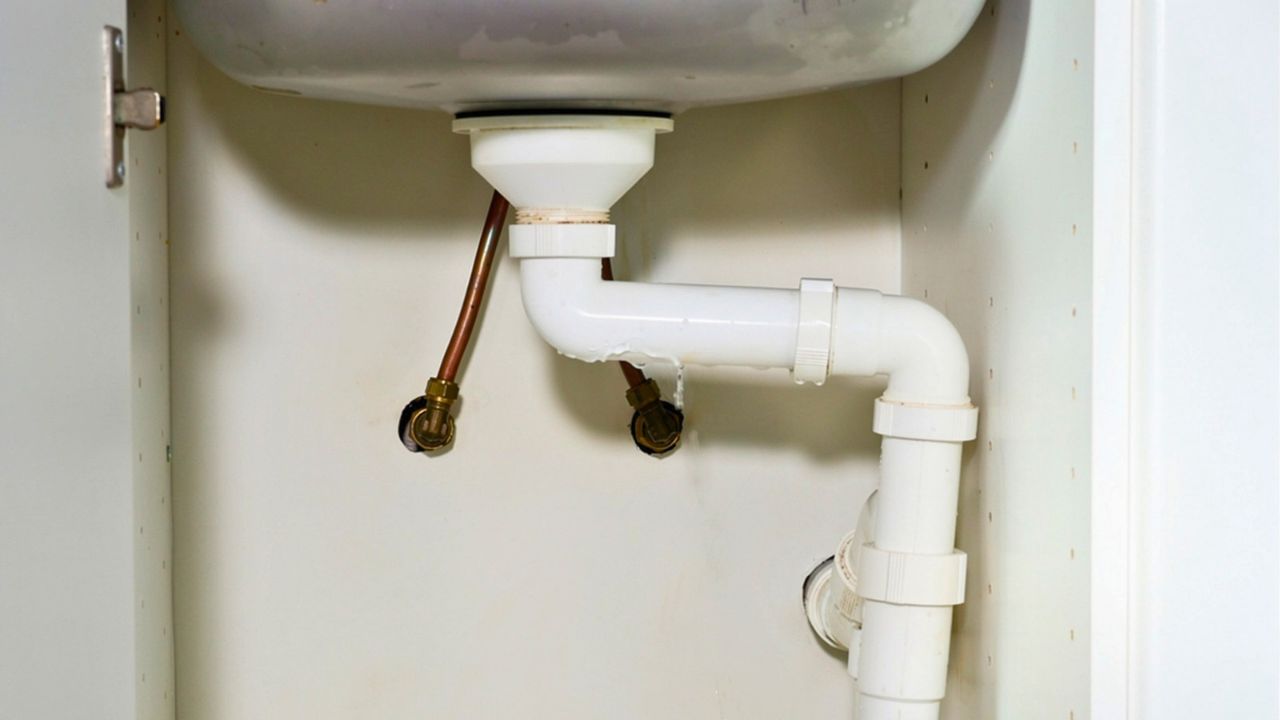
A slow drip doesn’t just rot the cabinet, it messes with appliances nearby. Dishwashers hate damp electrical connections and swollen flooring, and disposal mounts loosen when the sink base gets punky. You also get ants and that sour smell that never quite leaves.
Put a paper towel under the trap and supply valves once in a while and check it after an hour. Tighten slip nuts by hand first, then a small turn with channel-locks, don’t crush plastic fittings. If the shutoff valves won’t close or the supply lines look corroded, a plumber is worth paying for.
A kitchen runs smoother when you treat appliances like working tools, not magic boxes. A few minutes of space, cleaning, and the right load will usually buy you years. And when something starts sounding different, listen, that’s the cheapest warning you’re going to get.
Like Fix It Homestead’s content? Be sure to follow us.
- Man Says He Found Out the Fence He Paid For Wasn’t Actually on His Property
- Woman Says Her Neighbor Started Taking Mulch From Her Delivery Pile Before She Could Even Spread It
- I made Joanna Gaines’s Friendsgiving casserole and here is what I would keep
- What Caliber Works Best for Groundhogs, Armadillos, and Other Digging Pests?