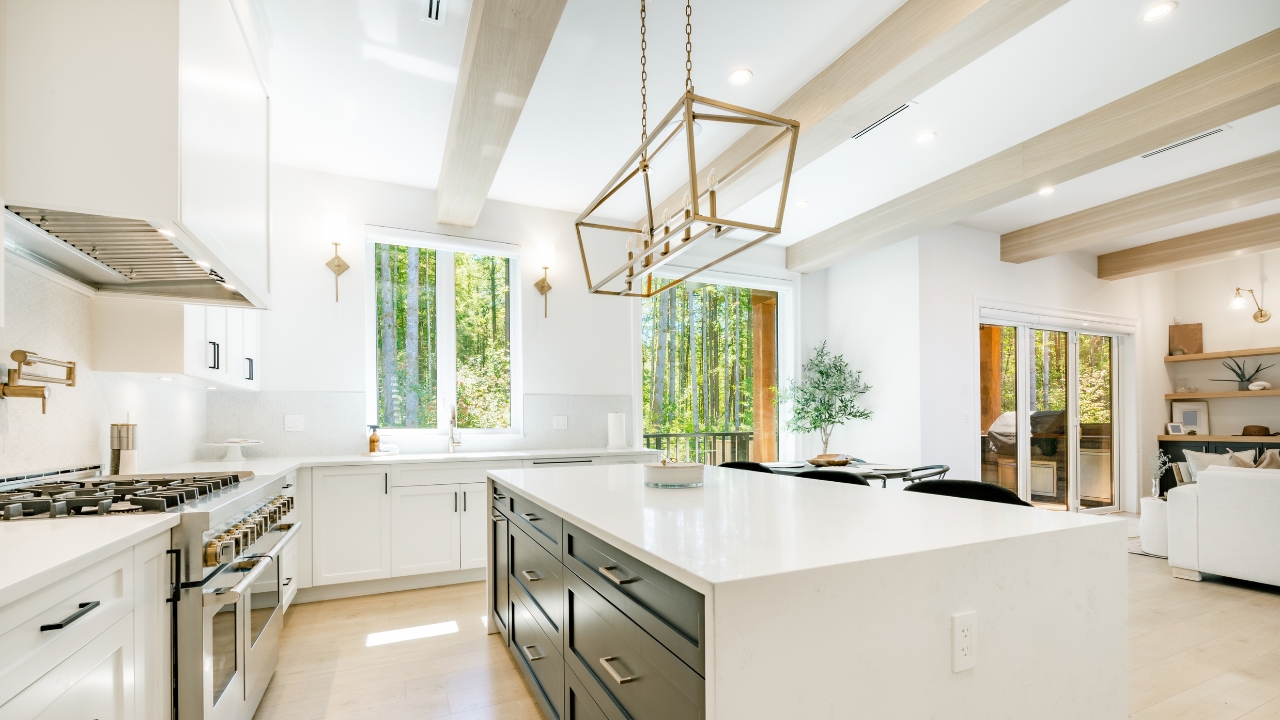
10 Lighting Choices That Make a Room Feel Expensive
Photo credit: Sheila Say/Shutterstock.com
You can spend real money on furniture and paint and still end up with a place that feels flat. Most of the time, the problem is light, where it lands, how harsh it is, and how “finished” the fixtures look up close. Fix the lighting and the room starts reading like a higher-end space, even if the rest of your upgrades are slow and steady.
1. Layered Light, Not One Ceiling Fixture
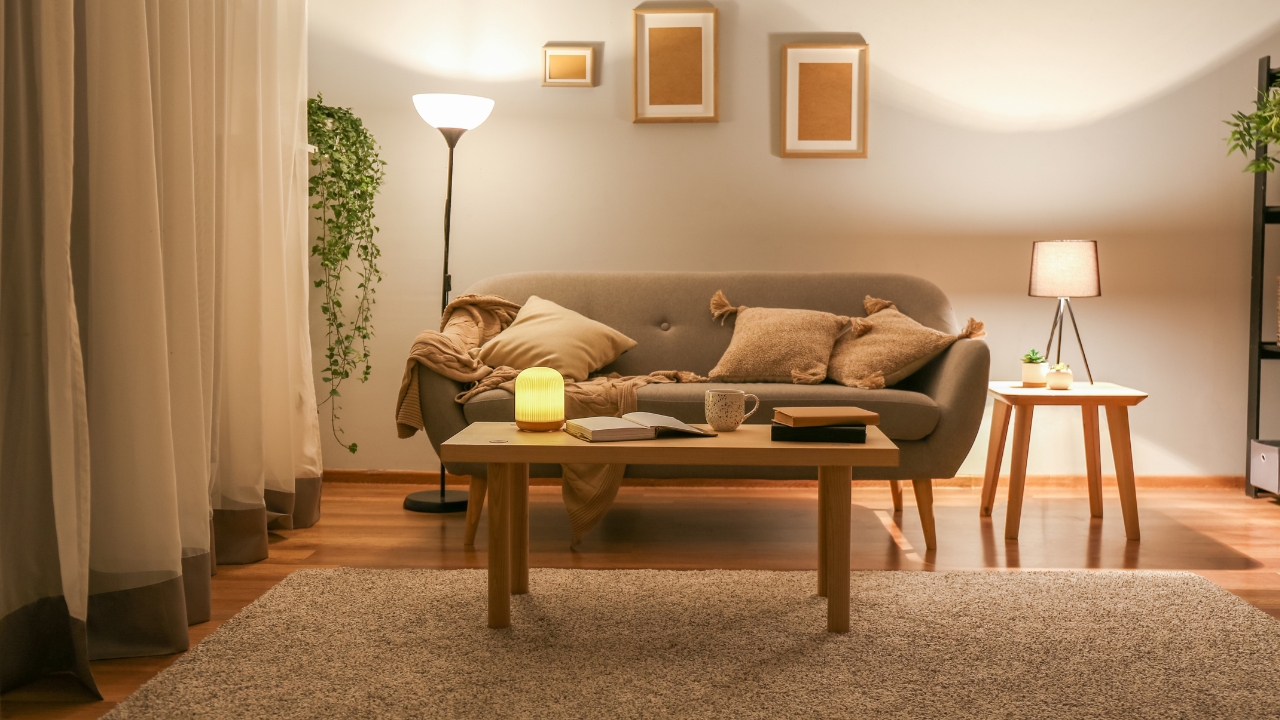
The single overhead “boob light” or one central flush mount makes a room look like a rental, even if it isn’t. It throws hard shadows, highlights every wall flaw, and leaves corners dead. You end up cranking brightness to compensate, and then it feels like a waiting room.
Give the room at least two more light sources at different heights: a floor lamp near seating, a table lamp on a sideboard, or wall sconces if you can wire for them. Put them on separate switches or smart plugs so you can run low light in the evening and brighter task light when you’re working. This is one of the cheapest “expensive” looks you can buy because you’re changing the feel, not the square footage.
2. Warm Dimming That Doesn’t Flicker
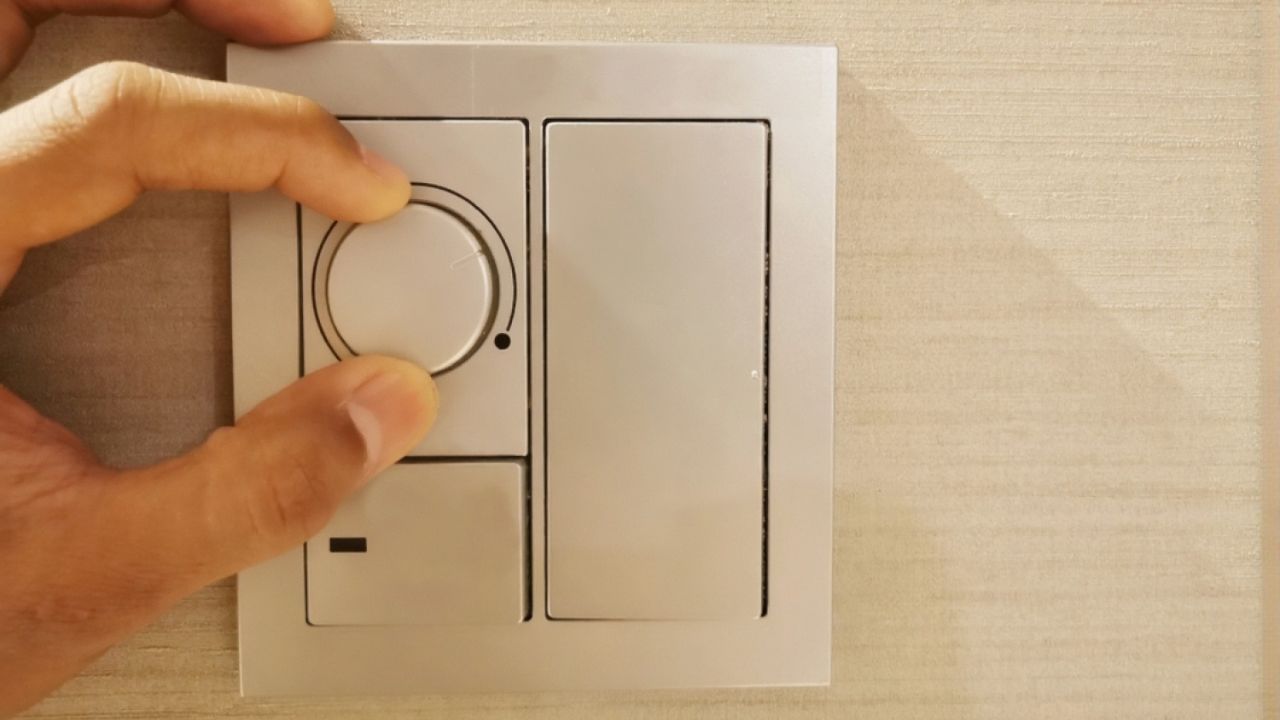
Cheap LEDs that flicker or buzz on a dimmer scream “budget,” even when the fixture is nice. You notice it more at night, or when the room is quiet and you hear that faint hum. Bad dimming also makes skin tones look gray and food look tired.
Match bulbs to the dimmer, and match the dimmer to LED loads. If you’re replacing a wall dimmer, make sure it’s rated for LED and sized right, and if you’re not comfortable working in a switch box, hire a licensed electrician. For color, stick to warm white in living spaces, and pick bulbs labeled “warm dim” if you want that cozy glow as you dim down.
3. Oversized Pendant Over The Right Spot
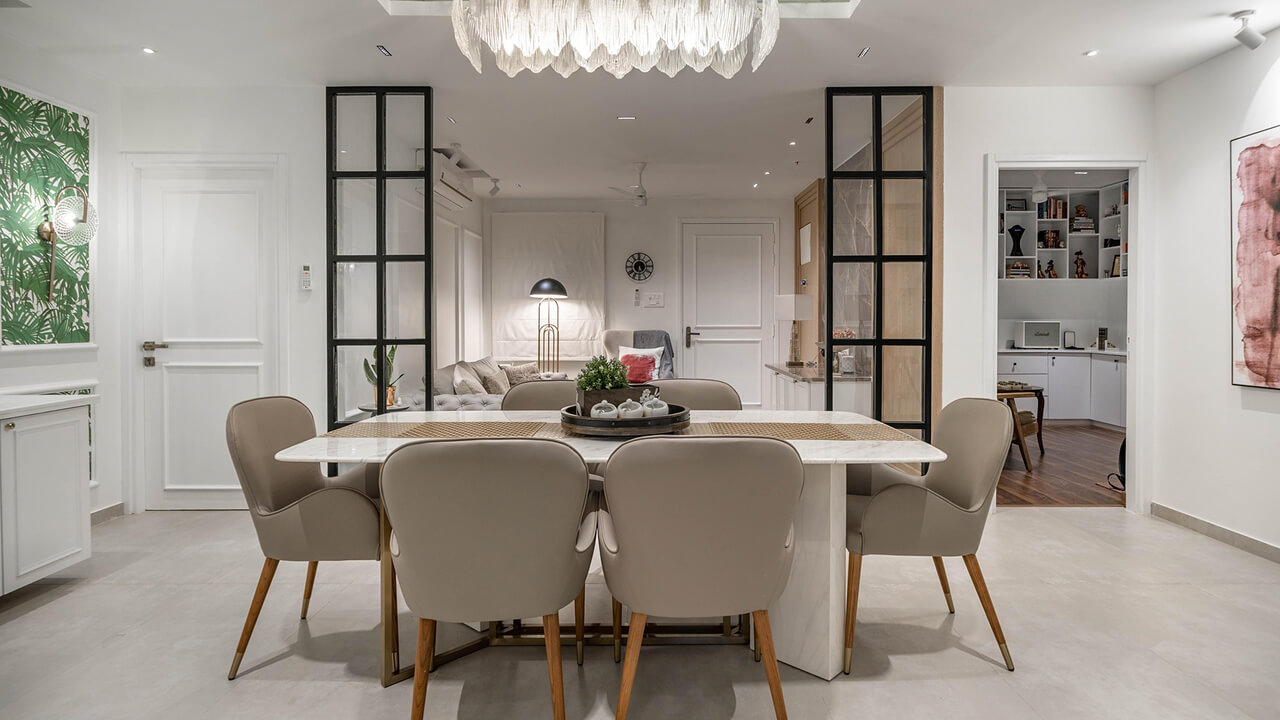
A too-small pendant looks like it got lost on the way to another room. That’s especially true over a dining table or a kitchen island, where scale is half the design. A fixture with some presence makes the whole room feel planned.
Hang it over an anchor, not random open space. Center it over the table, or over the island run, and make sure it’s low enough to feel intentional but high enough that nobody gets a glare in their eyes. If you’re moving a junction box or adding a new one, that’s often permit territory, and it’s worth paying a pro so it’s solid and code-correct.
4. Real Lampshades, Not Bare Bulbs
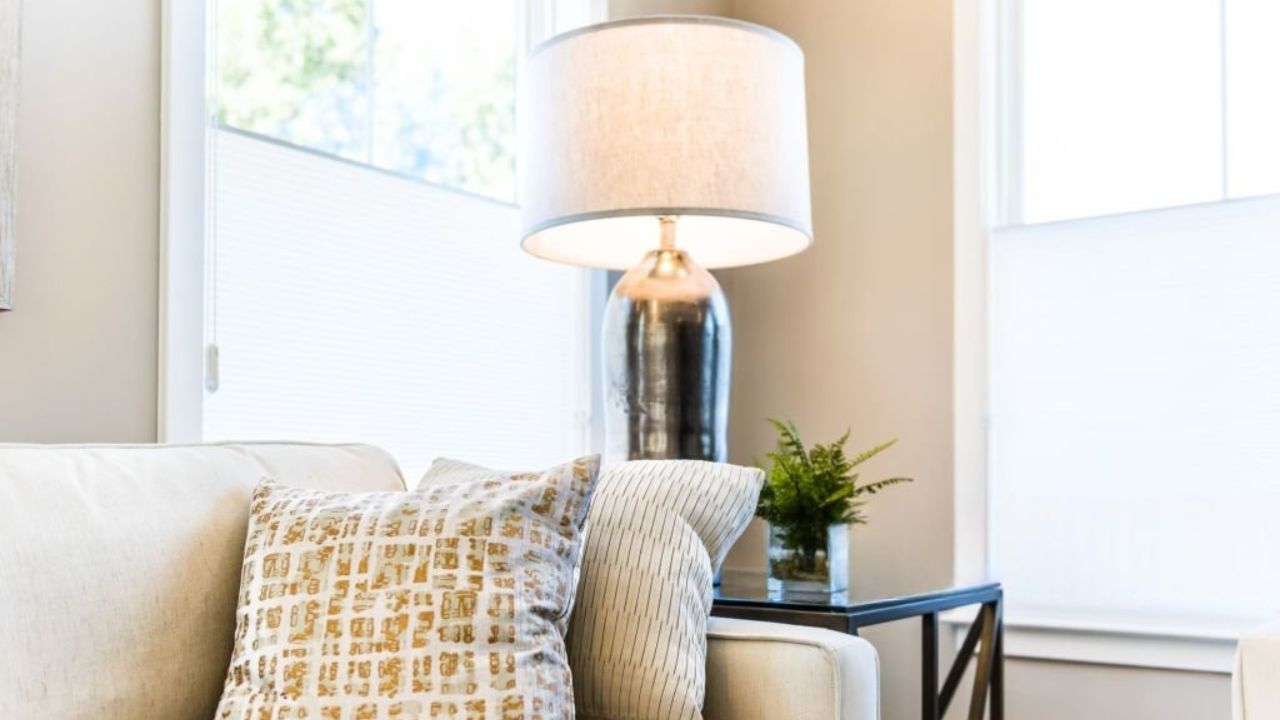
Exposed bulbs are trendy until you live with them. They blast glare, they show dust, and they make every evening feel like a workshop. Even “decorative” Edison bulbs look cheap once they’re the only thing lighting the room.
Put a shade, globe, or diffuser between your eyes and the filament. Linen, paper, and glass all soften light in a way that reads calm and finished. The exception is true task lighting, like over a workbench or in a laundry room, where bare bulbs behind a guard can be fine because function wins.
5. Under-Cabinet Light With A Clean Edge
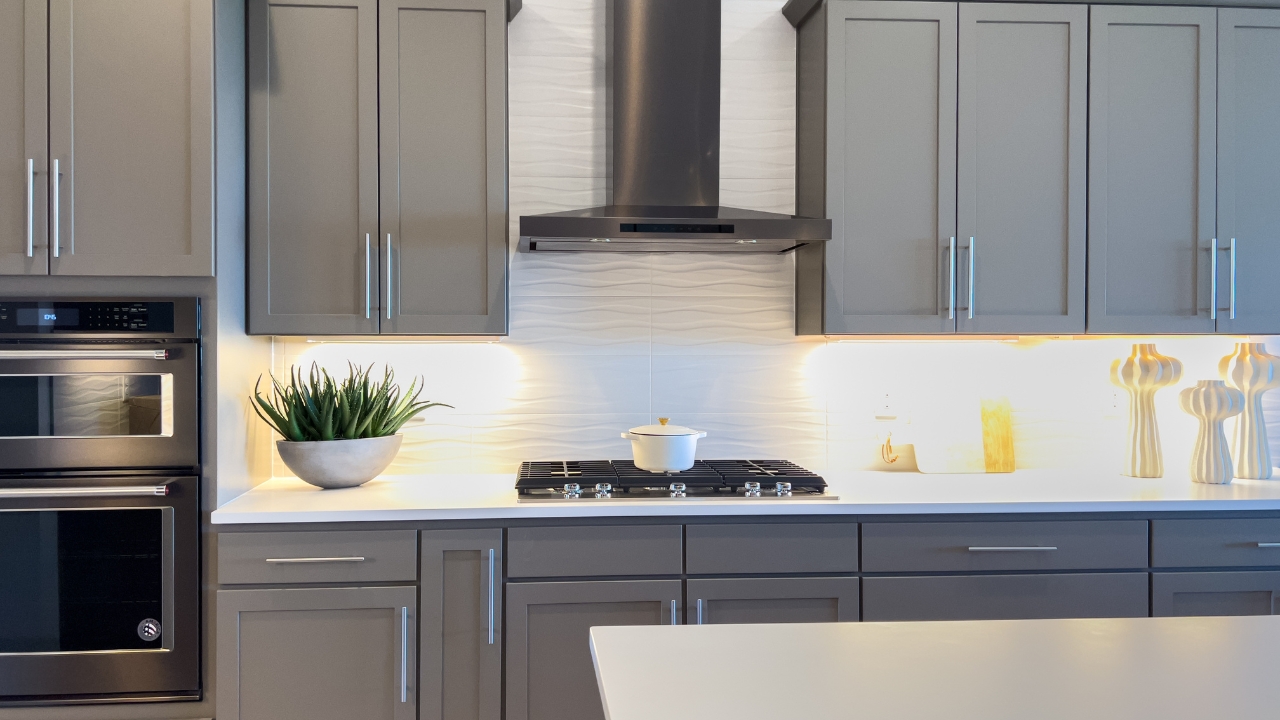
Kitchen lighting is where a house either looks cared for or cobbled together. One ceiling fixture makes counters dark, and people start adding clip-on lights or random puck lights that show cords and sticky tape.
Use under-cabinet lighting that hides the source and throws light forward onto the counter. Hardwired is the cleanest look, but plug-in strips can still look sharp if you route the cord tight to the cabinet back and use paintable cord covers. If you’re hardwiring inside cabinets, shut off the circuit and follow local code, and if the wiring looks like a mystery, call an electrician.
6. High Color Rendering For True Colors
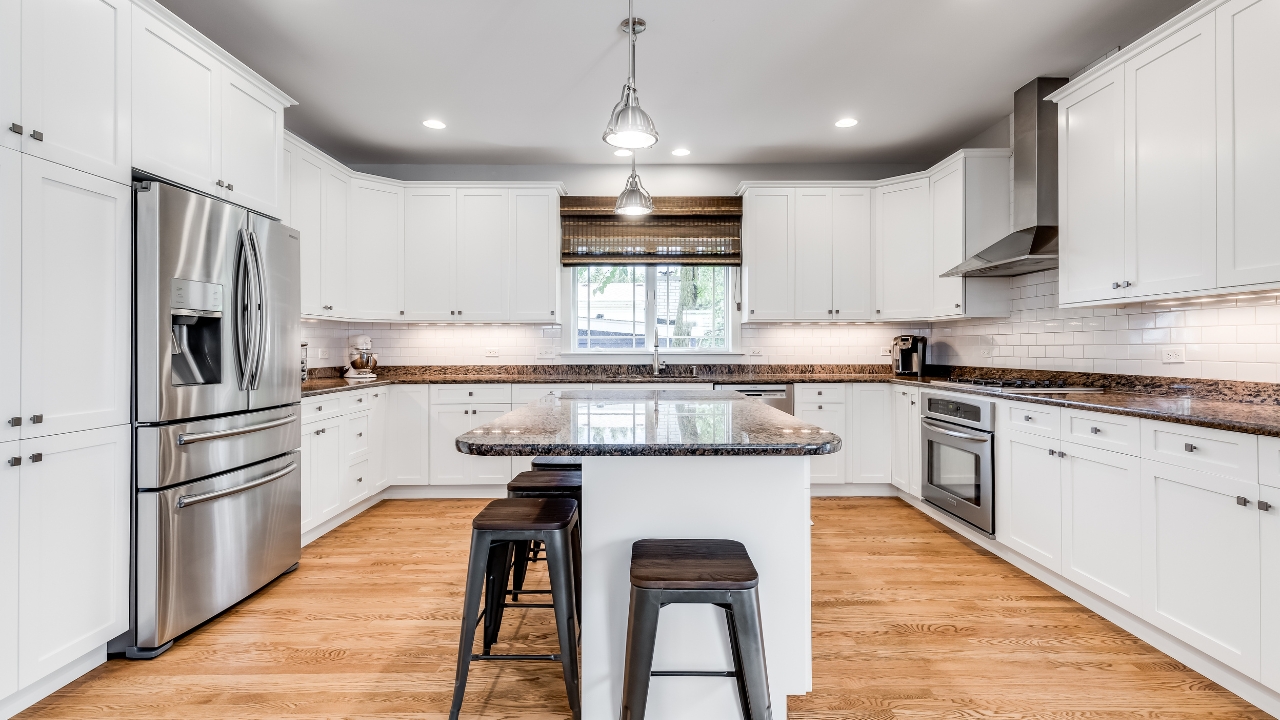
Ever paint a wall, love it in daylight, then hate it at night? Low-quality light distorts color. It makes wood look muddy, whites look blue, and art look dull, and the room starts feeling off even if you can’t name why.
Look for bulbs with high CRI, usually printed on the box. Put the best bulbs where you care about appearance, like living rooms, kitchens, and bathrooms. Utility spaces can get the basic bulbs without hurting the vibe of the whole house.
7. Picture Lights Or Aimed Spots On Art
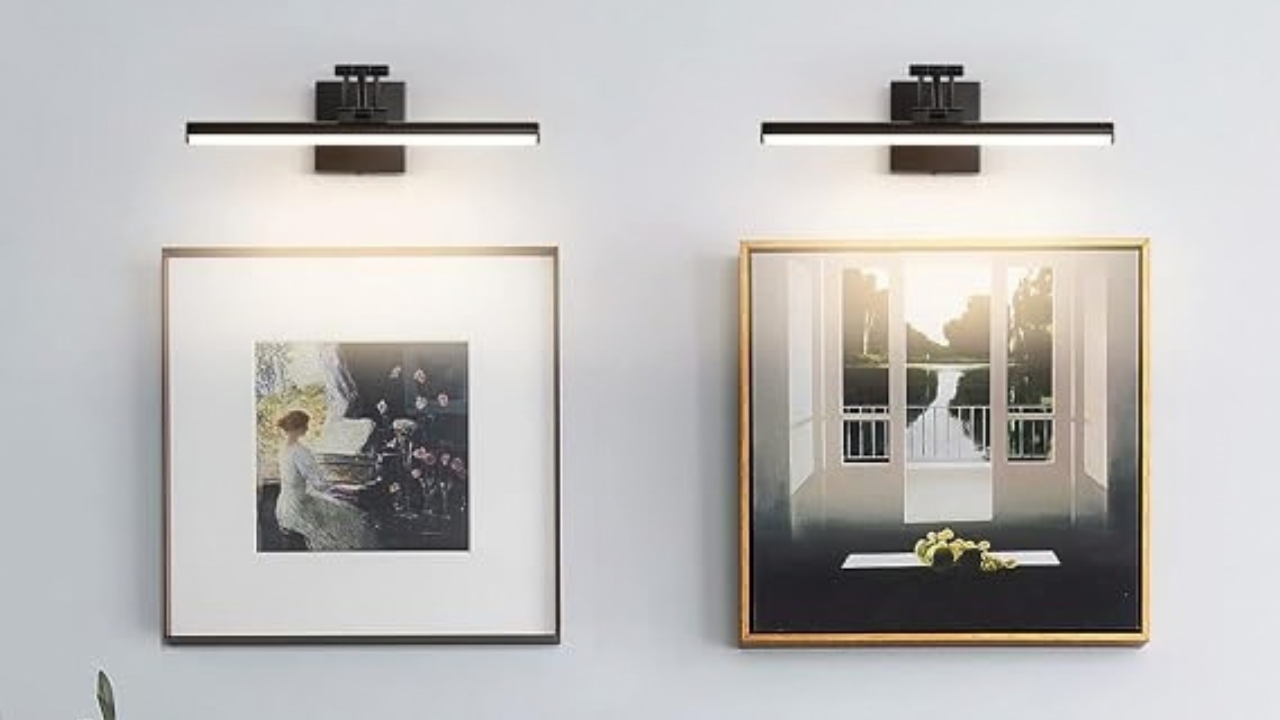
Art and family photos float on the wall unless you give them their own light. Without it, your eye goes to the brightest thing in the room, which is often the TV or a random ceiling glare.
A small picture light, a slim track head, or even a well-aimed floor lamp can make a wall look like a gallery. You don’t need museum gear, you just need the light to hit the frame, not your face. If you’re renting, use plug-in picture lights and hide the cord neatly down the edge of the frame and along the baseboard.
8. Matching Color Temperature Room To Room

Mixing a blue-white kitchen with a yellow hallway and a greenish bathroom makes the whole place feel patched together. You walk through the house and it feels like each room came from a different decade.
Pick a temperature range and stick with it for most of the house. Keep the “cooler” end for garages and work areas if you like, but don’t let it spill into the main living spaces. When you replace bulbs, do it in groups so you don’t end up with a checkerboard ceiling.
9. Clean Plates, Straight Fixtures, No Gaps

This one is small, but it hits hard. Crooked switch plates, dusty fan globes, and fixtures with a gap to the ceiling make a room feel neglected. People notice it the way they notice a dirty baseboard.
Swap yellowed plates for new ones, tighten loose fixtures, and touch up the paint line around the canopy. If a light wobbles, don’t just crank screws until something cracks, check for a proper box and mounting bracket. A half hour with a screwdriver and a step ladder can change how “kept” the room feels.
10. Smart Control That Feels Simple

Nothing feels expensive about hunting for a lamp switch in the dark, or blasting full brightness every time you walk in. Good control makes the house feel calm, like it’s working with you.
Use dimmers in the rooms you live in, and consider motion sensors for closets, pantries, and mudrooms where hands are full. Smart bulbs and plugs are fine if you keep it simple and reliable, one app, one system, and clear labeling on the wall switch. For multiway circuits or anything that confuses you in the box, bring in a licensed electrician so you don’t end up with a hot switch or a dead circuit.
Do one room at a time and pay attention at night, not just in daylight. The right light makes cheap things look better, and it also makes the good stuff you already own finally show up the way it should.
Like Fix It Homestead’s content? Be sure to follow us.