12 Repairs Worth Doing Before You Ever List
Photo credit: William A. Morgan/Shutterstock.com
Nothing kills a sale like a buyer spotting little problems and assuming the big stuff is worse. The smart move is to knock out the repairs that show up on every walkthrough, every inspection, and every “honey, look at this” moment. A few weekends of focused work can save you price cuts, delays, and that constant parade of showings where you’re apologizing for things you could’ve fixed.
1. Leaks Under Sinks And Toilets
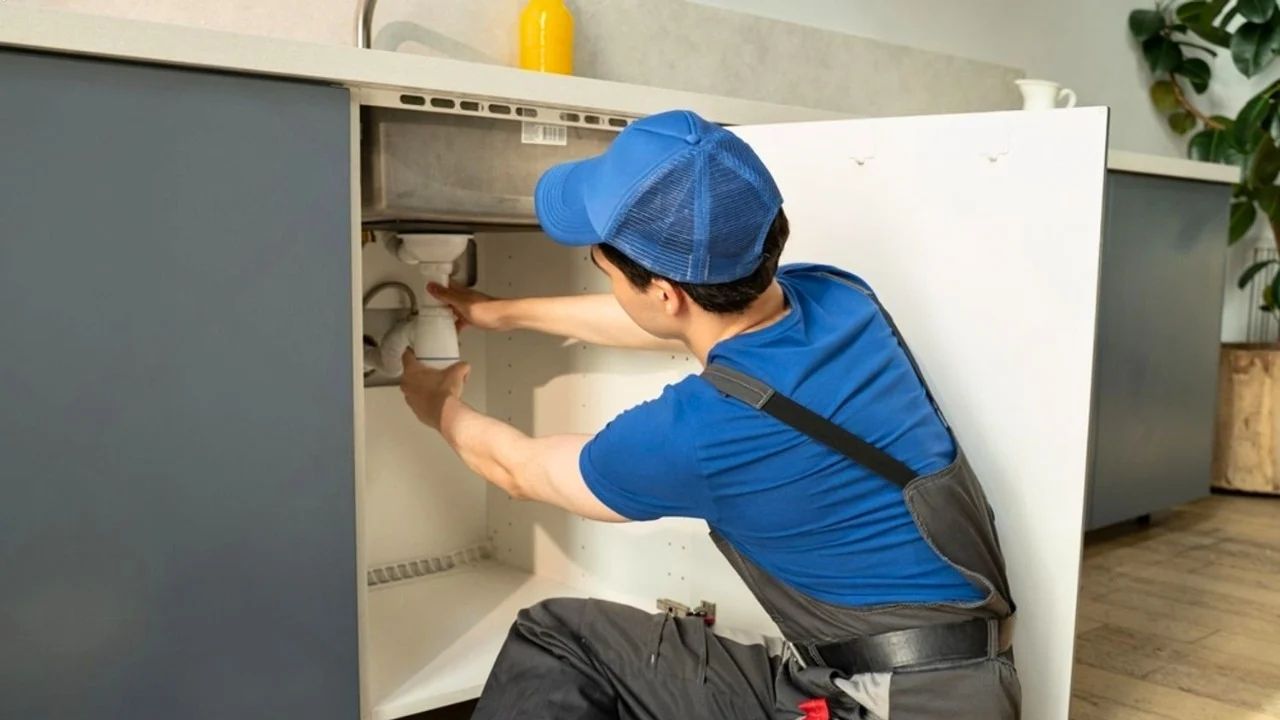
That damp cabinet smell is a deal breaker, and it reads like neglect. Most leaks are simple, a loose trap nut, a tired rubber gasket, a cracked supply line, or a toilet that rocks and breaks the wax seal. Buyers don’t care why it happened, they just picture mold and rotten subfloor.
Put a dry paper towel under every shutoff and trap and check it the next day. Replace braided supply lines if they’re corroded or kinked, and swap out a cheap angle stop that won’t shut off all the way. If a toilet wobbles, fix the flange height or use shims and re-seat it, do not just crank the bolts tighter and hope.
2. Sticky Windows And Torn Screens
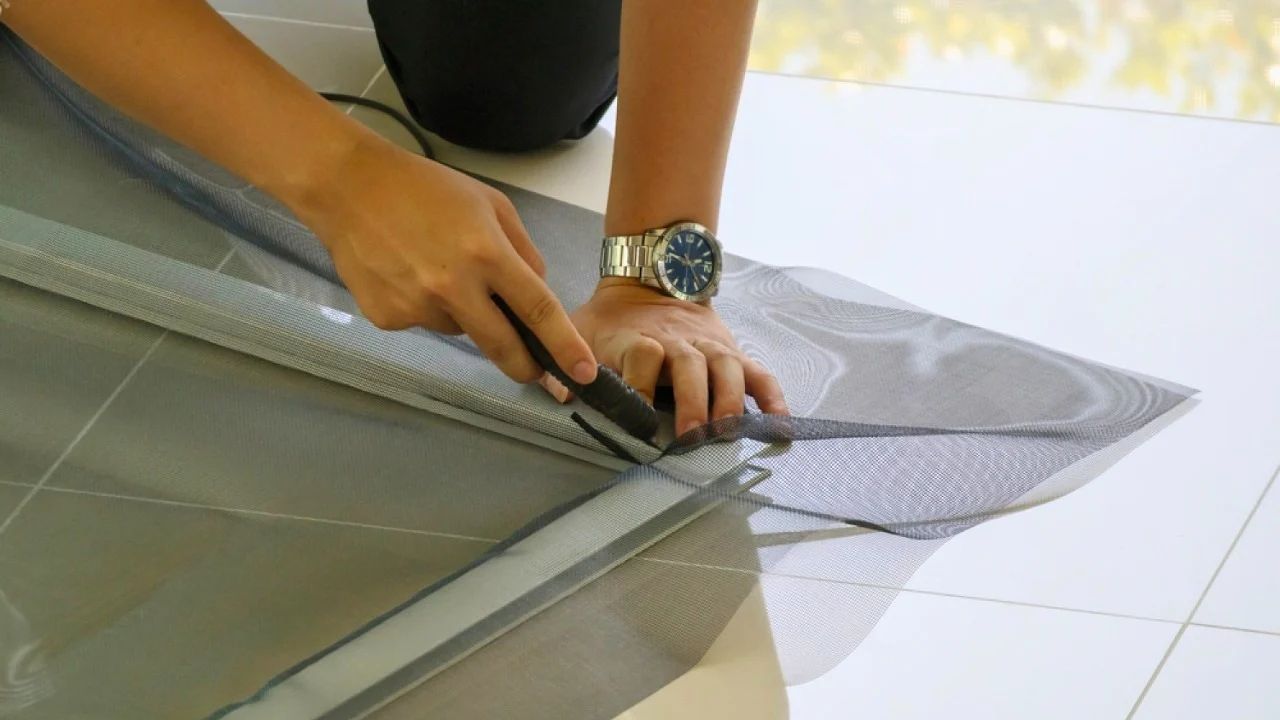
People open windows during showings, even in winter, because they’re checking how the house feels. A window that won’t stay up, a sash painted shut, or a screen with a hand-sized tear signals “constant hassle.” It also makes buyers wonder what else hasn’t been maintained.
Free painted-shut sashes with a sharp utility knife along the seams, then lubricate tracks with a dry silicone spray, not grease that holds grit. Replace broken balances or sash cords if the window drops. Re-screening is a small job with a spline tool, and new mesh makes the whole room look cleaner from the curb.
3. Loose Railings, Steps, And Porch Boards
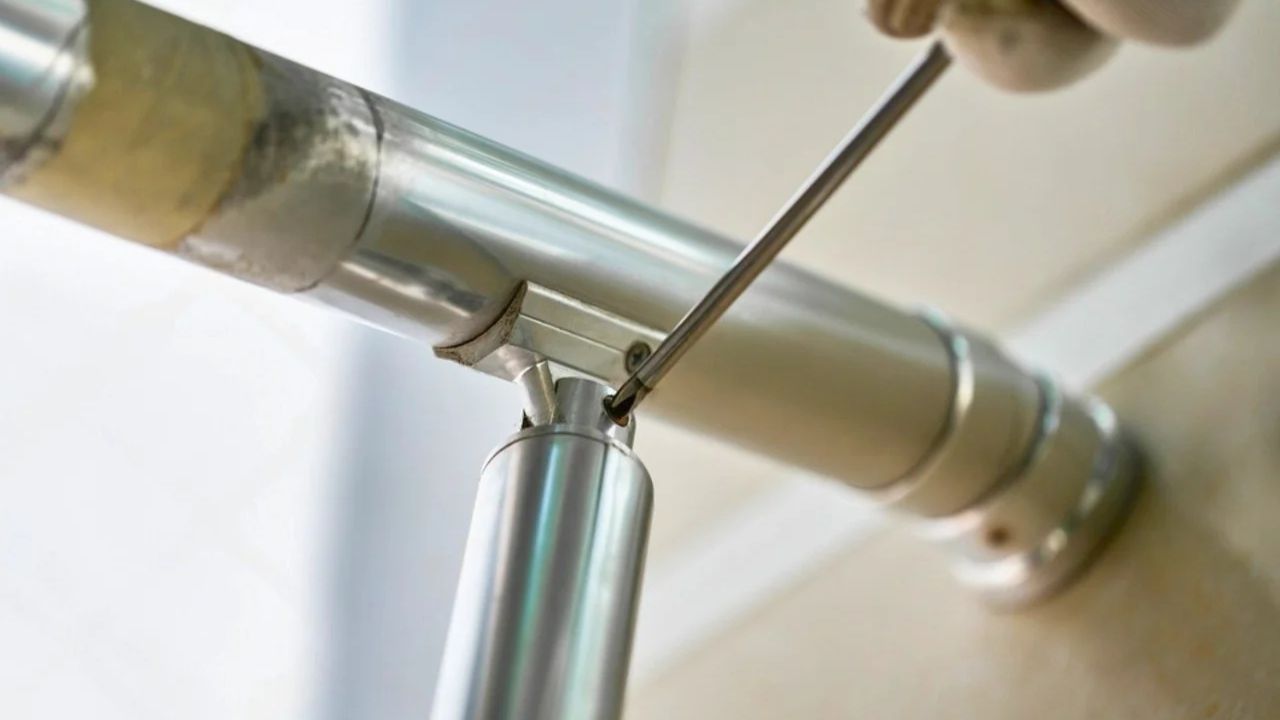
A wobbly handrail is a safety issue, and inspectors call it out fast. The worst part is you can feel it the second you grab it, so every buyer notices. Spongy porch boards and a step that dips are the same kind of instant red flag.
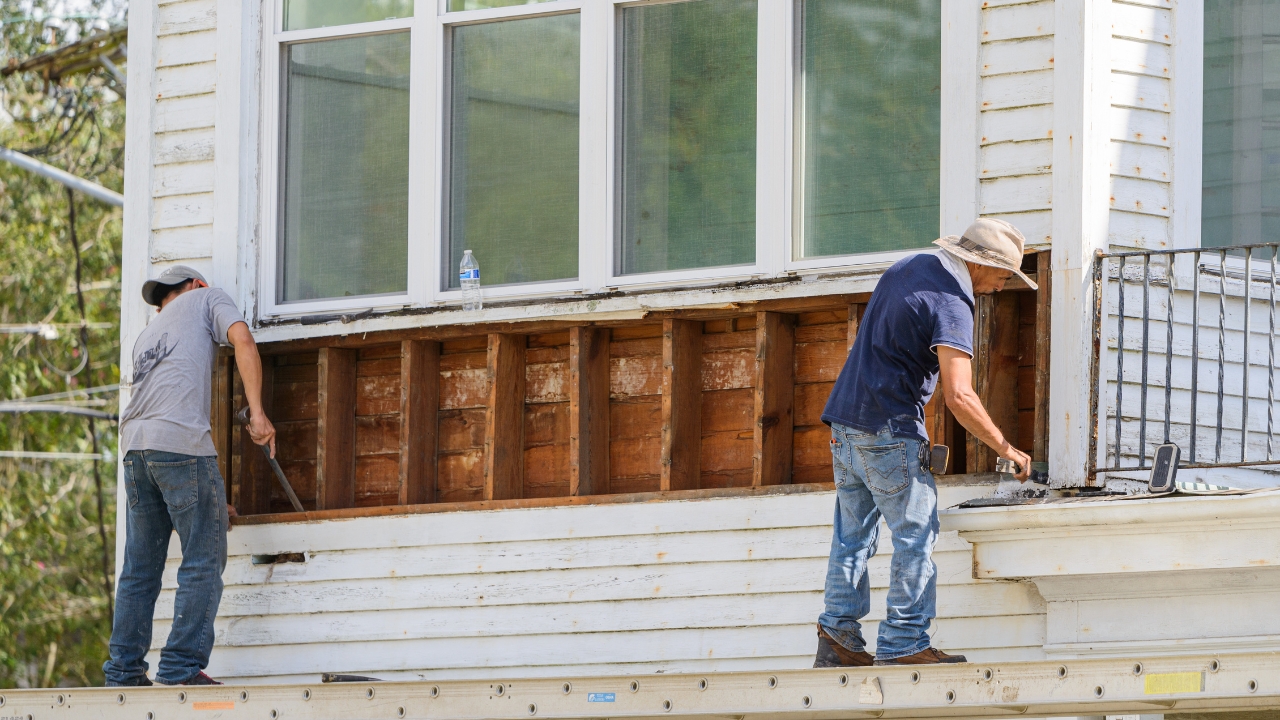
Re-anchor rails into framing, not just trim, with structural screws and blocking where needed. Replace rotten boards instead of filling them with putty and paint. If the porch or stairs have real structural rot, stop guessing and bring in a pro, because a patch can turn into a bigger problem once you start opening things up.
4. Dripping Gutters And Bad Downspout Flow
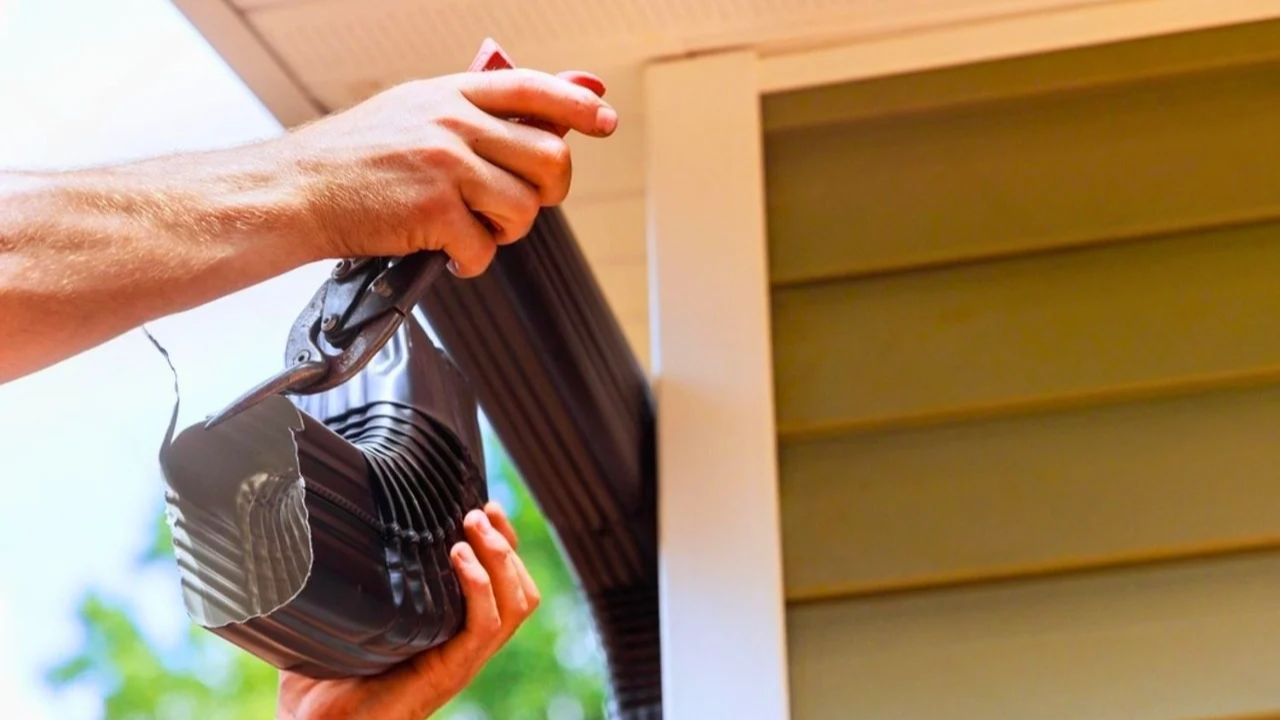
Gutters that overflow during the first hard rain leave stripes on siding and turn flower beds into mud. Buyers see splash marks, soil washed onto the foundation, and puddles next to the basement wall. They picture water in the crawlspace.
Clean them, then run a hose and watch where the water actually goes. Re-slope sagging runs with new hangers, seal leaking seams, and extend downspouts so discharge lands well away from the foundation. If you’ve got underground drains, flush them and confirm they daylight, or at least aren’t clogged solid.
5. Missing Caulk And Failed Exterior Seals
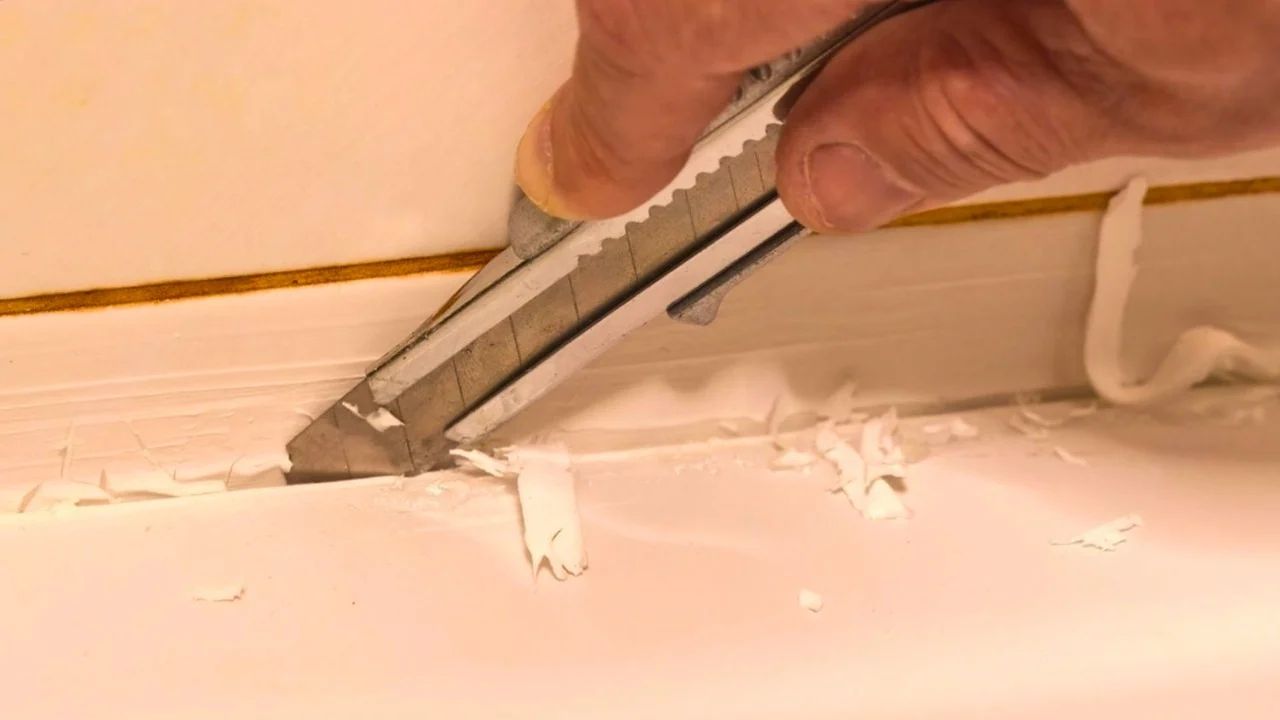
Old caulk around windows and doors cracks and pulls away, then you get drafts, ants, and water staining. It’s a small detail, but it’s right at eye level, so it makes the whole exterior look tired. Inside, failed tub caulk screams “mildew” even when it’s just old silicone.
Cut out loose caulk fully, clean the joint, and let it dry before you re-caulk. Use paintable exterior caulk for trim and quality silicone for showers and tubs, because acrylic in a wet surround doesn’t last. This is one of those repairs that looks like you cared, even if you only spent an hour.
6. The One Room With Dead Outlets
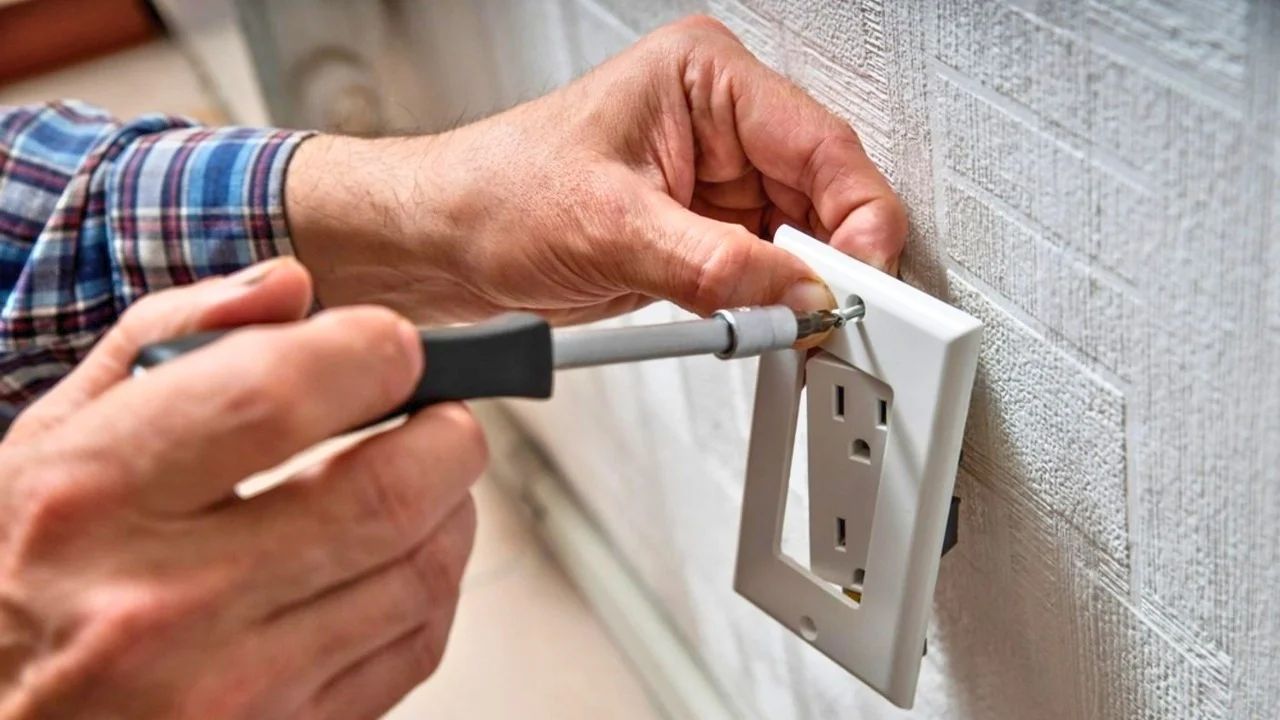
Buyers plug in a phone charger. Inspectors test receptacles. If a couple outlets don’t work, the story becomes “wiring problem,” even when it’s just a tripped GFCI upstream.
Check all GFCIs first, including the one hidden in the garage, basement, or a bathroom. Replace worn receptacles with cracked faces or loose grip, and fix reversed polarity if you find it. If breakers trip, lights flicker, or you see scorched insulation, stop and call a licensed electrician, that is not a pre-list DIY gamble.
7. Slow Drains And Gurgling Traps
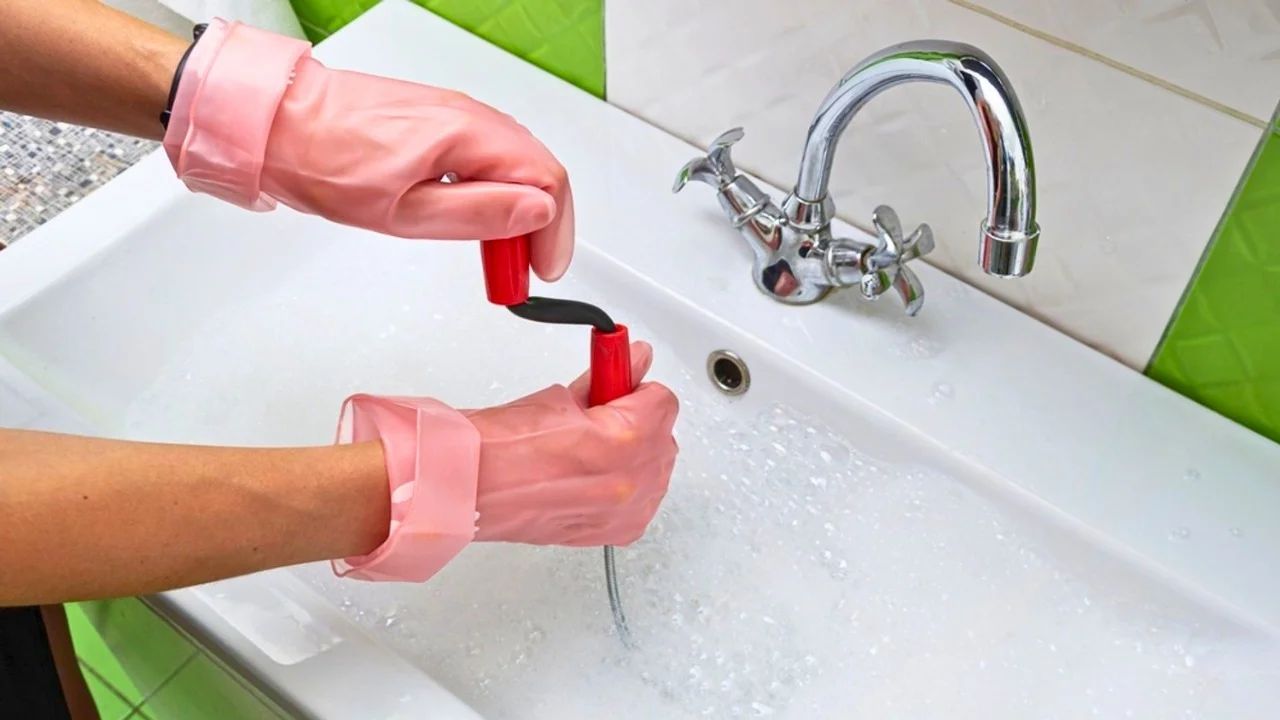
That sink that takes forever to empty seems minor until the buyer hears the gurgle and smells the funk. Slow drains suggest clogs, bad venting, or a sewer issue, and nobody wants surprises there. It also makes the house feel “used hard.”
Start by cleaning the trap and pop-up, because hair and sludge sit right there. A hand snake works for most tub and vanity clogs, and it’s less messy than chemical drain cleaners that can damage old piping and annoy inspectors. If multiple fixtures back up at once, or you get sewage smell, bring in a drain pro with a camera before a buyer demands it.
8. Worn Weatherstripping And Drafty Doors
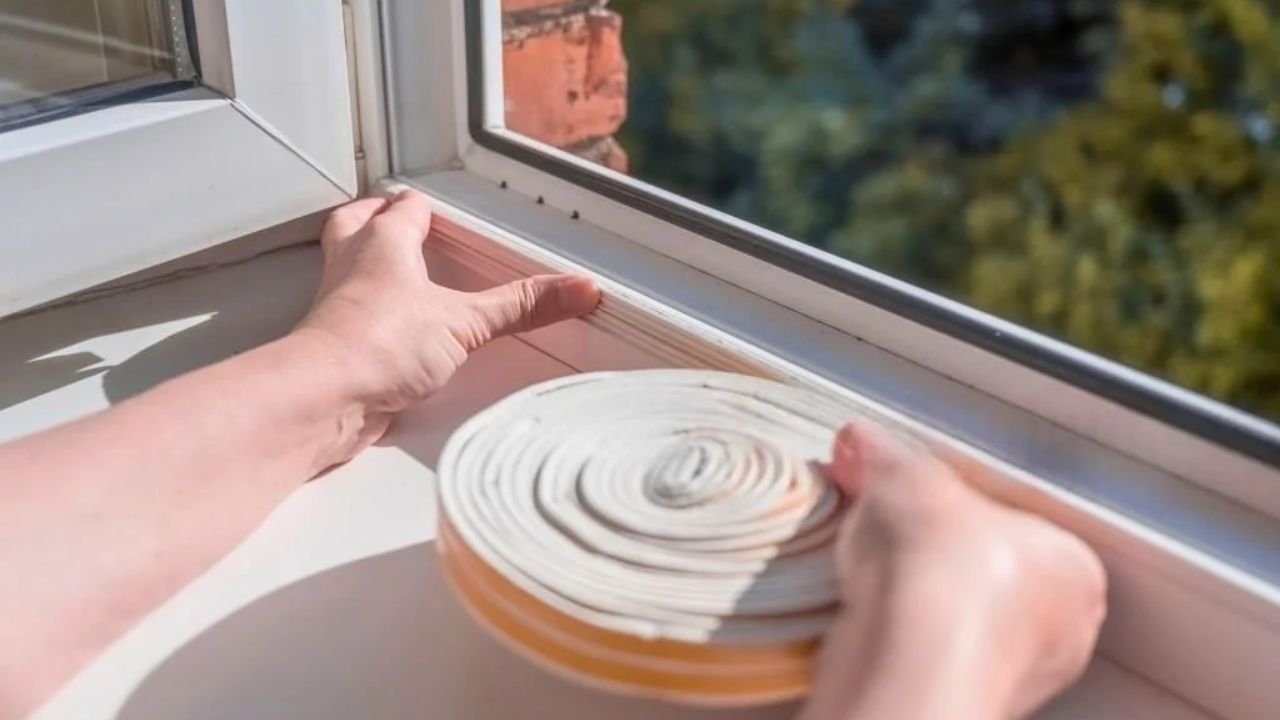
People notice drafts during a showing, and they remember them. A front door that rattles in the frame or lets daylight through looks cheap, even if the rest of the house is solid. It’s also the kind of fix that makes your place feel quieter right away.
Replace flattened weatherstripping, add a proper door sweep, and adjust the strike plate so the latch pulls the door tight. If the threshold is rotted, replace it, do not bury it under a new sweep. This is one of the rare times the inexpensive option is fine, basic foam tape in the right spot beats a fancy kit installed wrong.
9. Peeling Paint And Soft Wood Outside
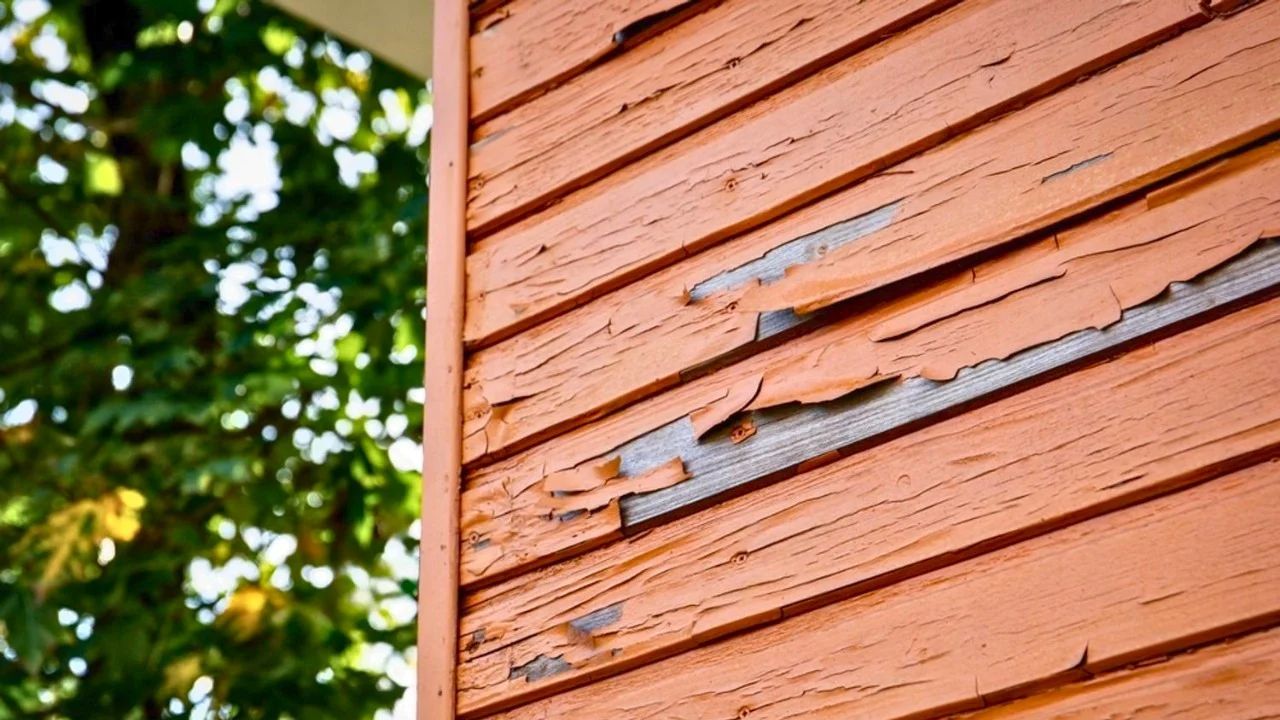
Exterior paint failure isn’t just ugly. Peeling paint and punky trim tell buyers there’s moisture getting in, and they’ll assume there’s hidden rot behind it. Woodpeckers, carpenter ants, and wasps also love untreated soft spots.
Probe suspect trim with a screwdriver, solid wood resists, rotten wood gives. Replace bad sections where you can, and use exterior-rated filler only for shallow damage that’s truly dry and stable. Prime bare wood before paint, and do the prep, because fresh paint over loose flakes will fail before the next season is done.
10. HVAC Filters And Neglected Service Tags
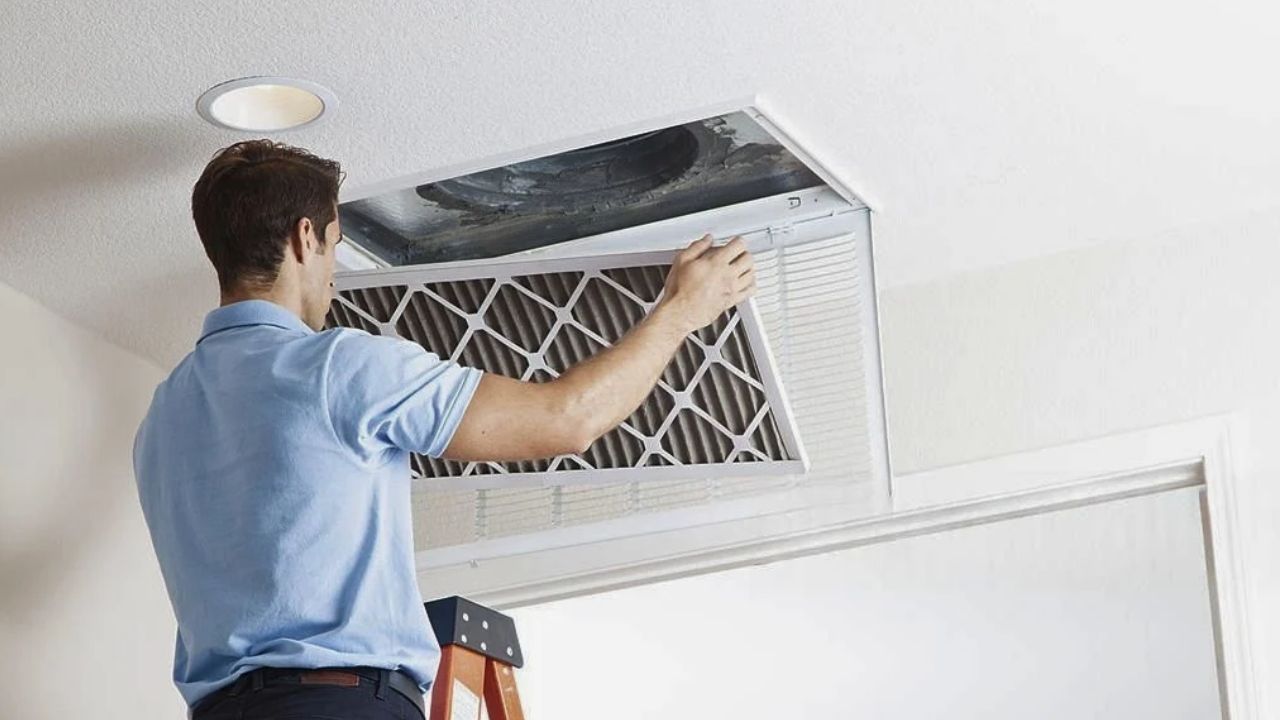
A furnace that runs loud, a dirty return grille, and a filter that looks like felt makes buyers think the whole system has been ignored. Even if the unit is fine, the impression hurts you. You want “maintained” to be the obvious story.
Put in the correct size filter, not the “close enough” one that whistles and bypasses air. Clean the return grille and supply vents, and schedule a basic service if it hasn’t been done in years. If you’ve got gas heat and you smell gas or see soot, call the utility or a licensed HVAC tech, that’s not a showing-week project.
11. Attic And Crawlspace Moisture Clues
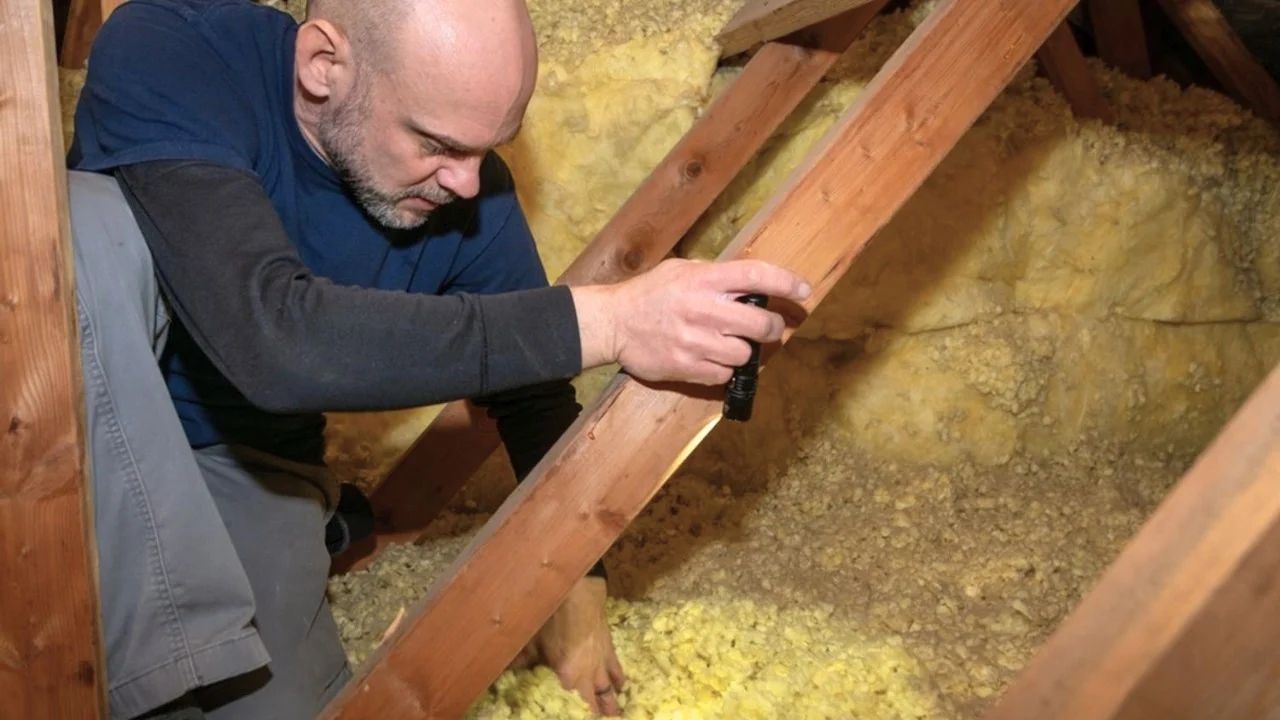
Most buyers never go up there, but inspectors do, and the report follows the deal. Rusty nails in the attic, wet insulation, or a crawlspace that smells like a swamp turns into negotiation fast. The fix is often smaller than the price cut you’ll be asked to take.
In the attic, look for bathroom fans dumping moist air into the space, then vent them outside with proper ducting. In a crawlspace, address obvious water entry, extend downspouts, fix grading, and patch torn vapor barrier where it’s shredded. Mold remediation or widespread wet insulation is a pro job, and it’s better handled before your listing photos are online.
12. Yard Drainage And Grading Near The House
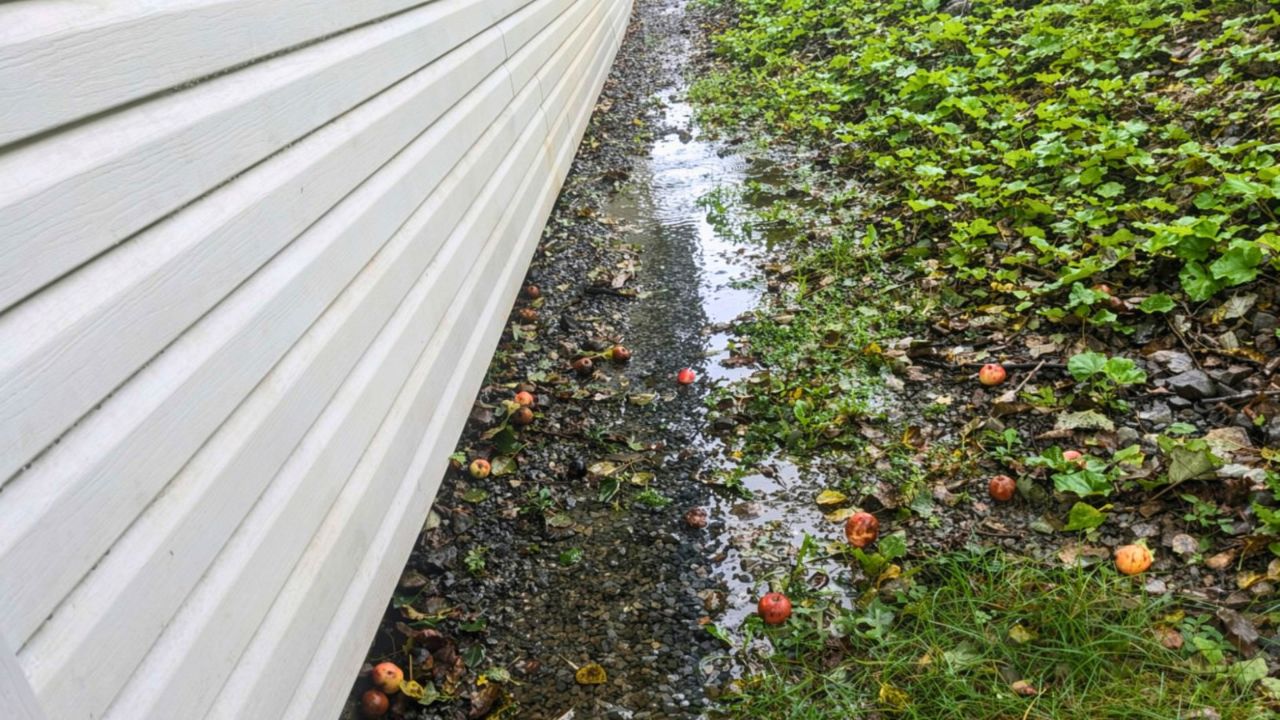
After a hard rain is when the real problems show up. If water ponds by the foundation, buyers see it, even if you’ve learned to ignore it. They’ll imagine a wet basement, stuck doors, and cracked walls.
Re-grade so soil slopes away from the house, and keep mulch and dirt below siding and brick weep holes. Add a shallow swale, a splash block, or a downspout extension before you jump to expensive French drains. If you need to dig deep or tie into a storm line, call 811 for utility locates and check local rules.
Do these fixes early enough that everything has time to dry, cure, and get a second look. The goal is a house that feels cared for, not one that looks freshly patched. When buyers stop hunting for problems, they start picturing their own stuff in your rooms, and that’s when offers get easier.
Like Fix It Homestead’s content? Be sure to follow us.