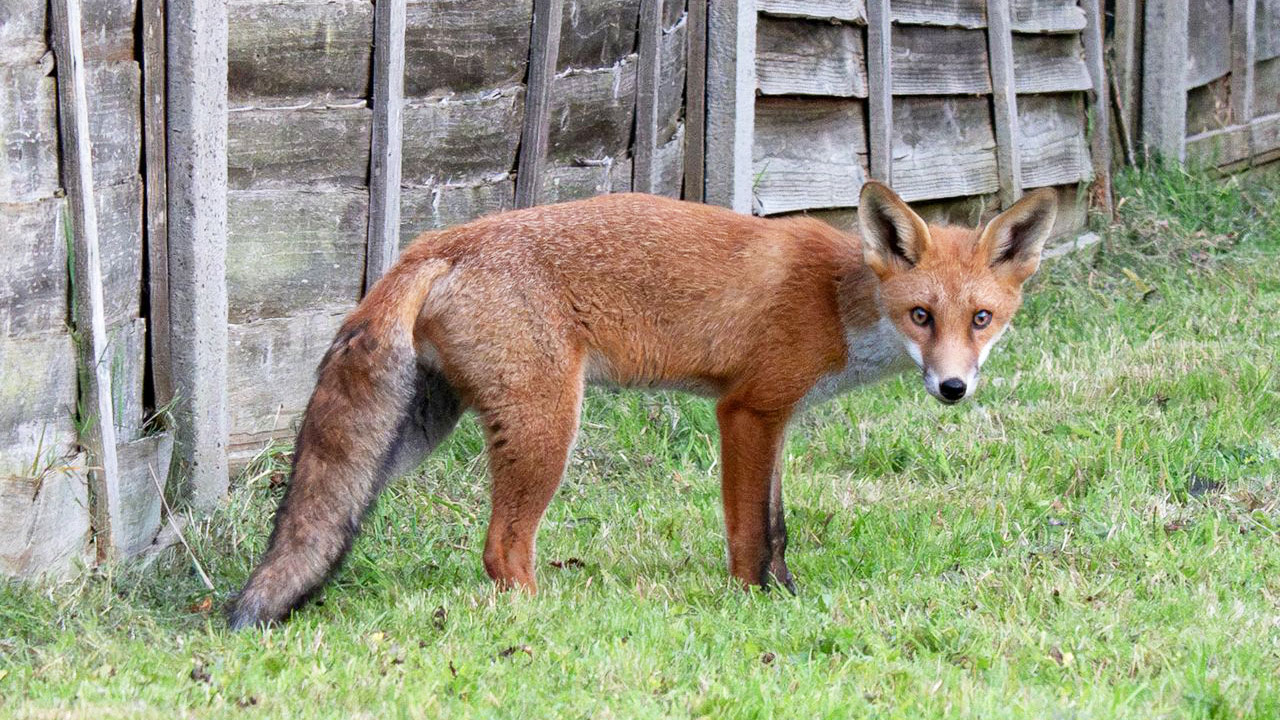
10 Things That Bring Foxes Into a Suburban Yard
Photo credit: Brett Jordan/Pexels.com
You spot one at dusk cutting across the lawn like it owns the place. Most of the time foxes are just passing through, but a few easy meals or a cozy hiding spot can turn a quick visit into a habit. If you want them to move along, the fix is usually boring: take away what pays them to stick around.
1. Pet Food Left Out Overnight
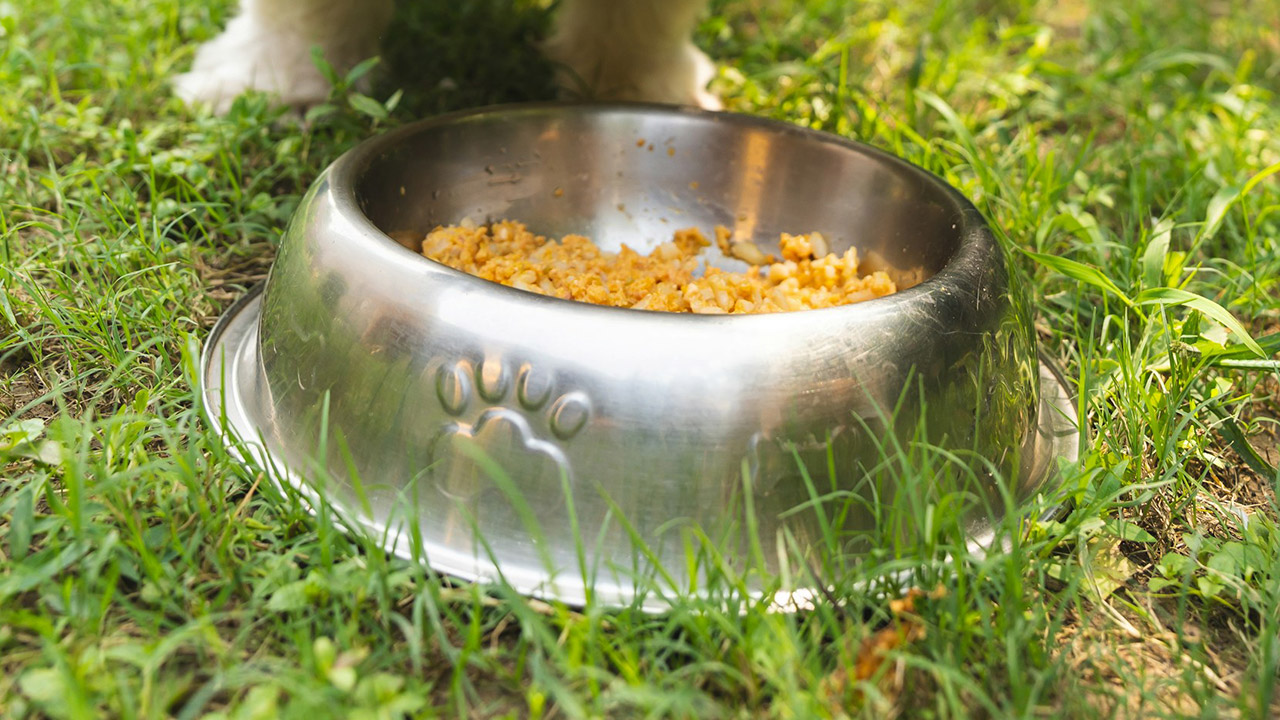
That bowl on the porch is a dinner bell, and foxes are on the night shift. Dry kibble doesn’t rot fast, so it’s easy to forget, but it smells like calories from a long way off. Once a fox finds a steady bowl, it’ll check back.
Feed pets on a schedule and pick up the bowl right after, even if your dog likes to graze. If you’ve got outdoor cats, switch to set meal times and bring food in at night. Store bags in a hard plastic bin with a tight lid, not the paper sack in the garage.
2. Trash Cans With Loose Or Broken Lids
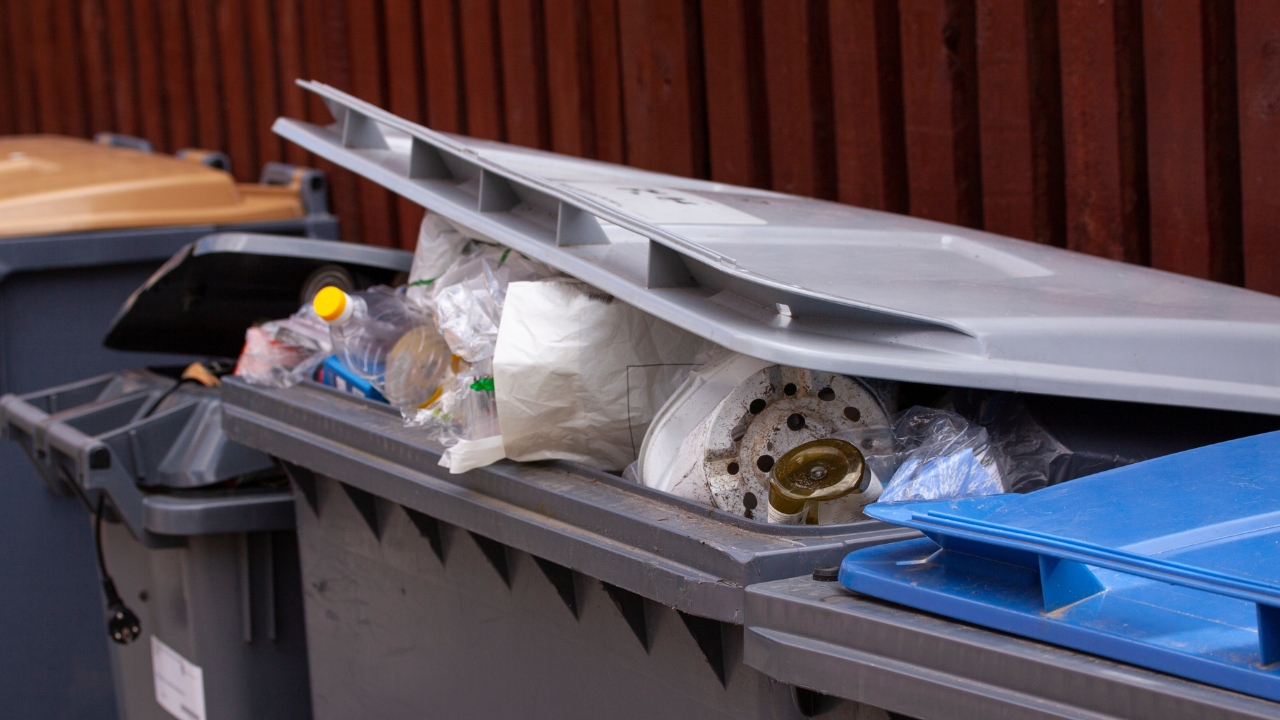
Foxes don’t need to knock a can over if the lid doesn’t lock down. A cracked rim, a warped lid, or a bungee cord that’s gone slack is enough for them to nose in. The mess brings raccoons and stray cats too, and then the whole yard smells like a buffet.
Use a can with a solid lid that snaps, latches, or locks. If your hauler allows it, bag smelly stuff and freeze meat scraps until pickup day. A quick rinse of the can with a hose and a little dish soap cuts the “food sign” that keeps drawing them back.
3. Open Compost Piles Full Of Scraps
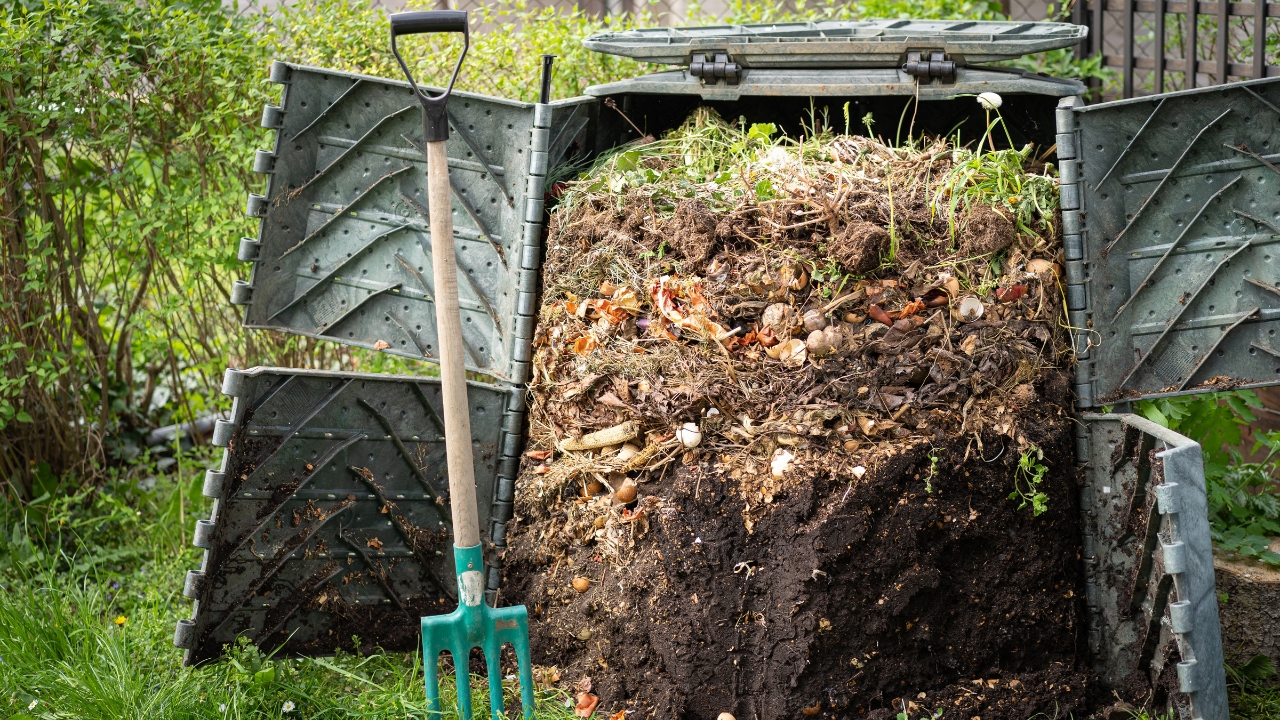
People start composting with good intentions, then toss in table scraps like it’s a second trash can. Foxes will work a loose pile, especially if it’s got meat, bones, greasy paper, or pet waste. In winter, when natural food is thin, that pile can get hit hard.
Keep compost in a bin with a lid or a tumbler, and cover new kitchen scraps with browns like leaves or shredded cardboard. Skip meat and dairy if you’re in a tight neighborhood, it’s not worth the drama. If you’re composting mainly yard waste, an open pile is often fine as long as it stays boring.
4. Fallen Fruit Under Trees And Bushes

Rotting apples and pears turn into sweet mush, then into insects, then into a steady food chain. Foxes will eat fruit, but they really come for what gathers under it. The smell is strong, and the ground stays busy all night.
Do a quick pickup every couple days during drop season, more often if it’s warm and wet. A rake and a 5-gallon bucket gets it done in ten minutes. If you want to keep some fruit for wildlife, put a small pile out at the far edge of the property, away from patios and kid areas.
5. Backyard Chickens With Leaky Security

Chicken keepers learn this one the hard way. Foxes are smart, quiet, and patient, and they’ll test your coop like a thief checking doors. A latch that “mostly” closes or a run with flimsy wire is an invitation.
Use 1/2-inch hardware cloth on the run and any openings, not chicken wire. Chicken wire keeps chickens in, it doesn’t keep predators out. Add a locking latch, cover the top of the run, and bury an apron of hardware cloth out from the base if digging is a problem. If you’re not handy with carpentry, paying a contractor for one solid rebuild can be cheaper than replacing birds over and over.
6. Bird Feeders Spilling Seed And Suet
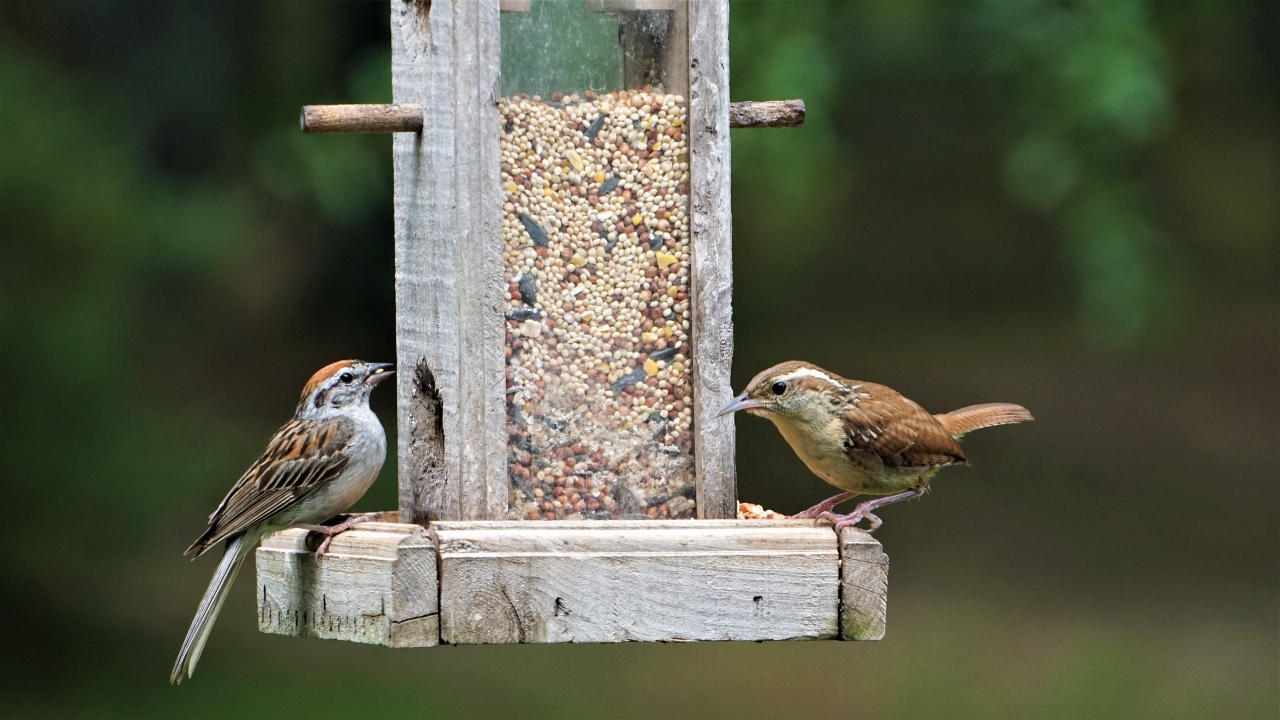
Bird feeders feel harmless, but the ground under them is a snack zone. Foxes eat rodents, and spilled seed grows rodents, which grows fox visits. Suet scraps and fallen peanuts get cleaned up after dark.
Put feeders over a hard surface you can sweep, or move them out to a spot you don’t mind being “wild.” Use a seed tray, and switch to no-mess blends if you’re tired of the mess and the mice. If foxes are hanging around, pause feeding for a couple weeks and let the yard reset.
7. Grills And Grease Trays Not Cleaned

A grill that smells like last weekend’s burgers is a strong lure. Grease drips in the tray, soaks into the bottom, then sits there for days. Foxes will lick, chew, and nose around the legs, and they’ll do it when you’re asleep.
Scrape grates after cooking and empty the grease tray once it cools. Put the drip pan in a sealed bag before it goes to the trash. If you store the grill on a deck, a simple cover helps, but it won’t beat a dirty grease tray.
8. Crawlspace Vents And Sheds Left Open
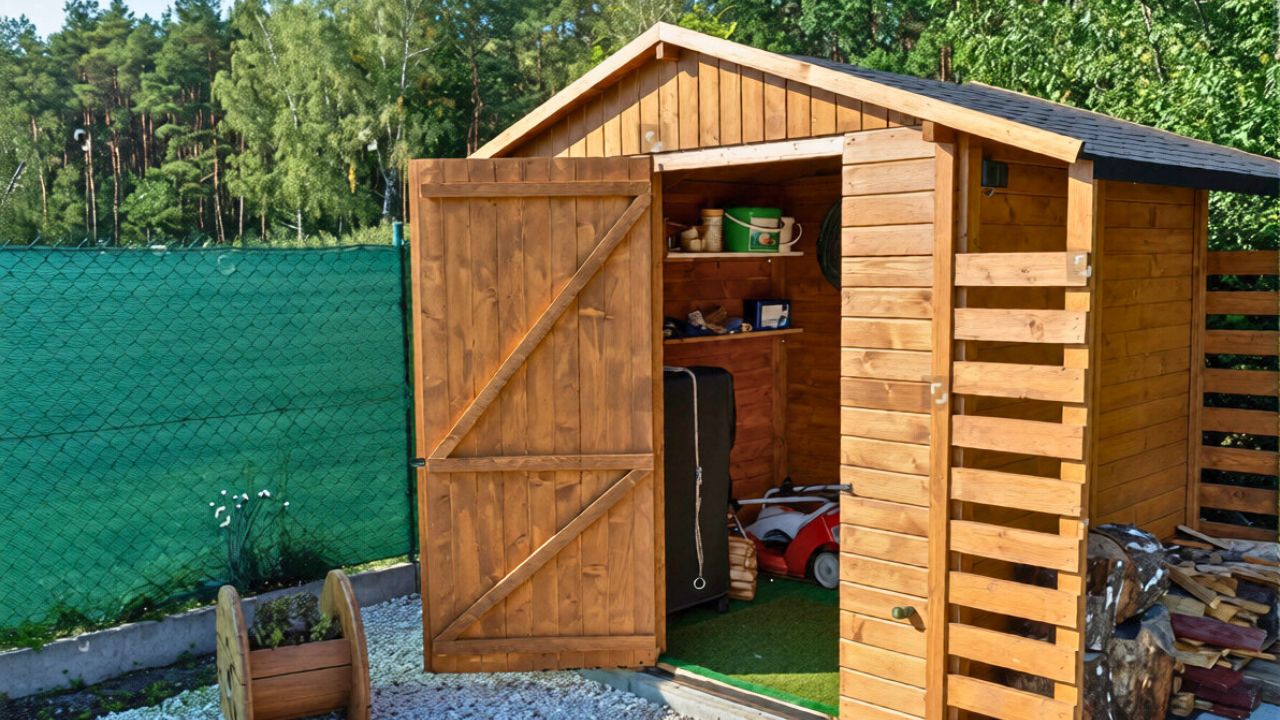
Foxes aren’t always chasing food, sometimes they’re looking for a dry nap spot. An open shed door, a missing vent screen, or a gap under a deck can turn into a daytime hideout. Once they feel safe, you’ll see more tracks and more repeat visits.
Walk the yard like you’re looking for a tennis ball, low and slow. Screen vents with hardware cloth, fix broken lattice, and block gaps with wood, metal flashing, or tight fencing. If you find a den with pups, don’t seal it up with animals inside, call local wildlife control for the right timing and methods in your area.
9. Outdoor Water Bowls And Leaky Irrigation
During a dry stretch, water becomes the draw. A dog bowl refilled twice a day, a birdbath that never empties, or a sprinkler head that floods one spot can keep foxes coming back on a route. You’ll often notice it during late summer when everything else is crunchy.
Dump and refill birdbaths daily and bring pet water in at night if you’re seeing fox activity. Fix leaky valves and broken heads, and aim sprinklers so they don’t create a permanent puddle by the fence line. Standing water also boosts mosquitoes, so this one pays off even if you never see a fox again.
10. Thin Fencing And Untrimmed Travel Lanes
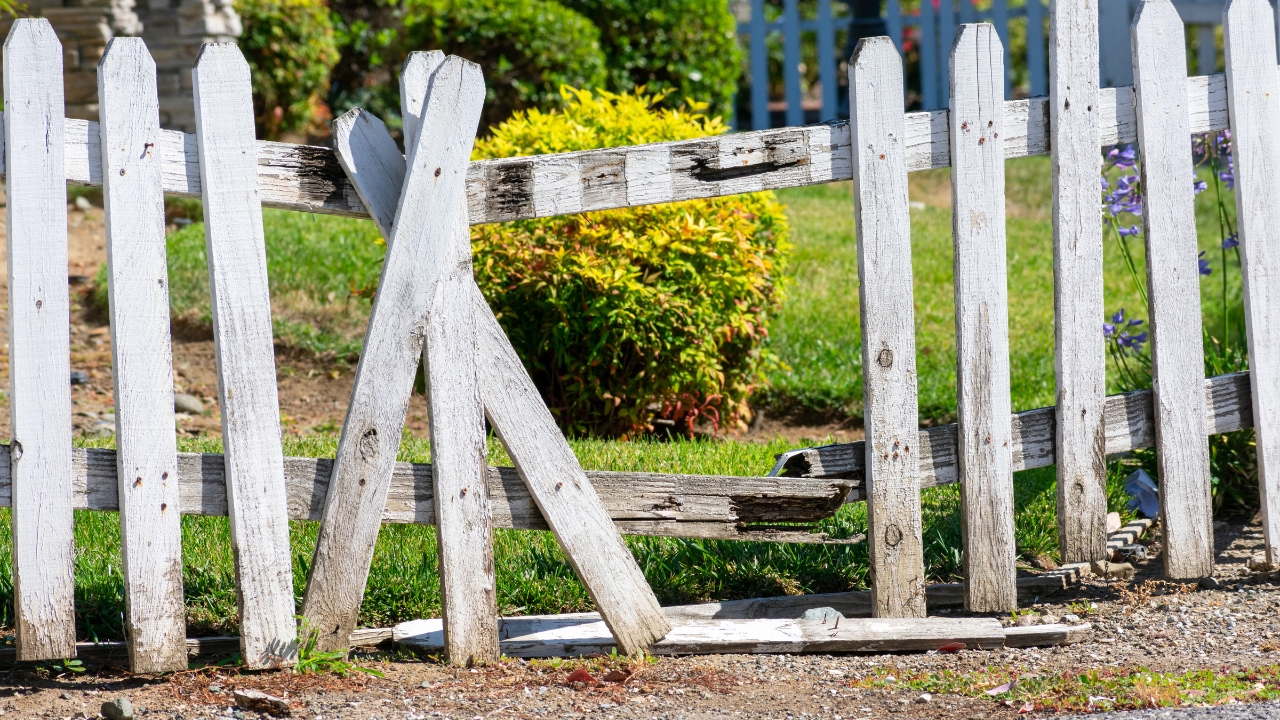
Foxes like edges, fence lines, and brushy strips that let them move without being seen. A four-foot fence with a gap under it is a suggestion, not a barrier. If your shrubs make a tunnel along the property line, you’ve built a fox highway.
Trim back dense cover a couple feet from the fence so the area feels exposed. Close gaps under gates with a board or mesh, and keep the bottom tight to the ground. Full exclusion fencing gets expensive fast, so focus on sealing the easy entry points and making your yard less comfortable for hanging out.
Foxes don’t usually show up because your yard is “bad,” they show up because it’s easy. Take away the steady food, block the cozy shelter spots, and keep the edges tidy for a few weeks. Most of the time they drift back to hunting where nobody leaves snacks out.
Like Fix It Homestead’s content? Be sure to follow us.
- Man Says He Found Out the Fence He Paid For Wasn’t Actually on His Property
- Woman Says Her Neighbor Started Taking Mulch From Her Delivery Pile Before She Could Even Spread It
- I made Joanna Gaines’s Friendsgiving casserole and here is what I would keep
- What Caliber Works Best for Groundhogs, Armadillos, and Other Digging Pests?