10 Rooms People Decorate Wrong Without Ever Realizing It
Photo credit: Raphael Adewole/Unsplash.com
You can have a clean house and still have rooms that feel off. Most of the time it’s not your taste, it’s a small setup mistake that makes the space harder to live in, harder to clean, or quicker to wear out. Fix the layout first, then the decor starts working for you instead of against you.
1. Living Room Rug Too Small
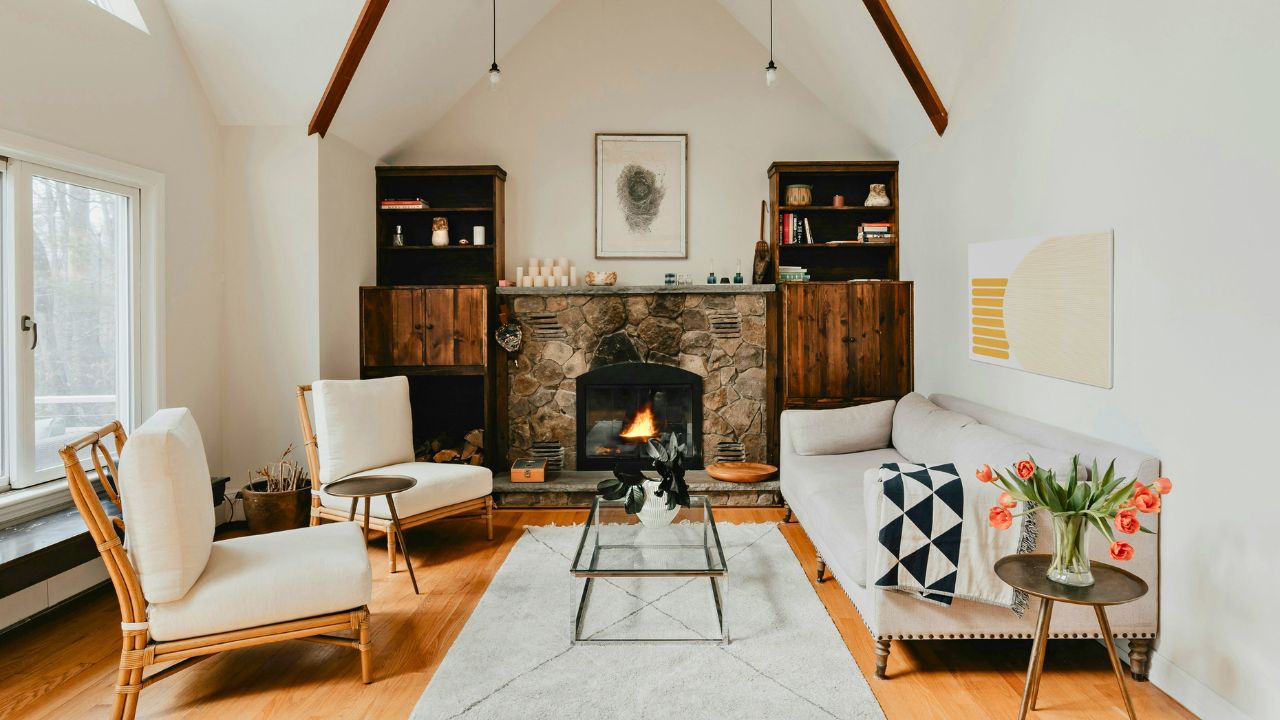
The “floating island” rug is the most common living room mistake. You set a 5×7 in the middle because it was on sale, and suddenly the room feels choppy and cheaper than it is. The furniture legs sit on bare floor, the rug creeps around, and you end up straightening it every time you vacuum.
Go bigger and anchor the seating. A simple rule that works in real houses: the front legs of the sofa and chairs should sit on the rug, or all legs if the room allows. If you can’t swing a new rug right now, slide the existing one under the front edge of the sofa so it reads like it belongs, and add a decent rug pad so it quits walking.
2. Kitchen Countertop Appliance Traffic Jam
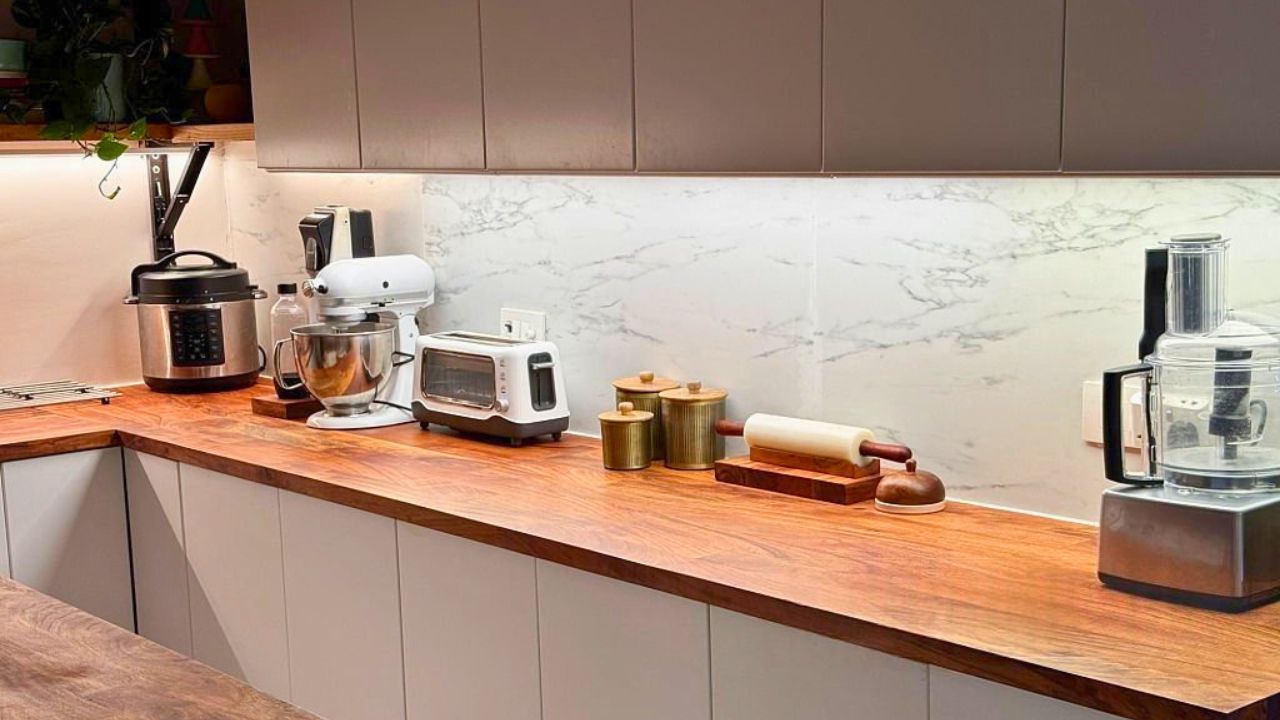
People decorate kitchens like showrooms, then try to cook in them. A toaster, air fryer, coffee station, knife block, and stand mixer all lined up means you’re always moving stuff just to chop an onion. Grease and dust build up around the bases, and the outlets get abused with constant plugging and unplugging.
Pick what earns a permanent spot, then store the rest where it’s easy, not deep. Put the coffee setup near an outlet and water, but keep the prep zone between sink and stove clear. If you need more plug-in spots, don’t stack power strips behind the microwave. Have an electrician add a proper outlet or under-cabinet receptacles if your panel and local code allow it.
3. Bedroom Nightstands Too Low
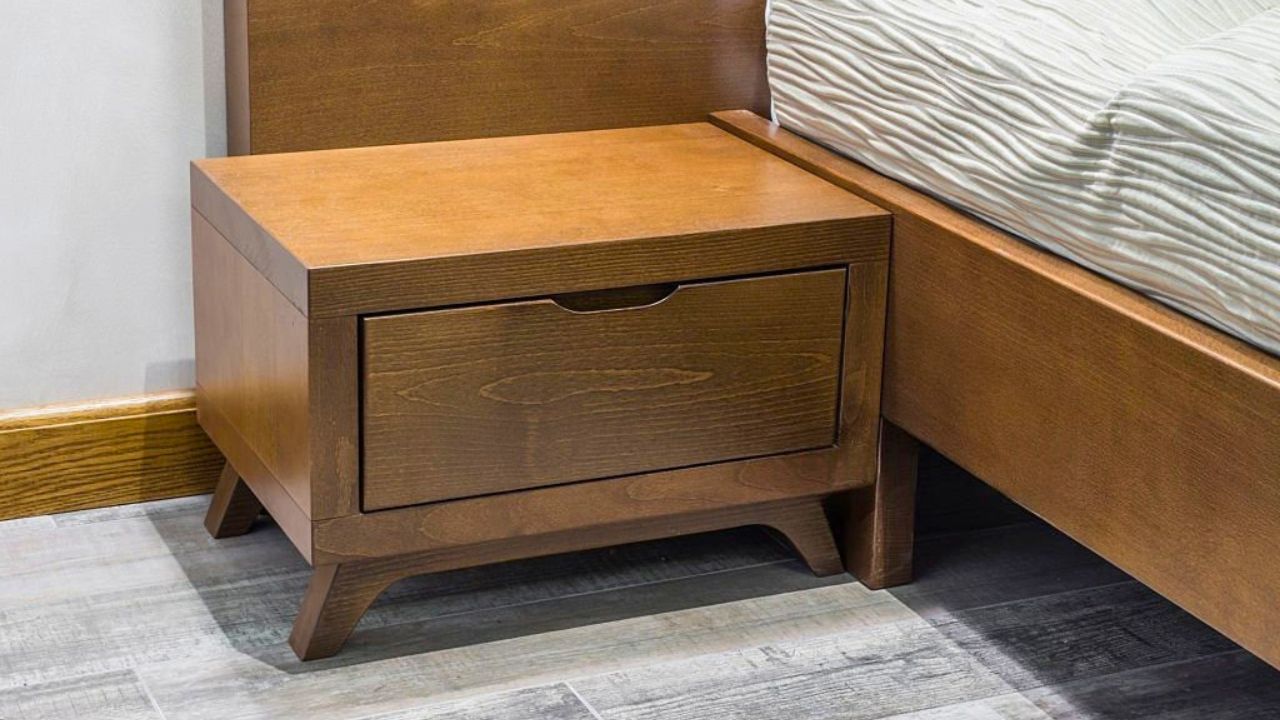
This one feels minor until you live with it. If your nightstand sits way below the top of the mattress, you’re reaching down in the dark for a phone, water, or lamp switch. That’s how glasses get knocked off, water cups tip, and cords tug lamps onto the floor.
Match the nightstand height to the mattress top, or within an inch or two. If replacing furniture isn’t happening, raise what you’ve got with stable furniture risers or a simple platform base, not loose stacks of books. Also route charging cords so they don’t hang where your feet catch them when you get up half asleep.
4. Bathroom Paint That Can’t Handle Steam
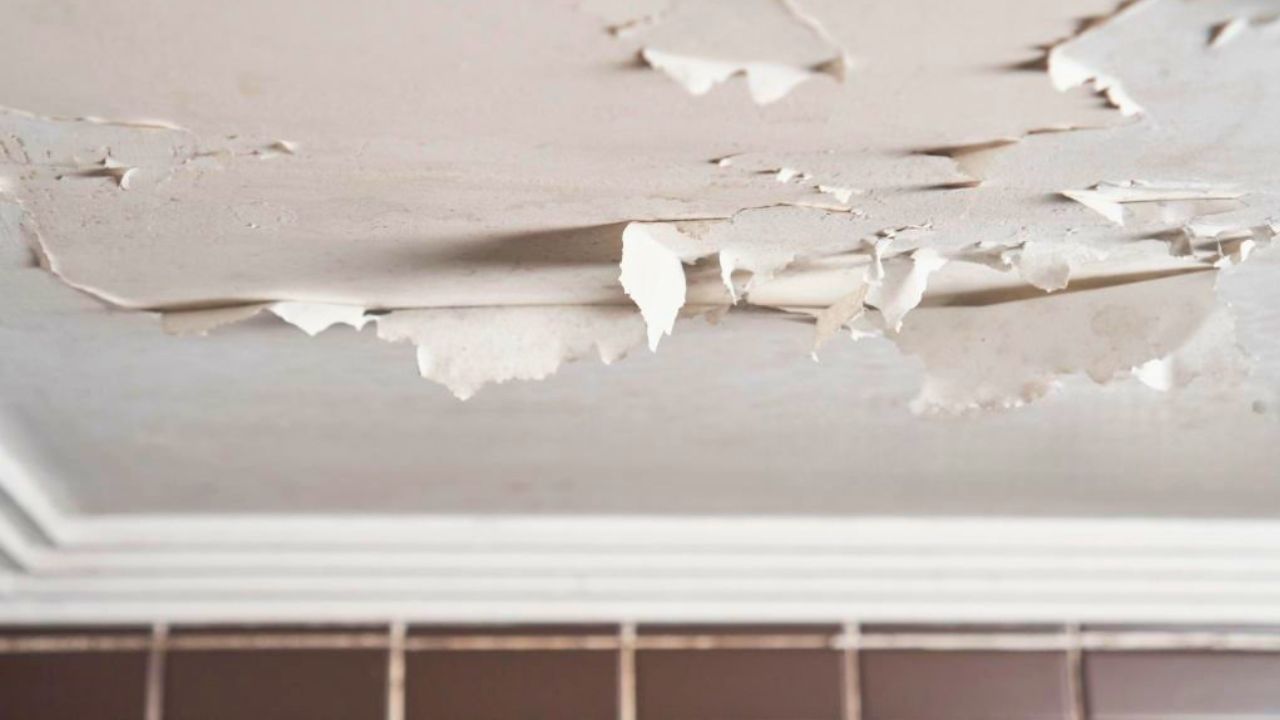
A bathroom looks fresh after a paint job, then the peeling starts above the shower like a bad sunburn. Flat wall paint soaks up moisture, and the first winter of hot showers turns it into a blotchy mess. You’ll also see mildew specks in the corners, especially if the fan is weak.
Use a bathroom-rated paint, usually satin or semi-gloss, and take the time to clean and degloss first. If you already painted, the fix is ventilation. Clean the fan grille, confirm it actually moves air, and run it for 20 minutes after showers. If the fan is loud and useless, swap it for one sized for the room, or hire it out if wiring isn’t your lane.
5. Dining Room Light Hung Too High
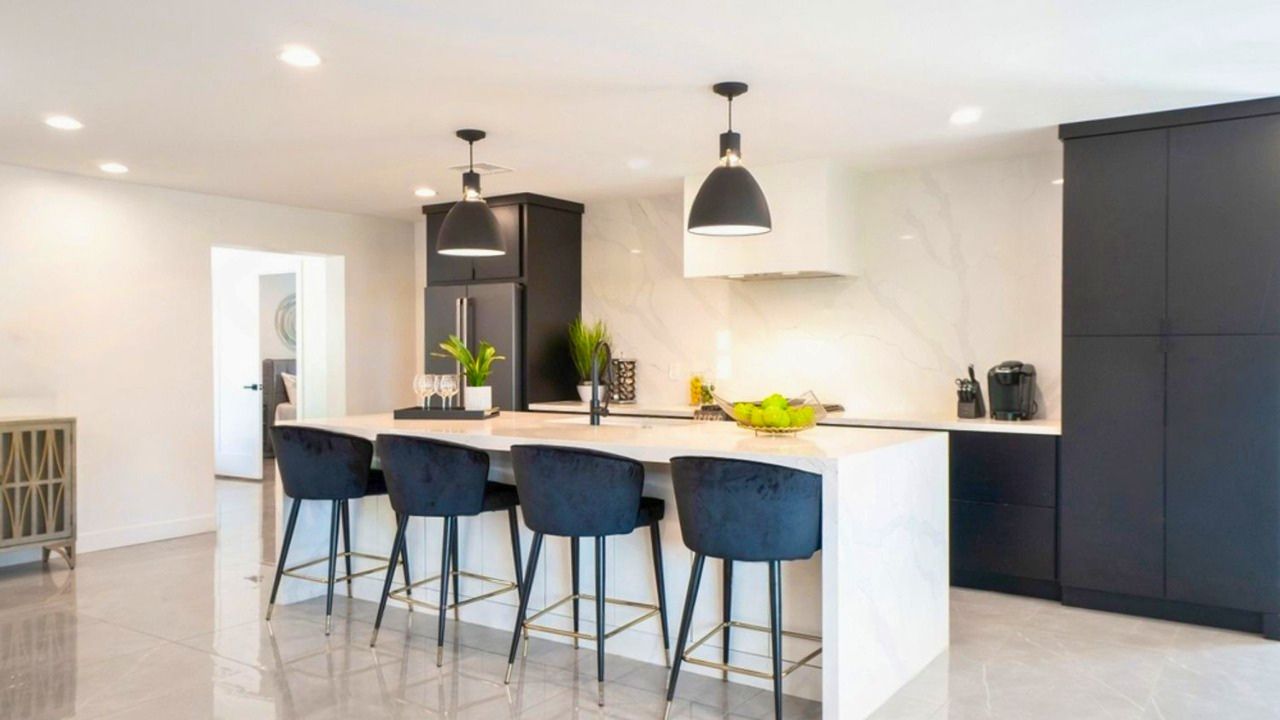
When a chandelier hangs up near the ceiling, the table feels like it’s in the wrong room. The light spreads everywhere except where you eat, and faces look shadowy. You also lose that cozy “gather here” feel, even if the fixture is nice.
In most homes, the bottom of the fixture wants to be about 30 to 36 inches above the tabletop, adjusted a bit for ceiling height and how tall your family runs. Put it on a dimmer so weeknight meals aren’t lit like a clinic. If the chain is cut too short, replace the downrod or chain properly, and if the box feels loose or the ceiling is old plaster, it’s worth paying an electrician to secure it.
6. Entryway With No Drop Zone
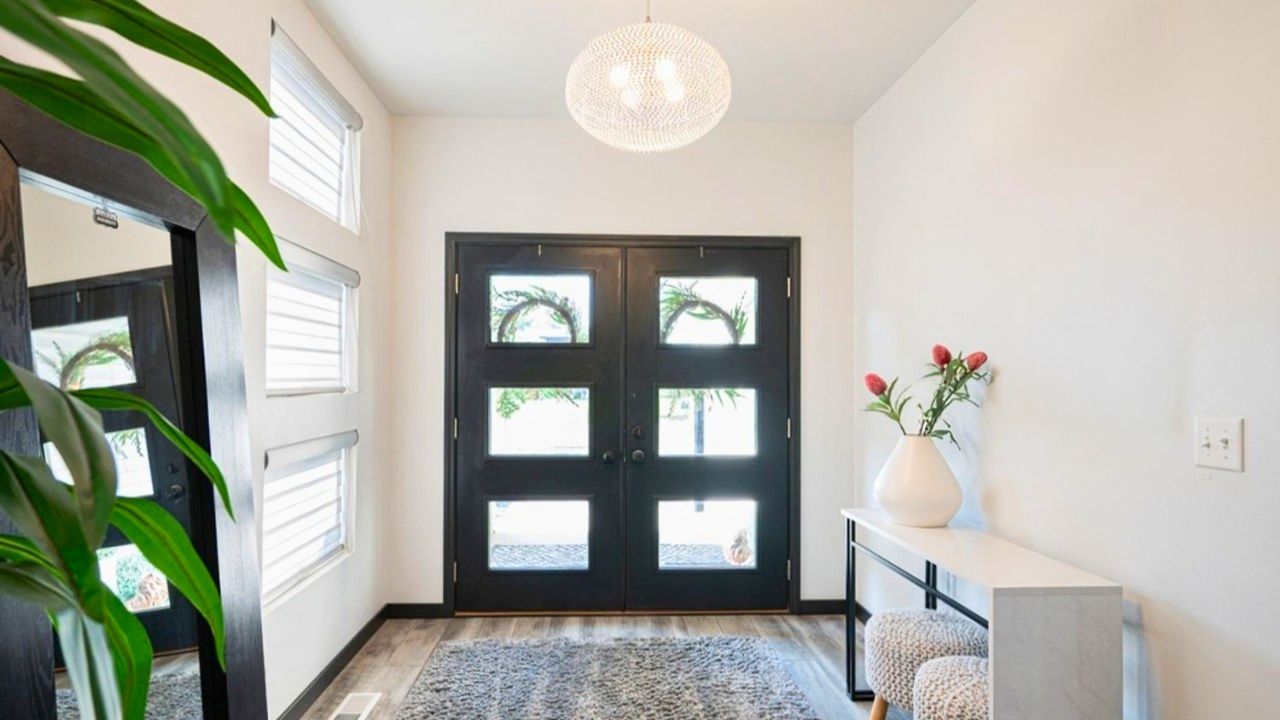
The front door area gets decorated with a cute sign and a plant, then the backpacks and muddy shoes take over anyway. Without a spot to land keys, mail, and wet gear, it ends up on the nearest flat surface. That’s how clutter spreads into the whole house.
Add one small “catch” setup that fits how you actually come in. A narrow bench, a couple hooks screwed into studs, and a tray or bowl for keys fixes most of it in an hour. If you’ve got kids or farm chores, choose finishes that wipe clean and put a boot mat down before the season turns wet.
7. Home Office Desk Facing The Wall
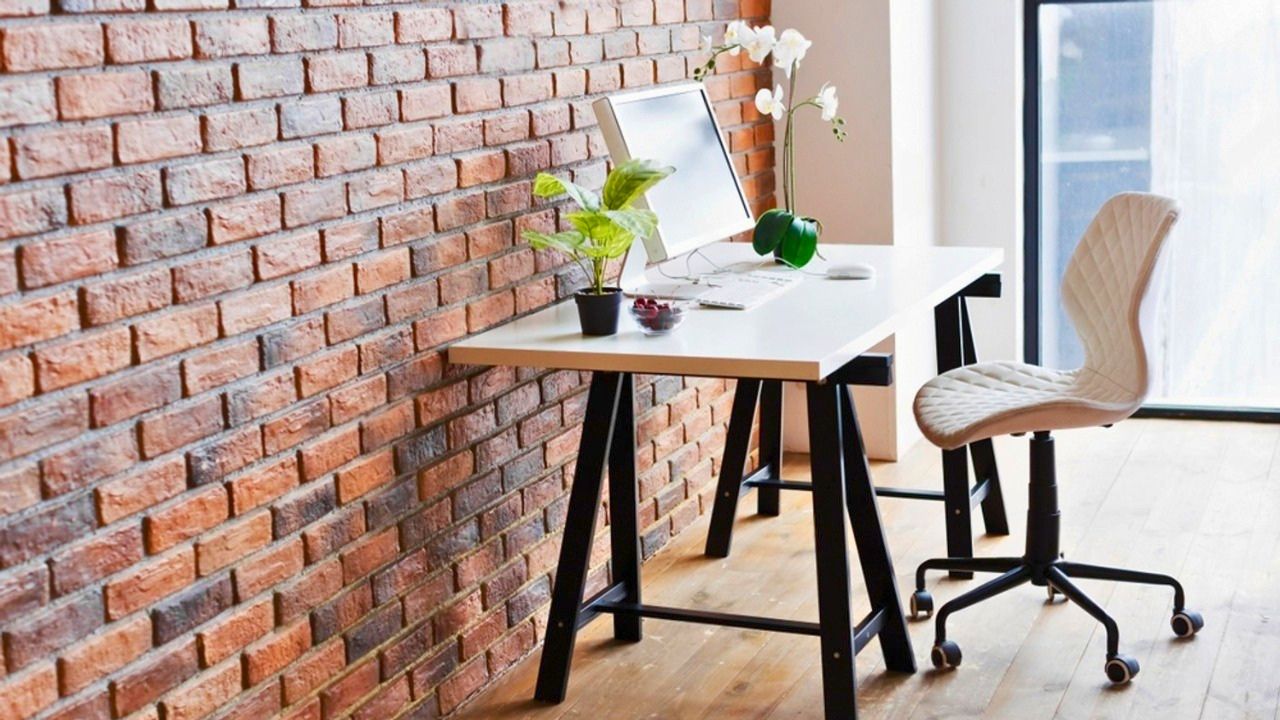
Staring at a wall all day sounds focused, but it usually turns into a cable mess and a bad webcam angle. You end up with shadows on your face, glare on the screen, and cords draped across the floor where the chair chews them up. Then the “decor” becomes a pile of sticky notes and a tangle of chargers.
Spin the desk so daylight hits from the side, not straight in your eyes or directly behind you. Mount a power strip under the desktop, run cables through a grommet or simple clips, and get the computer tower off carpet if you can. If the only option is a wall-facing desk, put a lamp behind the monitor and keep the cord run tight to the baseboard with adhesive raceway.
8. Laundry Room Storage Made Of Cardboard

Laundry rooms look harmless, then the humidity and drips show you who’s boss. Cardboard boxes sag, peel, and grow that musty smell. Open baskets also collect lint, and lint plus a dryer equals a steady layer of grime that never quite goes away.
Swap in plastic totes, wire shelving, or sealed cabinets, and keep detergents in a tray so small leaks don’t ruin the shelf. Clean the dryer vent path at least seasonally, more if loads are heavy or you’ve got pets. If drying takes longer and the laundry room feels hotter, stop and check the venting, because that’s a real fire risk and sometimes needs a pro to fix safely.
9. Guest Room Used As A Storage Unit

It’s easy to turn the spare room into the place where everything goes to die. Extra furniture, old paint cans, half a dozen “donate later” bags, and a random treadmill, then you call it a guest room because there’s still a bed somewhere. It hurts resale, and it guarantees stress when somebody actually needs to stay over.
Keep one clear path, one clear closet zone, and one bedside surface with an outlet. Store paint and chemicals where temperatures stay stable, and never in a bedroom if you can help it. The cheap option can be fine here: a basic metal bed frame and a clean, firm mattress beats an overdecorated room nobody can use.
10. Sunroom Furniture That Can’t Take UV
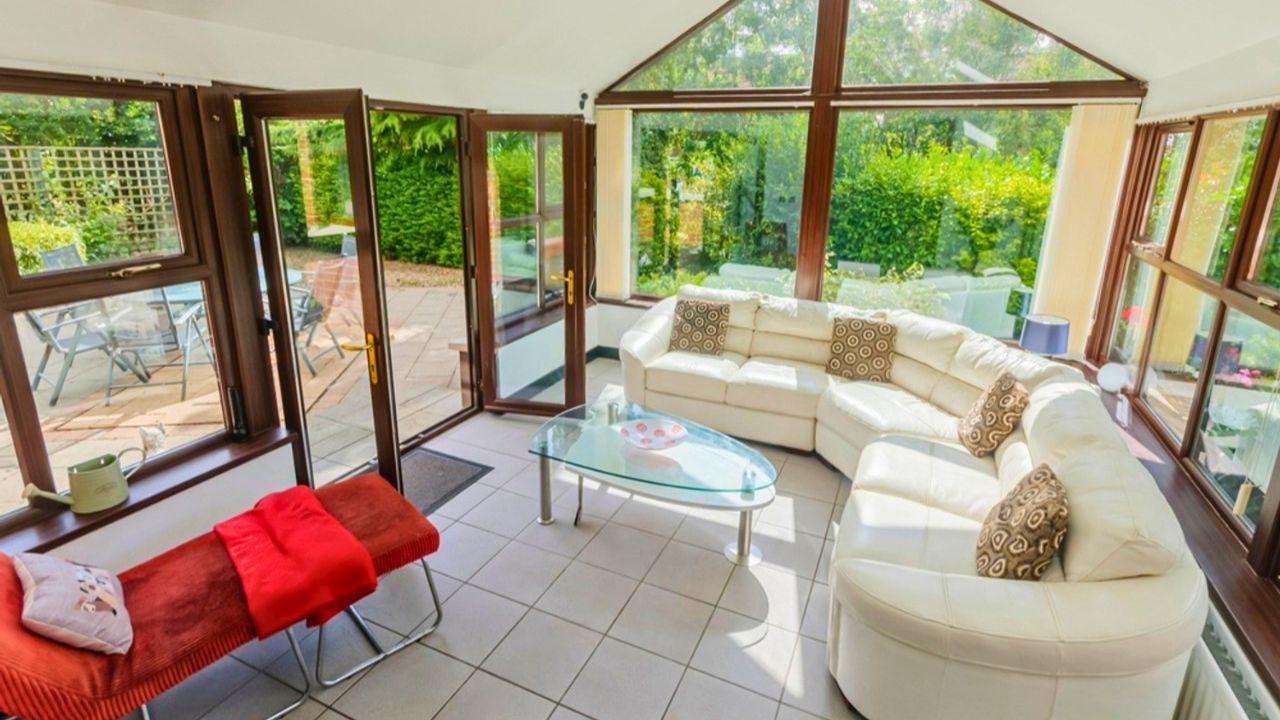
A bright sunroom makes you want to bring in the “good” sofa, but sunlight eats fabrics fast. Colors fade in a single season, cheap faux leather cracks, and wood finishes get blotchy. You’ll also notice it on rugs and art first, especially on the side that catches afternoon sun.
Choose outdoor-rated fabrics or slipcovers you can wash, and pick finishes that aren’t precious. Window film and solar shades help a lot without turning the room into a cave. An honest exception: if the sunroom is truly shaded and stays dry, normal indoor furniture can hold up fine, just keep it out of direct rays and rotate cushions now and then.
Walk each room with a practical eye, like you’re the one cleaning it and paying to replace what wears out. Most fixes are just moving things, sizing them right, or choosing materials that match the moisture and light in that space. Once the room works, the decorating part gets a whole lot easier.
Like Fix It Homestead’s content? Be sure to follow us.
- Man Says He Found Out the Fence He Paid For Wasn’t Actually on His Property
- Woman Says Her Neighbor Started Taking Mulch From Her Delivery Pile Before She Could Even Spread It
- I made Joanna Gaines’s Friendsgiving casserole and here is what I would keep
- What Caliber Works Best for Groundhogs, Armadillos, and Other Digging Pests?