
12 Things Worth Having in the House Before an Outage
Photo credit: New Africa/Shutterstock.com
The power always seems to quit when the weather is ugly, the fridge is full, and you were planning to “get around to” a few basics. Then the store shelves get picked over and the small problems turn into big ones fast. A little prep at home keeps you from wasting food, wrecking gear, or doing unsafe work in the dark.
1. Bright Headlamps And Spare Batteries

Most people grab their phone flashlight and call it good. Then your hands are tied, your phone battery tanks, and you’re trying to shut off a dripping valve while holding a screen in your teeth. A headlamp fixes that, and it’s one of the cheapest upgrades you can make for an outage.
Buy two headlamps, one for the junk drawer and one where you sleep. Keep spare batteries in the same bin, or pick rechargeable headlamps and keep a charged power bank next to them. If you’ve got kids, a small headlamp for each of them stops the “I can’t see” panic and keeps them from lighting candles where they shouldn’t.
2. Safe, Realistic Indoor Lighting

Candles smell nice until you’re carrying laundry past one and catch a sleeve. During a long outage, open flames get knocked over, pets get curious, and wax ends up on the table you actually like. Battery lanterns give you wide light you can set down and forget.
Look for lanterns that stand stable and hang from a hook, so you can light a kitchen or bathroom without blasting your eyes with a headlamp. Keep a couple of long-reach lighters anyway for the stove or fireplace, but don’t make candles your plan A. If you do use candles, use stout holders on a clear surface and never leave them in a bedroom or hallway.
3. Water Stored In Clean Containers
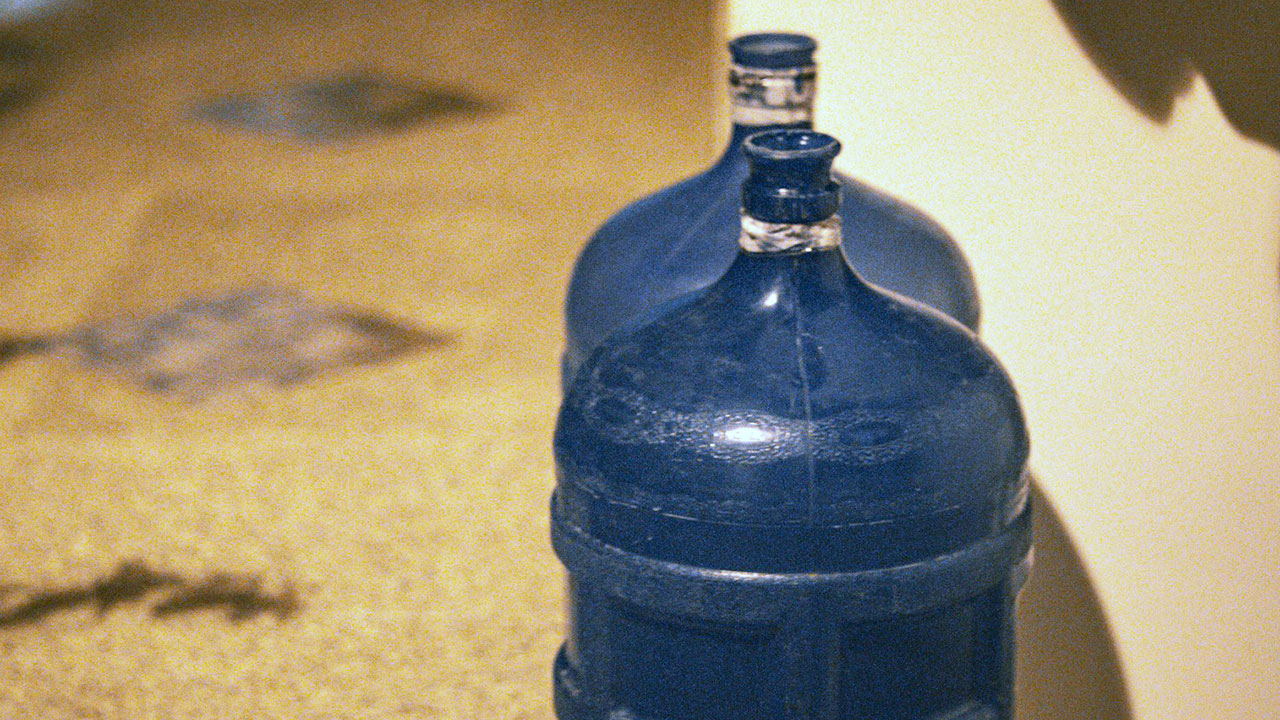
The outage that gets you is the one where the water also quits, or the well pump won’t run. Even in town, a main break or a boil notice can land at the same time as a storm. Suddenly you’re rationing bottled water and melting snow in a pot.
Store water you actually rotate. A few food-grade jugs in a closet beat a shopping cart full of disposable bottles that turn stale and leak. If you’re on a well, store extra for toilets too, because flushing eats water fast and nobody wants a bucket brigade at 2 a.m.
4. Manual Can Opener And Basic Utensils

This one is small, and it gets forgotten. Plenty of pantry food is useless without a can opener, and electric openers are dead weight when the power’s out. The same goes for a simple paring knife, a spoon that can stir a pot, and a lighter for the stove.
Keep them together in a small tote, not scattered through drawers you’ll rummage in the dark. Test the opener now. If it binds, toss it. The cheap, plain crank style is fine, and it’s one of those rare times the fancy version doesn’t buy you much.
5. One Safe Heat Source You Know
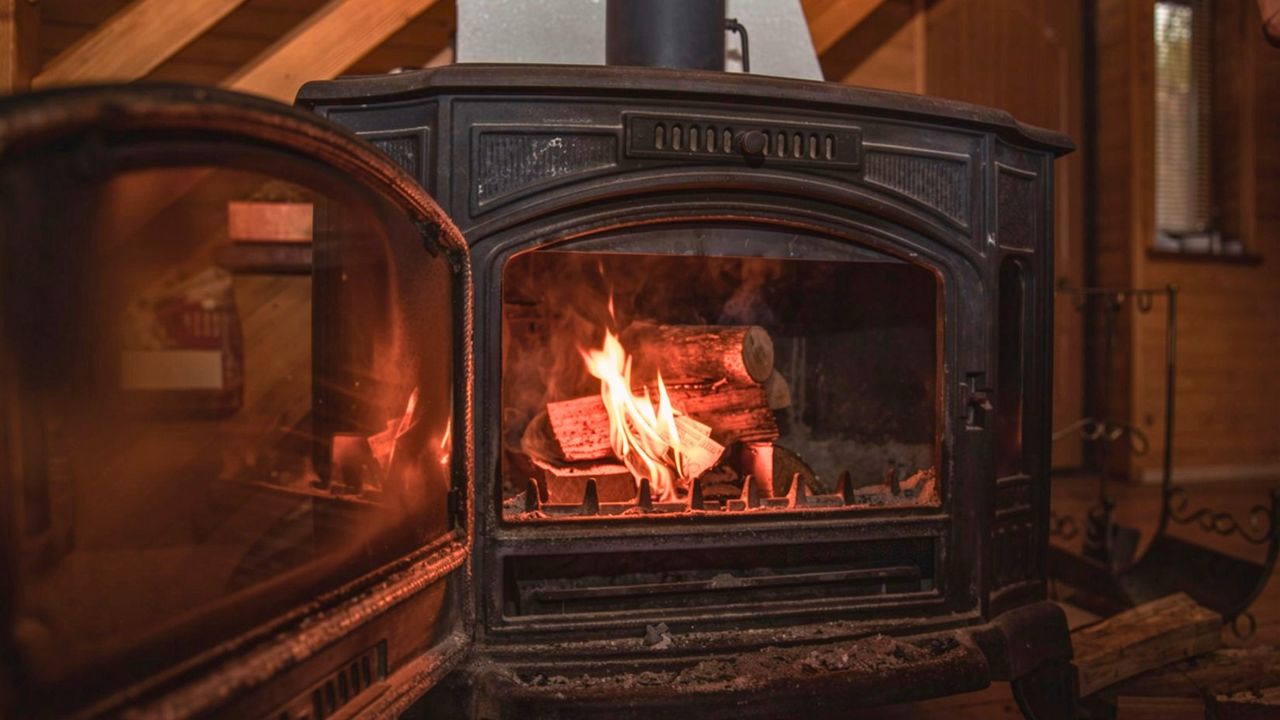
Cold outages get dangerous fast if you start improvising. Running a grill in the garage, cranking the oven door open, or trying to heat a room with random burners is how people get hurt. If you want backup heat, pick one method and learn it before you need it.
For some homes that’s a properly installed wood stove or fireplace insert. For others it’s a vented gas heater, or just committing to warm bedding and a smaller “camp room” you can close off. Any new stove, chimney work, or gas work is a job for a licensed pro and usually needs a permit, because smoke and carbon monoxide do not forgive mistakes.
6. Carbon Monoxide Alarms With Fresh Batteries
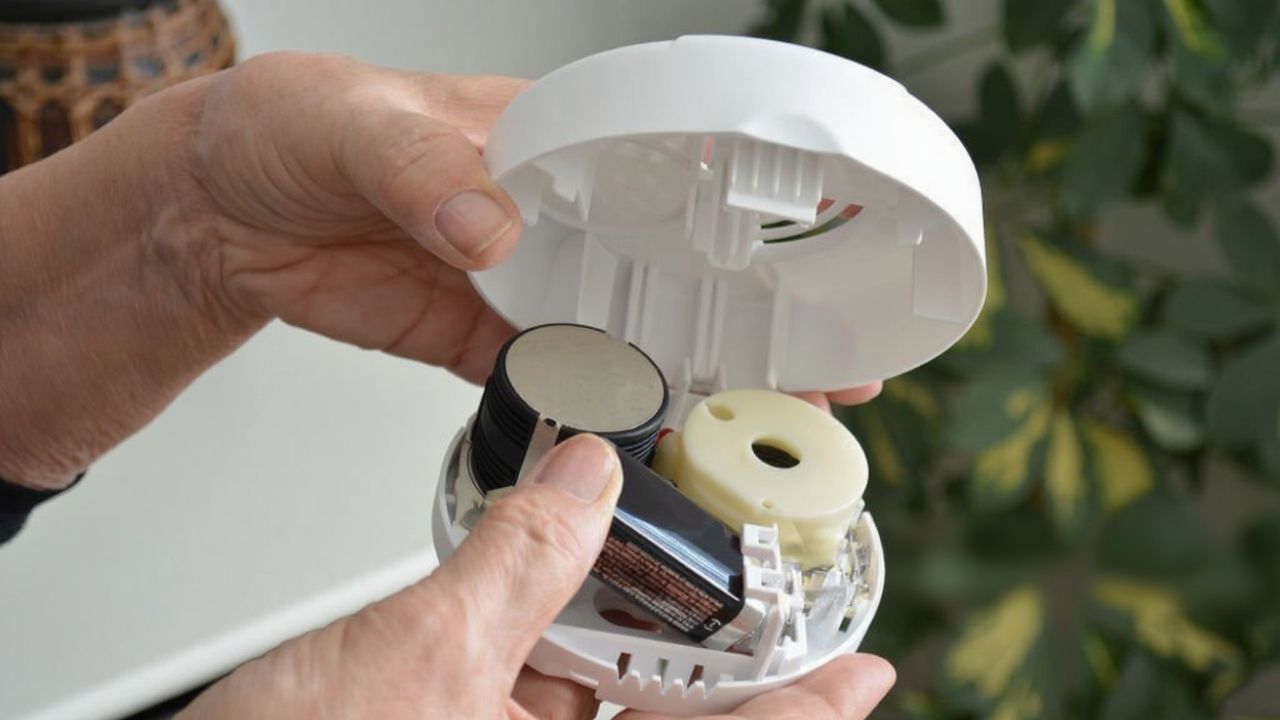
Generators, heaters, and even a blocked fireplace can turn an outage into a CO problem. The scary part is you don’t get a warning smell. People get sleepy and don’t wake up.
Put CO alarms where you sleep and near any attached garage. If your alarms use replaceable batteries, swap them on a schedule and keep spares with your outage bin. If an alarm goes off, get outside and call for help. Don’t try to “air it out” and go back to bed.
7. Extension Cords Rated For The Job
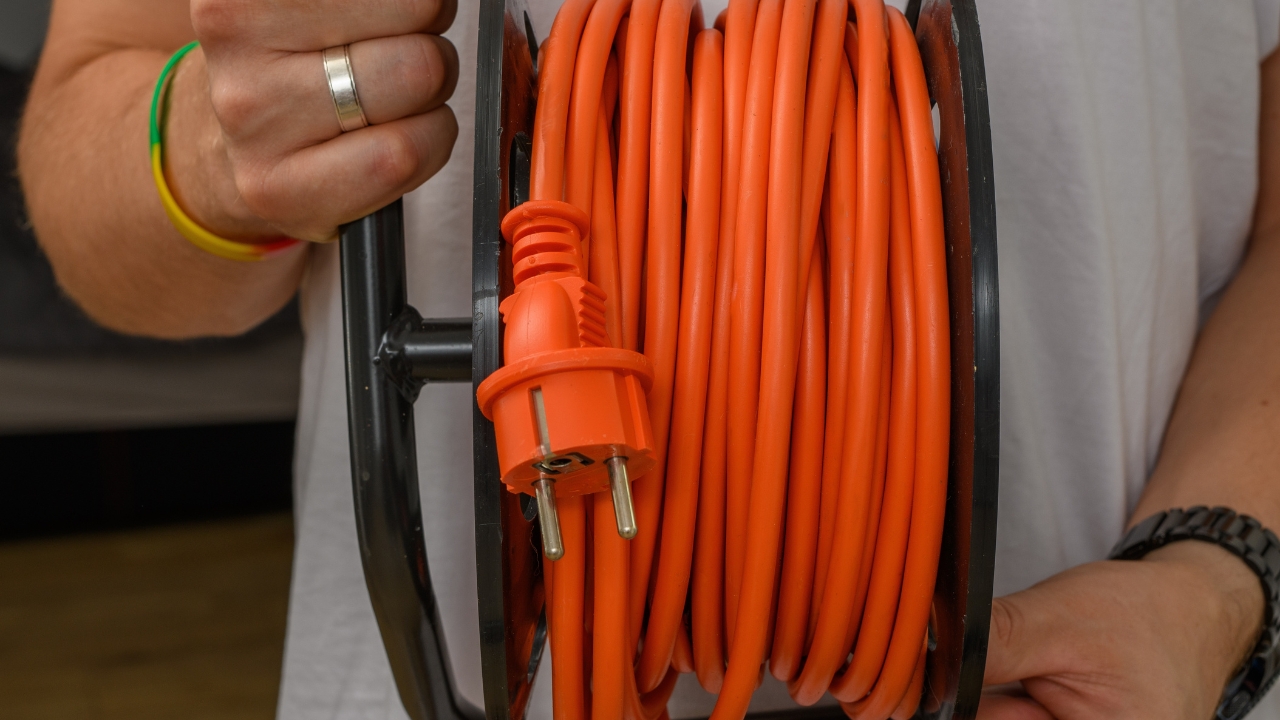
A skinny indoor cord run across the porch to a freezer is a classic mess. It heats up, the plug gets loose, and the cord jacket gets nicked in a door. You end up with melted ends and a breaker that keeps tripping.
Keep at least one heavy outdoor cord that’s long enough to reach what you actually need, plus a shorter one for tight runs. Look for a thick gauge, intact ends, and a bright jacket you won’t trip over. Don’t run cords under rugs, through puddles, or pinched in a window. If you need power to more than a couple things, it’s time to think about a proper transfer switch installed by an electrician.
8. Generator Plan, Not Just A Generator
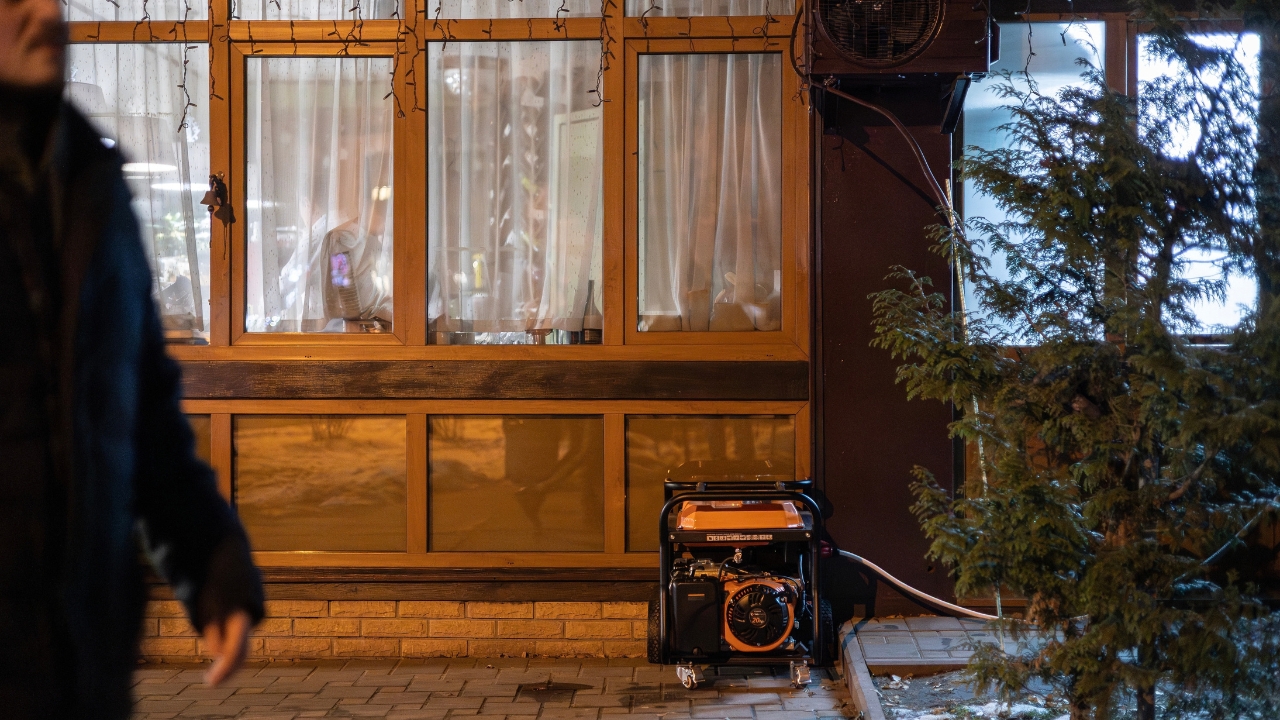
Buying a generator after the first storm is like buying a snow shovel after the driveway is already a sheet of ice. The hard part is not the machine, it’s the fuel, the oil, the cords, and knowing what you’re going to run. A generator that sits for two years and won’t start is just expensive yard art.
If you own one, keep enough stabilized fuel stored safely in approved cans, and rotate it. Run the generator under load once in a while, and keep spare oil and a funnel with it. Never run it in a garage, under a deck, or near open windows. If you want to connect it to house circuits, do it with a legal transfer switch or interlock and a licensed electrician, because backfeeding can kill a lineman and burn your place down.
9. Cooler, Ice Packs, And Fridge Thermometers
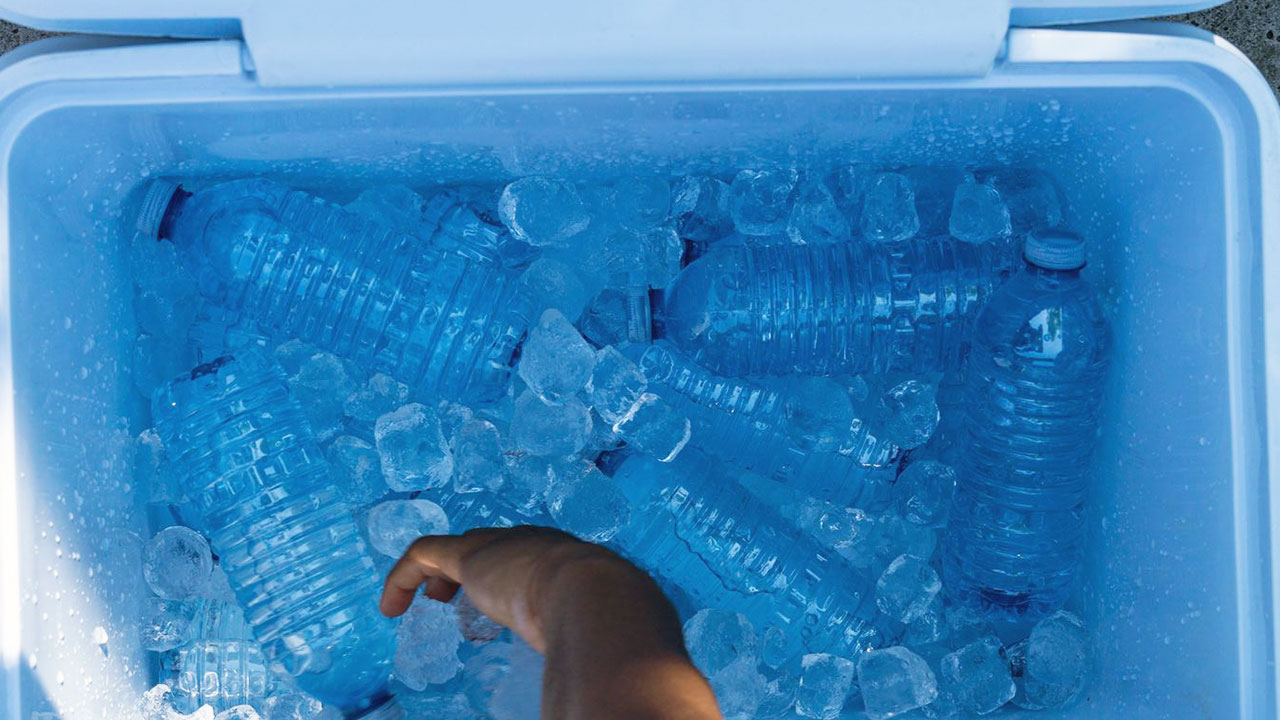
Food waste is where outages get expensive. Without a thermometer, you’re guessing, and guessing wrong means either tossing good food or eating something you shouldn’t. A cooler buys you time if the outage drags past the “keep the door shut” phase.
Keep one decent cooler clean and ready, plus a few reusable ice packs in the freezer. Put a cheap fridge and freezer thermometer inside now, so you’ll know where you stand later. If it’s winter and safe outside, a sheltered porch can act like extra cold storage, but keep food secured from animals and off the ground.
10. A Working Fire Extinguisher
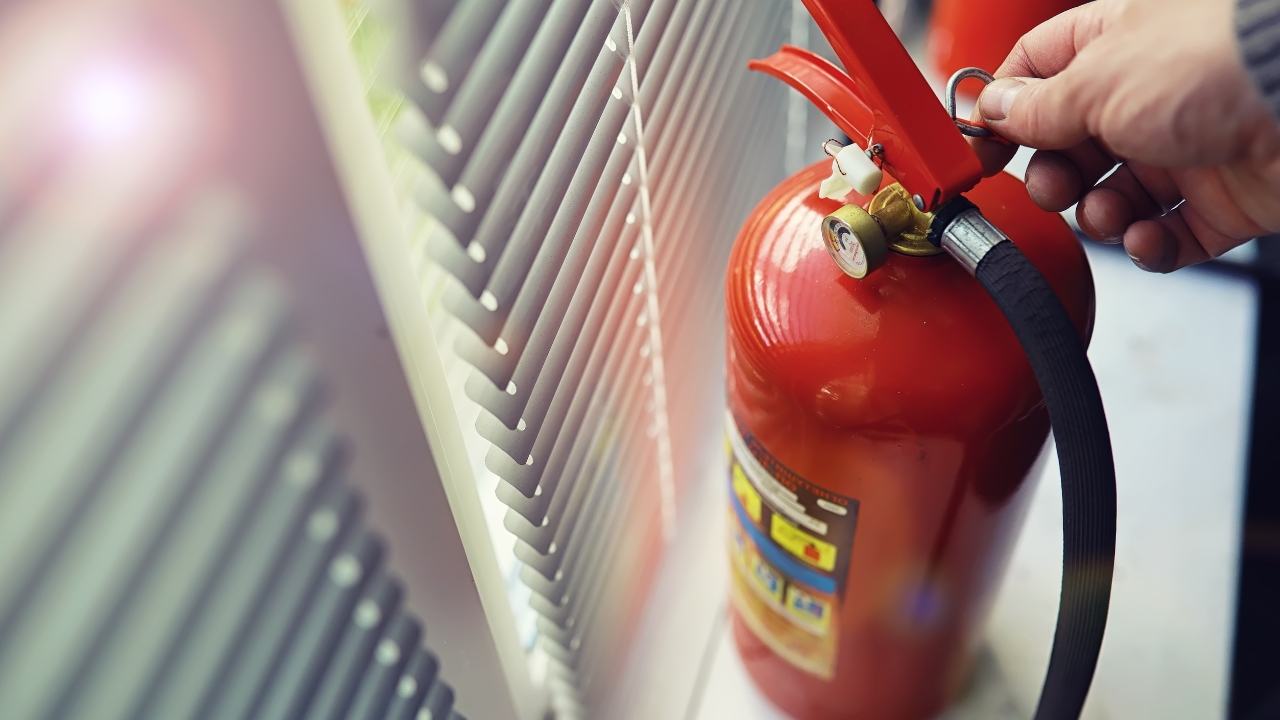
Outages change how you cook and light the house, and that shifts the fire risk. A tipped lantern, a smoky wood stove, or a generator sputter can turn into a real flame quicker than you think. You want an extinguisher before you smell trouble.
Keep one in the kitchen and one near the mechanical area, mounted where you can grab it without reaching over a possible fire. Check the gauge now and replace it if it’s dead or ancient. If you’ve never used one, watch a basic demo video and read the label, because a panic moment is a bad time to learn.
11. Cash, Paper List, And Local Numbers

Card readers go down. Cell service gets spotty. Even if your phone works, you don’t want to burn battery digging through contacts while you’re also trying to manage a cold house.
Keep a little cash in small bills, plus a paper list of numbers for the power company, your well service, your propane supplier, and a neighbor. Add your account numbers if you have them. Put it in a zip bag where you keep flashlights, so it’s easy to find when the lights are off.
12. Basic Tools And A Shutoff Key
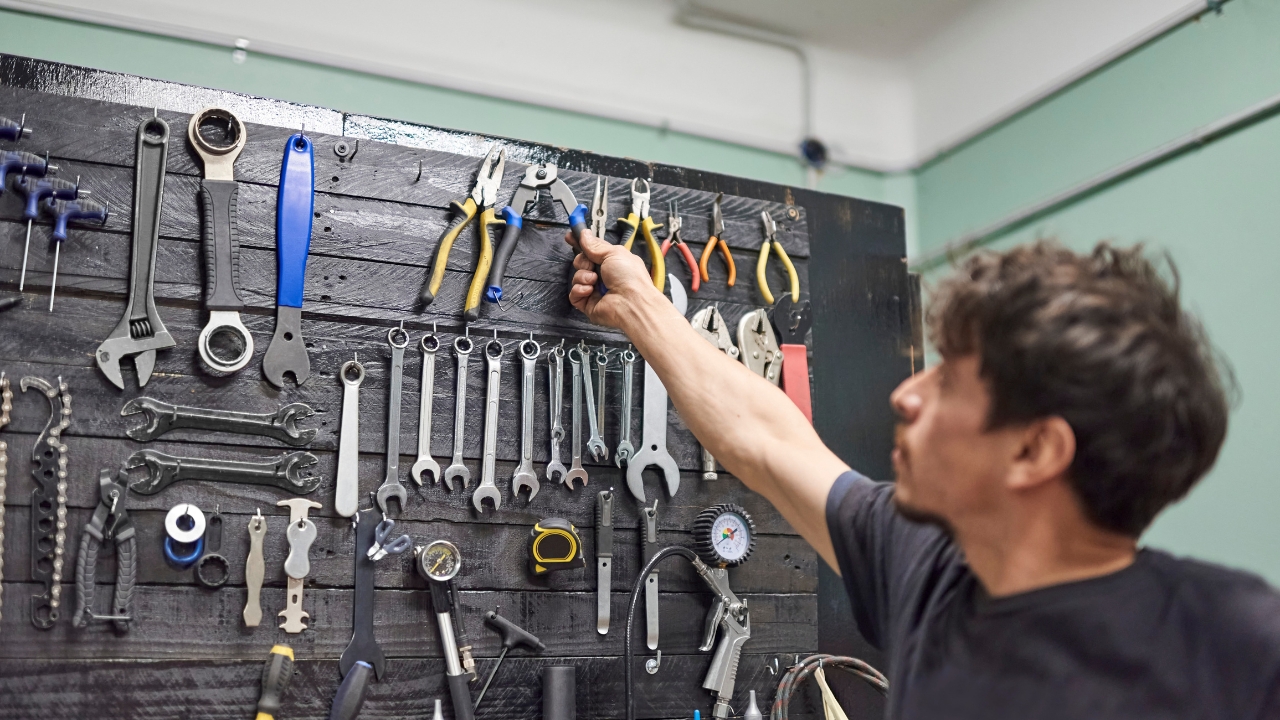
The first hour of an outage is when little failures show up, a sump pump quits, a pipe starts sweating, a door won’t latch in the wind. You don’t need a full shop, you need the right few tools where you can reach them.
Keep an adjustable wrench, slip-joint pliers, a multi-bit screwdriver, duct tape, and a sharp utility knife in one box. If your home has a curb stop or a hard-to-turn main water valve, find out what tool fits it and keep that tool handy. If the main valve is seized or the shutoff setup looks sketchy, pay a plumber to fix it on a calm day, not during a storm.
Do a quick dry run once a year. Turn off a few lights, grab your bin, and see what you actually reach for in the first ten minutes. Fix the weak spots while the weather is nice, and the next outage turns into an inconvenience instead of a scramble.
Like Fix It Homestead’s content? Be sure to follow us.