
10 Reasons a Nice House Still Sits on the Market
Photo credit: Andy Dean Photography/Shutterstock.com
You can have clean floors, fresh paint, and a yard that’s been mowed on schedule, and the place still doesn’t move. Buyers walk through, nod, then disappear. Usually it’s not one big disaster, it’s a handful of small signals that add up to “this is going to be work.”
1. Photos That Make Rooms Look Smaller

A nice house can get skipped before anyone reads a single word if the pictures feel dark, tight, or crooked. Phone photos taken at night, blinds half shut, and wide angle shots that bend doorways all make people think the place is cramped or weird. They scroll past and book the brighter listing down the street.
Open every blind, turn on every light, and shoot mid-morning when the sun isn’t blasting one window. Put the camera at chest height and keep it level, no “artsy” angles. If the agent’s photos still look like a basement, pay for a one-time real estate photographer and be done with it.
2. A Musty Smell You’ve Gone Nose Blind To

Nothing kills a showing like that damp-basement smell, even if the walls look clean. Buyers read odor as water, and water as mold, and then they start doing math in their head. Pet smell does the same thing, even when the litter box is hidden and the dog beds are gone.
Don’t mask it with candles. Find it. Run a dehumidifier, clean the condensate pump and drain line, and check that downspouts aren’t dumping at the foundation. If a carpet or pad is holding odor, pulling it is often cheaper than weeks of failed showings.
3. DIY Work That Looks Like DIY
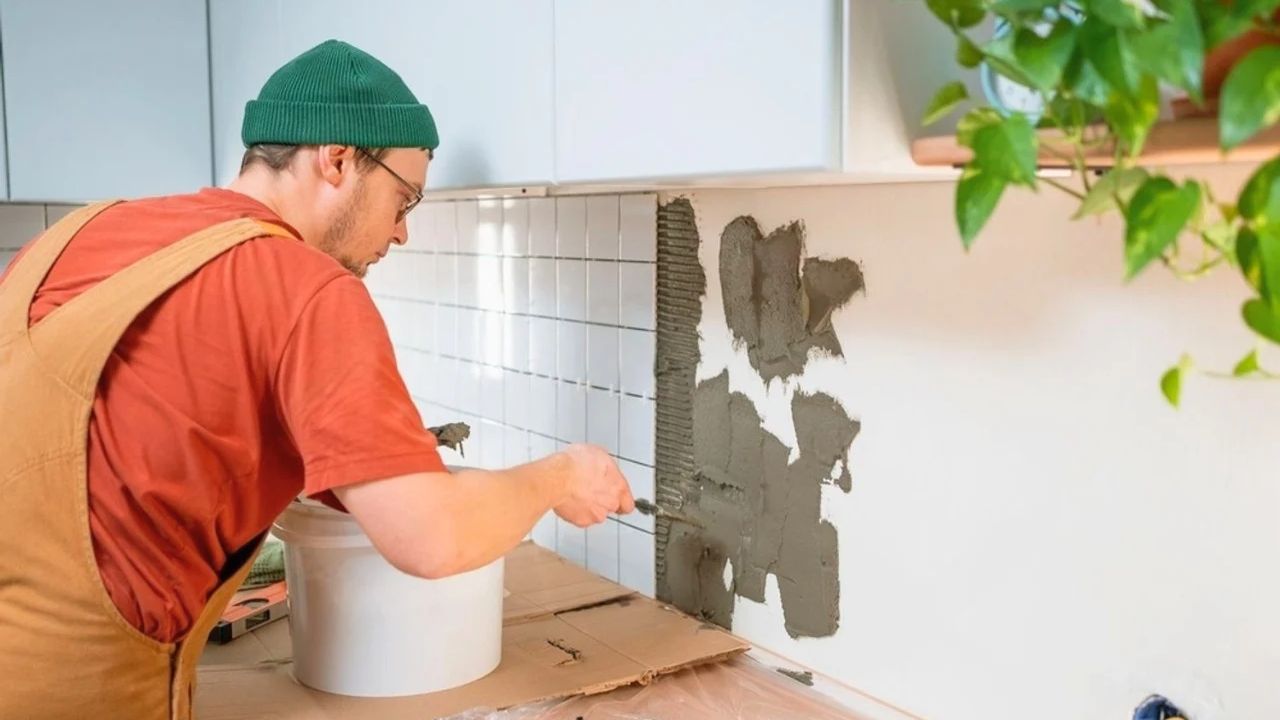
Buyers forgive old. They don’t forgive sloppy. Uneven tile lines, paint on hinges, wobbly railings, and a light fixture hung with random hardware make people assume the hidden stuff is worse.
Pick a few visible fixes and do them cleanly: recaulk the tub with straight lines, swap mismatched cover plates, and tighten door handles so they don’t twist. If you opened walls or touched wiring, have a licensed electrician check it and correct anything not to code. Permits and receipts calm people down fast.
4. The Wrong Price For The Season

A good house priced like it’s peak spring, while it’s listed right before school starts or in the dead of winter, sits. Fewer buyers are out, and the ones shopping are picky. Days on market climb, then everyone starts asking what’s “wrong” with it.
You don’t need a fire sale, but you do need reality. A small price cut early does less damage than multiple cuts later. Another option is to pull it, fix the top two objections, and relist when buyers are actually touring again.
5. A Roof With Vague Age And Stains
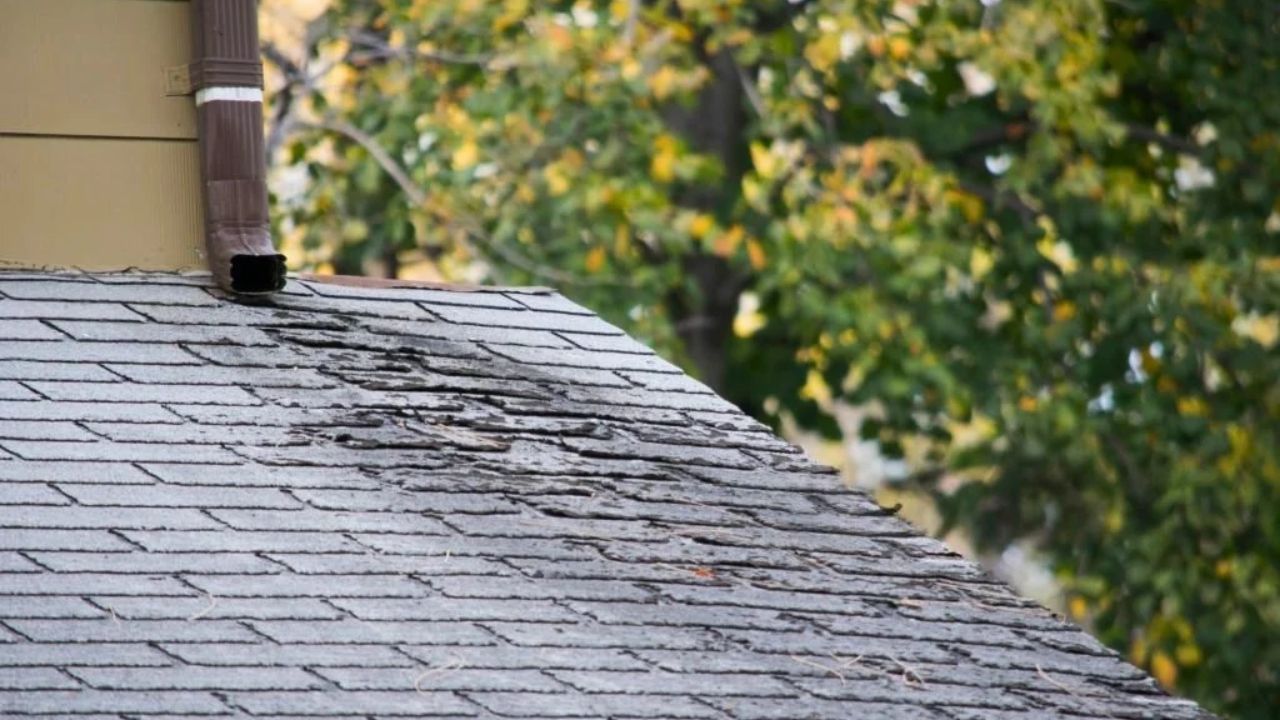
It doesn’t matter if the roof “has never leaked.” If shingles look curled, flashing is rusty, or there are ceiling stains, buyers picture a tear-off. Lenders and insurers can get picky too, and that can blow up a deal even after a buyer says yes.
Have a reputable roofer inspect it and give a written report. Sometimes a simple repair, a few replaced shingles, and new pipe boots is enough. If it’s near end of life, offering a credit can work, but a new roof often brings better offers because it removes the biggest fear.
6. Drainage That Sends Water Toward The House
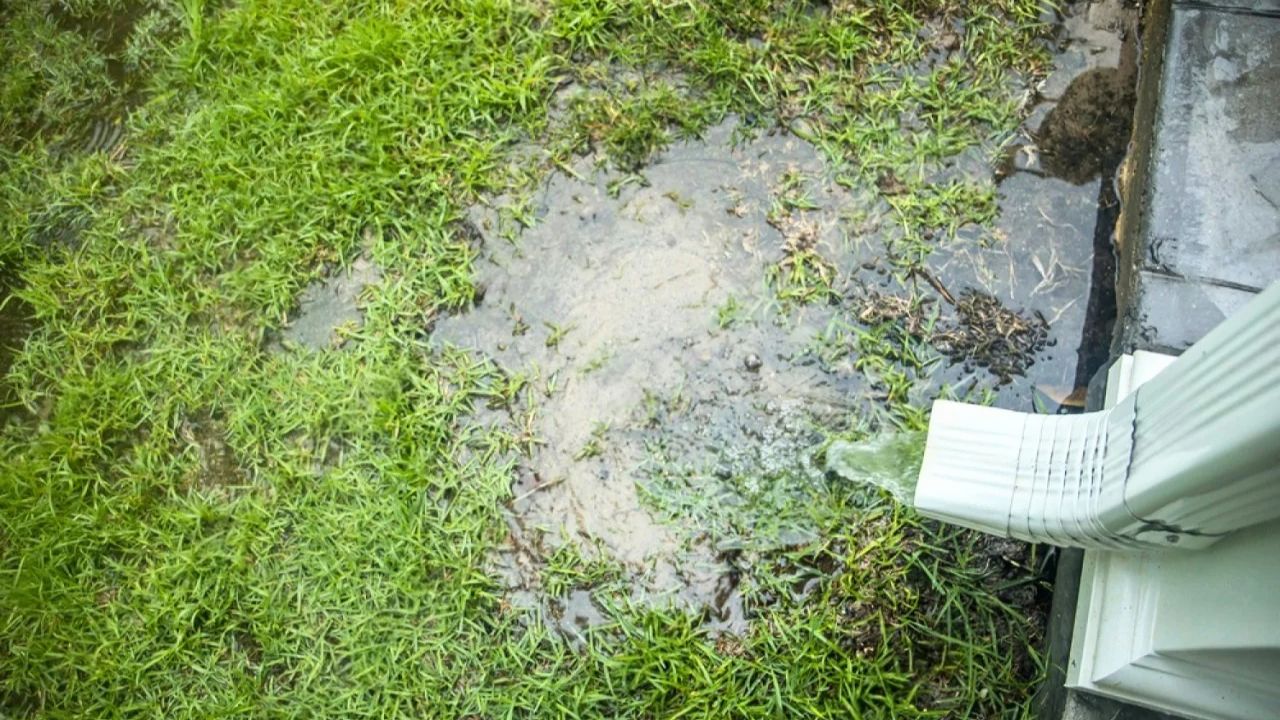
After a hard rain, buyers notice the soggy corner by the porch, the splash marks on the siding, or the muddy trench under a downspout. Even if your basement is dry, bad drainage reads like future trouble. In spring, this one shows up fast.
Extend downspouts so they dump well away from the foundation, not into a flower bed against the wall. Regrade low spots so water runs out to the yard, not back to the house. Before you dig a new drain line, call 811 for utility locates and check local rules, some areas treat certain drains like a permit job.
7. A Cluttered Shop And Overstuffed Garage
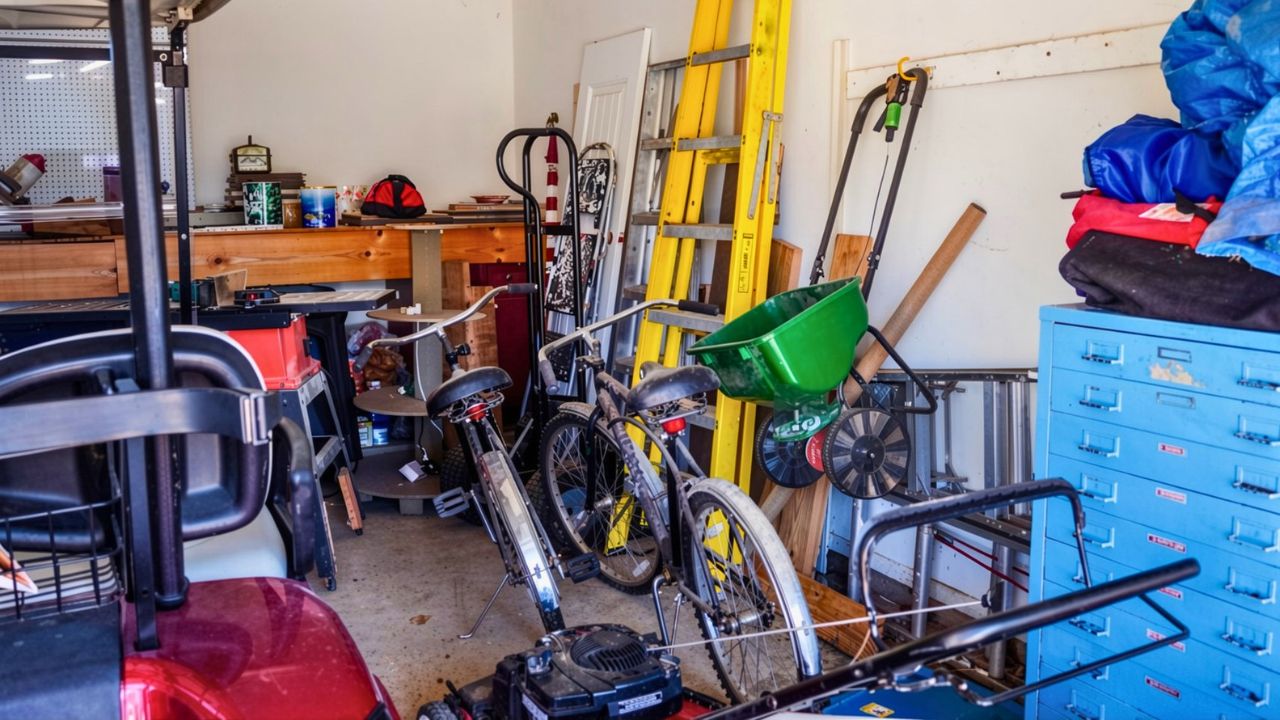
That garage full of tools, feed bins, and spare lumber might be your pride and joy. To a buyer, it reads as “no storage.” People also assume the house is smaller when every closet is packed and the basement looks like a warehouse.
Rent a small storage unit for a month or stack neatly in labeled totes and leave walking space. Hang the bikes, coil the hoses, and get everything off the floor. You want someone to picture their truck in there, not your life.
8. A Yard That Looks High Maintenance

Overgrown hedges, tall ornamental grasses, and beds edged with random bricks make buyers think weekend work forever. Even pretty landscaping can backfire if it looks like it needs constant pruning and watering. In dry areas, thirsty plants are a red flag.
Cut shrubs back off walkways and windows, define bed edges, and lay mulch in a clean, thin layer. Keep mulch a few inches away from siding and posts so you’re not advertising rot. If you’ve got a big country lot, mowing clean paths and trimming fence lines often sells better than fancy plantings.
9. Odd Paint Choices In Key Rooms
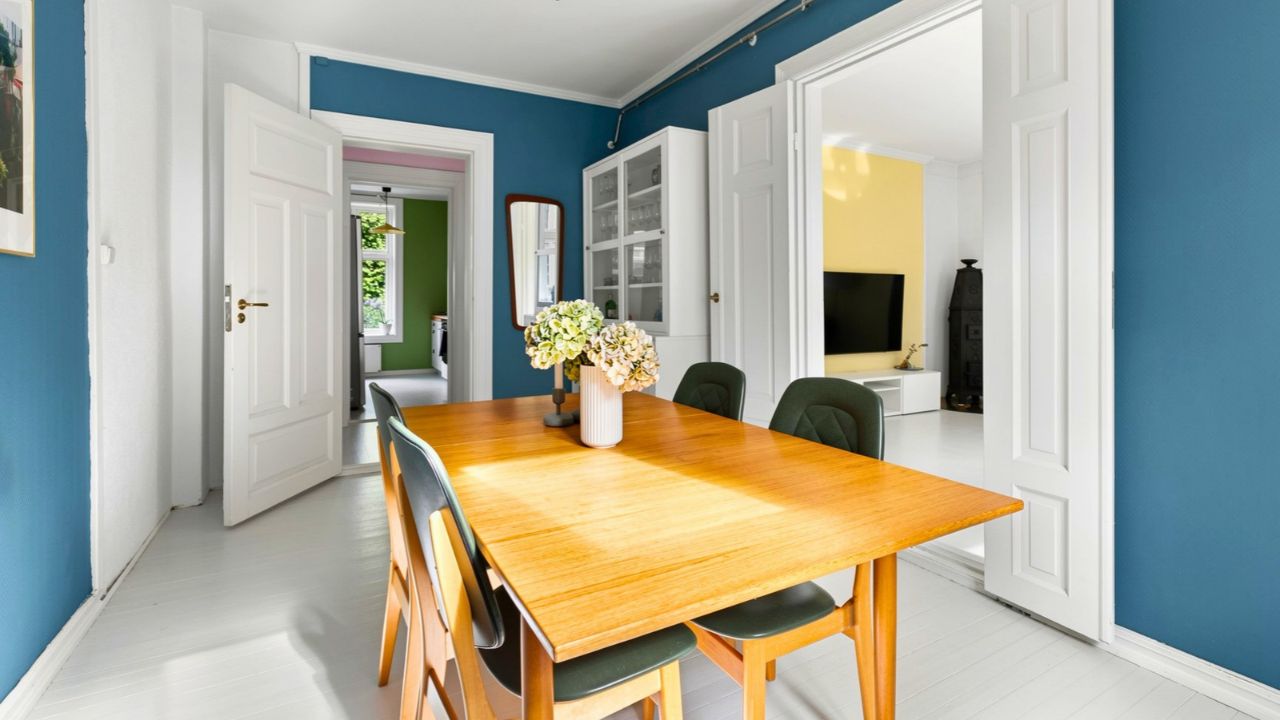
One deep red dining room or a kid’s bedroom painted neon can stall a sale, even if the rest is tasteful. Buyers don’t just see color, they see time, mess, and “what else did they do.” Bad paint coverage and cut-in lines make it worse.
Repaint the loud rooms in a calm, light neutral and do it right: patch, sand, prime stains, then two solid coats. An honest exception, if the place is priced right and the paint job is clean, leaving one accent wall is fine. What drags a listing down is paint that looks rushed.
10. Inspection Deal Breakers You Could Fix Cheap
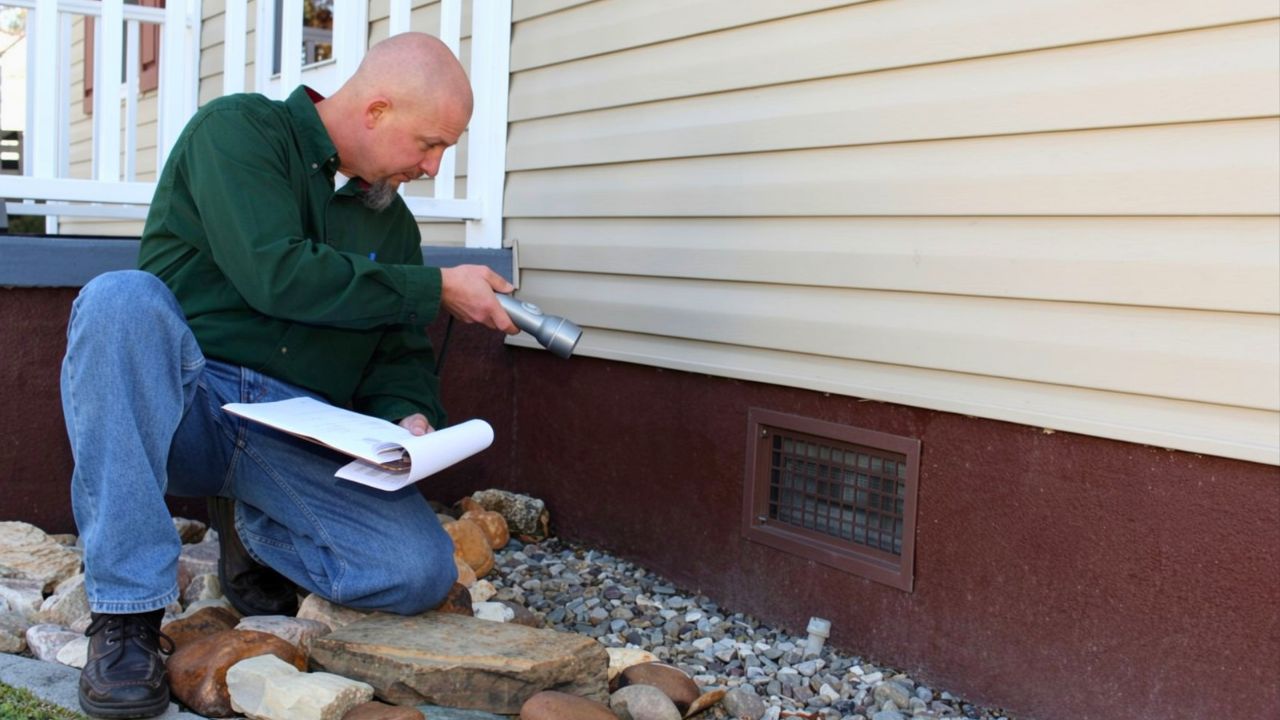
Loose toilets, missing GFCI protection near sinks, a dripping trap, or a water heater with a shaky discharge tube are small jobs that show up in every inspection. Buyers see a long list and start negotiating hard. Some will walk, even if the fixes are a Saturday afternoon.
Do a pre-list walk-through like an inspector: test every outlet, run every faucet, check under sinks with a flashlight, and look at the attic access for stains. Swap bad caulk, replace a worn toilet supply line, and add smoke and CO alarms where required. For panel issues, gas appliances, septic, or structural cracks, stop guessing and hire a licensed pro.
A house sells when it feels easy to move into and hard to regret. Fix the signals that make people brace for surprise costs, and you’ll get better showings even if you don’t change a single countertop. The best part is most of these jobs don’t require fancy tools, just a clear weekend and a willingness to be picky.
Like Fix It Homestead’s content? Be sure to follow us.